Delhi's Indira Gandhi Airport Hit by Monsoon Disruptions, Over 400 Flights Delayed or Diverted
Why It MattersThe episode shows how weather-driven airborne holding cascades into crew duty-time breaches and diversion costs, turning a single storm into a multi-day network recovery problem for airlines.
What happened
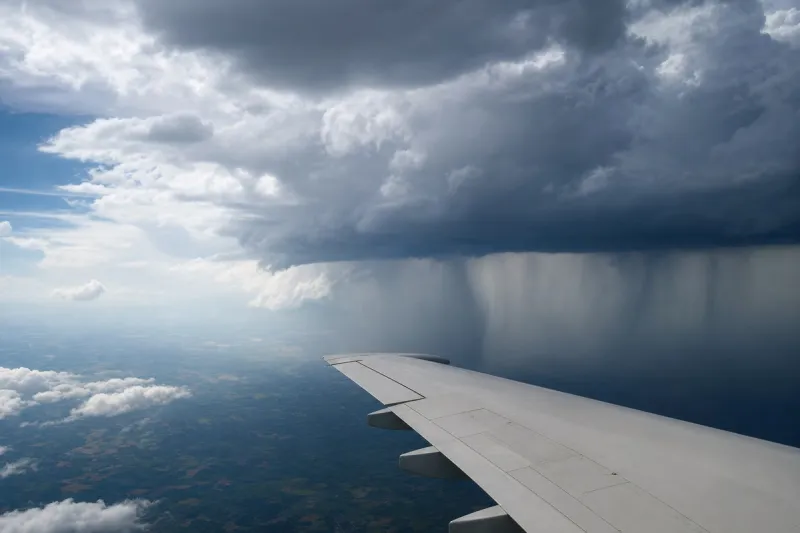
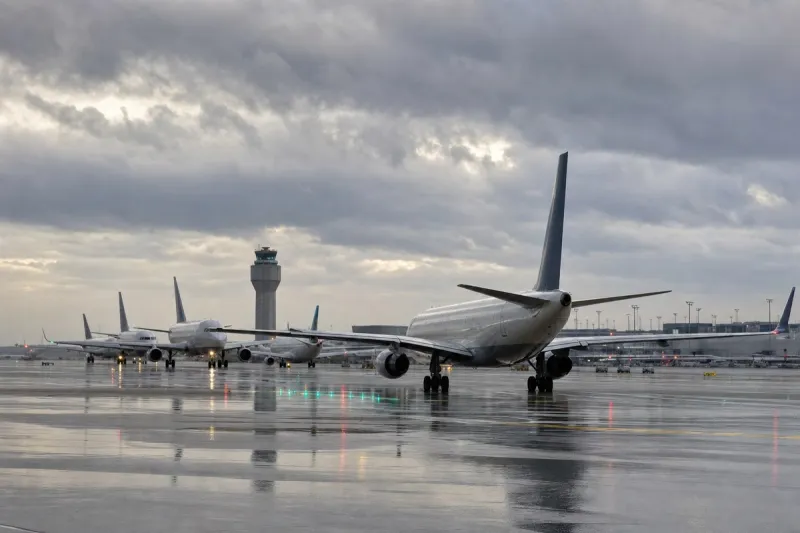
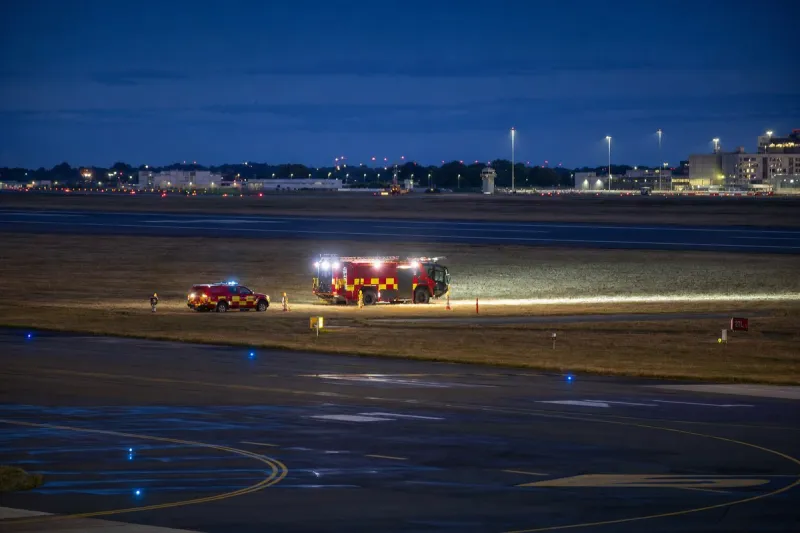
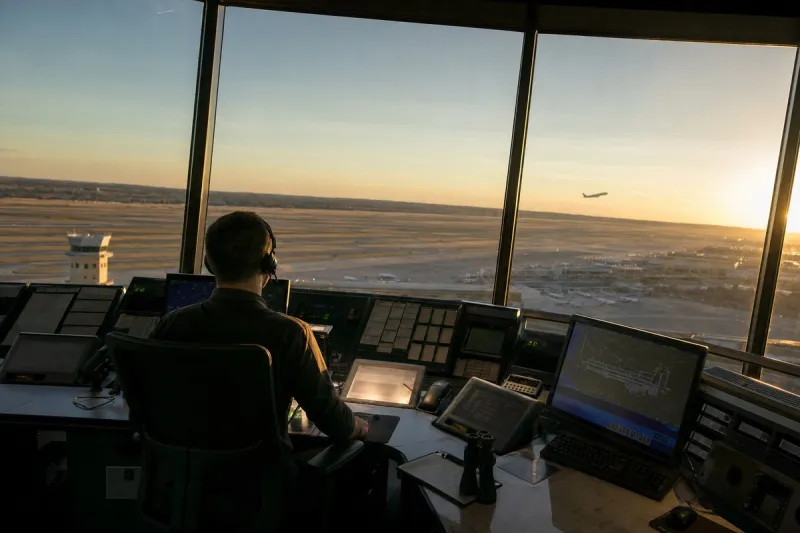
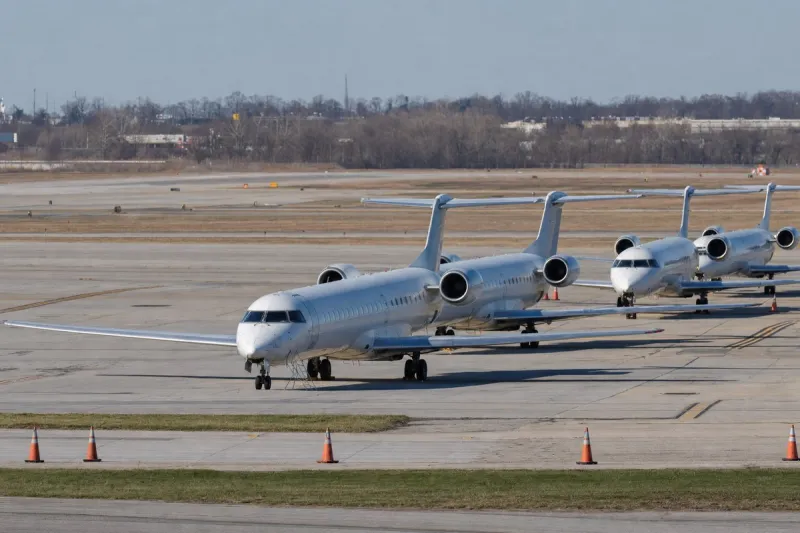
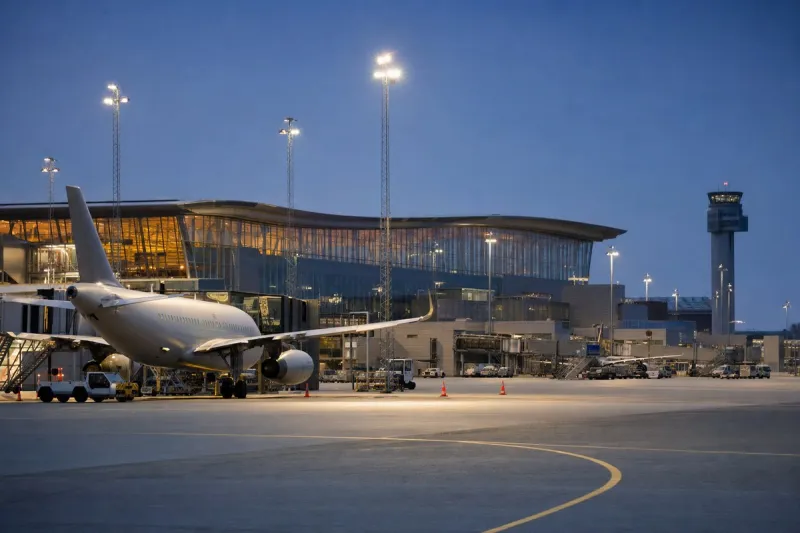
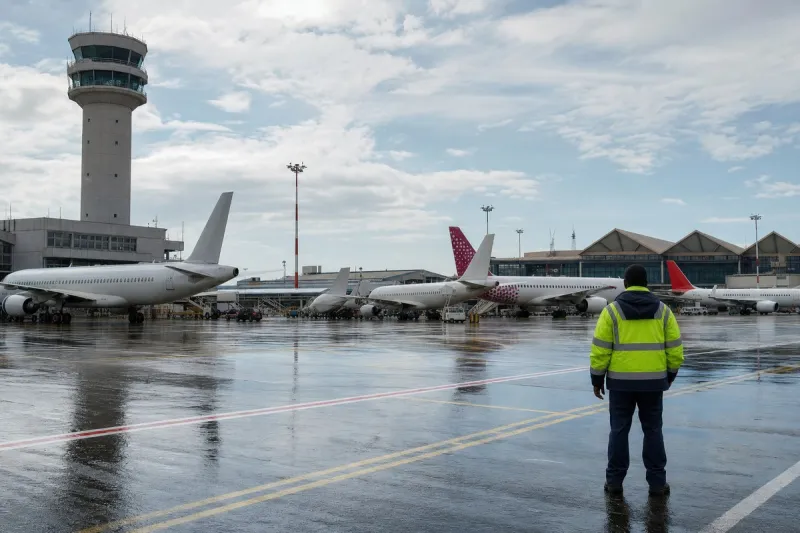
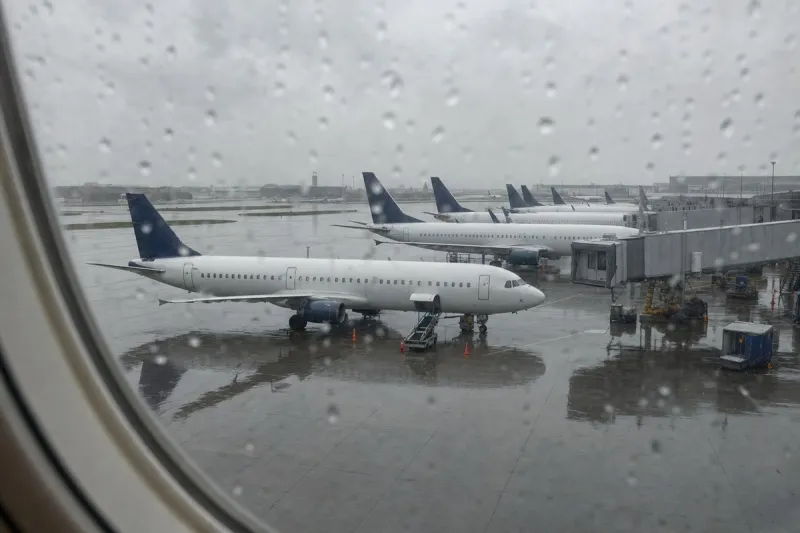
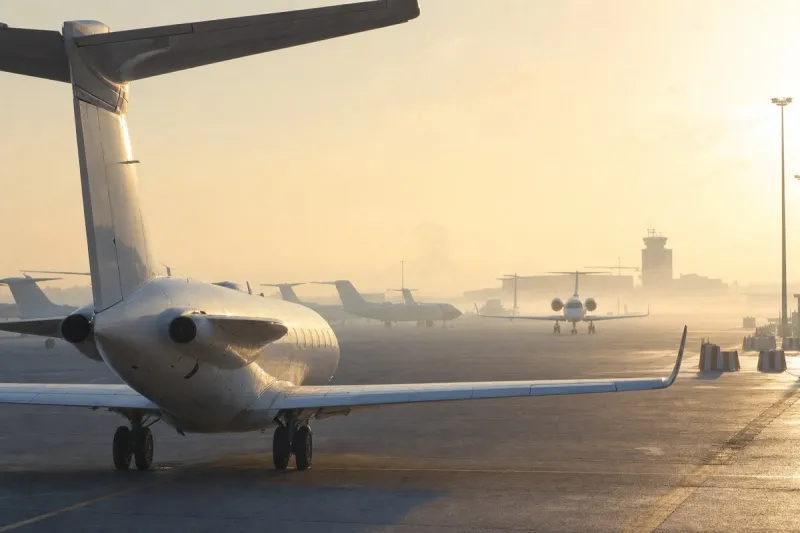
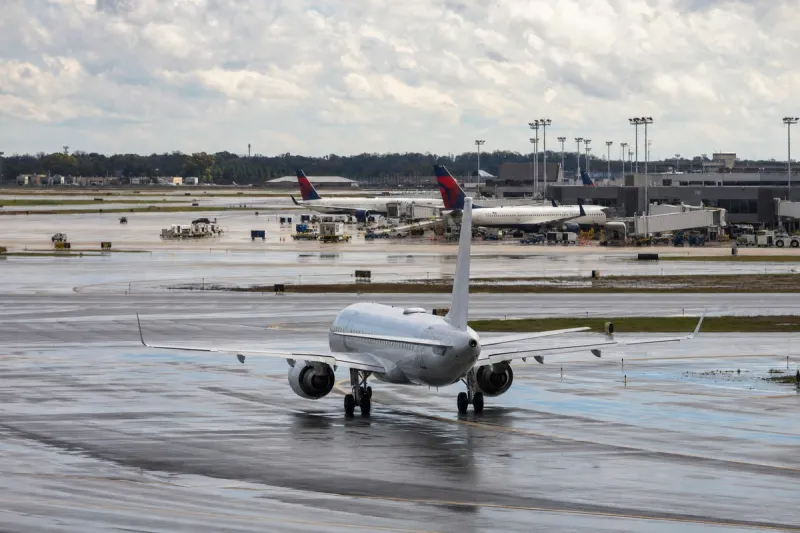
Intense monsoon rainfall struck India's National Capital Region beginning Friday, triggering major flight disruptions at Indira Gandhi International Airport (IGIA) and severe road flooding on key access routes. More than 400 flights suffered delays as reduced cloud ceilings, lightning, and strong wind gusts forced air traffic controllers to hold arriving aircraft in airborne holding patterns; when fuel reserves could not sustain further holding, multiple commercial flights were diverted to regional alternates, and diverted aircraft then required refuelling and new departure slots before returning to Delhi, cascading delays well into subsequent operating periods.
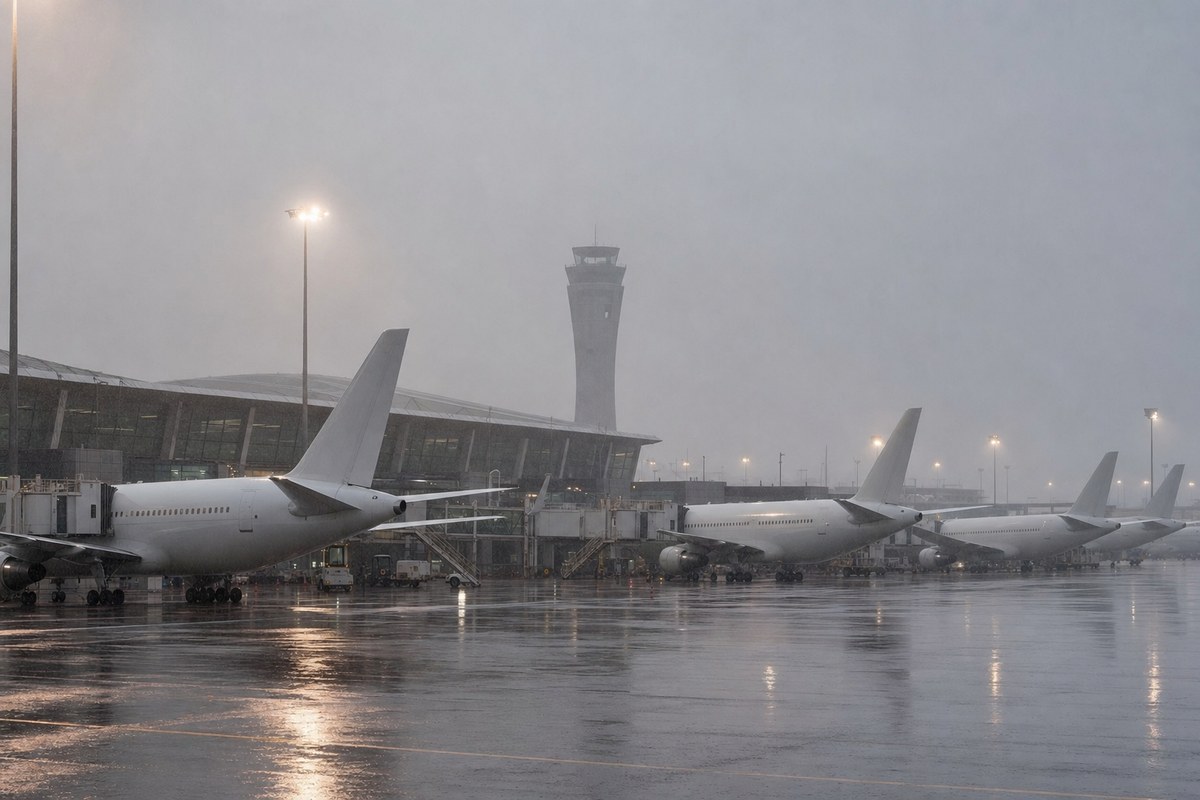
Airport operator Delhi International Airport Limited (DIAL) confirmed that runway and terminal operations remained active into Saturday morning, but airlines issued urgent travel advisories for both domestic and international passengers. The storm also overwhelmed municipal drainage networks, causing heavy standing water along arterial roads serving the airport — particularly along National Highway 48 (NH-48) and underpasses near Mahipalpur and Dhaula Kuan.
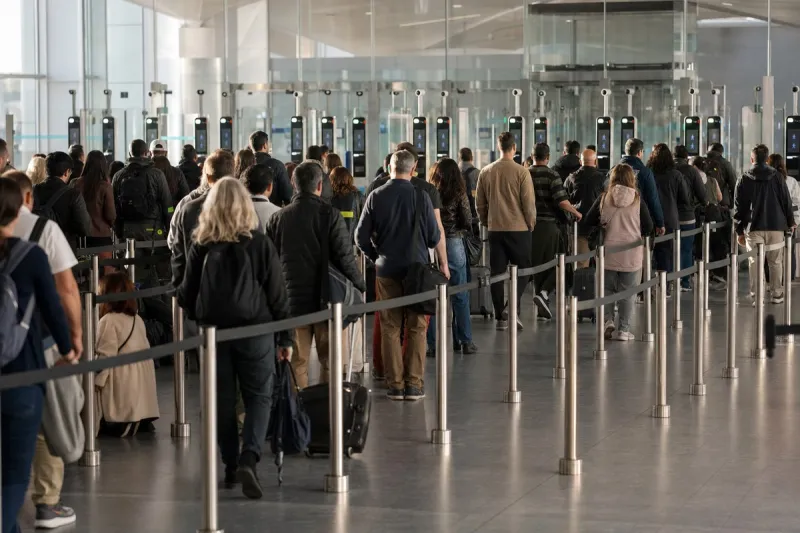
Flight crew duty-hour limits set by India's Directorate General of Civil Aviation (DGCA) added further complexity: crews whose statutory flight duty time limitations (FDTL) were exceeded had to be replaced by reserve personnel, compounding schedule recovery times. DGCA passenger rights rules require airlines to provide complimentary meals and refreshments for delays exceeding two hours, while passengers facing cancellations or delays beyond 24 hours are entitled to an alternative flight or a full refund without penalty.
Industry impact & what to watch
Weather events of this kind show how a single storm cell over one airport can propagate through an entire network: aircraft held airborne burn fuel reserves, diversions strand crews and airframes at alternate airports, and duty-time rules then force operators to source reserve crews before those aircraft can even attempt a return leg. Each of those steps adds recovery time independently, so the schedule impact of the storm itself often ends up smaller than the impact of restoring crew and aircraft positioning afterward.
This is also where regulatory passenger-protection rules intersect operational recovery: DGCA's meal and refreshment requirement past two hours and its refund-or-rebooking entitlement past 24 hours put a clock on how long airlines can let disrupted passengers wait before facing compensation exposure, which pushes carriers to prioritise rebooking over holding passengers indefinitely.
What determines how quickly IGIA's schedule normalises is whether DIAL and airlines can clear the backlog of diverted aircraft and reserve-crew repositioning before the next weather cell arrives, since further monsoon activity in the same window would compound rather than resolve the current delays.