Grass Fire Forces London Heathrow to Close Runway 27L, Restored Within an Hour
Why It MattersThe episode shows how quickly a major hub can absorb a single-runway disruption when emergency response and air traffic control coordination work as designed.
What happened
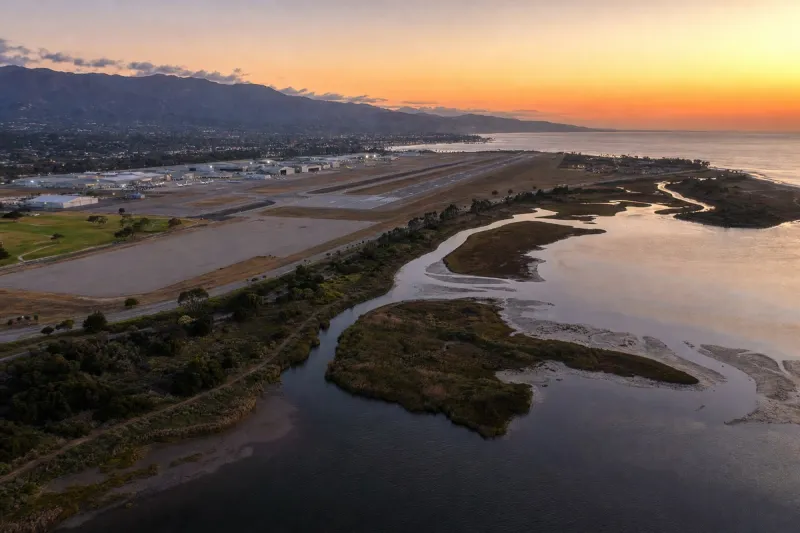
A grass fire broke out on a grassy area adjacent to London Heathrow Airport's southern runway, prompting airport emergency services to respond immediately. Airfield managers suspended all traffic on runway 27L and redirected arriving and departing flights to runway 27R, shifting Heathrow to single-runway operations.
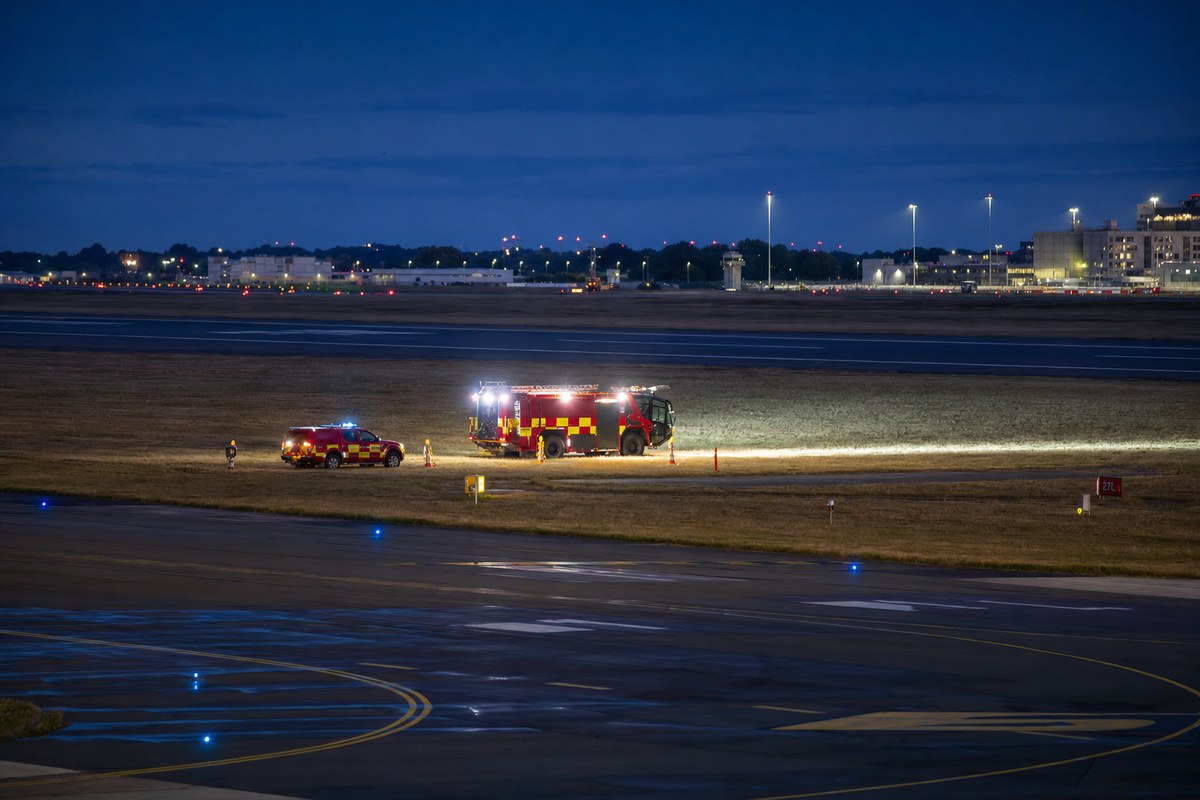
By 12:00 PM local time, air traffic controllers had successfully shifted all flight operations to 27R. Airfield teams brought the situation under control within an hour, and by 12:50 PM local time the fire was fully extinguished, allowing runway 27L to reopen and Heathrow to return to standard dual-runway operations.
A Heathrow Airport spokesperson said: "Earlier today our teams acted quickly to safely resolve a grass fire adjacent to the southern runway. Thanks to their swift response, the fire was extinguished quickly and both runways are fully operational." Passengers were advised to check their flight status with their respective airlines for any minor knock-on delays resulting from the midday operational shift.
Industry impact & what to watch
Airfield fires near active runways are a recurring operational risk at large hubs, where grass verges sit close to paved surfaces used for high-frequency arrivals and departures. When one runway is lost, even briefly, the standard response is to consolidate traffic onto the remaining runway rather than halt operations entirely, which is exactly what Heathrow's air traffic controllers did in shifting all flights to 27R.
The speed of recovery here — suspension, single-runway operation, and full reopening within roughly an hour — illustrates how a dual-runway airport's redundancy limits the knock-on effect of a localized incident, provided the second runway can absorb the combined arrival and departure flow without breaching its own capacity limits. That capacity margin is what determines whether a short closure produces only minor delays or cascades into wider schedule disruption across a hub's connecting traffic.
What remains to be seen is whether airlines operating through Heathrow report any residual delays tied to the midday shift, since the spokesperson's statement pointed to only minor knock-on effects rather than a wider schedule disruption.