Over 400 Air Traffic Controllers Warn US Aviation System at Breaking Point as Tensions with FAA Chief Escalate
Why It MattersWhen staffing shortfalls, fatigue rules and pay disputes collide inside a single safety-critical workforce, disagreements over productivity metrics can directly shape how controllers manage attention during high-risk traffic events.
What happened
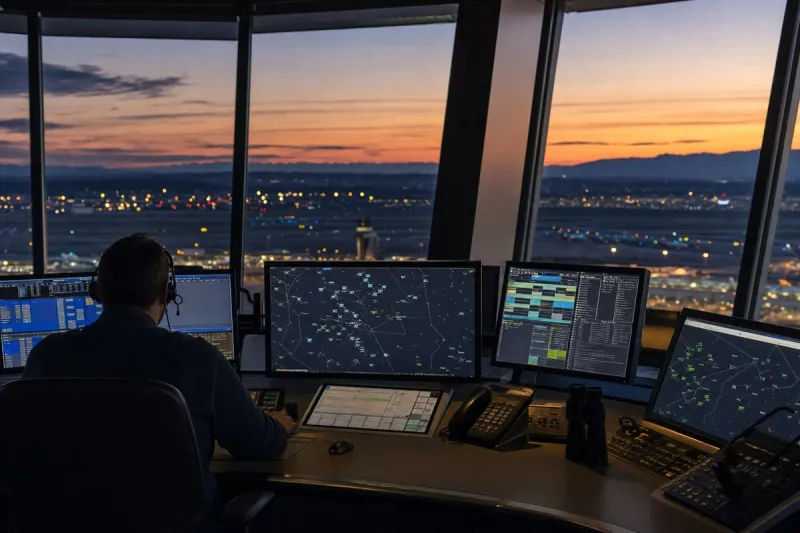
More than 400 individuals identifying as FAA air traffic controllers have privately contacted the Washington Examiner since an August interview with FAA Administrator Bryan Bedford was published, warning that the nation's aviation system has reached a breaking point. Controllers describe working six-day weeks with only four days off per month, cycling through overnight shifts with as little as 10 hours between them.
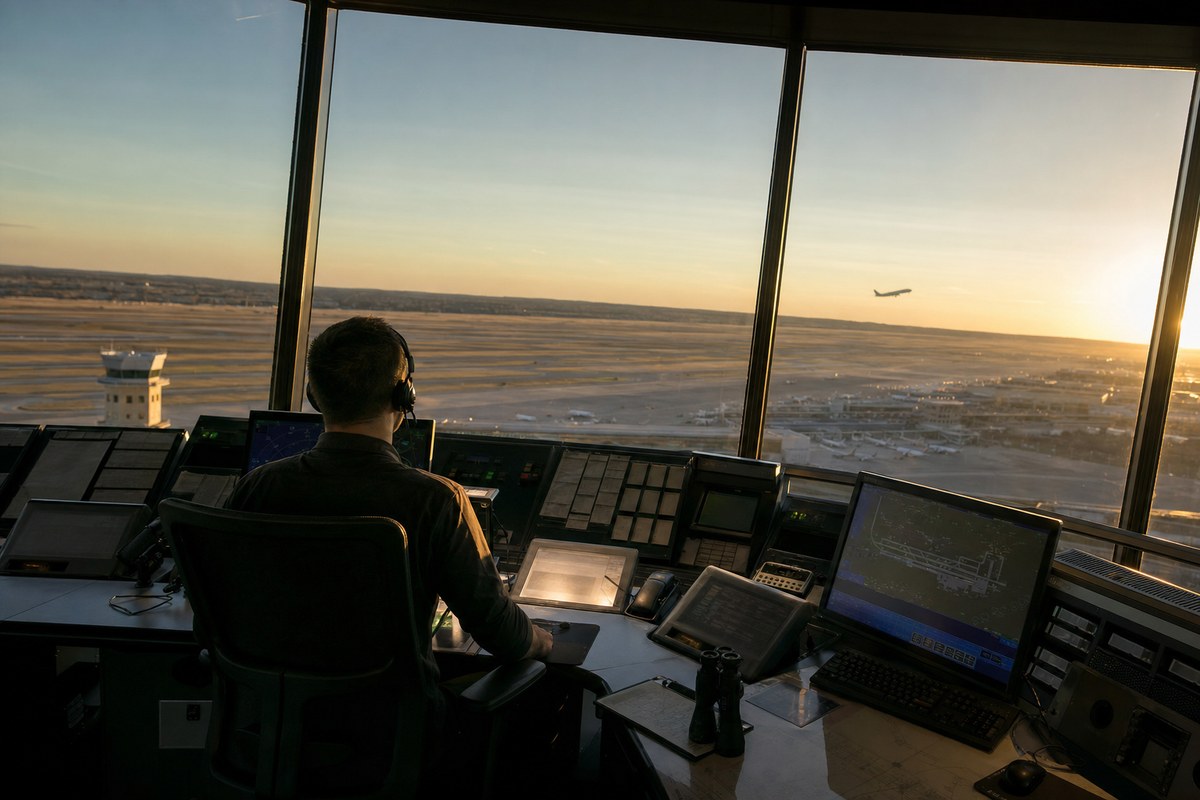
More than 90% of the nation's 313 air traffic control facilities were short-staffed as of 2025. The US currently has approximately 11,000 certified controllers, compared with 16,300 in 1980, even as annual passenger boardings rose from 295 million to more than 906 million over the same period.
A central grievance is Bedford's decision to withhold a 2.8% retroactive pay raise that Congress approved and funded four months ago. Bedford stated the raise is on hold until the agency can "unlock more productivity" by requiring controllers to work five hours at the controls per shift instead of the current four. Hanan Wiseman, the Boston Consolidated TRACON (A90) Facility Representative, issued a letter disputing Bedford's characterization, writing that Congress placed the decision to pay the raise solely in the Administrator's discretion and that the union bears no legal obligation to meet it.
Critics accuse Bedford of managing the FAA like a private business, citing his background leading regional carrier Republic Airways, and prioritizing cost-effectiveness over public safety. A controller who retired from New York Center in August after more than two decades said morale is "at an all-time low." Insiders say suicides among controllers are running at eight times the national average, and the National Transportation Safety Board told Congress in February that research showed extended time at the controls beyond 90 minutes increases detection latency for complex safety events such as two aircraft at the same altitude on the same flight path.
Relations between staff and leadership were further strained when internal FAA findings were leaked to the Wall Street Journal shortly after Bedford's interview, characterizing two LaGuardia Airport controllers as having recklessly left their shifts early. Retired controller Dave Riley and other insiders argued the leak misrepresented standard fatigue-management practices, including the "59-minute rule," which permits controllers to leave within an hour of shift end if adequate coverage exists.
Industry impact & what to watch
This dispute sits at the intersection of two pressures that have been building for decades: a controller workforce that has shrunk from 16,300 to roughly 11,000 while passenger volumes have more than tripled, and a leadership decision that ties a congressionally funded pay raise to a change in how long controllers stay at the scope. When staffing and compensation questions get resolved through operational rule changes rather than negotiated agreements, the result is a workforce that reads the change as a safety trade-off rather than a productivity fix.
Air traffic control depends on facility-level staffing ratios and fatigue-management practices, such as the 59-minute rule, that were built around a shift structure controllers say is already stretched by six-day weeks and short rest windows. The NTSB's finding that detection latency for complex safety events rises after 90 minutes at the controls speaks directly to Bedford's proposed five-hour requirement, and the two positions are now on record as contradicting each other.
What happens next will turn on whether the FAA and the controller unions reach a documented resolution on the pay raise and the productivity condition attached to it, and on whether any further leaked findings, like the LaGuardia case, are addressed through established fatigue-management procedure rather than public dispute. Congress's own funding decision on the raise remains a fact on record that has not been implemented.