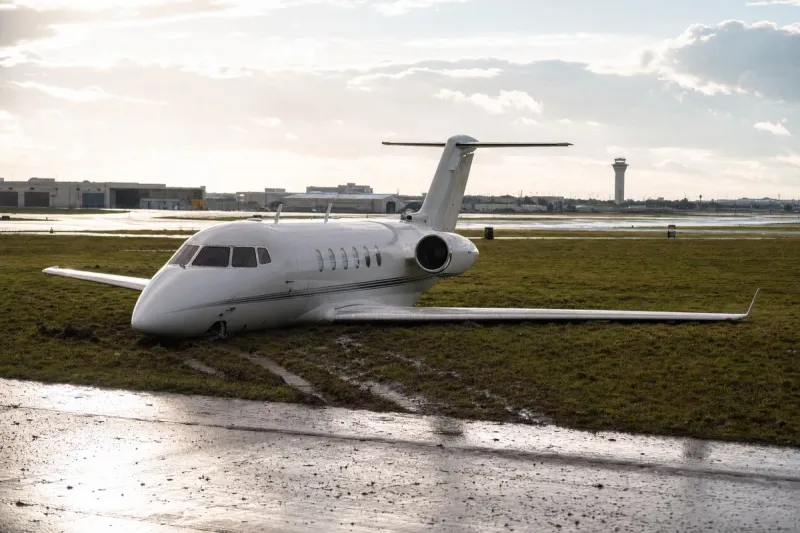
Five Dead After Amazon-Branded Boeing 767-300F Overruns Runway at Miami International Airport
Why It MattersCargo carriers operating aging leased widebody freighters under branded partnerships face renewed scrutiny of landing-speed anomalies and emergency-declaration protocols even when the operating airline is not the household name on the tail.
What happened
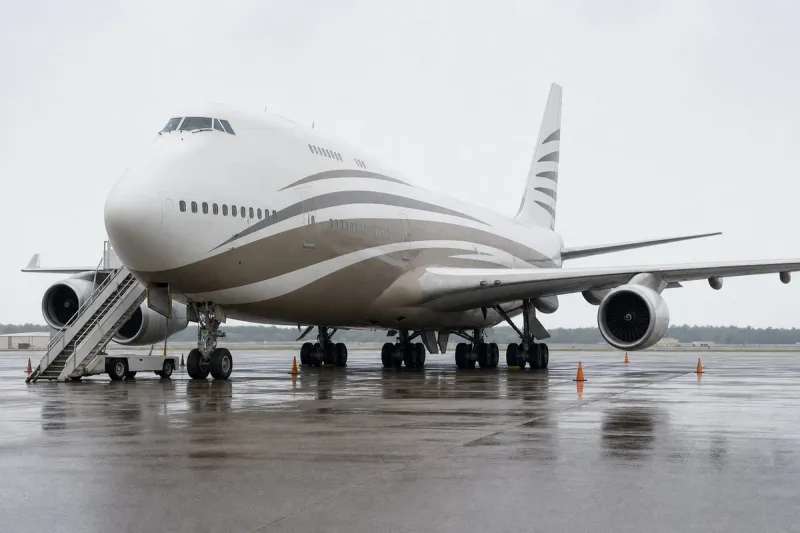
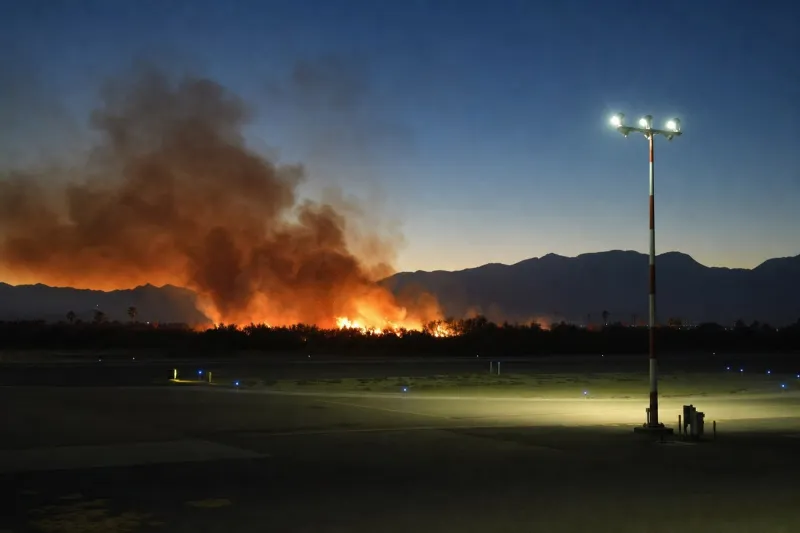
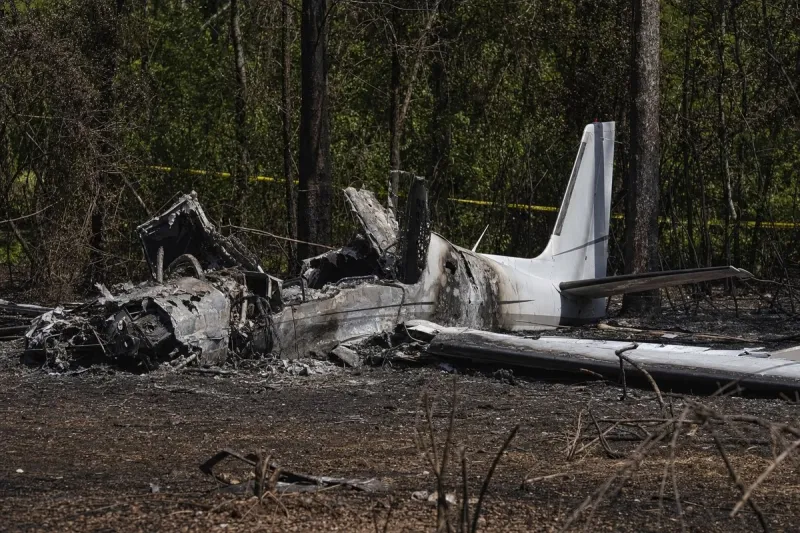
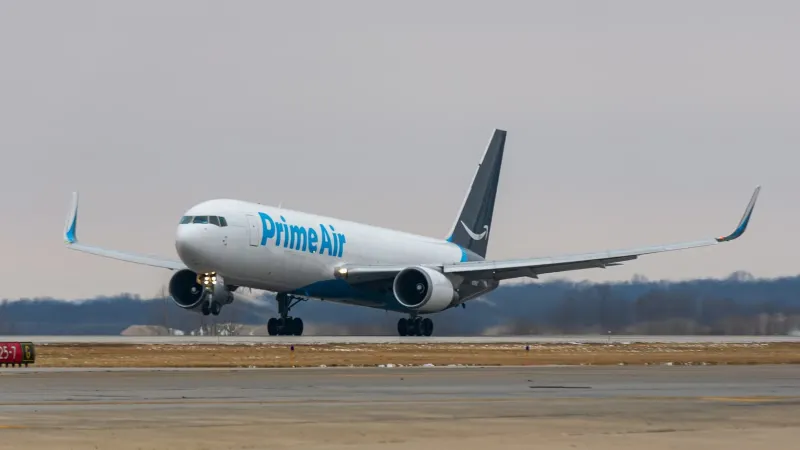
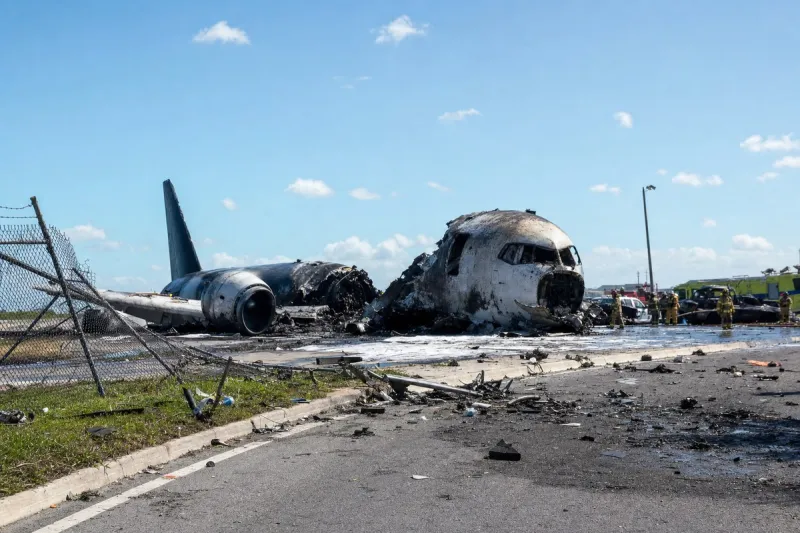
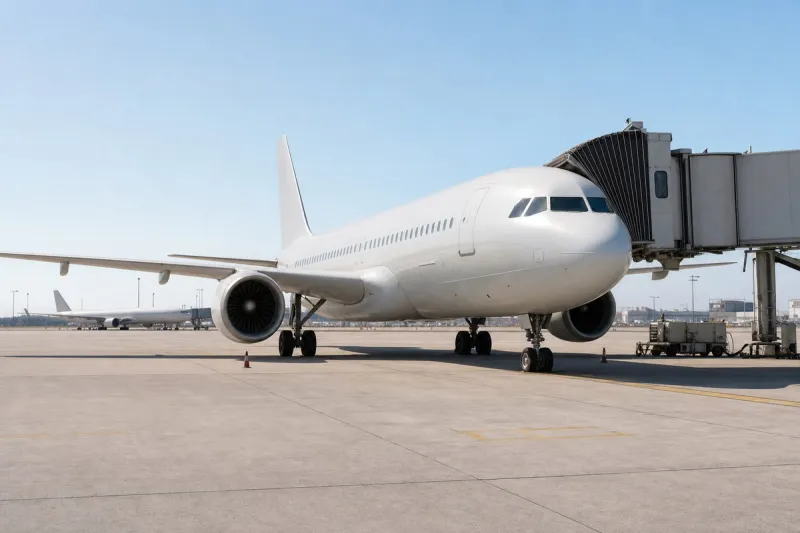
Five people died and five others were injured after a Boeing 767-300F bearing Amazon Prime Air livery overran the runway at Miami International Airport (MIA) on Sunday afternoon, triggering heavy flames and smoke. The aircraft, registered N1997A and operated by 21 Air — an all-cargo airline based in North Carolina — was conducting flight 7598 from Luis Muñoz Marín International Airport (SJU) in Puerto Rico. It departed SJU at 11:42 AM local time and landed on Runway 30 at MIA at approximately 1:54 PM. The Federal Aviation Administration (FAA) confirmed the aircraft overran the runway at around 2 PM local time.
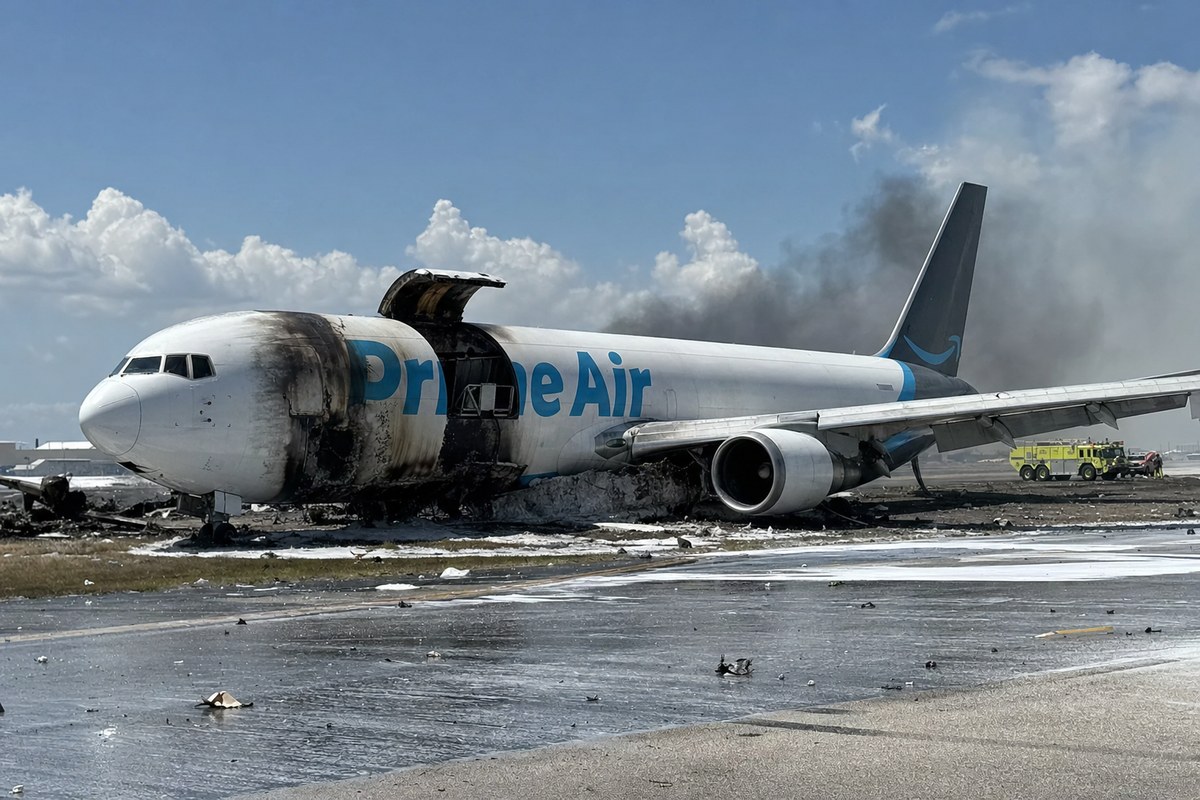
Flight data indicates the plane touched down at approximately 196 miles per hour (170 knots), significantly above the typical landing speed of 135 to 140 knots for a 767-300F. The aircraft was still traveling at around 130 miles per hour (112 knots) when it left the runway. Air traffic control audio indicated the pilots did not declare any emergency or aircraft problems prior to landing. The cause of the abnormally high landing speed has not been confirmed.
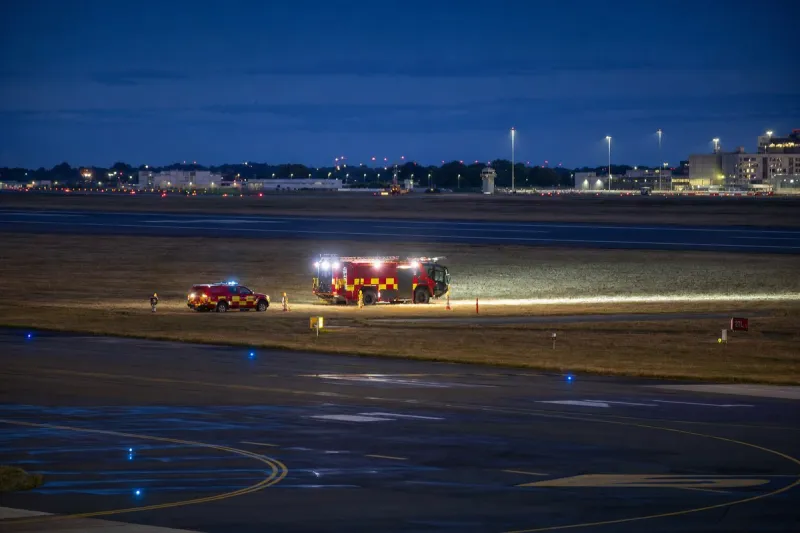
The runway excursion caused the aircraft to strike multiple vehicles near the airport perimeter. Miami-Dade Fire Rescue deployed more than 60 units to the scene and confirmed at approximately 3:30 PM that firefighters were working to extinguish the fire and assess patients. Three of the five injured sustained critical injuries. MIA implemented a ground stop following the incident, and the FAA said it is sending investigators to the scene. Amazon confirmed the incident in a statement, saying the company is "still gathering details" and is "working closely with local authorities and officials to understand exactly what happened."
N1997A is a 32-year-old airframe with a history as a passenger aircraft before transitioning to cargo operations. It was transferred to Atlas Air in 2015 and began flying for Amazon Air on behalf of Atlas Air in 2016. In 2025 it transferred to 21 Air, which operates a fleet of 11 Boeing 767-300F aircraft, to operate flights jointly for 21 Air and Amazon Air. Amazon rebranded its cargo operation from Amazon Prime Air to Amazon Air in 2017, but the Prime Air logo was never officially removed from the aircraft's livery.
Industry impact & what to watch
Runway excursions tied to excess touchdown speed sit among the more common categories of cargo-freighter accidents, and the pattern here — a landing roughly 30 to 35 knots above the type's typical range with no emergency declared beforehand — points investigators toward the approach and landing phase rather than a pre-existing mechanical failure, though the cause remains formally undetermined. The absence of any declared emergency on the recorded air traffic control audio is itself a data point investigators will weigh alongside flight data recorders and cockpit voice recordings once recovered.
The case also illustrates how leased widebody freighters move between operators and brands with little visible change to the public: N1997A carried Amazon-linked livery through three operating arrangements — Atlas Air, then 21 Air — while the underlying airframe aged to 32 years and the badge on its tail never caught up to the corporate rebrand from Prime Air to Amazon Air. That gap between livery and legal operator is common in cargo aviation, where branded partners contract capacity from carriers like 21 Air rather than flying it themselves, and it means public attention on a branded aircraft does not automatically identify the airline actually responsible for the flight.
The FAA's on-scene investigation, along with any findings on flight data and cockpit recordings, will determine whether the approach speed stemmed from crew, aircraft, or environmental factors. Until investigators release findings, the airframe's age, the operator's fleet history, and the speed discrepancy remain separate facts whose connection has not been established.