NTSB Cites Spatial Disorientation and Pilot Distraction as Cause of Fatal Crash That Killed Three Members of The Nelons
Why It MattersThe case underscores how autopilot disconnects during convective activity can compound into fatal loss-of-control events when pilots operating in instrument conditions must simultaneously manage a system failure and disorientation risk.
What happened
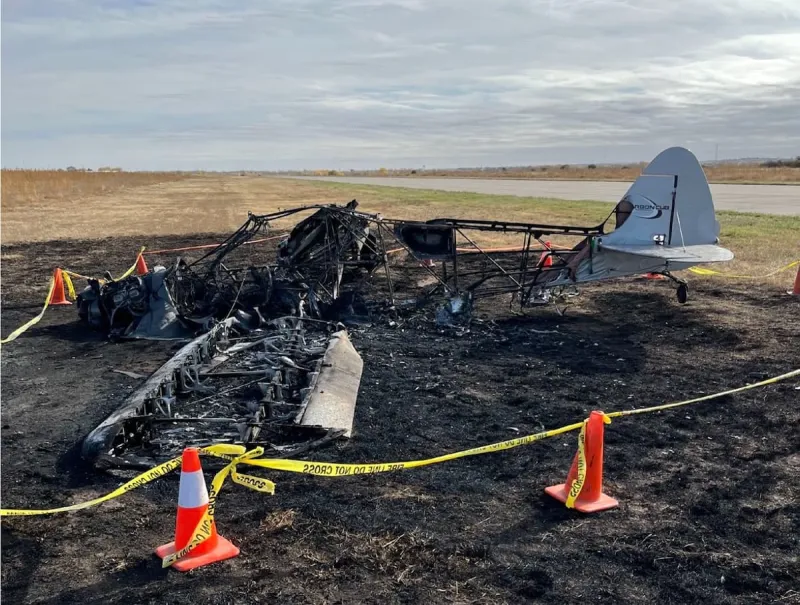
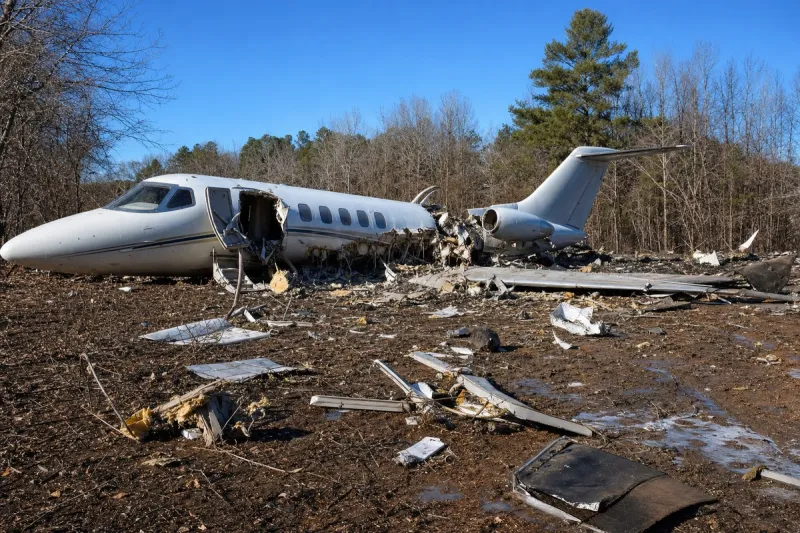
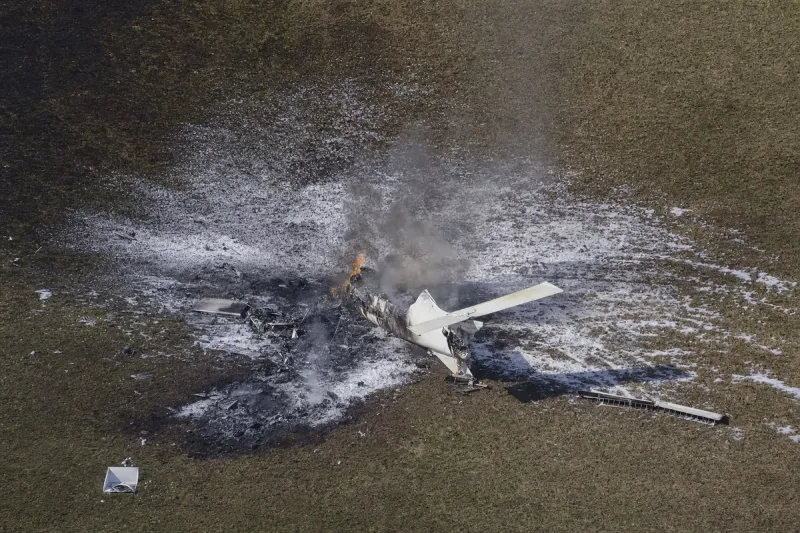
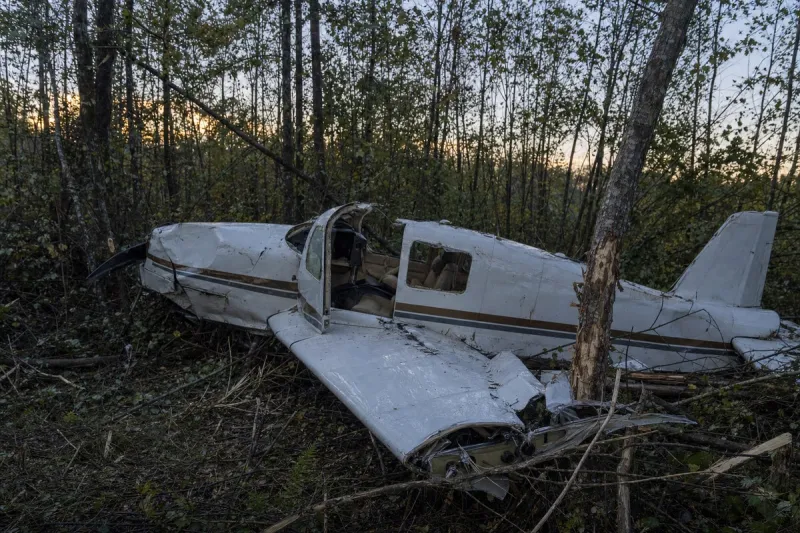
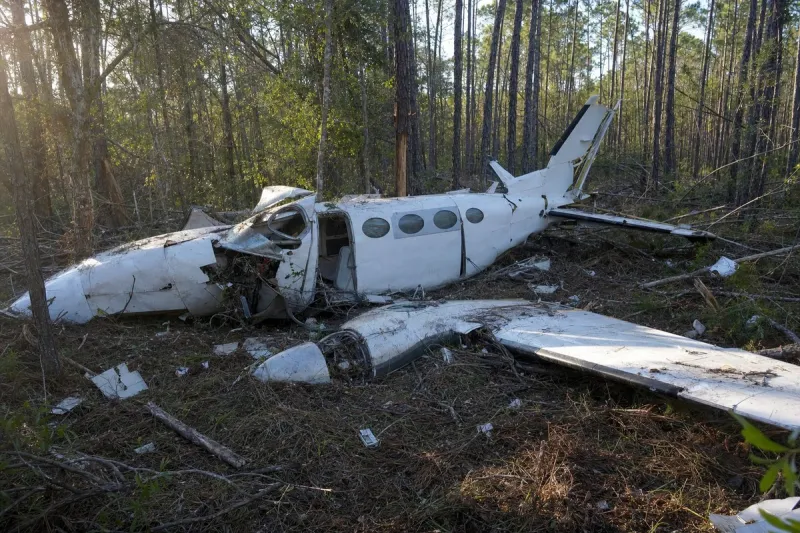
The National Transportation Safety Board released its final report, dated August 26, into the fatal crash that killed three members of the Southern Gospel group The Nelons along with four others in rural Wyoming. Kelly Nelon Clark, her husband Jason Clark, and daughter Amber Nelon Kistler died in the crash, along with Amber's husband Nathan Kistler, the group's assistant Melodi Hodges, pilot Larry Haynie, and his wife Melissa.
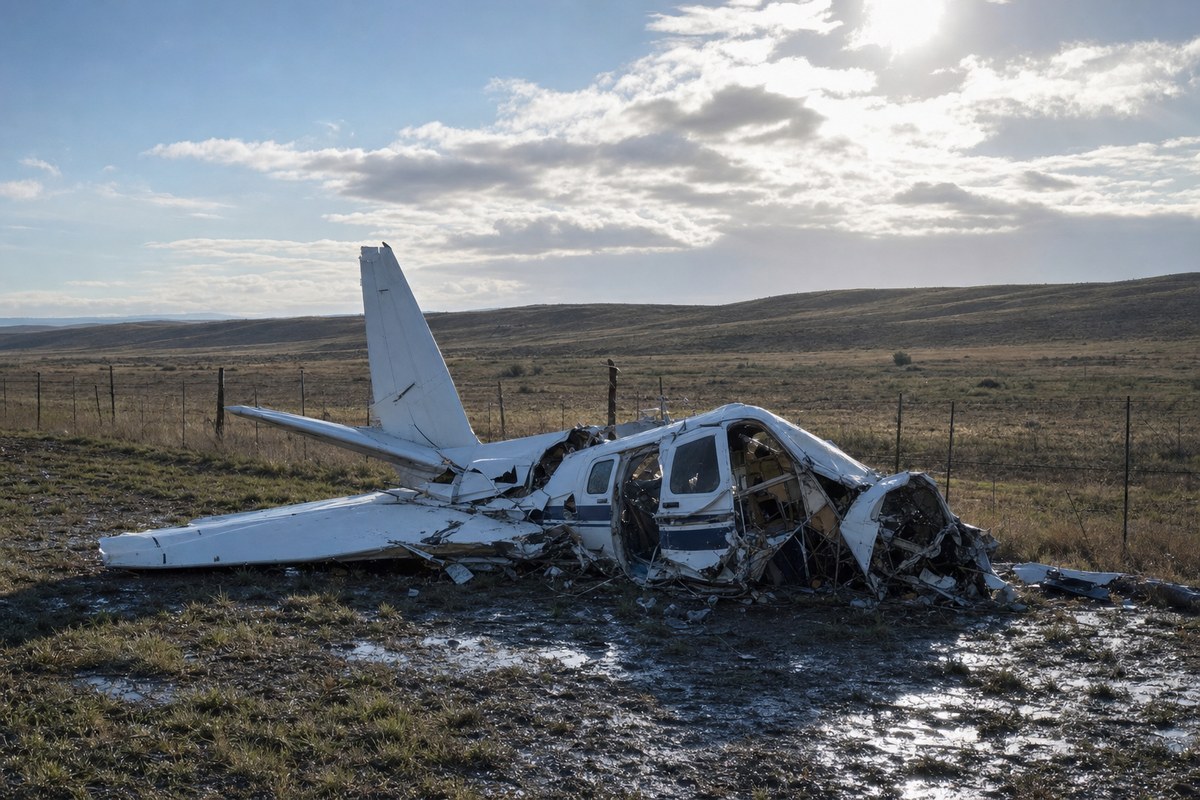
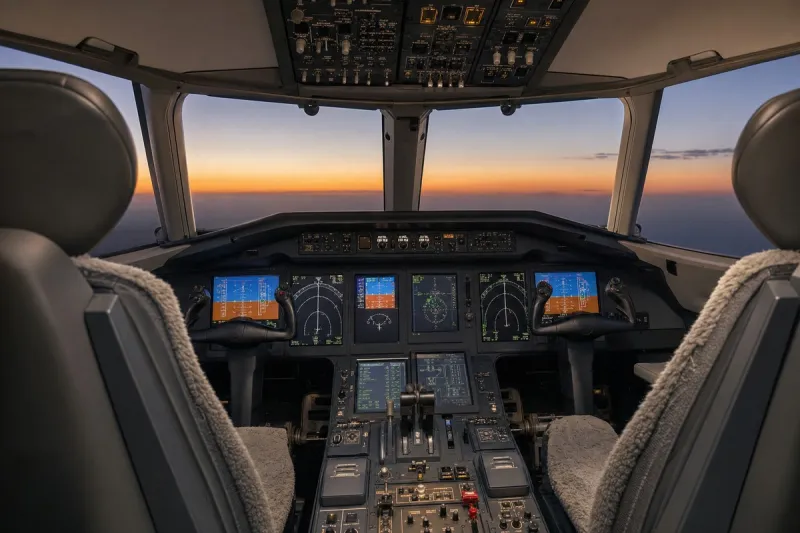
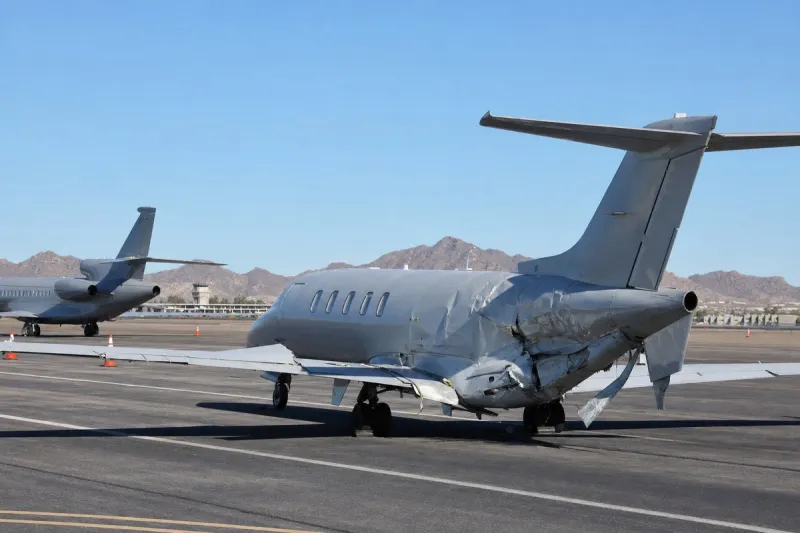
The NTSB determined the probable cause was the pilot's loss of control due to spatial disorientation while operating in instrument meteorological conditions, which resulted in an in-flight breakup. Contributing to the accident was the pilot's distraction caused by the autopilot disconnecting due to an updraft from convective activity. Haynie reported a loss of the autopilot approximately 15 seconds before the airplane entered an area of precipitation and declared an emergency to an air route traffic control center controller. The controller asked the pilot where he wished to land; Haynie responded that he was trying to regain control of the aircraft. That was the last communication received from the pilot.
Investigators found that the flight track during the final two minutes was consistent with the known effects of spatial disorientation, a finding corroborated by flight data, accident site evidence, and witness observations. The family had been en route to Seattle to join the Gaither Homecoming Cruise to Alaska at the time of the crash. Autumn Nelon Streetman, the youngest daughter and fourth member of the group, was not aboard the aircraft; she and her husband Jamie had already arrived in Seattle when they were informed of the accident, and she later returned to the stage to sing at her family's funeral.
Industry impact & what to watch
This crash belongs to a recognized category of general aviation accidents in which an automation disconnect during weather encounters becomes the trigger for spatial disorientation, particularly when a pilot must abruptly shift from monitoring to manual control while also processing an emerging instrument-conditions hazard. The combination named here — an autopilot dropout followed by convective precipitation followed by loss of control — is a sequence investigators have flagged before in single-pilot instrument operations, where the workload spike leaves little margin for recovery.
Instrument flight in convective conditions depends on the autopilot holding attitude and heading while the pilot manages weather avoidance and communication; when that automation fails mid-encounter, the pilot inherits both tasks simultaneously, and the final radio exchange here shows the pilot focused on regaining control rather than selecting a diversion airport. The NTSB's finding that the final two minutes of flight track matched known spatial-disorientation signatures, corroborated by flight data and site evidence, places this within a well-documented failure pattern rather than an isolated anomaly.
What happens next in cases like this typically involves scrutiny of pilot training for unexpected autopilot disconnects in instrument meteorological conditions and of aircraft-specific autopilot reliability under updraft loads, though neither element was detailed in the report as released.