Two killed as Cessna crashes and burns at Montgomery-Gibbs Executive Airport in San Diego
Why It MattersSmall-airport crashes routinely trigger full runway closures and NTSB investigations, underscoring how a single general-aviation accident can halt operations at a regional field regardless of scale.
What happened
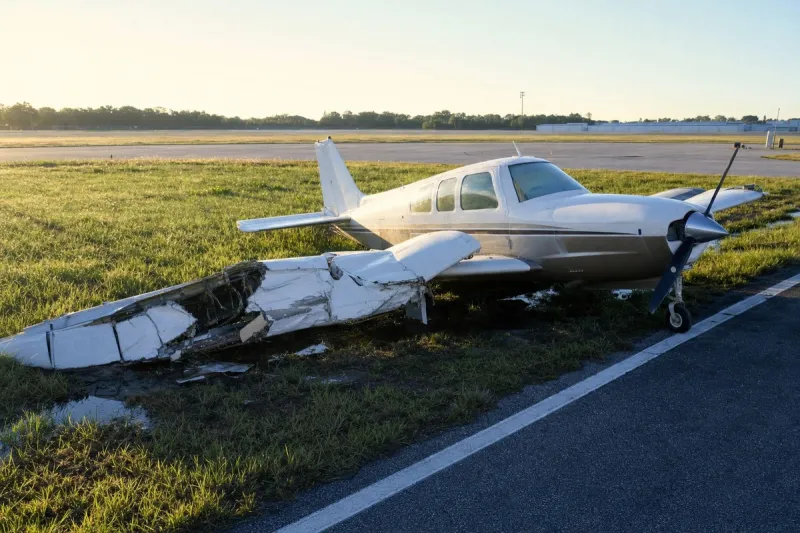
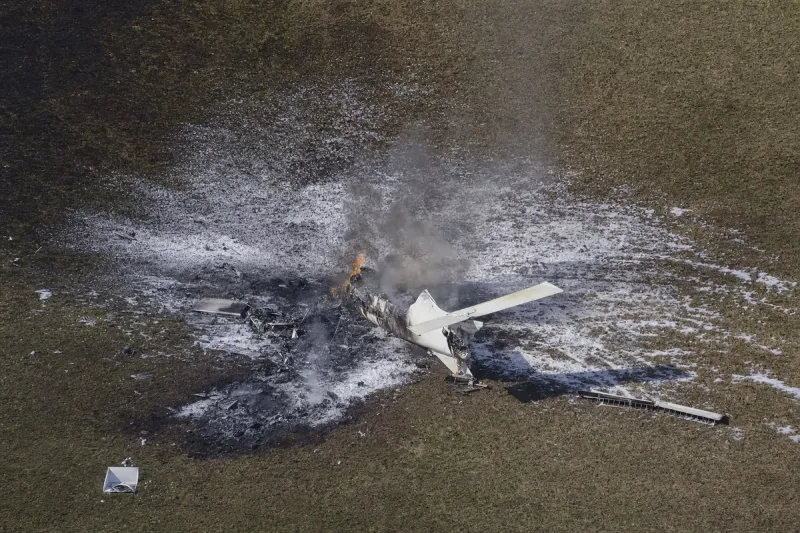
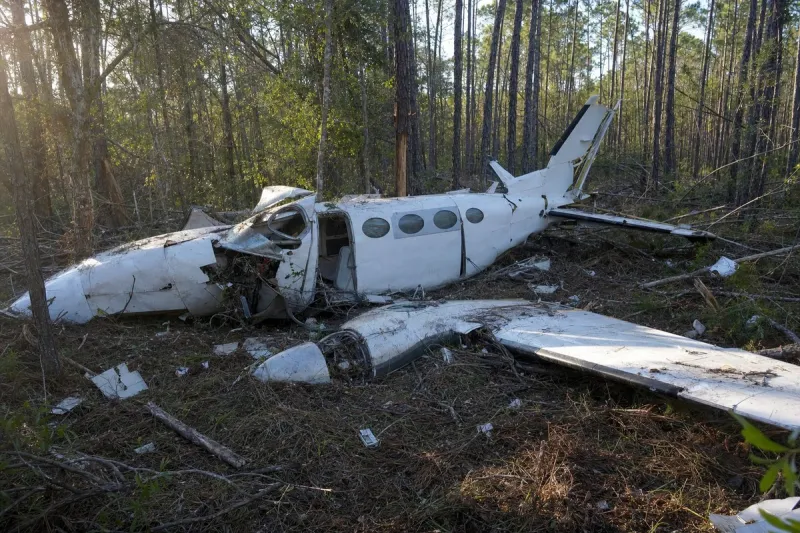
A small Cessna aircraft crashed and caught fire on one of three runways at Montgomery-Gibbs Executive Airport, north of downtown San Diego, on Monday evening, killing both people aboard, the San Diego Fire-Rescue Department confirmed. Officials dispatched approximately 30 firefighters to the scene after being alerted to the crash-landing, and the Federal Aviation Administration immediately closed the airport so crews could extinguish the blaze.
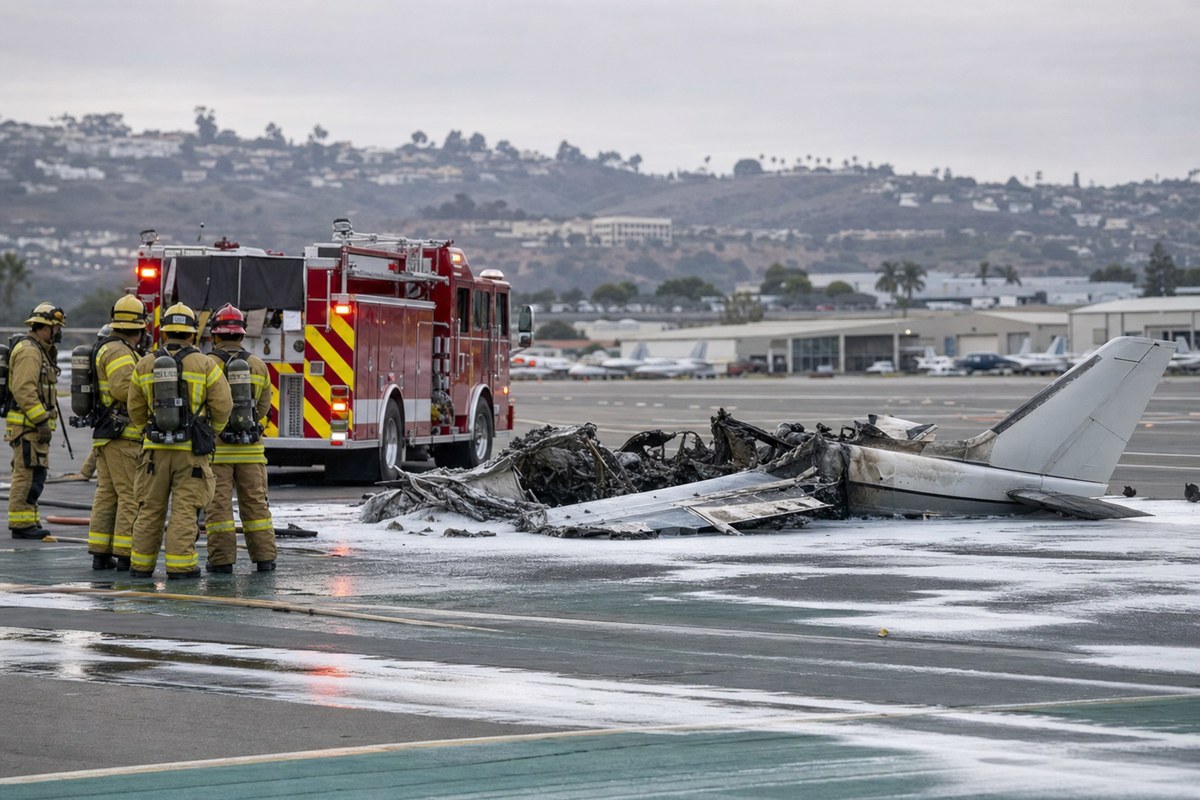
Deputy Fire Chief Brian Raines told reporters at a news conference that the plane was heavily damaged and crews were unable to extricate the two victims. "Our priority is to get in and complete any rescues if possible. In this case, the plane was heavily damaged and we were not able to extricate any of the victims," Raines said. The identities of those killed have not been released.
Firefighters brought the fire under control but continued working on an active fuel leak, and fire officials said a contractor was en route to clean up jet fuel from the runway. It remains unclear whether the aircraft was taking off or landing at the time of the crash. The National Transportation Safety Board has been notified and will investigate, and federal officials will also determine when the airport can reopen.
Industry impact & what to watch
General-aviation accidents at community airports like Montgomery-Gibbs carry outsized operational consequences: a single aircraft down on one runway can force a full field closure, halt traffic, and require a hazardous-materials cleanup before normal movements resume. The uncertainty over whether the aircraft was landing or departing is typical of early-stage crash reporting, where phase of flight, mechanical condition, and pilot actions all remain unknown until investigators examine wreckage and any recorded data.
The NTSB's involvement sets the timeline for what happens next: a preliminary report typically follows within weeks, while a full determination of cause can take considerably longer. Until federal officials clear the runway and the airport reopens, the practical question for nearby operators and pilots is when access resumes, which rests on completion of the fuel-leak cleanup and the FAA's own assessment of the field.