Argentina Airport Strike to Disrupt Flights at 27 Airports on September 3–4
Why It MattersThe dispute shows how essential-service rules can cap disruption during aviation labor actions, forcing delays rather than mass cancellations while still straining schedules at high-traffic hubs.
What happened
A 48-hour strike by civil aviation workers in Argentina is set to disrupt operations at 27 of the country's roughly 40 commercial airports on Thursday, September 3, and Friday, September 4. The action was called by workers employed under Argentina's National Civil Aviation Administration (ANAC), organized through the State Workers Association (ATE), over a salary and funding dispute with the national government.
ATE accuses authorities of failing to fully implement agreed pay increases and of delaying payments owed to staff. The union also cites inadequate funding for the airport Rescue and Fire Fighting Service (SSEI) and for inspection and supervision units. The strike is structured as a series of stoppages, assemblies and demonstrations during two daily time windows rather than a continuous shutdown, with airports expected to operate closer to normal outside those hours, though knock-on delays may persist throughout the day.
Affected airports include Ministro Pistarini International Airport in Ezeiza near Buenos Aires and Jorge Newbery Airport in the Aeroparque district, along with regional hubs in Córdoba, Mendoza, Bariloche and Iguazú. Participants include ground traffic coordinators, airport firefighters, health and emergency personnel, safety inspectors and administrative workers; air traffic controllers, pilots and cabin crew are not part of the strike call.
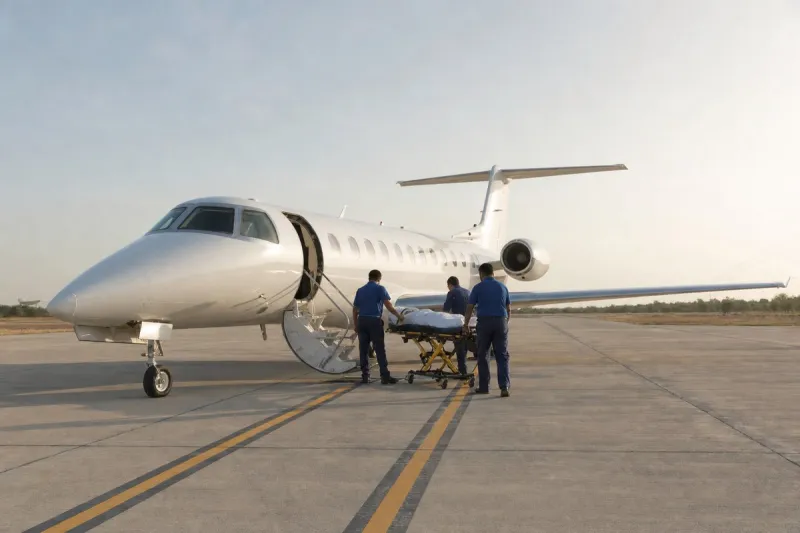
Because civil aviation is classified as an essential service in Argentina, authorities have indicated that at least 75 percent of normal services must be maintained during the strike windows. During stoppage hours, priority will be given to medical evacuations, humanitarian missions, organ transport and official flights. Airlines operating in Argentina have begun issuing advisories urging passengers to monitor flight status closely and have offered limited rebooking flexibility on some routes.
Industry impact & what to watch
Labor disputes tied to government pay and funding commitments recur across state-run aviation services, and the essential-service classification applied here is a common regulatory lever used to contain fallout: by mandating a minimum service floor, authorities shift the likely outcome from mass cancellations toward scattered delays concentrated around the declared strike windows.
This works because the affected roles — ground coordinators, firefighters, safety inspectors, administrative staff — are operationally necessary but not the flight-critical functions of air traffic control or cockpit crew, both of which remain outside this strike call. That separation is why analysts expect delays rather than widespread cancellations, even as targeted cancellations stay possible at the busiest airports like Ezeiza and Aeroparque.
What happens next depends on whether the government moves on the pay increases and SSEI/inspection funding ATE says have gone unmet; if those issues remain unresolved, further stoppages at the same or additional airports become the mechanism to watch, alongside how airlines' rebooking flexibility holds up once the two-day window closes.