Pilot Nearly Flies Into Mountain During Unexpected Lunar Eclipse, Survives by Trusting Autopilot
Why It MattersThe episode underscores that in general aviation, automation and instrument proficiency—not raw flight hours—are what determine whether spatial disorientation at night becomes survivable.
What happened
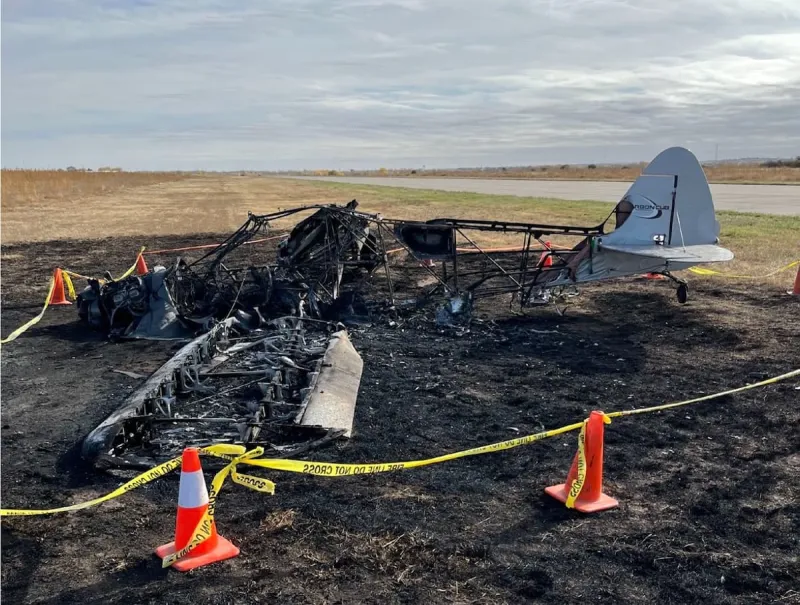
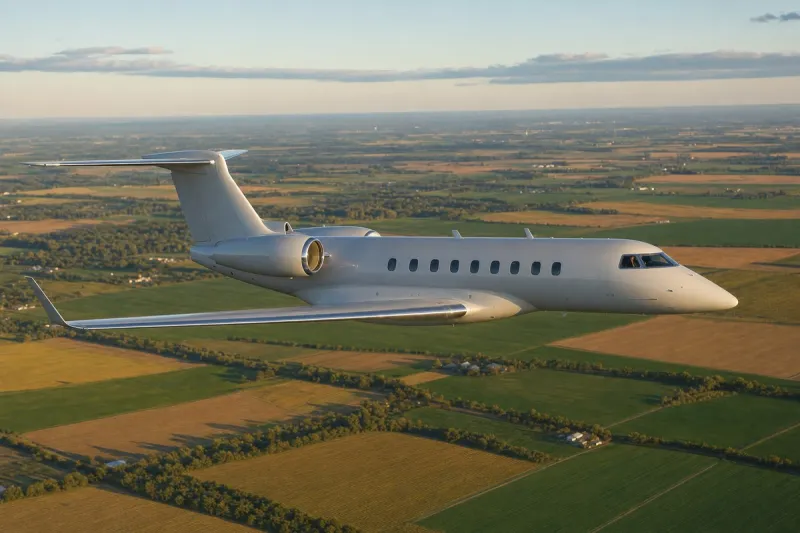
David Segel, founder and president of London-based Mako Group and a feature and documentary filmmaker, has recounted nearly flying into a mountain at night after experiencing sudden and complete spatial disorientation triggered by an unexpected lunar eclipse. Segel is a 2,000-hour private pilot holding instrument and tailwheel endorsements, and flies a Bonanza F33A and a Carbon Cub FX3 out of Alpine Airpark (46U) in Wyoming.
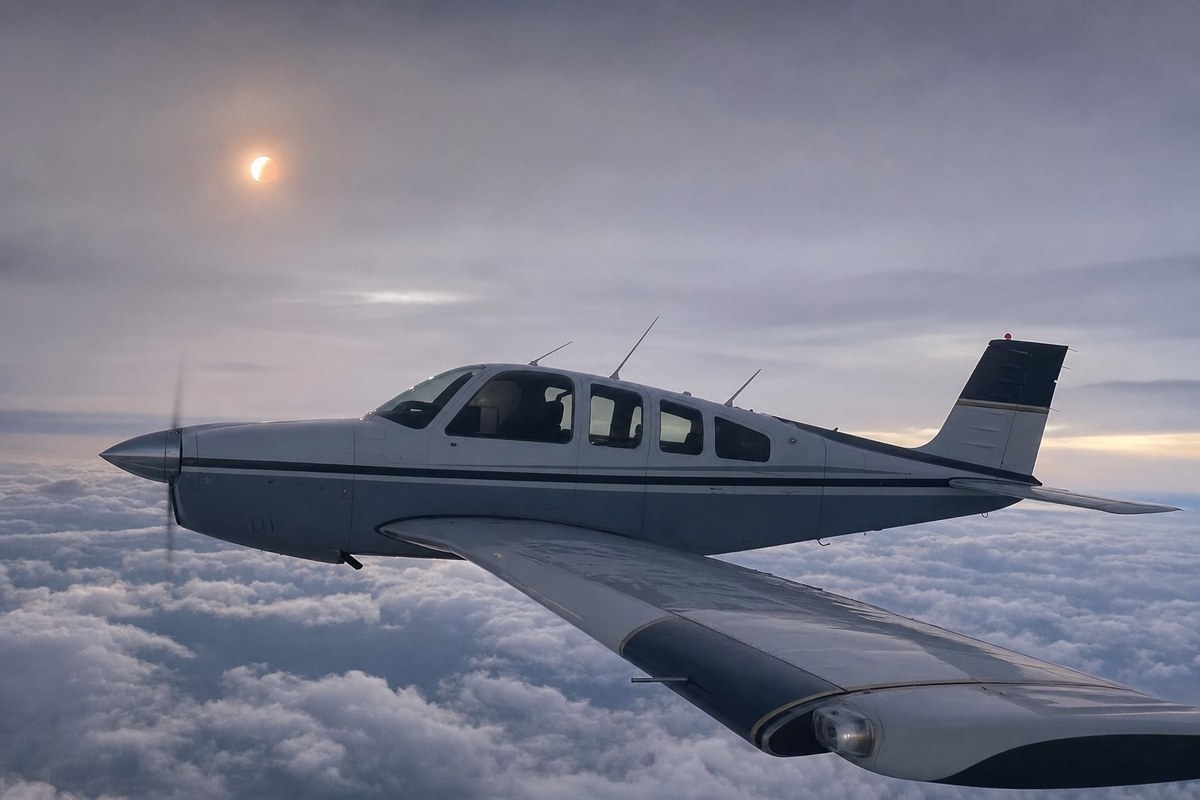
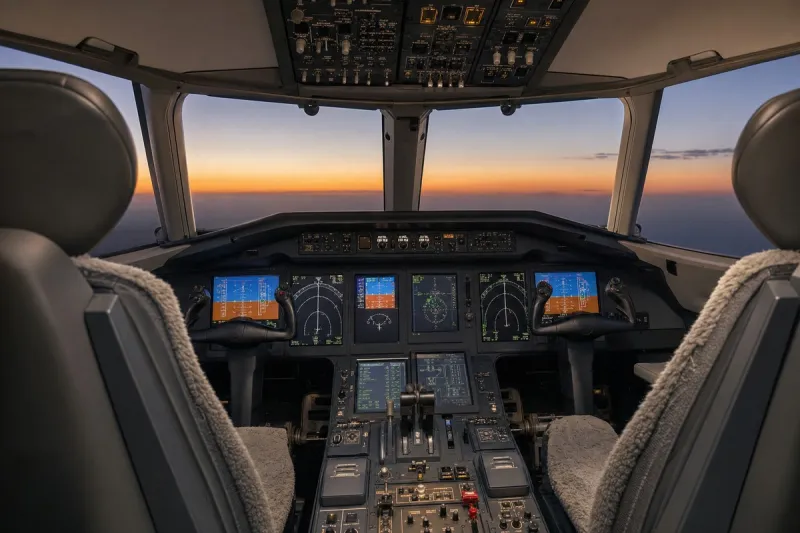
Segel says his survival depended not on his flight experience or ratings but on trusting the aircraft's autopilot — which he refers to as "the blue button" — and its instruments, rather than following his instinct to hand-fly against the automation's correct inputs.
From the incident, Segel draws three lessons: spatial disorientation is a real and dangerous threat even for experienced pilots; the autopilot is a critical safety tool; and instrument proficiency is essential regardless of flight conditions.
Industry impact & what to watch
This account fits a broader category of general-aviation loss-of-control incidents where an unusual visual cue at night — here, a lunar eclipse — removes the horizon reference pilots normally rely on, producing spatial disorientation faster than a pilot can consciously recognize it. In such moments, the aircraft's own instruments and autopilot logic can be more reliable than a disoriented pilot's sensory judgment, which is why Segel's account centers on trusting the automation rather than overriding it.
For the private and owner-flown segment of general aviation, this is a reminder that hours logged and ratings held do not by themselves guarantee a safe outcome; recurrent instrument proficiency and familiarity with the autopilot's behavior in degraded visual conditions are what convert a dangerous moment into a survivable one. Segel's own framing — that his ratings mattered less than his willingness to trust the aircraft's systems — points to instrument currency and autopilot literacy as the practical variables that matter most in these events.