Cirrus CAPS Reaches 151 Saves and 303 Survivors After Brazil In-Flight Fire Deployment
Why It MattersThe Brazil deployment reinforces how parachute-equipped piston aircraft rely on documented, altitude-conditioned recovery procedures rather than engine redundancy to convert emergencies into survivable outcomes.
What happened
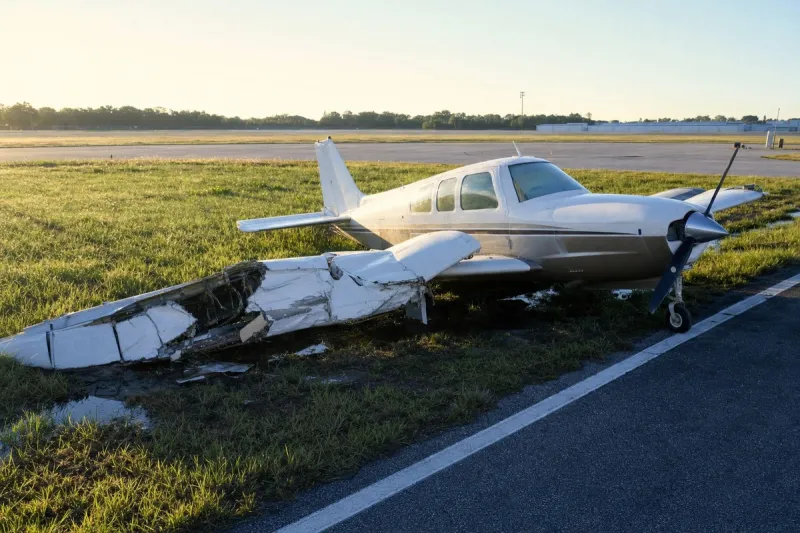
A Cirrus SR22 registered PR-VMI suffered an in-flight engine fire over Minas Gerais, Brazil, on August 25, 2026. The pilot declared an emergency by squawking 7700, executed a descending right turn, and pulled the CAPS handle at approximately 1,500 feet AGL while the engine compartment was visibly on fire.
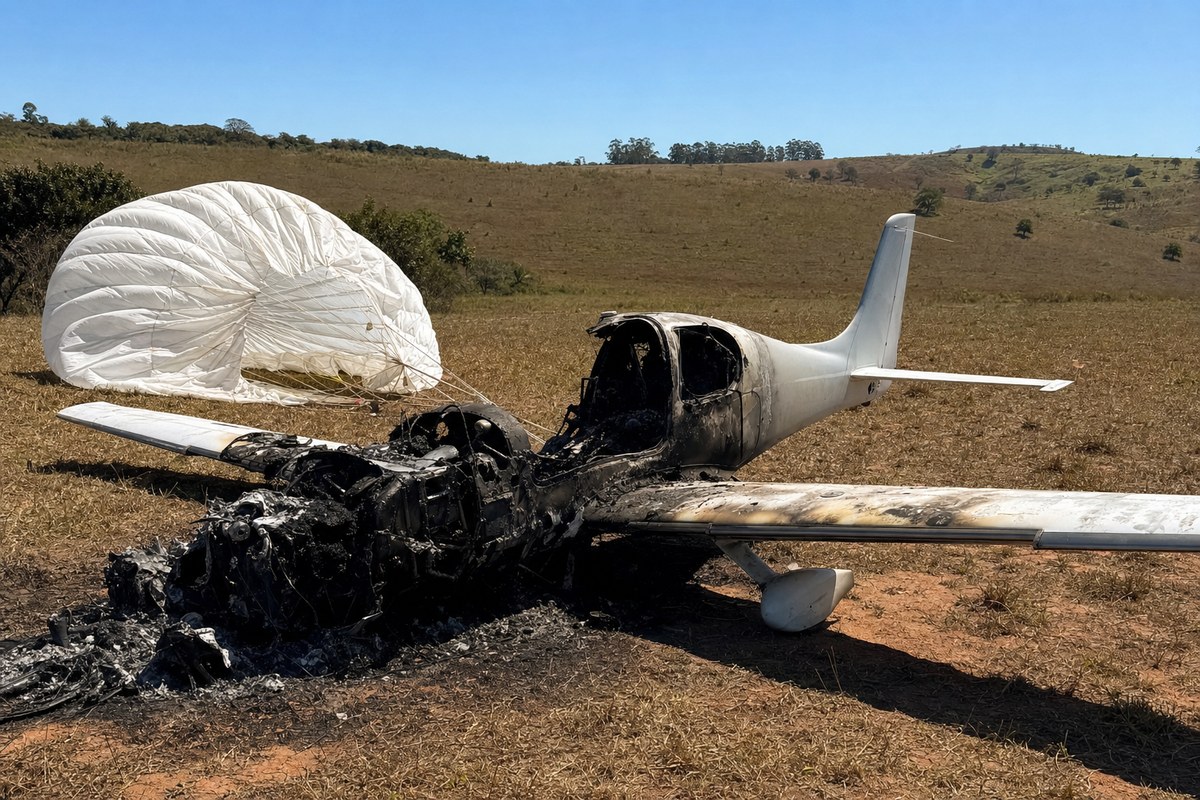
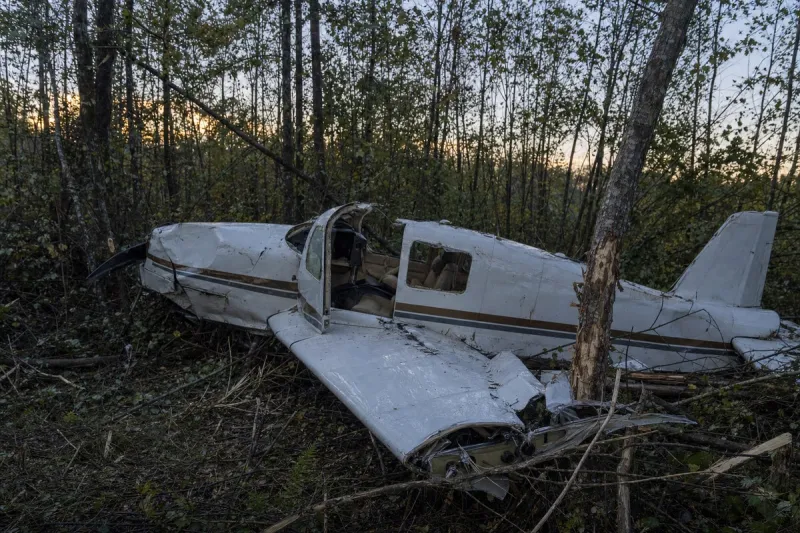
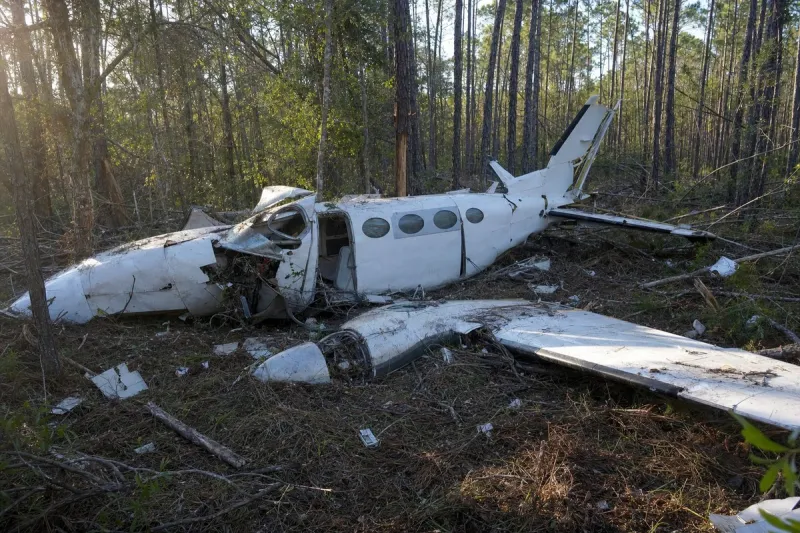
The pilot walked away from the incident and was treated for smoke inhalation. The airframe was destroyed by fire after landing. The deployment was recorded as the 151st successful CAPS deployment, bringing the cumulative tally to 151 saves and 303 survivors across the SR20, SR22, SR22T, and SF50 Vision Jet fleet.
The system's first recorded deployment occurred on October 3, 2002, when a stuck aileron forced an SR22 onto a golf course. According to Cirrus Owners and Pilots Association (COPA) training materials, compliant CAPS deployments made within certified parameters — above roughly 400 feet in level flight and below maximum deployment speed — have produced zero fatalities over 24 years of documented use.
Recent deployments and their limits
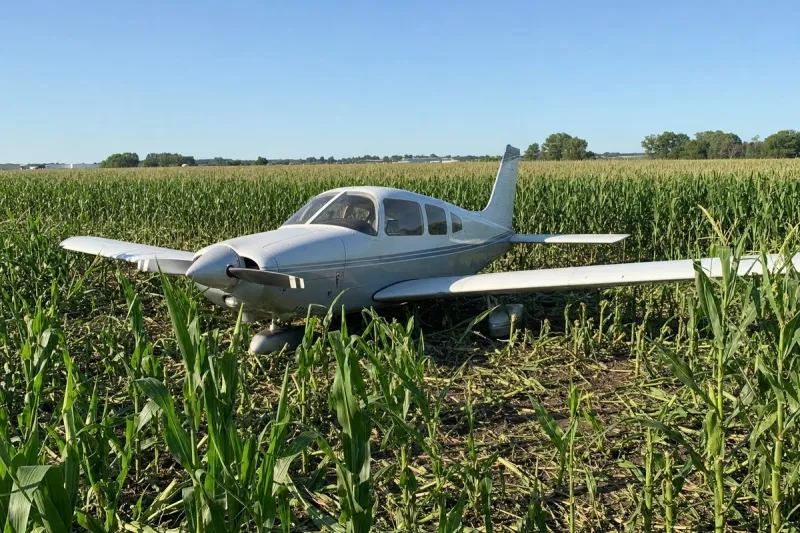
On July 17, a pilot in Latvia pulled CAPS at 700 feet AGL after losing total engine power on a go-around, later crediting a COPA Pilot Proficiency Program session for recognizing that altitude as a pull situation rather than a troubleshooting situation. On April 17, a flight instructor in New Mexico deployed the parachute at 500 feet AGL after an engine failure on climb-out over a residential neighborhood. On April 23, in Kansas, post-landing surface winds gusting to 37 knots dragged a parachute-suspended SR22T.
Two events illustrate the system's constraints. On February 3, 2026, an SR20 came down in Greater Manchester, UK, with the parachute canopy landing draped over a power line tower, leaving the aircraft inverted. In Provo, Utah, in September 2024, both occupants of a Cirrus died after a witness observed the chute beginning to deploy just before ground impact, indicating a pull made too low for full deployment. COPA data identifies engine failure as the most common trigger for CAPS deployment, with icing, loss of control, and in-flight fire also appearing regularly in the event history.
Industry impact & what to watch
This case sits within a broader pattern of piston aircraft emergencies where an onboard recovery system, not an engine restart or a runway, is what separates a survivable outcome from a fatal one. Whole-airframe parachute recovery does not prevent the underlying failure — an engine fire, a stuck control surface, a total power loss — it substitutes a controlled descent for an uncontrolled one, and the Brazil fire event adds another data point to that substitution working as intended.
The segment's safety record depends heavily on pilots making the pull decision inside a narrow altitude and speed window; the Latvia, New Mexico, and Provo cases together show that training and altitude awareness, not the hardware alone, determine whether a deployment falls inside or outside that window. The Manchester and Provo incidents demonstrate that even a correctly triggered or too-late pull can still end in serious damage or death when terrain, obstacles, or deployment timing work against the canopy.
What continues to matter for this fleet is how the cumulative count evolves relative to the underlying trigger causes COPA already tracks — engine failure, icing, loss of control, and fire — since that pattern is what shapes future training emphasis inside programs like the COPA Pilot Proficiency Program.