Two killed as Cirrus SR22 crashes in Kananaskis Country shortly after departing Springbank Airport
Why It MattersRemote-terrain crashes on instrument flights show how weather and access constraints in mountainous regions can delay wreckage recovery and slow the early stages of a safety investigation.
What happened
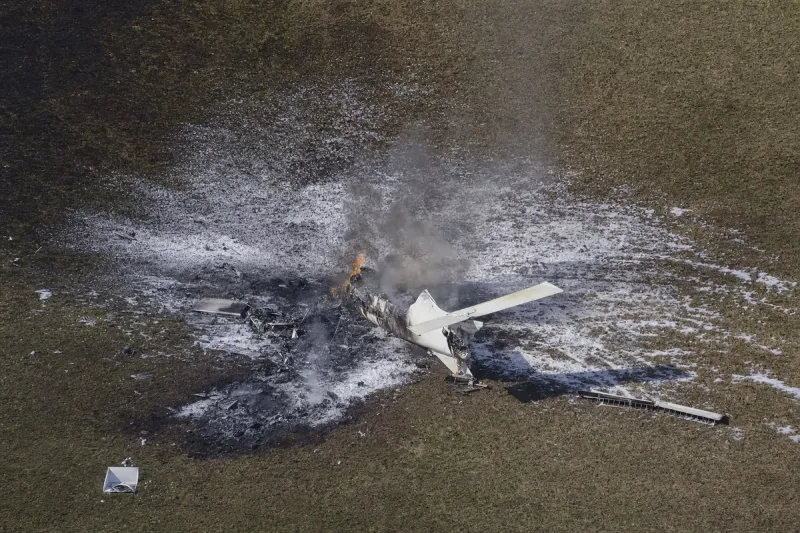
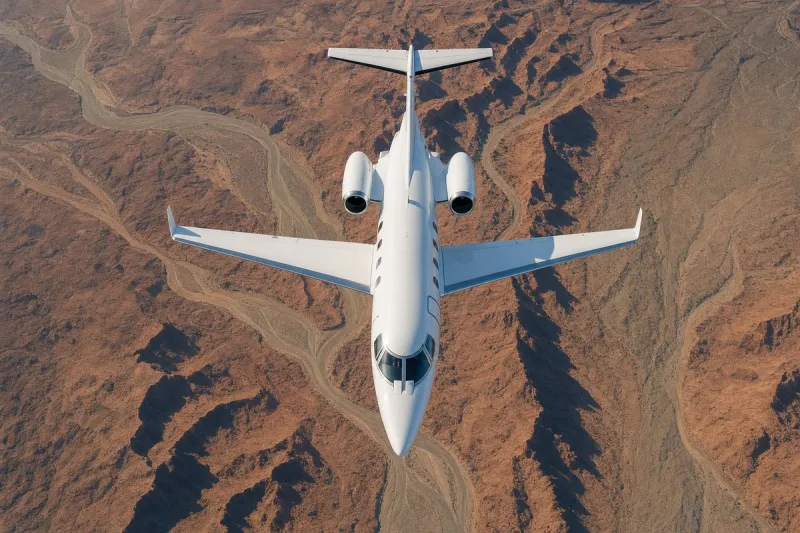
Two people died when a Cirrus SR22 single-engine aircraft crashed in the Mount McDougall area of Kananaskis Country, Alberta, on the morning of Saturday, September 5, 2026. Liam MacDonald, a spokesperson for the Transportation Safety Board of Canada (TSB), said the aircraft departed Springbank Airport, Alberta, just after 8:50 a.m. MT on an instrument flight bound for Campbell River, British Columbia, and impacted terrain approximately 30 nautical miles southwest of the airport at around 9:15 a.m. MT.

RCMP confirmed the two fatalities but did not release further details about the victims, referring additional questions to the TSB, which is leading the investigation. MacDonald said investigators had not yet been able to reach the crash site, citing adverse weather and the remote location as obstacles. Witnesses reported seeing an aircraft spiralling over the Elbow-Sheep Wildland Provincial Park area.
Search and rescue teams and other emergency personnel responded alongside RCMP. STARS spokesperson Blake Robert said a helicopter was dispatched but was not needed and returned to base. The Evan-Thomas day use area and parking lot have been closed while the investigation and recovery operation are underway.
Industry impact & what to watch
A single-engine aircraft going down shortly after departure on an instrument flight plan places this among the incidents investigators examine closely for weather, terrain and flight-path factors together, without any of those being established as cause at this stage. The TSB has confirmed it is leading the inquiry, and its account of the timeline, route and impact point so far represents the only verified detail available.
Recovery in mountainous, weather-affected terrain like Kananaskis Country often takes longer than the initial emergency response itself, since access for investigators can lag well behind the arrival of search and rescue units. That gap between confirming a crash and reaching the site is itself a routine part of how such investigations unfold in remote regions.
What follows will depend on when the TSB can physically reach the site and begin documenting wreckage and instrumentation. Until then, the cause remains undetermined, and the closure of the Evan-Thomas day use area signals that recovery work is still in its early stages.