NTSB: Cessna 150 and State Patrol Bell 407 Were in Radio Contact Before Fatal Pennsylvania Midair Collision
Why It MattersThe case shows that radio contact alone at non-towered fields does not guarantee separation, keeping pattern-entry procedures and pilot visual scanning central to preventing collisions.
What happened
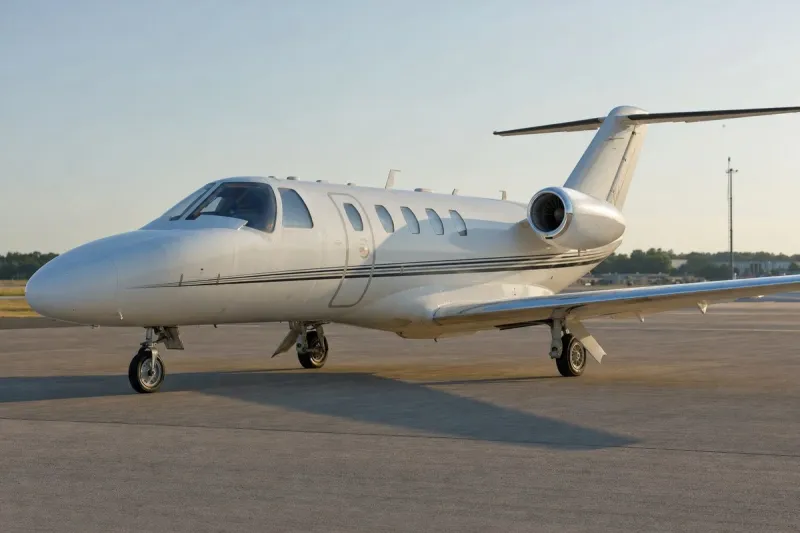
A Cessna 150 and a Pennsylvania State Patrol Bell 407 helicopter collided in midair over Carlisle Airport (N94), west of Harrisburg, Pennsylvania, on August 19, according to a preliminary report released by the National Transportation Safety Board (NTSB). The two aircraft had been in radio contact via the airport's Common Traffic Advisory Frequency (CTAF) beforehand.
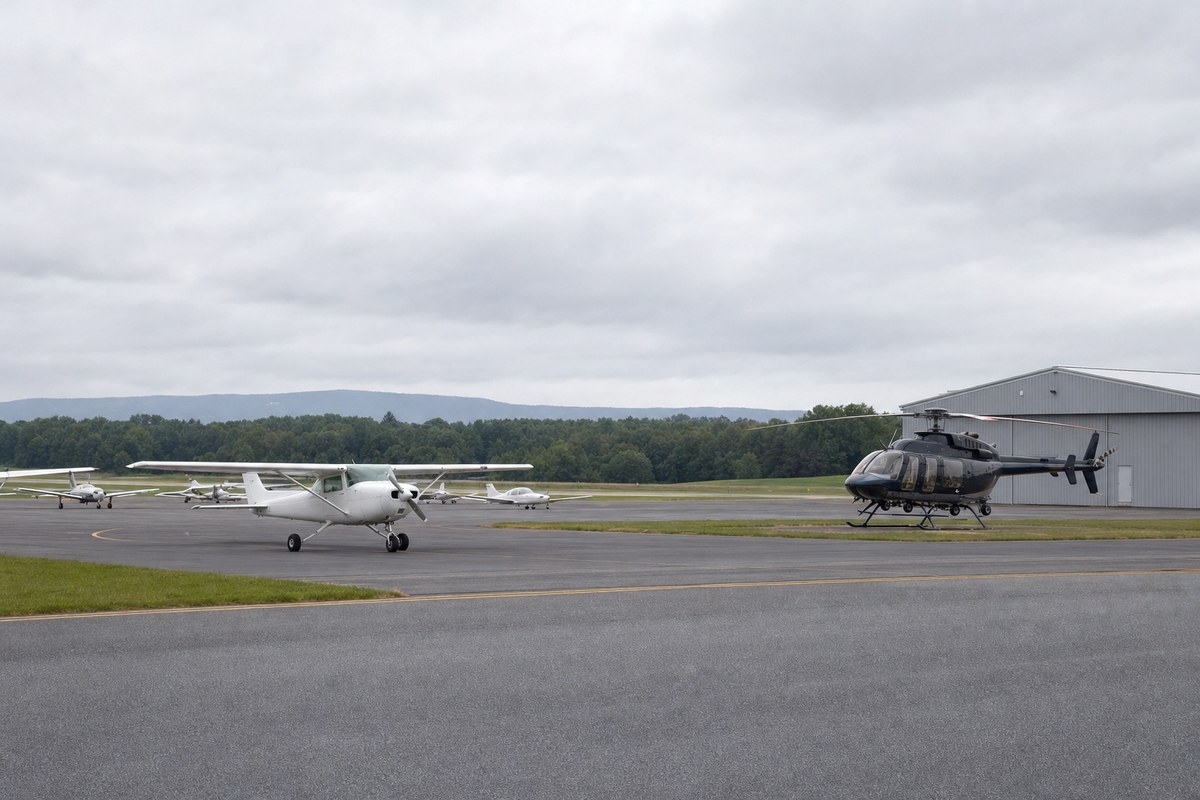
A witness told investigators he heard CTAF communications between the helicopter flight crew and the airplane pilot, in which the helicopter pilot instructed the Cessna to extend its downwind leg. FlightAware records showed the Cessna had come from Harrisburg and was flying pattern laps for Runway 28. Despite the radio exchange, the Cessna struck the Bell 407 while the helicopter was hover-taxiing and the Cessna was on a low approach.
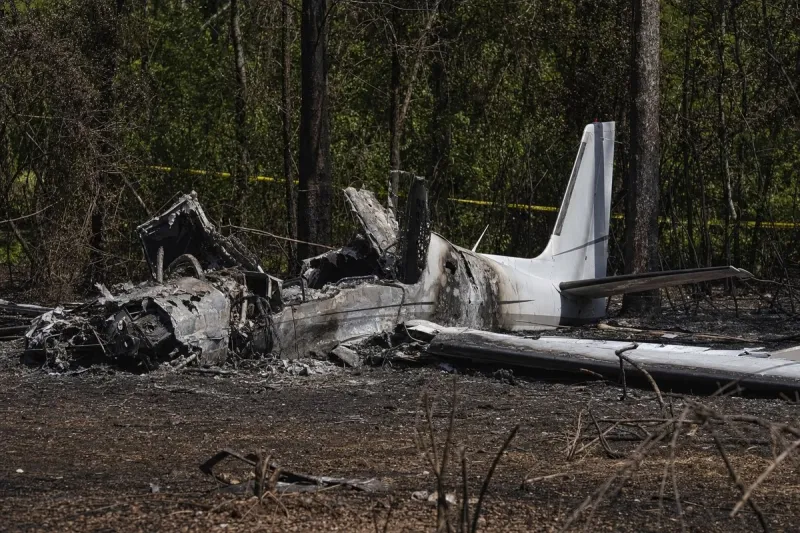
The sole occupant of the Cessna 150 was killed in the collision. The two occupants of the Bell 407 sustained injuries but survived. The collision was captured on multiple security cameras.
The NTSB's preliminary investigation found no evidence of pre-impact mechanical malfunctions in the Cessna. Wreckage and avionics from both aircraft have been retained for further examination.
Industry impact & what to watch
Midair collisions at non-towered airports typically involve a breakdown between radio communication and actual traffic separation — pilots can hear and even respond to a CTAF call and still fail to visually acquire the other aircraft in time. This case fits that pattern: the helicopter crew issued an instruction, the Cessna pilot appears to have continued the pattern, and the aircraft still converged during a low approach.
At fields like Carlisle, where fixed-wing traffic patterns and helicopter ground or hover operations share the same frequency and airspace, separation depends on pilots interpreting and acting on radio calls correctly, not merely exchanging them. The NTSB's retention of wreckage and avionics from both aircraft suggests investigators will examine flight paths, timing, and cockpit workload alongside the communications record to determine why the extended downwind did not prevent the collision.
The final NTSB report, along with any factual data from the retained avionics, will be the next milestone that could clarify what each pilot saw and did in the seconds before impact.