Bahamian and U.S. Forces Search for Four Missing After Piper PA-34 Seneca Disappears on Bahamas-to-Miami Flight
Why It MattersThe case underscores how flight-tracking data on overwater general-aviation flights can reveal an altitude and speed anomaly precisely, even while search-and-rescue outcomes over open water remain far less certain.
What happened
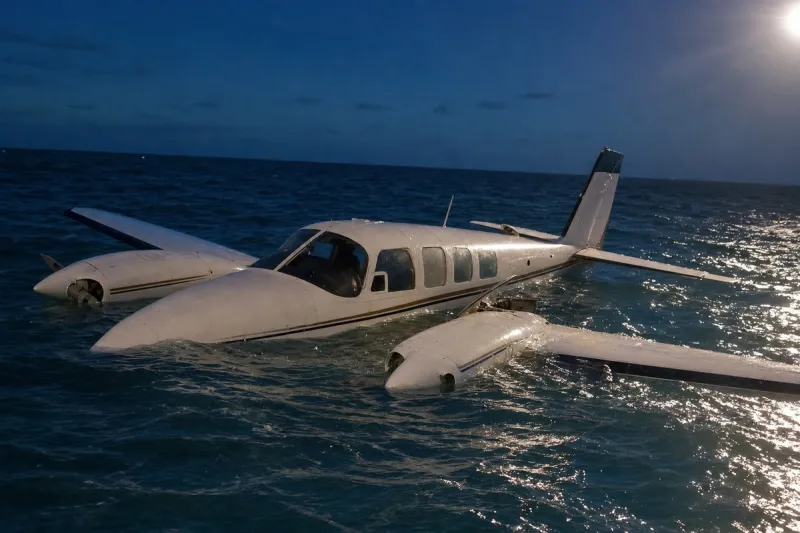
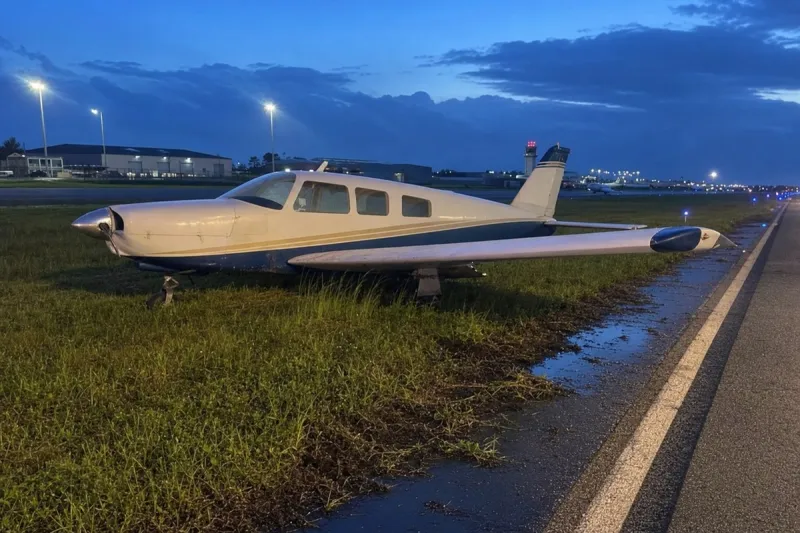
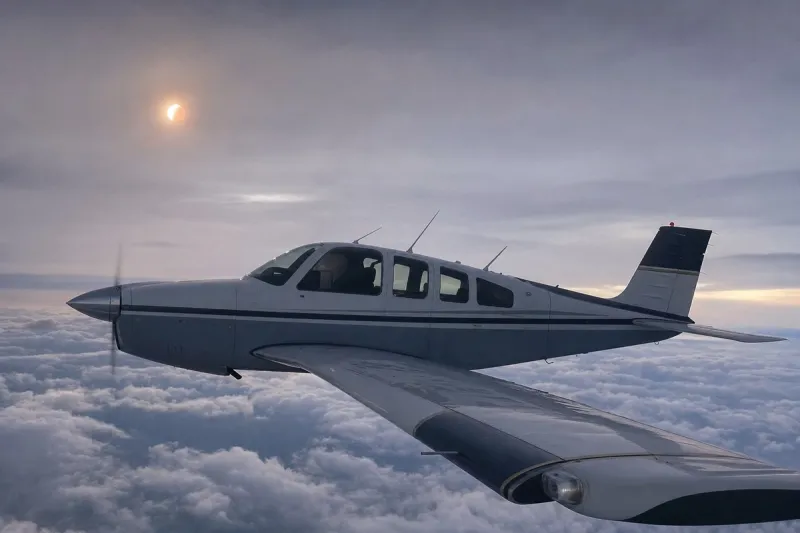
Bahamian and U.S. forces are searching for four people aboard a small private plane that went missing Monday morning on a flight from Great Harbour Cay in the Bahamas to Miami. The aircraft, a Piper PA-34 Seneca, was carrying pilot Mario Lamar, his wife Lili Lamar, and two college-aged grandchildren, Sofia Sosa and Christian Sosa, according to family members.

FlightAware data showed the plane's speed fluctuating rapidly at around 11 a.m., before its altitude dropped from approximately 10,000 feet to 3,700 feet within three minutes. The aircraft's flight path also looped in a circle before contact was lost.
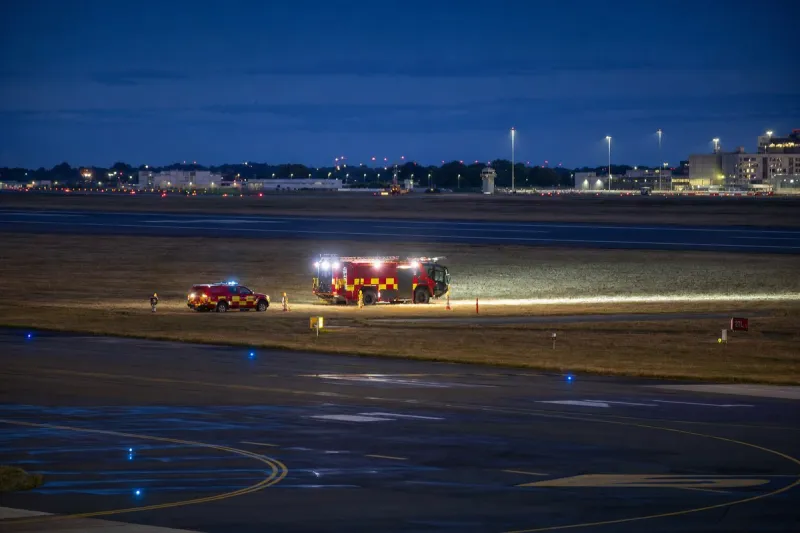
The U.S. Coast Guard is assisting the Royal Bahamas Defence Force in the search. As of 5 p.m., the Defence Force reported that the search had "yielded negative results."
Industry impact & what to watch
This is a category of incident familiar to general aviation over water: a light twin on a routine island-to-mainland routing loses contact after an unexplained rapid descent, and the ensuing search hinges on last-known tracking data rather than radar coverage, which thins out over the open ocean between the Bahamas and Florida. The Coast Guard's role alongside the Royal Bahamas Defence Force reflects the standard cross-border arrangement for overwater search and rescue in that corridor.
The next concrete markers will be whether the Defence Force or Coast Guard extends or narrows the search area, and whether any wreckage, debris, or an emergency locator transmitter signal is recovered. Until then, the FlightAware-derived altitude and speed data remains the only documented account of the flight's final minutes.