Dutch Safety Board backs UN calls to keep commercial aircraft away from conflict zones
Why It MattersThe case shows that open-airspace status alone cannot signal safety, pushing the burden onto national threat-sharing frameworks and airline risk judgment ahead of binding international flight-ban rules.
What happened
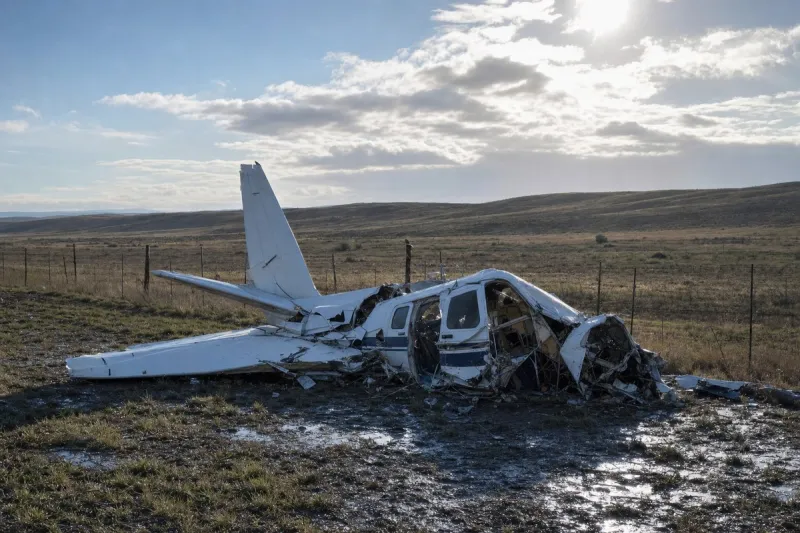
The Dutch Safety Board has backed United Nations calls for passenger aircraft to avoid active conflict zones, publishing findings that build on its investigation into Malaysia Airlines flight MH17, shot down over eastern Ukraine in 2014. The UN has also pointed to Ukraine International Airlines flight PS752, downed near Tehran in 2020, as a comparable case. In both incidents the aircraft were flying through airspace that remained formally open at the time, which the Board says exposed a gap between official airspace status and actual threat levels.
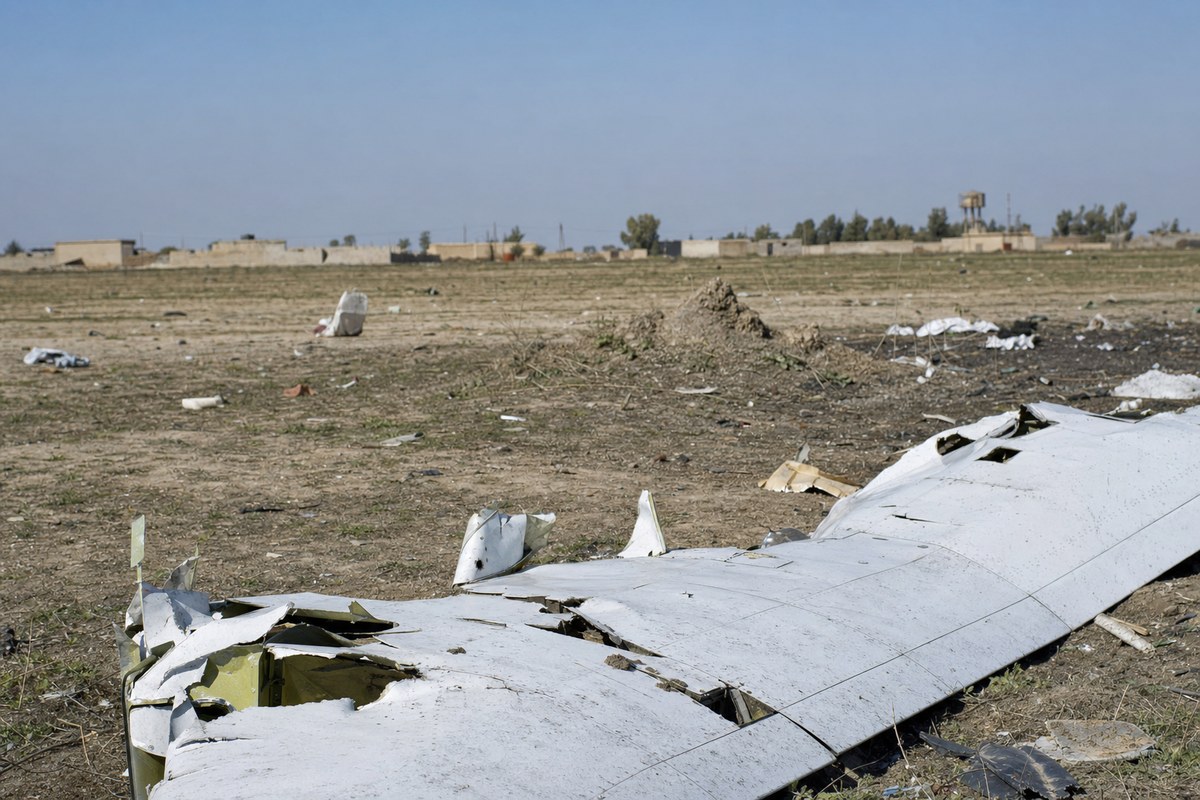
The Board concluded that states rarely close their airspace pre-emptively even when military activity intensifies, and it has called for tighter international rules requiring states facing serious conflict to shut all or part of their airspace to civil flights. It also wants improved risk assessment methods that give greater weight to low-probability but catastrophic scenarios, such as attacks by powerful surface-to-air missiles.
In response to the MH17 findings, the Netherlands set up a framework to share threat intelligence between government bodies and Dutch airlines, letting carriers reassess routes as new information comes in. The Board noted that open airspace over conflict regions is no longer treated as an automatic guarantee of safety, and that Dutch carriers have shown greater willingness to reroute or suspend flights where risk is elevated. It also pointed out that Dutch law still focuses mainly on informing airlines instead of imposing binding flight bans over specific foreign territories, and it has encouraged policymakers to consider mandatory prohibition powers for extreme situations. The Netherlands' National Coordinator for Security and Counterterrorism currently sets the national terrorism threat level at 'substantial,' indicating a realistic risk of an attack, with no specific, imminent threat against Dutch civil aircraft identified in current public reporting.
Industry impact & what to watch
This case belongs to a recurring problem in civil aviation oversight: airspace that is legally open does not always mean it is operationally safe, and MH17 and PS752 are the two events the UN and the Dutch Safety Board keep returning to as proof of that gap. Formal closure decisions sit with states, but the actual flight-path judgment often falls to individual airlines weighing threat intelligence against schedule and cost pressures.
The Dutch framework illustrates how this segment currently manages that gap without binding international rules: government bodies share threat data with carriers, and carriers decide independently whether to reroute or suspend service, a system built on disclosure rather than compulsion. The Board's own findings show this approach has changed airline behavior since MH17, with Dutch carriers now more willing to adjust routes, but it stops short of the mandatory prohibition powers the Board says extreme situations may require.
What happens next depends on whether policymakers act on the Board's call for binding flight-ban authority, and on whether the wider push for international rules on airspace closure over conflict zones gains traction beyond the Netherlands. For travelers, the visible sign of this debate playing out is likely to be longer routes, added refueling stops or suspended destinations, not any change to the underlying threat picture itself.