Climate change set to bring more storm disruptions and turbulence to aviation, experts warn
Why It MattersAs convective weather grows more intense in already congested airspace, carriers face rising fuel, routing and infrastructure costs to preserve reliability rather than a one-off disruption event.
What happened
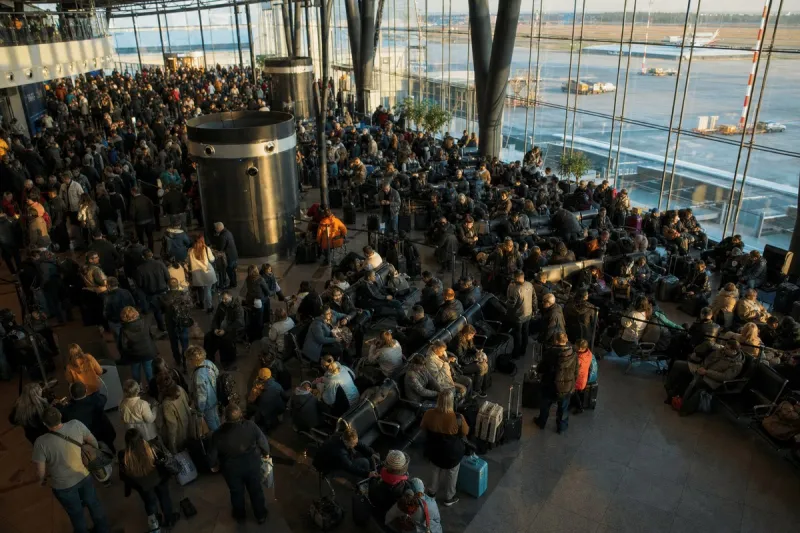
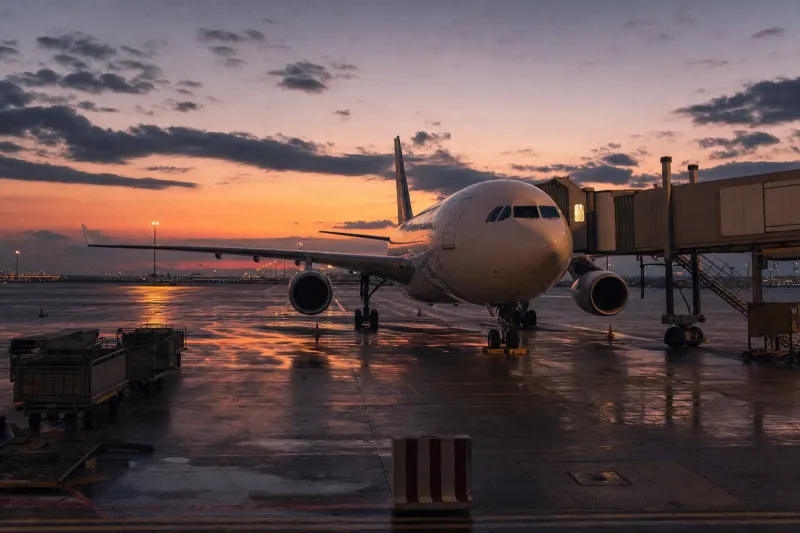
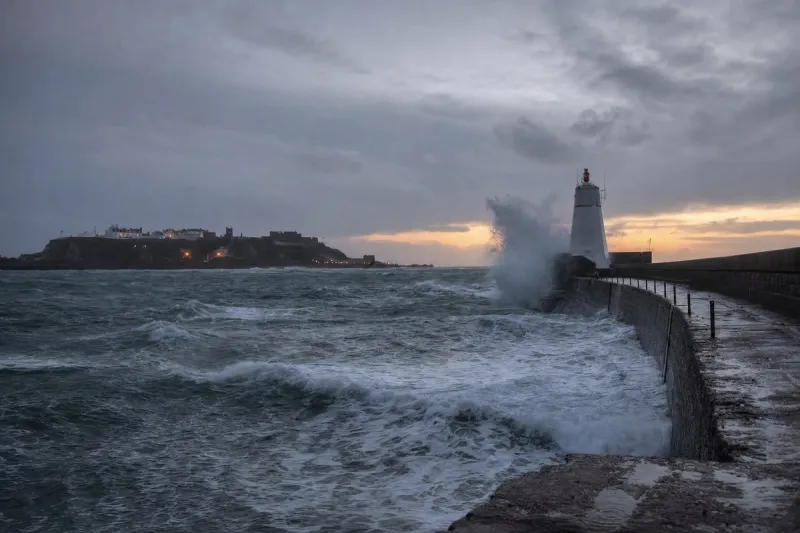
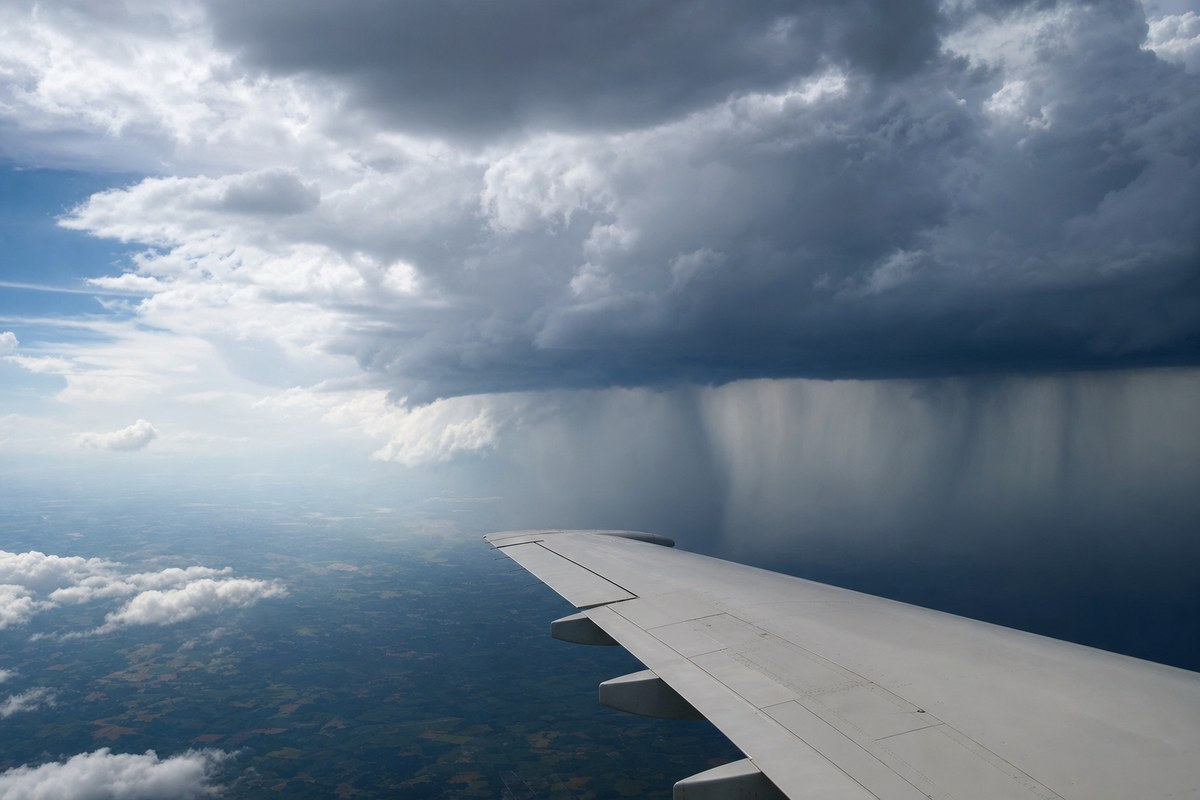
Experts warned that climate change is driving more severe storms and heat that will bring greater flight disruption, higher costs and potentially dangerous situations for aircraft. In late June, during a heatwave, towering thunderclouds over southern England and northern Europe caused approximately 900 flights to and from London's Heathrow and Gatwick airports to be delayed, some by up to 11 hours, as air traffic controllers rerouted aircraft around storms and airspace congestion spread across the region.
Airline risk consultant and former pilot Tim Atkinson said the UK's densely crowded airspace is particularly vulnerable, describing a scenario in which Heathrow, Gatwick, Luton and Stansted could all be affected by storms simultaneously, forcing inbound transatlantic and European flights to search for alternative landing sites with dwindling fuel reserves. Aircraft are legally required to carry enough fuel to reach an alternative airport plus an additional 30 minutes of flying time. Andrew Charlton, a former airline executive who runs Swiss-based consultancy Aviation Advocacy, acknowledged the worst-case risk but said he was "fairly comfortable with the ability of this industry to react well and make good decisions."
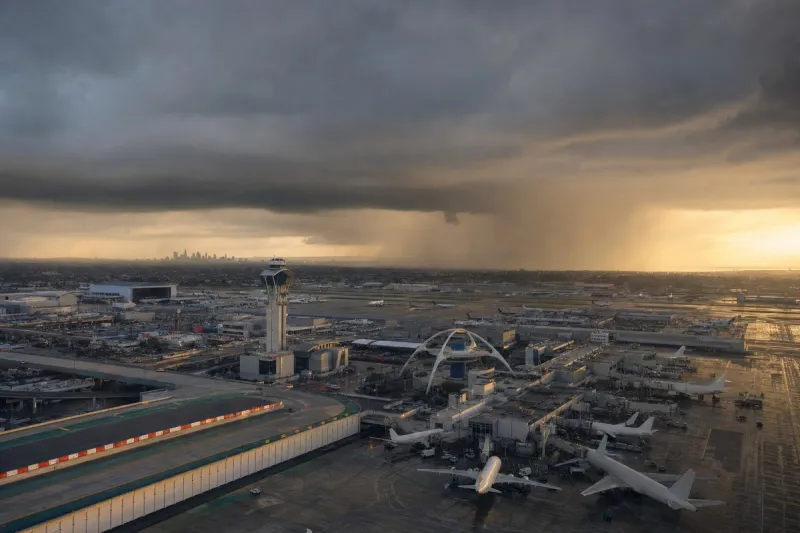
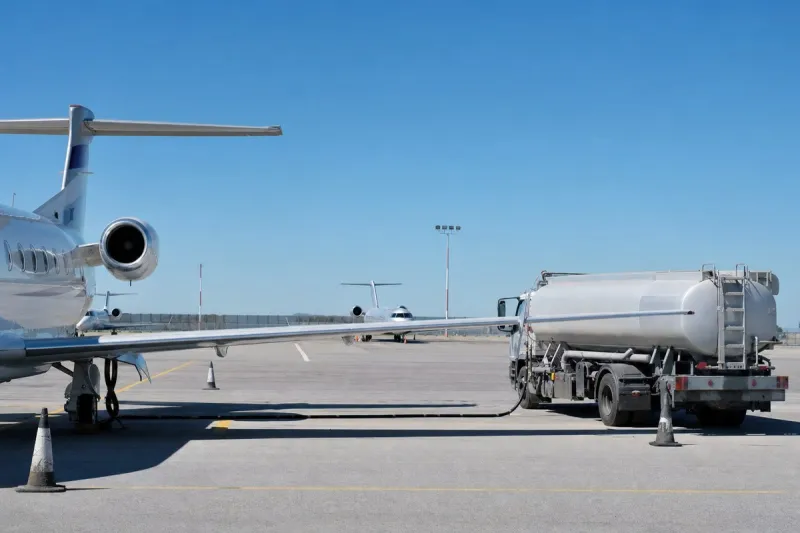
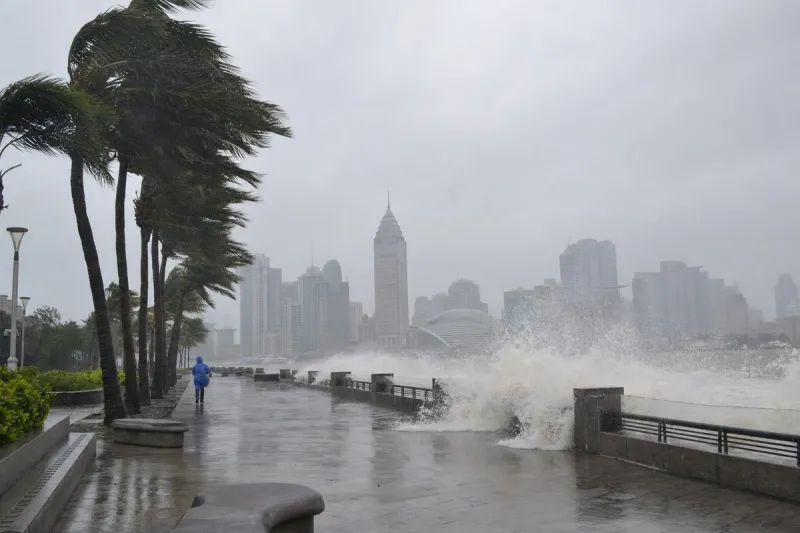
Scientists note that for every degree of warming, the atmosphere can hold about 7% more moisture, increasing the likelihood of heavy rainfall. The UK's Met Office said the total number of thunderstorms may not increase but those that do occur "could be more impactful," and studies show higher northern latitudes will see the biggest increases in conditions favourable to storm formation. Onboard weather radars let pilots see up to 320 nautical miles ahead, but Prof Guy Gratton of Cranfield University described these systems as "tactical rather than strategic," meaning unplanned diversions often occur late in flight, burning more fuel. Charlton said airlines would increasingly need to load extra fuel as a precaution, adding to costs passed on to passengers.
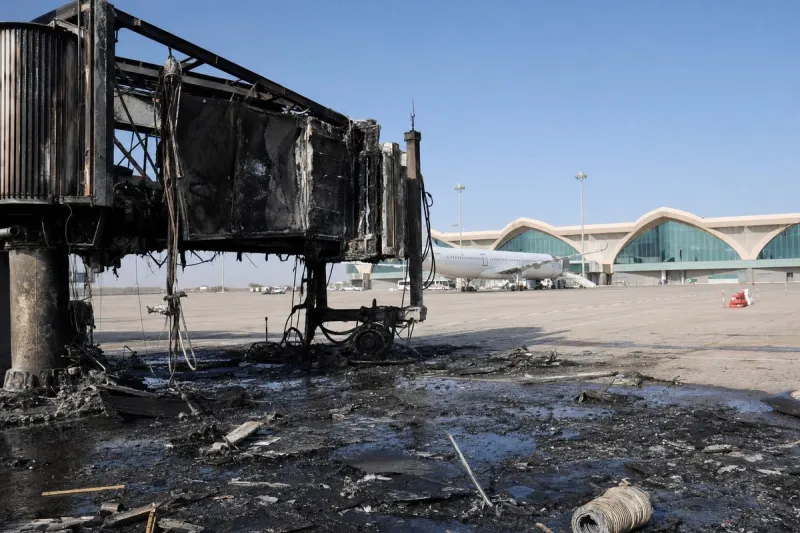
In April 2024, torrential rain at Dubai International Airport briefly closed its runways and caused more than 1,200 flight cancellations affecting tens of thousands of passengers, with disruption lasting two days. Gatwick Airport, which suffered severe flooding over the Christmas period in 2013, has spent tens of millions of pounds on flood mitigation in recent years. Clear-air turbulence, which gives no visual warning, is also becoming more common as the climate warms; on 1 March 2023, a Lufthansa flight experienced a severe clear-air turbulence event.
Technology and mitigation
Heathrow and Gatwick have adopted dynamic aircraft spacing systems that calculate separation based on wind speed and aircraft type, which National Air Traffic Services said has improved landing rates and reduced delays. Thunderstorms themselves are caused by convective activity, in which warm moist air rises rapidly and condenses to form large storm clouds.
Industry impact & what to watch
This case sits within a broader shift in which weather, not mechanical or scheduling failure, becomes the dominant source of network-wide delay in the busiest airspaces. Dense hub regions like London concentrate the risk: when several major airports face storms at once, diversion options shrink and fuel margins that are adequate for a single-airport disruption become tight across a whole region.
The economics of this segment run through fuel and infrastructure spend rather than ticket price alone in the short term. Carriers that respond by carrying precautionary extra fuel absorb a recurring cost on every flight, not just disrupted ones, while airports facing flood or storm exposure invest in mitigation, spacing technology, and drainage rather than waiting for the next closure to force the spending. Radar and forecasting improvements help pilots react but remain tactical, so the strategic buffer still has to come from routing, scheduling and airport capacity decisions made well before a storm forms.
What happens at the next major convective event in a congested hub will show whether the dynamic spacing systems now in use at Heathrow and Gatwick meaningfully reduce delay counts, or whether the industry's exposure keeps tracking the frequency of the underlying storms.