Russia's Airspace Was Never Closed: How 27 Cancelled Flight Legs Became a 'Closed Sky' Narrative
Why It MattersFragmented, uncoordinated airline messaging around routine ground stops and diversions can harden into a single misleading closure narrative faster than any regulator's actual notices spread.
What happened
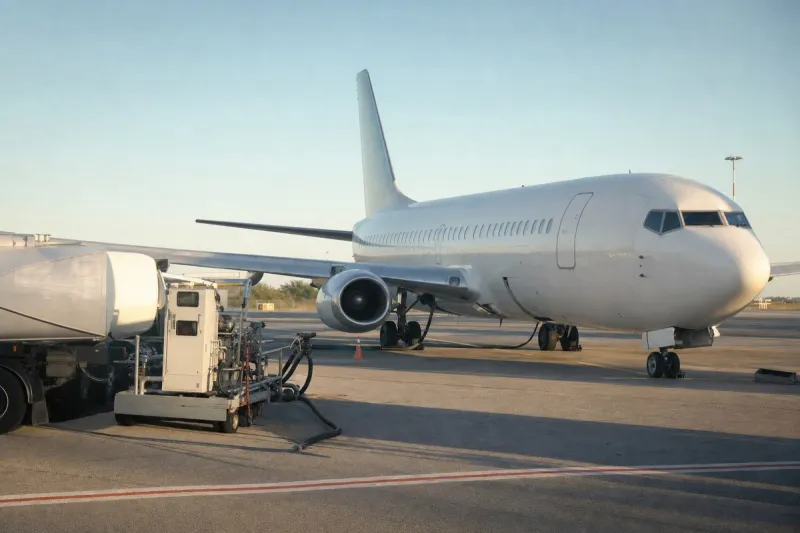
Russian airspace was not closed on the night headlines declared 'No Flights to Russia,' according to an analysis of flight data and carrier statements. Turkish Airlines operated 22 of its 25 scheduled flights to Moscow, and the Association of Tour Operators of Russia reported that 16 aircraft from Turkey landed at Vnukovo Airport that same day. Low-cost carrier Pegasus stated its operations were proceeding as scheduled even as it cancelled several departures.
The widely repeated figure of 27 cancelled flights counted both legs of each aircraft rotation, inbound and outbound. Pegasus accounted for the largest single block of 12 entries, representing six full rotations, all scheduled between 01:20 and 07:20. The remaining 15 entries were spread across six other airlines: flydubai cancelled one flight out of seven, Nesma Airlines cancelled one out of eight, Shirak Avia cancelled four flights, Kuwait Airways cancelled two, and Somon Air cancelled one, with no explanations reported for these. Emirates, Qatar Airways, Etihad, and Chinese carriers announced no suspensions. Ural Airlines cancelled three flights in Tajikistan the same day, and an Aeroflot flight from Bishkek to Moscow suffered delays.
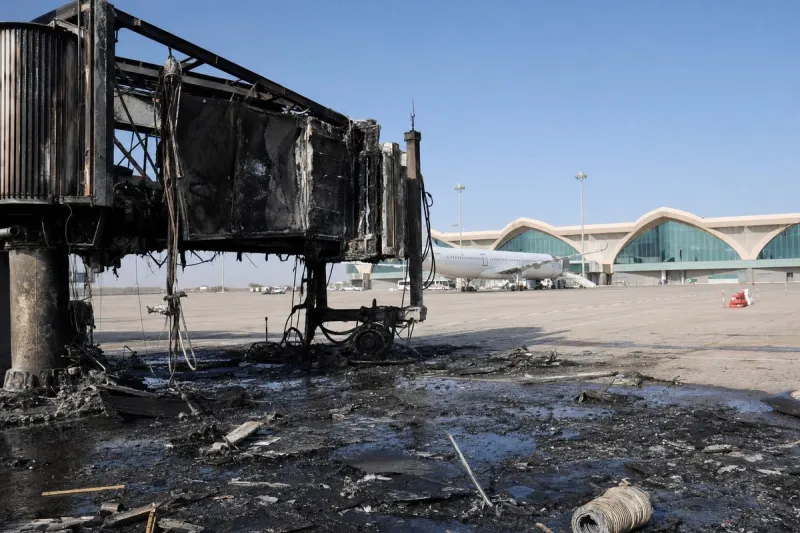
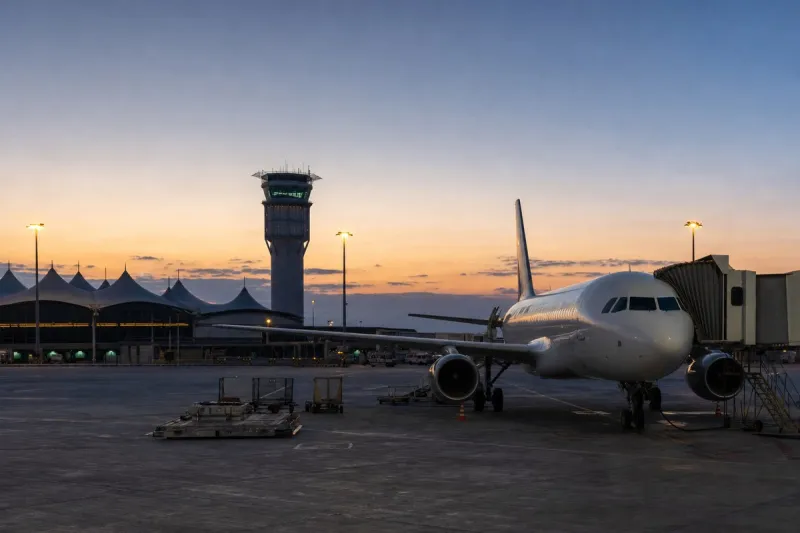
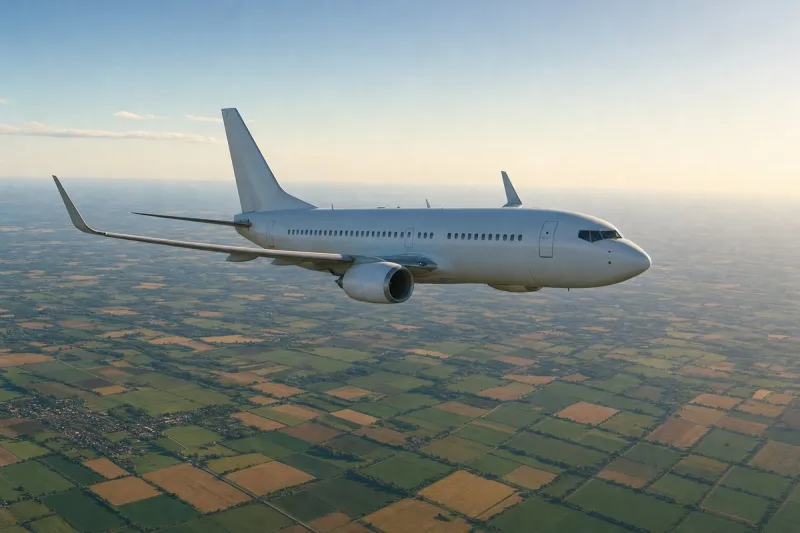
Vnukovo Airport imposed arrival and departure restrictions from 02:45 to 05:56. Pegasus Flight PC5722, which departed Antalya for Samara at 22:06 on 1 September, turned back mid-flight; passengers aboard were told Russian airspace was closed, ground staff cited geopolitical tensions and drone threats, and the airline's corporate website attributed the cancellations to "technical and operational reasons." Samara Airport operated without restriction that night. Turkish Airlines attributed its limited cancellations to fleet consolidation, replacing two narrow-body aircraft with a single wide-body. Uzbekistan Airways turned back Flight HY603 from Tashkent, diverted its Termez service to St. Petersburg, and rerouted Sochi flights via Aktau, citing flight safety.
Russia's civil aviation authority issued a NOTAM stating that Ukrainian advisories regarding Russian airspace carried no legal weight, and Russia's Transport Minister Andrey Nikitin said temporary restrictions would continue to be applied as safety required. No blanket closure was issued by aviation authorities in Russia, Turkey, the UAE, or Central Asian states, and EASA advisories covering airspace west of the 60th meridian did not apply to Turkey-Russia corridors. Russian Defense Ministry data compiled by the Associated Press showed significantly more drones intercepted over Russia and Crimea during the summer than a year prior.
The legal exposure behind the messaging
Pegasus gave three different explanations for the same event: force majeure to passengers and ground staff, citing geopolitical tensions and drone threats, and "technical and operational reasons" on its corporate website. Under Turkey's SHY-Yolcu passenger rights regulations, which mirror EU Regulation EC 261, cancellation compensation for these route distances is set at €400 per passenger unless the airline proves extraordinary circumstances beyond its control. Technical and operational reasons fall under delay provisions and cannot straightforwardly excuse an outright cancellation, creating a gap between the airline's public framing and its compensation liability.
Industry impact & what to watch
This case shows how a routine ground stop, imposed by a single airport for roughly three hours, can be aggregated across unrelated carrier decisions and read back as a coordinated airspace closure. Operations control centers maintain standard playbooks for temporary restrictions, turnbacks, diversions, and unplanned overnight stays; several carriers in this event used exactly those tools without any shared directive forcing them to describe the disruption the same way.
The segment's exposure sits less in the operational response, which appears routine, than in inconsistent public messaging once a single flight's cancellation gets tied to compensation rules. A carrier that cites force majeure to passengers but "technical reasons" on its own website invites the less favorable legal category for itself, regardless of what actually happened operationally.
Whose account carries the most weight next is the passenger rights determination on Pegasus Flight PC5722: whether Turkish authorities treat the airline's own website language as binding despite the force majeure claims made to passengers and ground staff.