FAA Ground Stops and American Airlines IT Outage Disrupt Northeast Hubs on Labor Day Weekend
Why It MattersRepeated carrier-specific IT ground stops alongside weather-driven congestion show how network airlines' operational resilience, not just weather forecasting, now shapes holiday-peak recovery times.
What happened
The FAA imposed ground stops at multiple Northeast hub airports on September 6, including Newark Liberty, Philadelphia, and New York metropolitan area airports, citing convective weather and airspace congestion during the Labor Day travel peak. The stops triggered cascading departure holds, extended tarmac waits, and widespread missed connections as aircraft and crews fell out of position across the national network.
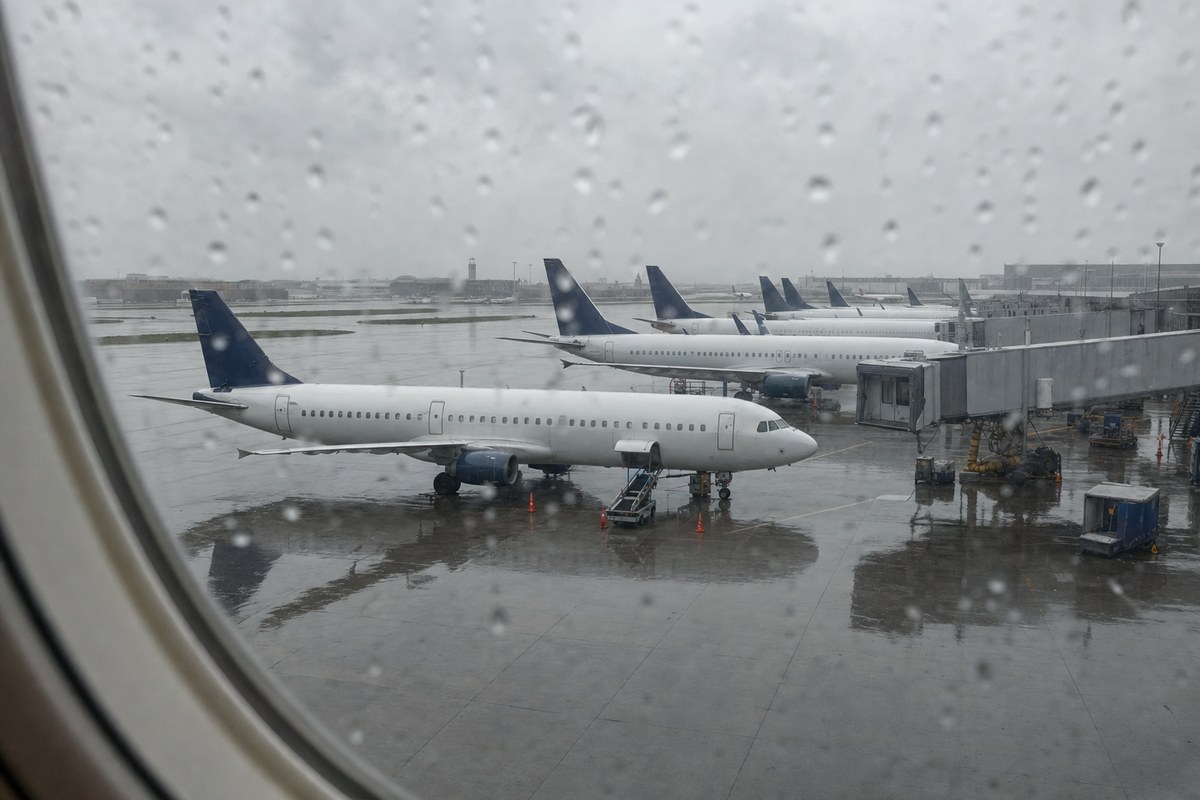
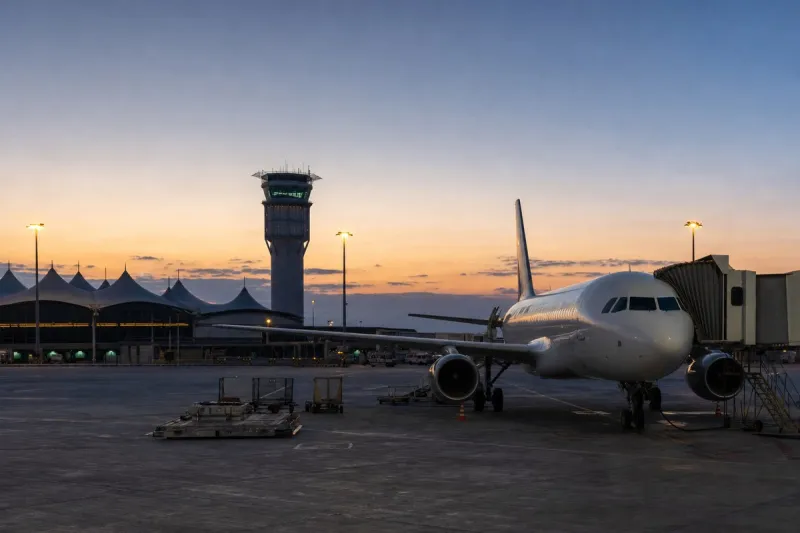
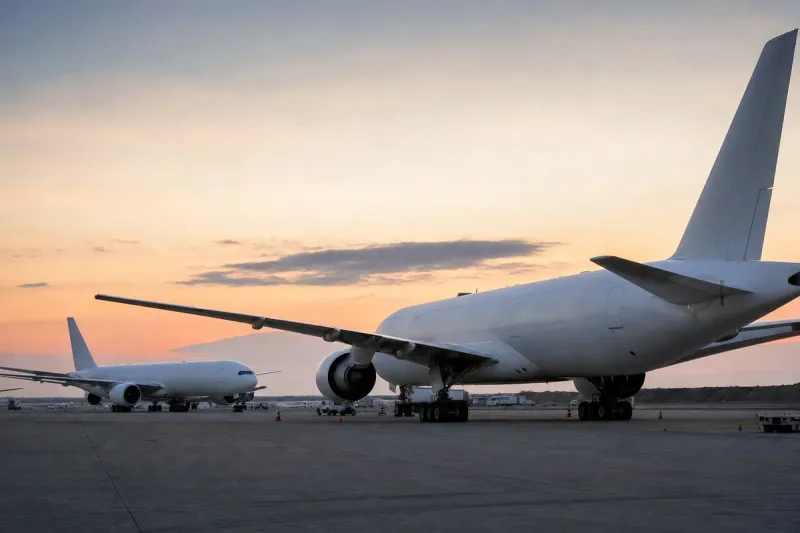
Separately, American Airlines experienced an IT failure affecting its reservations and departure control systems, prompting a temporary FAA-issued, carrier-specific nationwide ground stop that paused all American flights not already airborne. Major American hubs including Dallas Fort Worth, Charlotte Douglas, and Philadelphia were affected, with aircraft held at gates and on taxiways while technicians worked to restore systems. This followed a similar American Airlines IT-related nationwide ground stop on July 28.
Once American's systems were restored and the ground stop lifted, the airline faced the task of restarting hundreds of flights with crews approaching duty-time limits and aircraft displaced from planned rotations. Delays propagated to secondary and tertiary destinations across the network, with travelers at smaller regional airports reporting some of the most severe knock-on effects as airlines prioritized long-haul and international services during recovery. Passengers not flying through the Northeast or on American also reported missed connections and extended layovers.
FAA notices have previously cited post-pandemic staffing levels and complex airspace in the New York terminal area and at Newark as ongoing challenges, leading to extensions of temporary scheduling relief at John F. Kennedy and LaGuardia airports through late 2026.
Industry impact & what to watch
This event combines two distinct disruption categories that airlines usually manage separately: weather-and-congestion-driven ground stops concentrated in the Northeast corridor, and a carrier-specific technology failure that can halt an entire airline's network regardless of geography. Their overlap on a high-demand holiday weekend shows how thin the margin for recovery becomes when both strike together.
Hub-and-spoke networks recover from localized weather stops by absorbing delays at the affected airports and downstream connections, but a nationwide IT-driven ground stop removes that option because it displaces crews and aircraft across every hub simultaneously, pushing crews toward duty-time limits and forcing rotations to be rebuilt from scratch.
A second American Airlines IT-related nationwide ground stop within weeks of the July 28 event is likely to draw closer regulatory attention to the resilience of reservations and departure control systems industry-wide, not just at American. Whether the FAA opens any formal review of carrier IT resilience, and how quickly American's schedule and crew rotations normalize after this event, are the two clearest signals to track in the coming days.