Air Tanzania Resumes Moscow Flights as Russian Airspace Safety Debate Intensifies
Why It MattersThe episode shows how airlines weighing Russian airspace risk are reaching divergent conclusions from the same warnings, leaving safety judgments fragmented across carriers rather than standardized industry-wide.
What happened
Air Tanzania has decided to resume flights between Dar es Salaam and Moscow starting September 7, just days after suspending the service following a risk assessment. The Tanzanian national carrier said it conducted a further assessment with relevant authorities and determined that operations could continue. "The decision follows a routine risk assessment of the operating environment along the route," the airline said.
The European Union Aviation Safety Agency (EASA) has issued a warning covering the St. Petersburg, Rostov, Samara and Yekaterinburg flight-information regions, recommending that operators not fly within this airspace at any altitude. The warning is valid through January 31, 2027, and cites the risk of Russian air-defense systems being activated in response to Ukrainian drone and missile attacks, deficiencies in civil-military airspace deconfliction, and the possibility of civilian aircraft being unintentionally targeted.
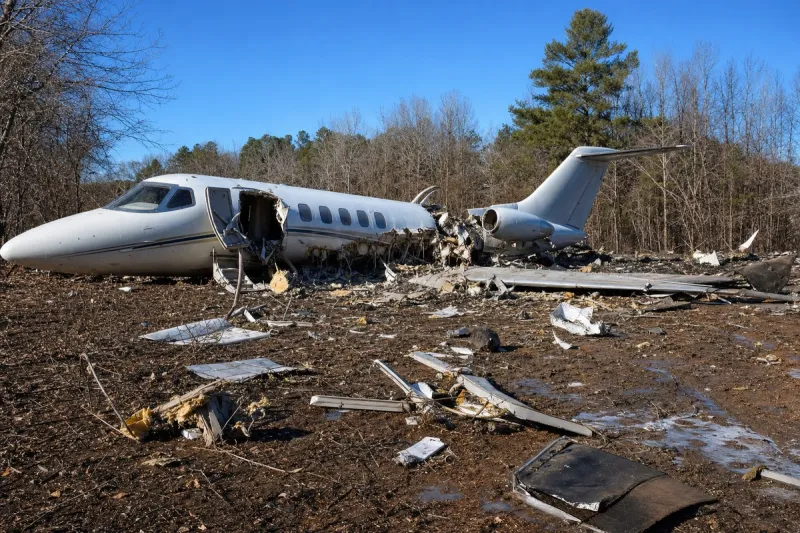
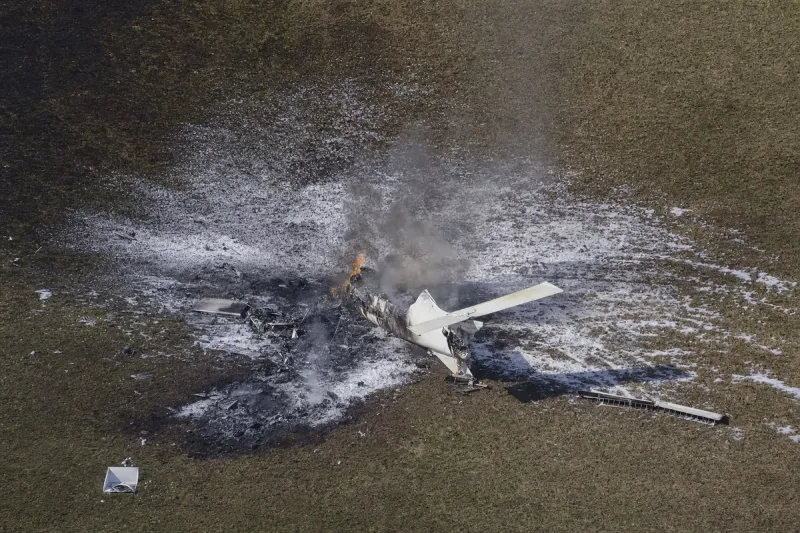
The December 2024 crash of an Azerbaijan Airlines aircraft is cited as a reference point: the aircraft was operating toward Grozny while Russian air defenses were responding to Ukrainian drones, and Russian President Vladimir Putin subsequently acknowledged that Russian missiles had detonated near the aircraft during the incident. Ukraine has stated it does not target civilian aviation, while Ukrainian President Volodymyr Zelenskiy has publicly warned airlines and insurance companies that ongoing drone operations are making Russian airspace increasingly dangerous. Russia rejects that characterization and says appropriate aviation security procedures remain in place.
Industry impact & what to watch
This case sits within a wider and unresolved split in how airlines treat Russian airspace: some carriers continue flying there, others suspend service temporarily when drone activity rises, and European and North American carriers stay out entirely. Air Tanzania's own reversal, from suspension to resumption within days, illustrates how quickly individual carrier risk calls can shift even while the underlying threat picture is unchanged.
The mechanism aviation safety specialists describe is not a direct drone strike on a passenger jet but a crowded, contested airspace where military radar, surface-to-air missiles, electronic warfare and civilian traffic operate simultaneously. That produces misidentification risk, missile fragments, GPS/GNSS jamming and spoofing, and airspace closures imposed with little or no advance notice — conditions that a single carrier's routine risk assessment may not fully capture region-wide.
Watch whether EASA extends or tightens its advisory beyond the four flight-information regions it currently names, whether other carriers operating into Russia adjust schedules around drone activity spikes, and whether insurers begin pricing Russian-airspace routes differently as Zelenskiy's warnings to airlines and insurers continue.