Pilot Shortage Leaves 500+ Regional Aircraft Grounded in US as Career Timelines Compress
Why It MattersRegional carriers now function structurally as pilot-training pipelines for mainline airlines, so seat availability and small-community air service depend less on aircraft than on how fast cockpits can be refilled.
What happened
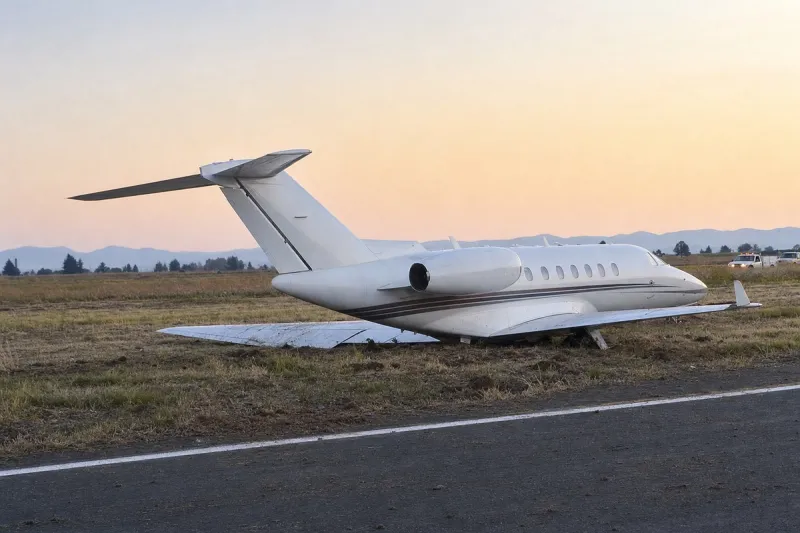
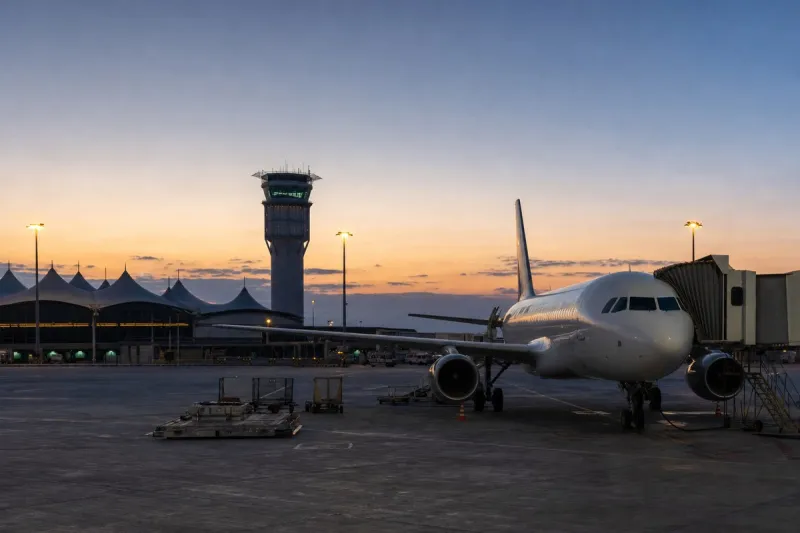
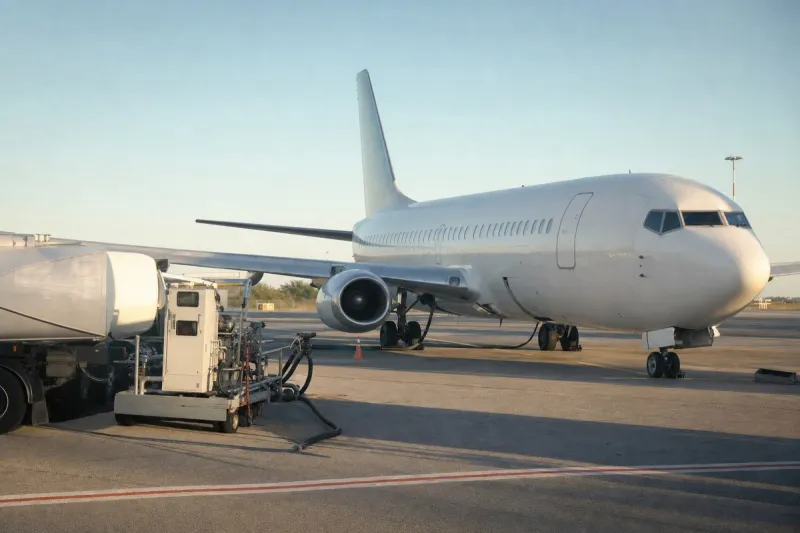
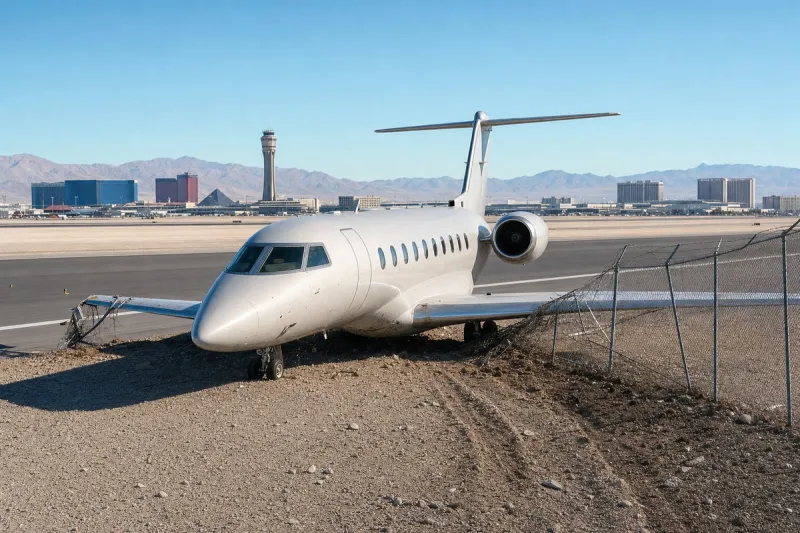
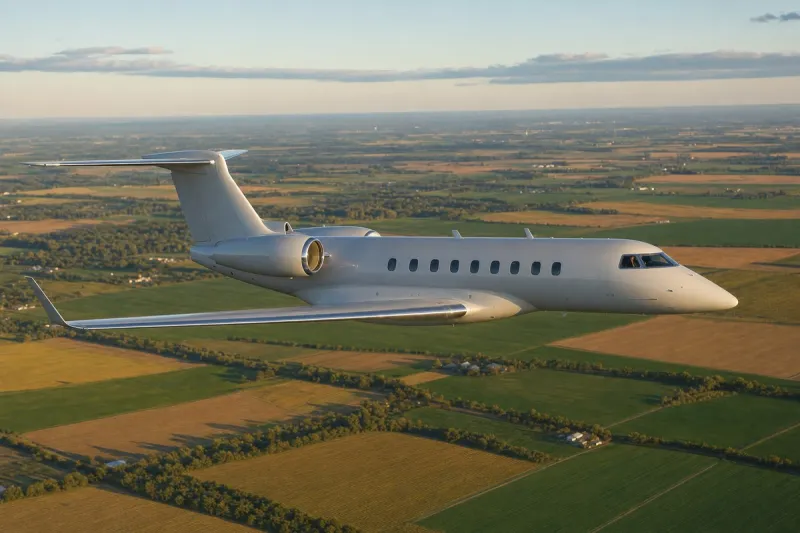
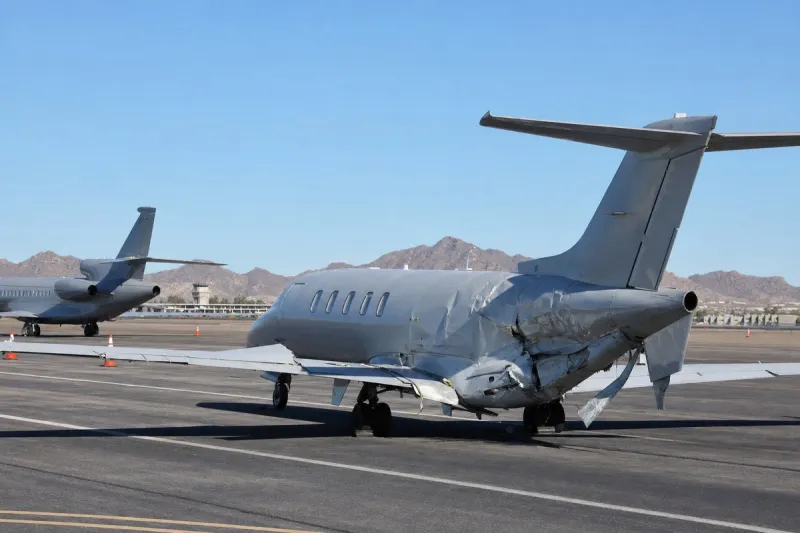
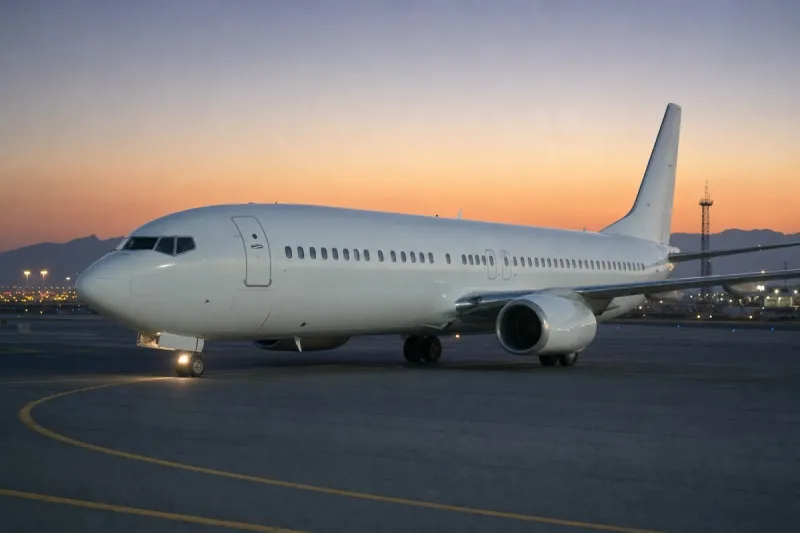
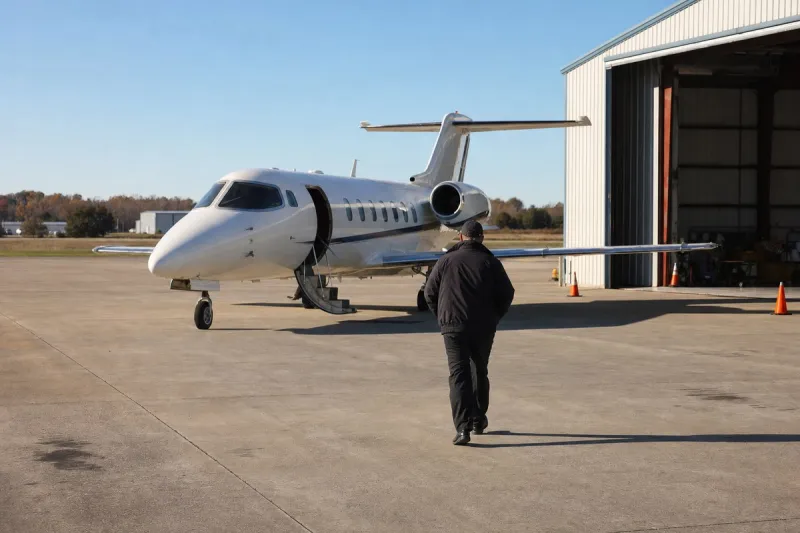
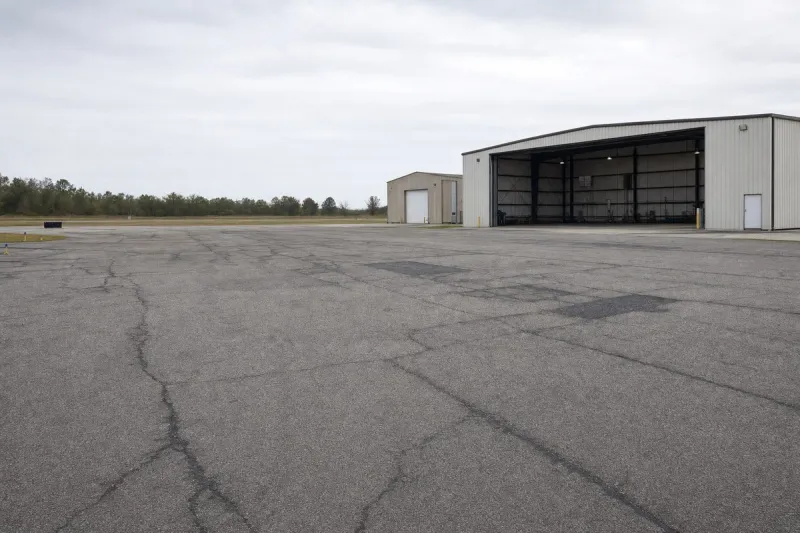
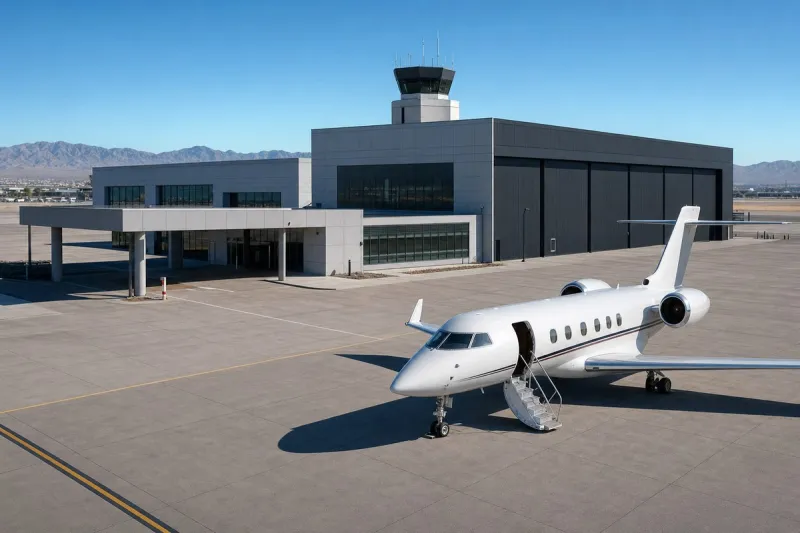
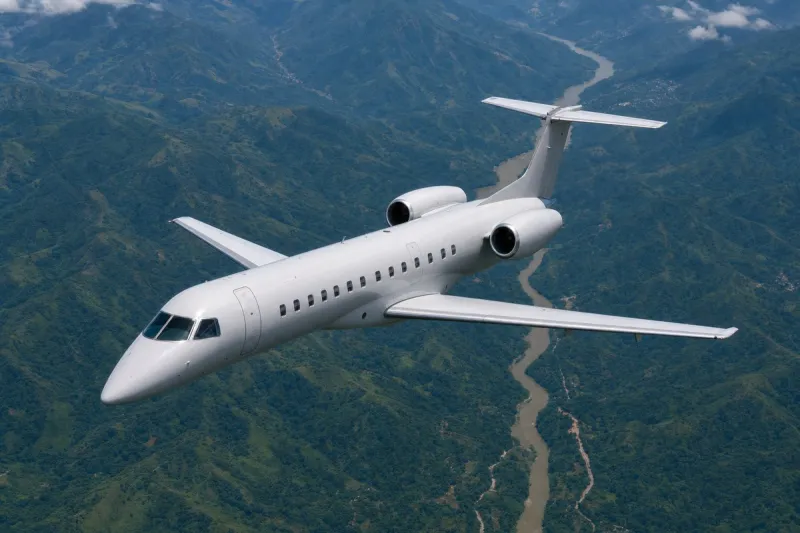
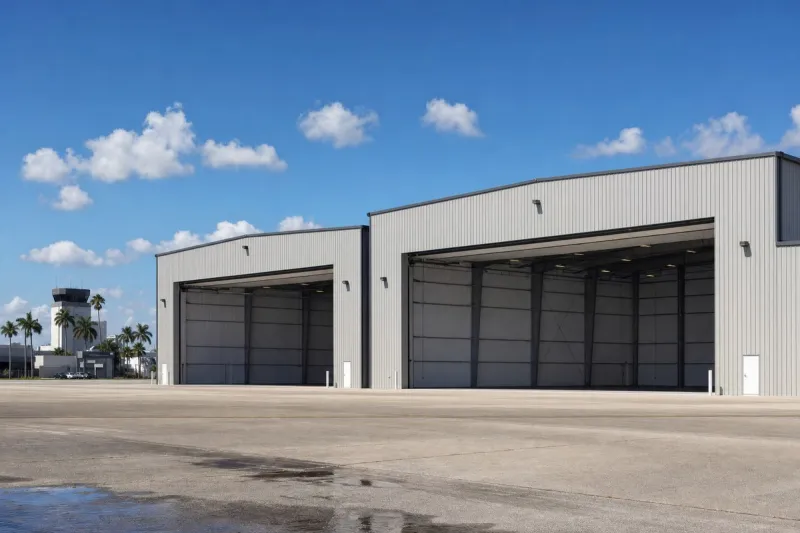
More than 500 regional aircraft are parked across the United States because airlines cannot find enough pilots to fly them, according to the Regional Airline Association. The grounded fleet consists primarily of Embraer E175s and Bombardier CRJs that are mechanically ready for service but sitting idle on ramps.
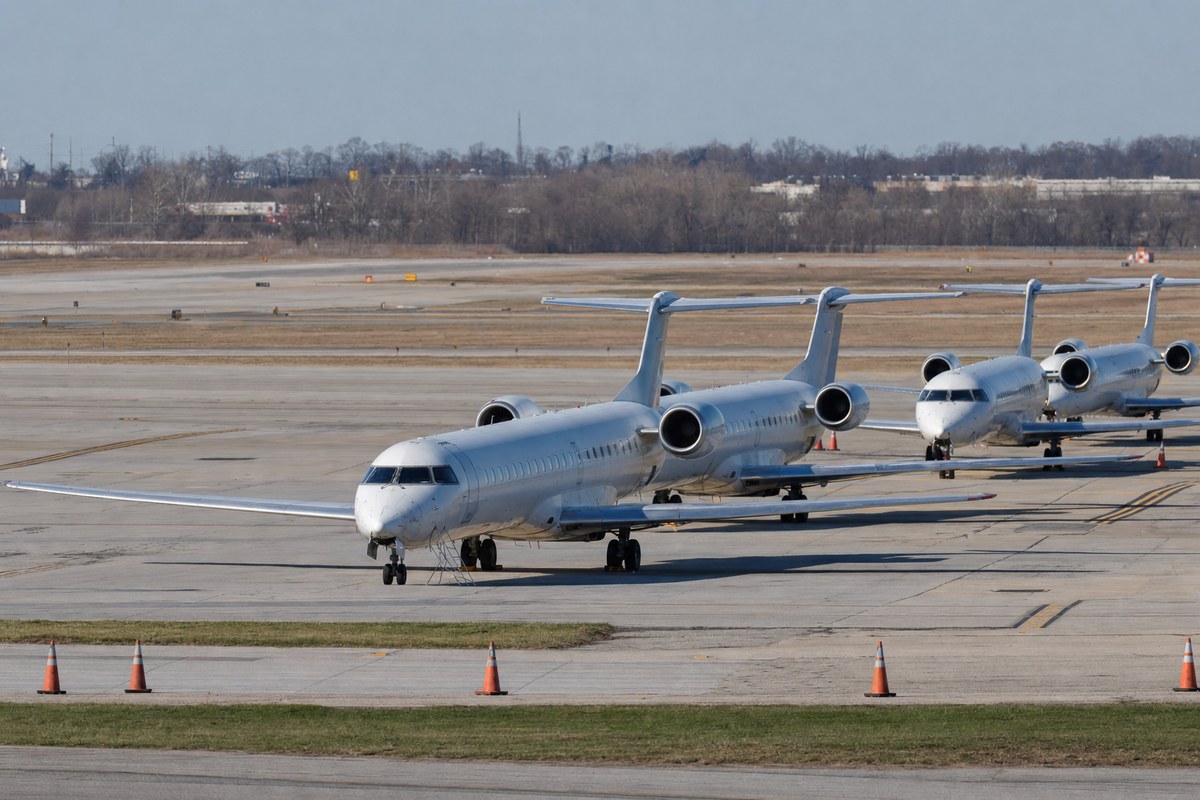
The gap is unevenly distributed. Envoy Air, American Airlines' largest wholly owned regional subsidiary, operates 180 aircraft but has pilots sufficient to fly only 142 of them. SkyWest Airlines, the largest US regional carrier by fleet size, has parked 89 aircraft due to pilot shortages. Across Regional Airline Association member carriers, airlines are operating at approximately 67% of total pilot capacity.
The Regional Airline Association reports that 76% of all US airports have experienced diminished or eliminated air service as a direct result of pilot staffing shortages, and 324 communities have lost scheduled service since the shortage began affecting regional operations. In January 2026, Dubuque, Iowa lost all scheduled commercial flights following a failed agreement with Denver Air Connection, forcing residents to drive roughly 90 miles to Cedar Rapids or 190 miles to Chicago O'Hare. Republic Airways and Mesa Air Group merged in November 2025, combining pilot pools as both carriers struggled to maintain service levels for mainline partners with shrinking rosters.
The FAA estimates approximately 4,300 commercial airline pilots will reach mandatory retirement age of 65 every year through 2042, with a peak of up to 4,000 mainline retirements annually between 2026 and 2028. Nearly 50% of current mainline pilots were hired during the deregulation-era hiring surge of the 1980s and 1990s, and early-retirement packages in 2020-2021 removed thousands of senior captains ahead of schedule. Regional first officers are now upgrading to captain in 18-24 months rather than the historical five to seven years, and captain upgrades at major airlines are occurring in 3-5 years rather than the traditional 8-12. United Airlines plans to hire approximately 2,500 pilots in 2026; American Airlines targets approximately 1,500 per year as part of a five-year goal of 10,000 new hires; Delta Air Lines hires more than 1,000 per year, nearly all with command experience drawn from regional carriers. Boeing's Pilot and Technician Outlook projects North America will need 119,000 new commercial pilots between 2025 and 2044, Oliver Wyman estimated a shortfall of 24,000 pilots by 2026, and the National Air Carrier Association projects more than 16,000 mandatory retirements over the next five years. Regional first officer starting salaries have risen from approximately $30,000 to more than $80,000, while mainline captains at Delta or United earn up to $450,000 annually.
How one retirement cascades through the system
Each mainline retirement sets off a chain reaction: when a Delta Air Lines captain vacates a Boeing 767 seat, the airline upgrades an internal first officer, whose seat is filled by promoting another pilot, whose vacancy is covered by hiring an experienced regional captain — typically one with 3,000-5,000 hours from a carrier such as Endeavor Air, SkyWest, or Republic Airways. That regional captain vacancy then triggers an early upgrade of a first officer who may have held the right seat for as little as 12-18 months, compressing experience levels at the bottom of the ladder fastest.
Industry impact & what to watch
This is a supply chain problem wearing a staffing label: mainline carriers are drawing command-experienced pilots out of regional fleets faster than those fleets can train replacements, and the parked aircraft are the visible symptom of a labor pipeline running in the wrong direction relative to demand. Pay raises at the regional level narrow the gap but cannot close it while a captain at Delta or United can earn up to $450,000 against a regional first officer's now roughly $80,000 starting salary — the incentive to move up remains structural, not cyclical.
Regional carriers function less as standalone airlines than as training and staging grounds for mainline cockpits, which means their aircraft utilization is hostage to a demographic wave outside their control: the FAA's retirement projections through 2042 and the peak years of 2026-2028 suggest the current parked-fleet count is closer to a floor than a peak. Smaller markets absorb the shortfall first, since carriers protect denser routes and larger aircraft when pilot rosters shrink.
The Republic-Mesa merger signals that consolidation of pilot pools, not just fleets, is becoming a survival tool for regional operators squeezed on both sides — bleeding captains to mainline hiring while unable to fully staff their own schedules. Whether the 500-plus parked aircraft figure grows or shrinks over the next two years will depend largely on how closely mainline hiring volumes at United, American, and Delta track their own stated 2026-2028 retirement peaks.