20 Years On: Survivors Recall the Amazon Midair Collision That Killed 154
Why It MattersThe case shows how a single transponder failure paired with air traffic control errors can cascade into catastrophe, shaping how investigators weigh redundant collision-avoidance systems and controller oversight in high-altitude airspace.
What happened
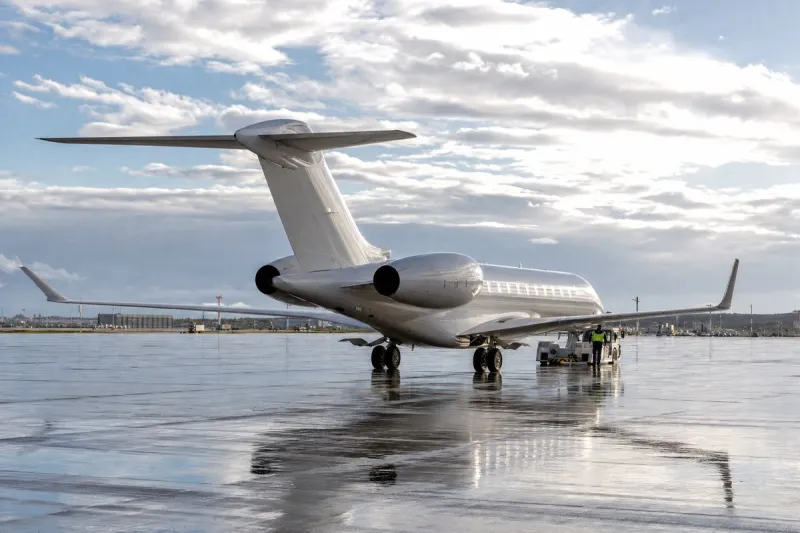
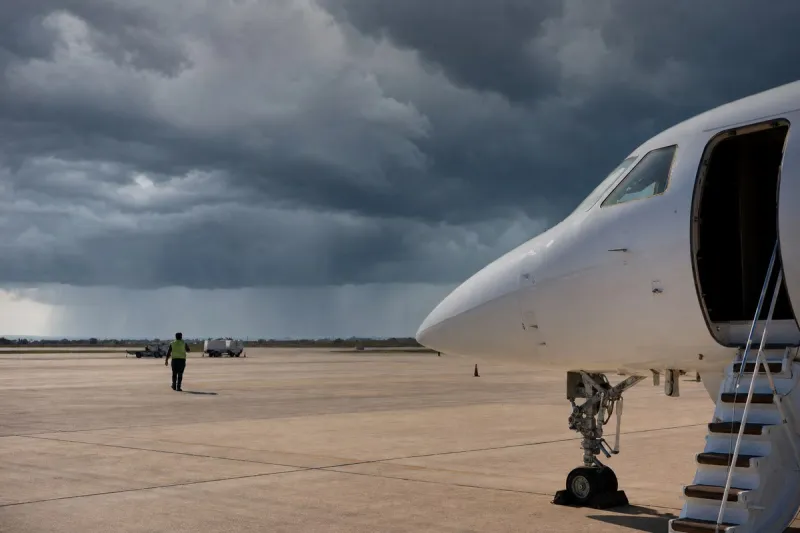
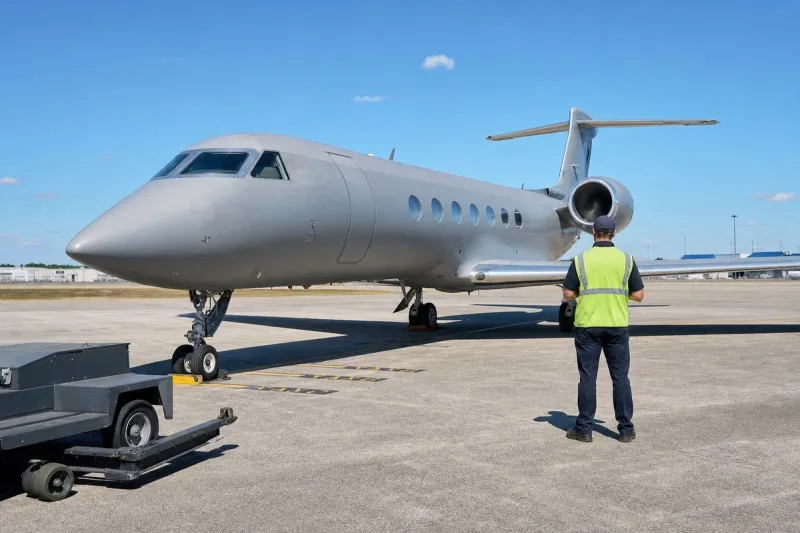
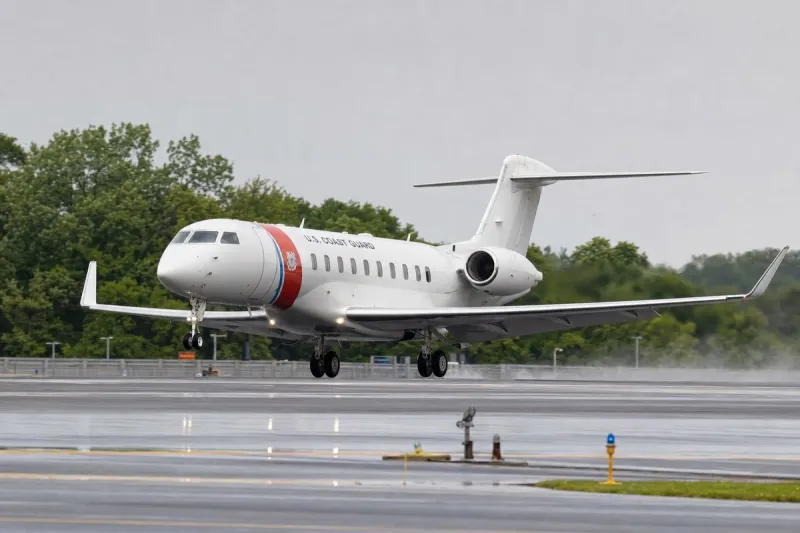
On September 29, 2006, an Embraer Legacy 600 business jet operated by Long Island, New York-based ExcelAire collided in daylight at 37,000 feet over the Brazilian state of Mato Grosso with a Gol Transportes Aéreos Boeing 737-800, at a closing speed of more than 900 knots. The Legacy 600 was on a delivery flight from Embraer's headquarters in São José dos Campos, Brazil, to ExcelAire's base at Long Island MacArthur Airport (KISP), carrying pilots Joseph Lepore and Jan Paladino, ExcelAire senior vice president David Rimmer, ExcelAire VP and director of maintenance Ralph Michielli, Embraer marketing executive Daniel Bachmann, Embraer sales director Henry Yandle, and New York Times travel writer Joe Sharkey. The Gol 737-800 had departed Eduardo Gomes International Airport (SBEG) in Manaus approximately 30 minutes after the Legacy 600, bound for Rio de Janeiro via Brasília.

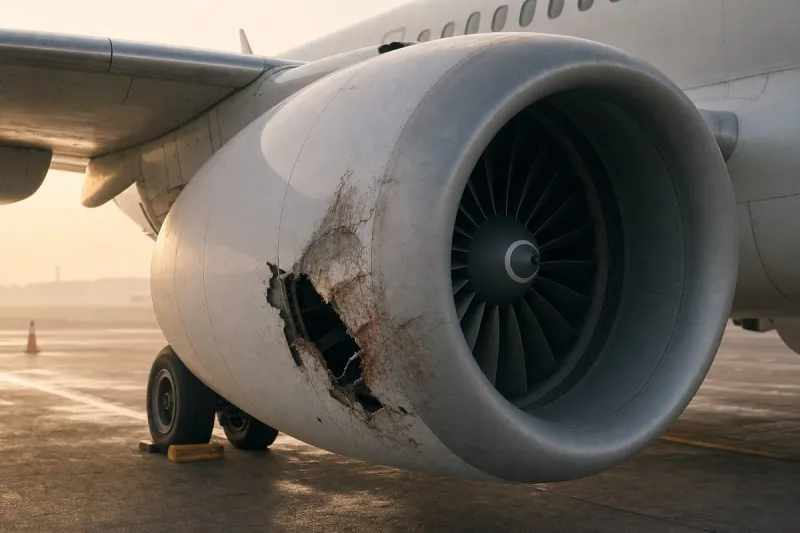
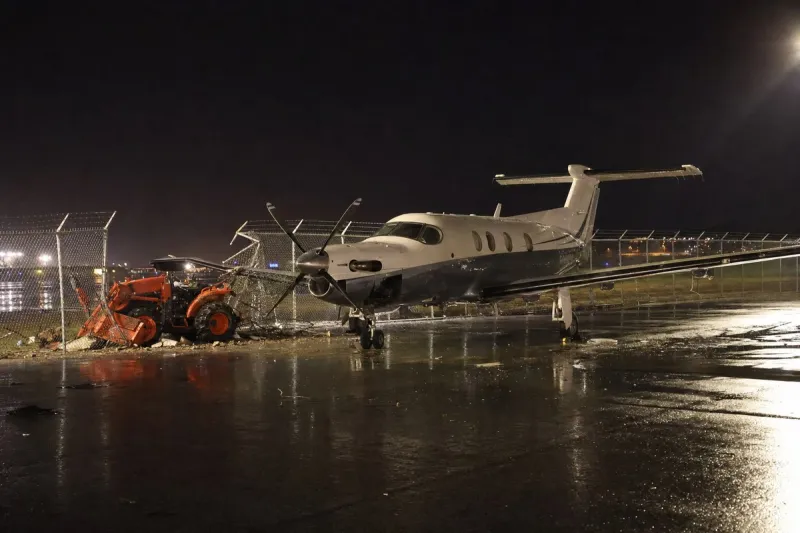
The Legacy 600's left winglet sliced off approximately half of the 737-800's left wing; the airliner lost control and crashed into the Amazon rainforest, killing all 154 people on board. The business jet's crew and passengers felt the impact but were initially unaware of its full severity. With cockpit alarms sounding and part of the wing visibly damaged, the flight crew declared an emergency, and, receiving no response from air traffic control, flew the damaged aircraft for approximately 25 minutes before spotting a remote military airstrip, Campo de Provas Brigadeiro Velloso, near Cachimbo, roughly 90 nautical miles from the point of impact, where they landed. Brazilian Air Force officers who inspected the aircraft on the ground found a warped fuselage, a sheared horizontal stabilizer fairing, a bent wing, and impaired aileron function. That night, the survivors were told an airliner was missing.
All aboard the business jet were flown on a Brazilian military aircraft to Cuiabá, the capital of Mato Grosso, where federal police questioned them individually for more than 12 hours and seized the pilots' passports. Rimmer stayed with them for a week before being advised by company ownership to return to the United States, while the two pilots remained in Brazil for approximately two months; a legal battle reached Brazil's Supreme Court, which ruled that Brazilian law did not permit confiscating their passports in connection with the accident. Investigators found that the Legacy 600's transponder had stopped transmitting for an undetermined reason, disabling its TCAS, and that a series of failures by Brazil's military-run air traffic control contributed to the collision. Several controllers were convicted by criminal and military courts, and the two American pilots were eventually convicted and sentenced in absentia by a Brazilian court to three years and three months of alternative penalty. Bachmann, a Brazil native who had grown up in Manaus, later learned that family friends and acquaintances were among those killed aboard the Gol airliner.
Industry impact & what to watch
This accident belongs to the small set of collisions that reshaped how investigators and regulators think about layered collision-avoidance in busy or poorly monitored airspace: a single transponder outage removed TCAS protection on one aircraft while ground-based separation, run by military controllers, also failed, leaving no working backstop at all. It illustrates how high-altitude en-route safety depends on at least two independent systems agreeing with each other, and how a quiet failure of one instrument, if paired with a lapse in air traffic control, can remove all margin at once.
The prolonged legal aftermath — passport seizures, months of detention for the pilots, a Supreme Court ruling, and in-absentia convictions of both controllers and pilots — also shows how cross-border business aviation incidents can entangle flight crews in a foreign judicial process long after the technical investigation concludes, a dynamic operators and manufacturers weigh when crews fly delivery routes through jurisdictions with different legal exposure for accidents.
Twenty years on, the account rests on survivor recollection rather than new investigative findings, so what remains is the historical record already established by the original inquiry into the transponder failure and the controller errors.