September Marks Atlantic Hurricane Season's Historical Peak, Raising Closer-to-Home Risk for Texas
Why It MattersStorms forming near the Gulf or western Caribbean give forecasters and operators far less lead time than Atlantic-tracking systems, making proximity of origin a key factor in preparedness planning.
What happened
September represents the most active period of the Atlantic hurricane season, with the climatological peak occurring around September 10, according to the National Hurricane Center. Activity concentrates from mid-August through mid-October, after tropical waters across the Atlantic, Caribbean, and Gulf of Mexico have accumulated heat over months.
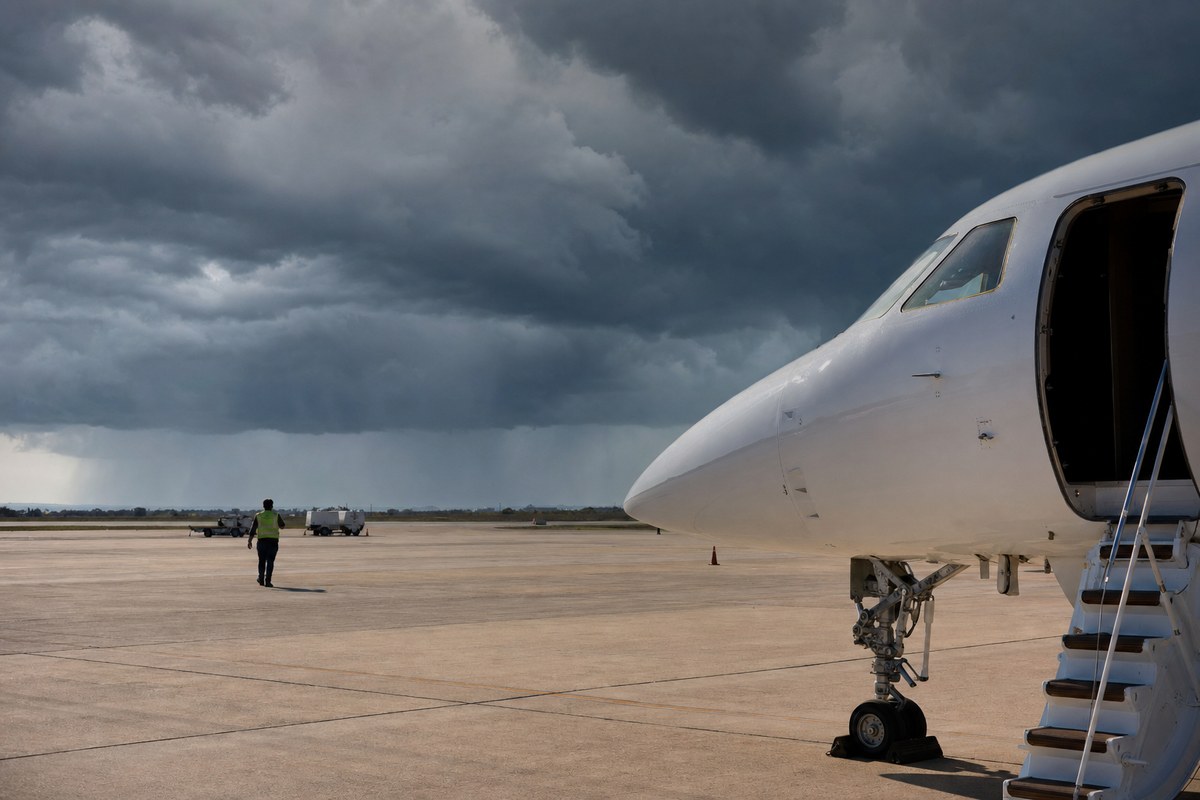
By September, the zone where tropical systems can develop expands dramatically. Storms may emerge from tropical waves departing Africa and travel thousands of miles, or they can form near the Bahamas or directly in the Gulf of Mexico. For Texas, the origin of a storm matters because it determines how much warning time coastal residents and forecasters have.
A tropical disturbance forming in the western Caribbean or Gulf offers far less lead time than one tracking westward across the open Atlantic. The shorter the distance between a system's development area and the coast, the less time there is to monitor, forecast, and prepare — even if the system has not yet reached hurricane strength. Several significant Gulf Coast hurricanes have historically either formed or intensified relatively close to land. Meteorologists note that a quiet start to hurricane season does not reduce September's risk; current and near-term atmospheric conditions are what determine the threat at any given time.
Industry impact & what to watch
This case illustrates a recurring feature of Gulf Coast hurricane exposure: proximity of formation, not just storm strength, sets the available response window. A system spinning up near the western Caribbean or directly in the Gulf can reach the coast with far less notice than one tracked for days across the open Atlantic, compressing the time available for evacuation planning, flight scheduling changes, and ground operations adjustments.
For operators and residents along the Texas coast, this means preparedness cannot be timed to a storm's classification alone — a disturbance still being monitored, rather than one under a warning, can still be the one that matters most given how little lead time nearby formation allows. The National Hurricane Center's framing that a quiet season start does not lower September risk reinforces that current atmospheric conditions, not season-to-date activity, drive the near-term threat.
What happens next depends on which of the two development zones — distant Atlantic or nearby Gulf/Caribbean — produces the season's next system, since that alone will determine how much notice coastal Texas receives.