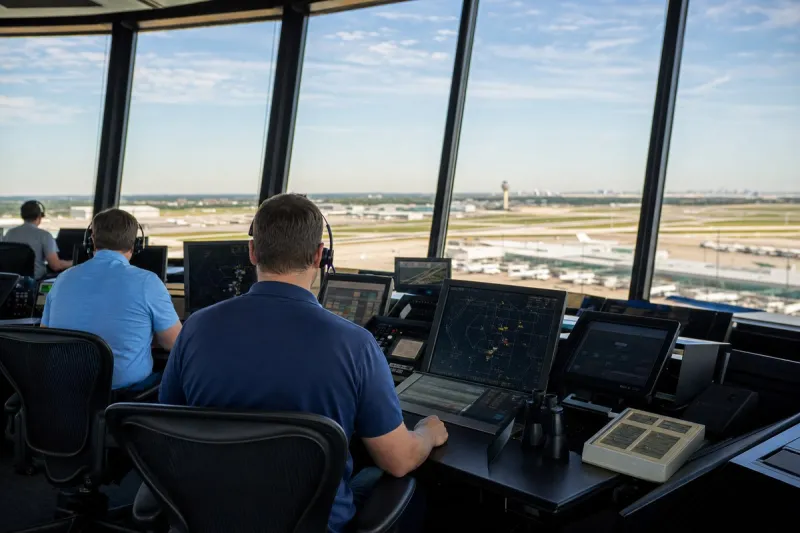
Advance take-off warnings for 'Marine One' not received before airprox with Envoy E170
Why It MattersThe episode shows how airprox risk near high-profile government movements often traces back to communication and notification gaps rather than aircraft performance or crew error.
What happened
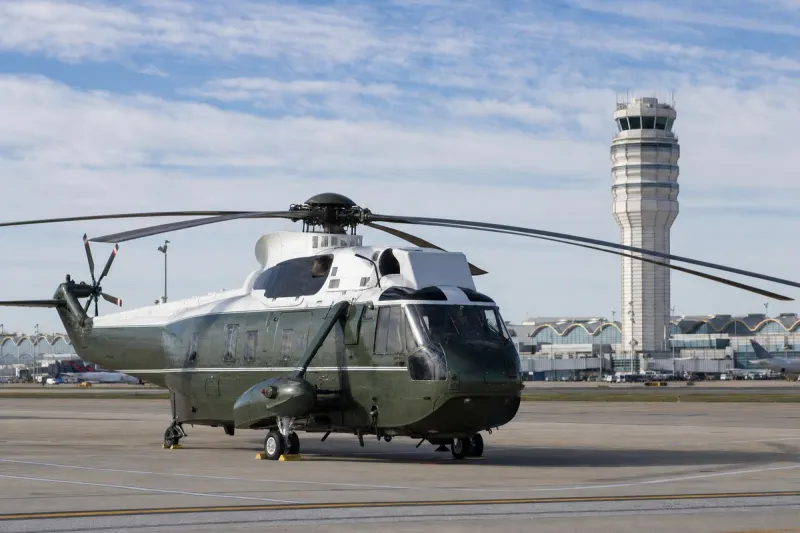
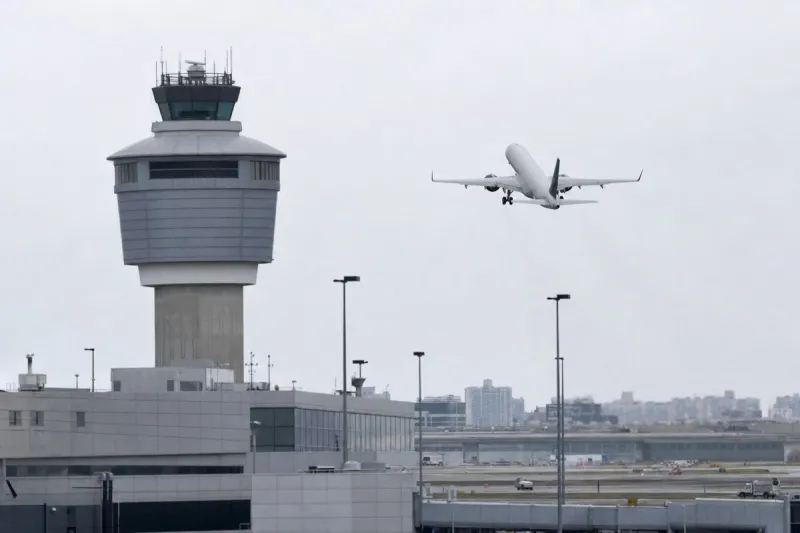
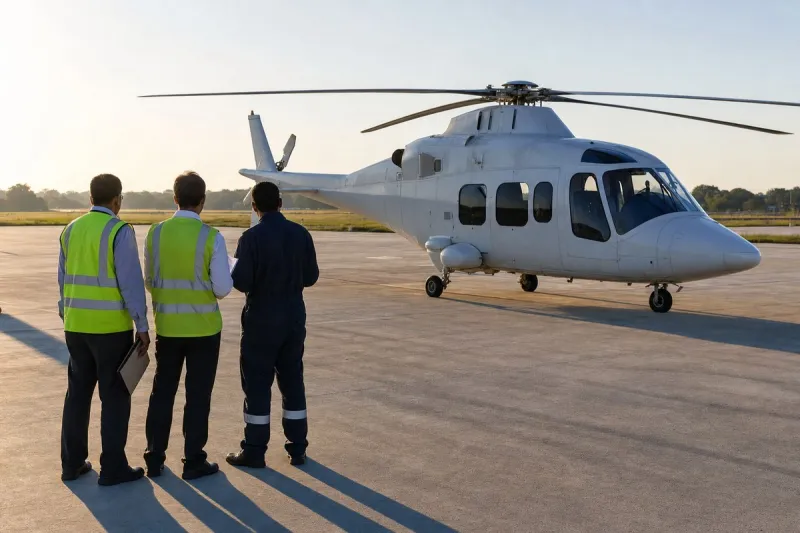
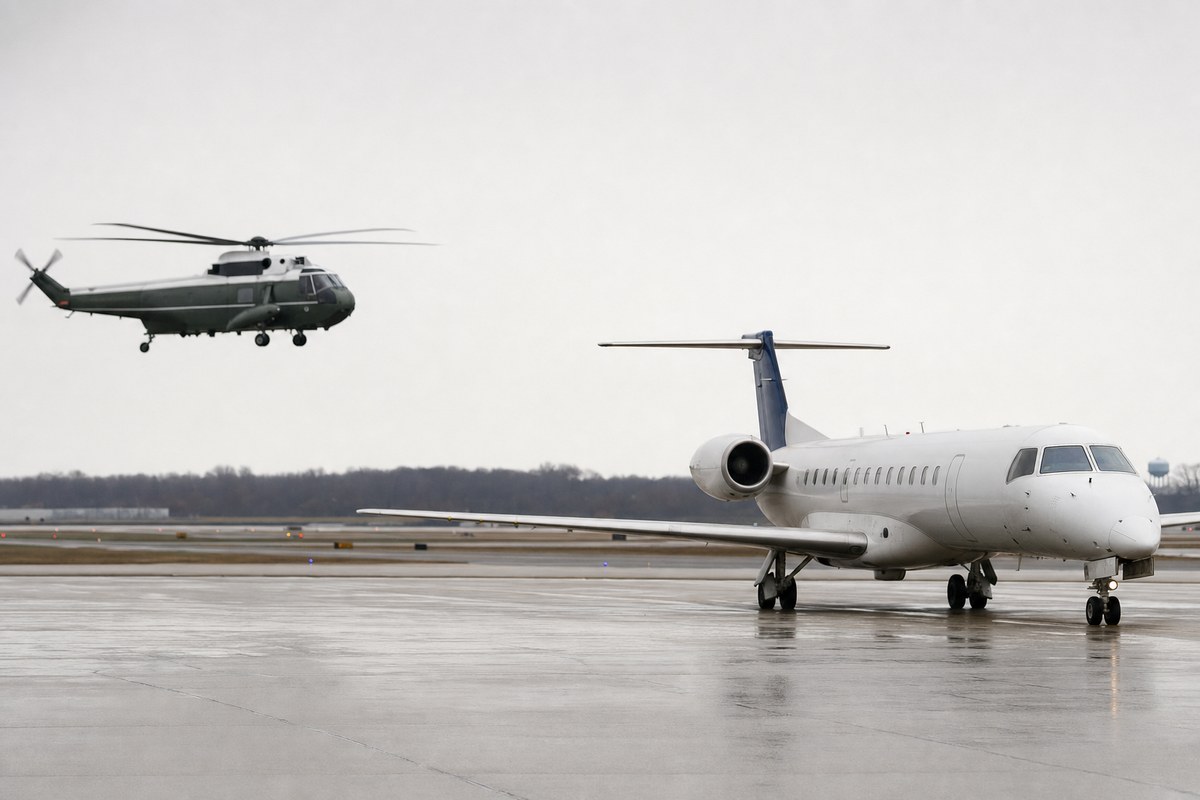
An airprox incident occurred between an Envoy Air Embraer E170 regional jet and 'Marine One', the call sign used for the helicopter carrying the US president. Advance warnings of the helicopter's take-off were not received ahead of the encounter between the two aircraft.
In the days before the encounter, concerns had already been discussed over the reliability of radio transmissions used to pass such warnings.
Industry impact & what to watch
Airprox events involving government or military movements often expose weaknesses in the notification chain rather than in aircraft handling itself — a warning that should have reached a flight crew or air traffic control simply did not arrive. When that failure follows prior, documented concern about the same communication channel, it points to a known vulnerability that had not been resolved before the encounter took place.
High-priority movements such as 'Marine One' typically rely on coordinated advance notice to keep other traffic clear, and any breakdown in that notice chain narrows the margin between routine airspace sharing and a close encounter. Whether the reliability concerns raised beforehand were acted on, and what changes follow in how take-off warnings are transmitted and confirmed, will determine whether this remains an isolated lapse or a recurring gap in the notification process.