Boeing 787 Dreamliner Stands as Best-Selling Widebody of 2025 Despite Troubled History
Why It MattersSustained widebody demand can persist through groundings, prolonged production halts and a fatal accident so long as an aircraft's fuel-efficiency and structural advantages remain unmatched by direct competitors.
What happened
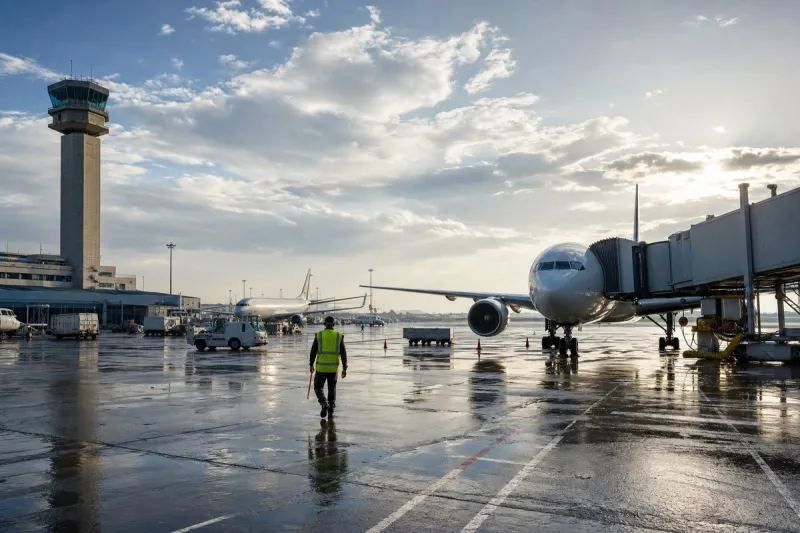
The Boeing 787 Dreamliner was the best-selling widebody aircraft globally in 2025, with Boeing having accumulated more than 1,800 orders for the type and over 1,100 aircraft delivered by the mid-2020s. The aircraft entered commercial service in October 2011 with All Nippon Airways, roughly three years later than originally planned, after integration problems stemming from Boeing's global outsourcing strategy delayed what had been scheduled as a 2008 first delivery.
In January 2013, two lithium-ion battery incidents — one on a Japan Airlines aircraft in Boston and another on an All Nippon Airways flight in Japan — led regulators worldwide, beginning with the US Federal Aviation Administration, to ground around 50 Dreamliners then in service. Boeing redesigned the battery system with improved insulation, enhanced monitoring, and a stainless-steel containment box designed to prevent fires from spreading beyond the battery unit; regulators approved the fix after approximately three months and the fleet returned to service.
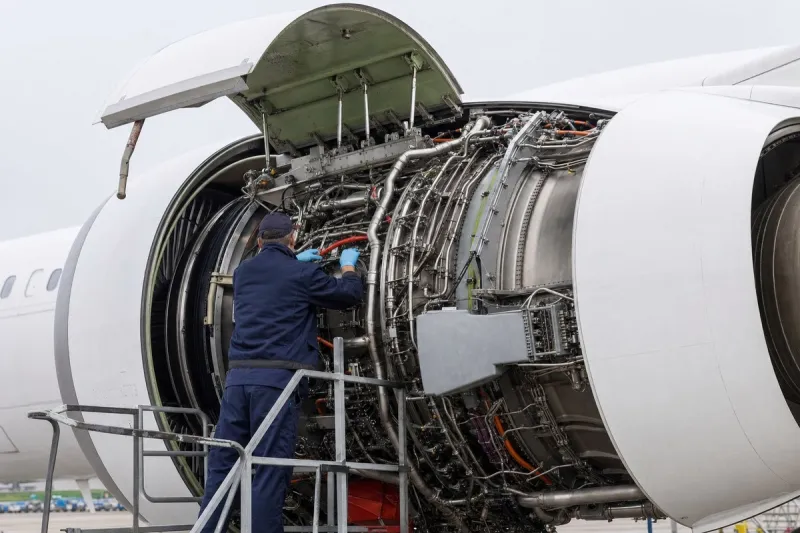
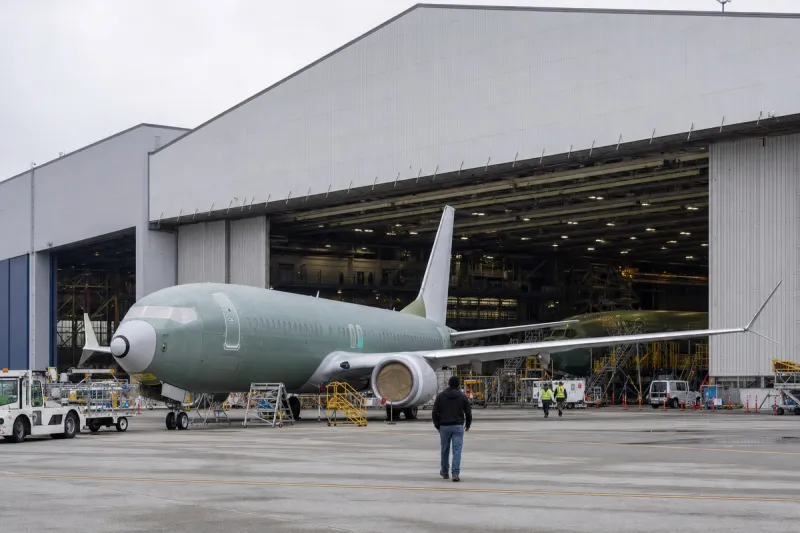
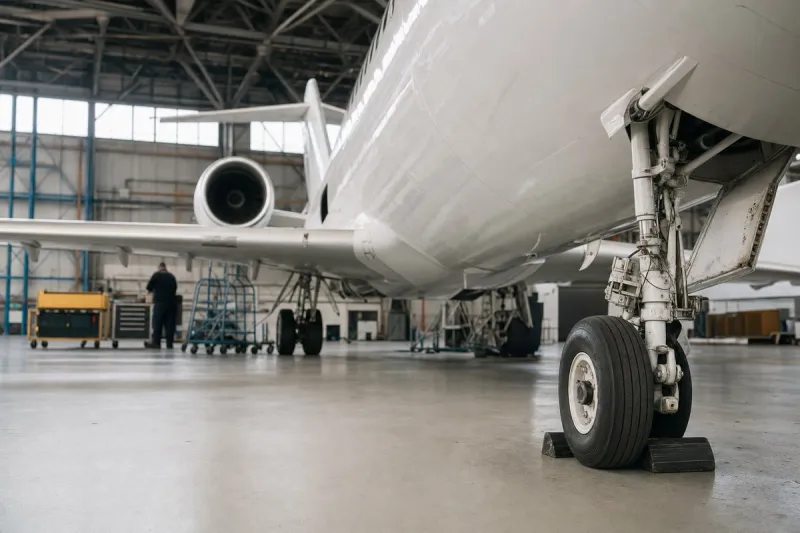
A second, more prolonged disruption began in 2020 when Boeing identified manufacturing defects at fuselage joins and other structural areas. Deliveries were halted multiple times between 2020 and 2023, with one pause lasting nearly a full year and leaving more than 100 aircraft undelivered. Production rates fell from a planned 14 aircraft per month to as few as two or three, and Boeing incurred billions of dollars in inspection, rework, and compensation costs before the FAA increased oversight requirements and approved resumed deliveries.
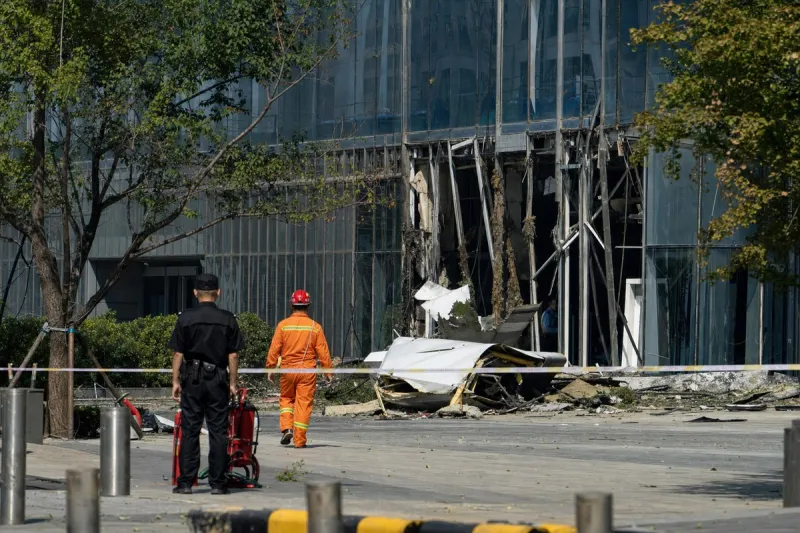
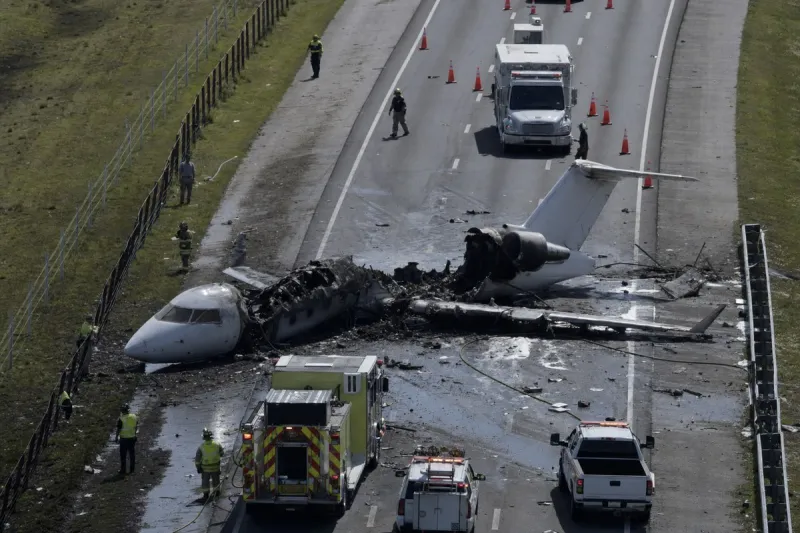
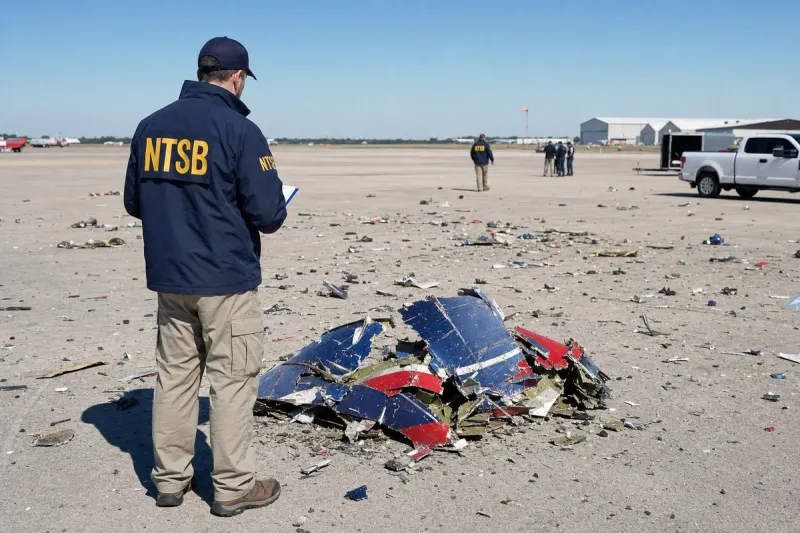
In 2025, Air India flight AI171 crashed shortly after takeoff, becoming the first fatal accident involving a 787. Investigators found no immediate evidence of a systemic design flaw, regulators did not ground the fleet, and airlines continued operating the type following the crash.
Why airlines keep buying it
The 787's commercial success is rooted in its combination of efficiency, flexibility, and passenger appeal. Compared with older aircraft such as the Boeing 767 and early Airbus A330 models, the 787 offers approximately 20-25% lower fuel consumption per seat. The aircraft is built with roughly 50% carbon-fiber-reinforced polymer composites by primary structure, compared with about 12% in the 767, and was the first large commercial aircraft to adopt a predominantly electric rather than pneumatic bleed-air architecture.
Industry impact & what to watch
The Dreamliner's trajectory shows how a widebody program can survive back-to-back operational crises — a fleet-wide grounding, a multi-year production halt, and a fatal accident — without losing its order book, provided the underlying efficiency case stays intact. Airlines buying widebodies weigh lifetime fuel and maintenance economics against the risk of disruption, and the 787's 20-25% fuel advantage over older twin-aisle types has evidently outweighed the accumulated history of battery fires and structural rework costs that ran into billions of dollars for Boeing.
The structural-defect episode between 2020 and 2023 also illustrates how widebody manufacturing risk now sits as much in fuselage joins and composite assembly as in engines or systems, and how a single production-rate cut — from 14 aircraft a month to two or three — can leave over 100 aircraft in inventory and strain a manufacturer's cash position for years. That the FAA responded with tighter oversight rather than a further grounding after the 2025 Air India crash indicates investigators saw no immediate systemic design signal, though the inquiry's eventual findings will determine whether that posture holds. Whether the 787 order book continues to grow will depend on how the investigation concludes and how Boeing manages the delivery cadence that has already proven fragile once.