Cessna 210 Annual Operating Costs Range from $25,000 to $45,000 at 100–150 Hours Per Year
Why It MattersPiston-single ownership economics hinge on utilization and airframe age, since fixed costs stay largely flat while fuel, overhaul reserves and maintenance findings scale with hours flown and years in service.
What happened
Operating a Cessna 210 costs between $200 and $300 per flight hour in 2024–2025, with direct variable expenses alone averaging $120–$150 per hour for some owners, according to a cost breakdown published by Jettly. Annual operating costs for a regularly flown aircraft typically fall between $25,000 and $45,000 at 100–150 flight hours per year, and can reach $45,000 at 200 hours annually.
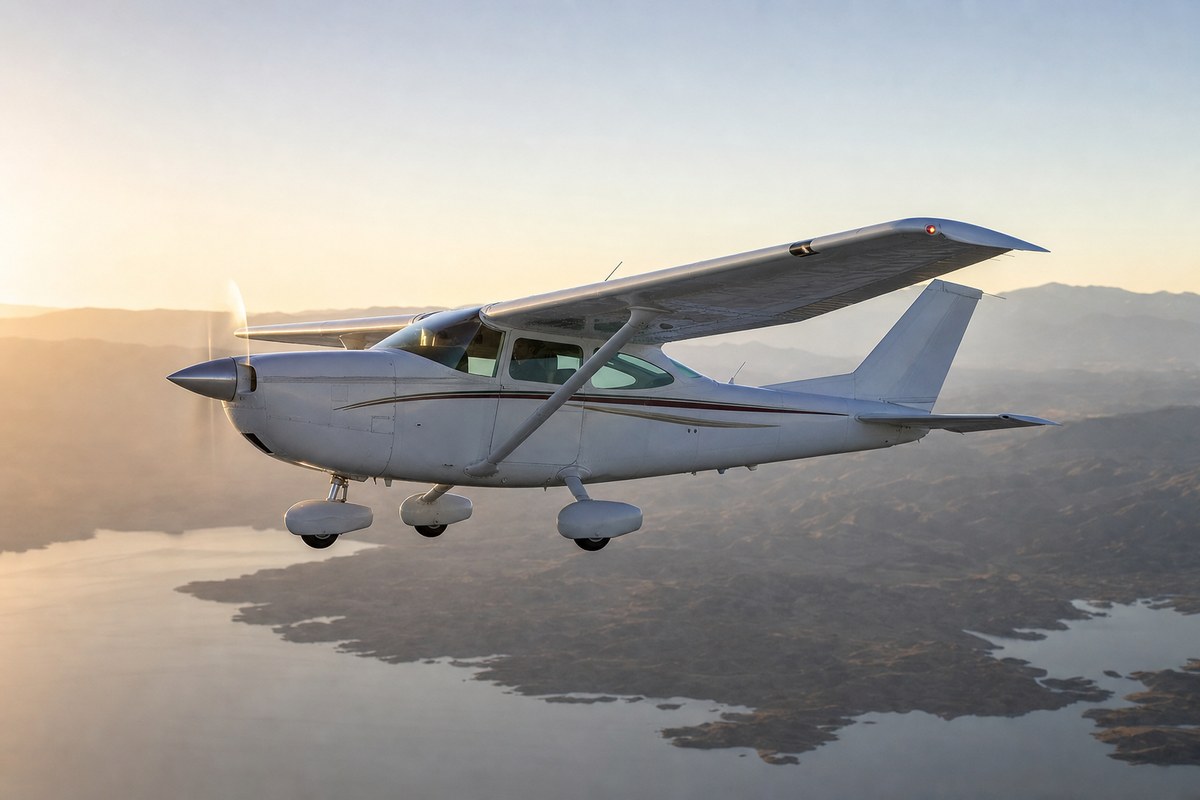
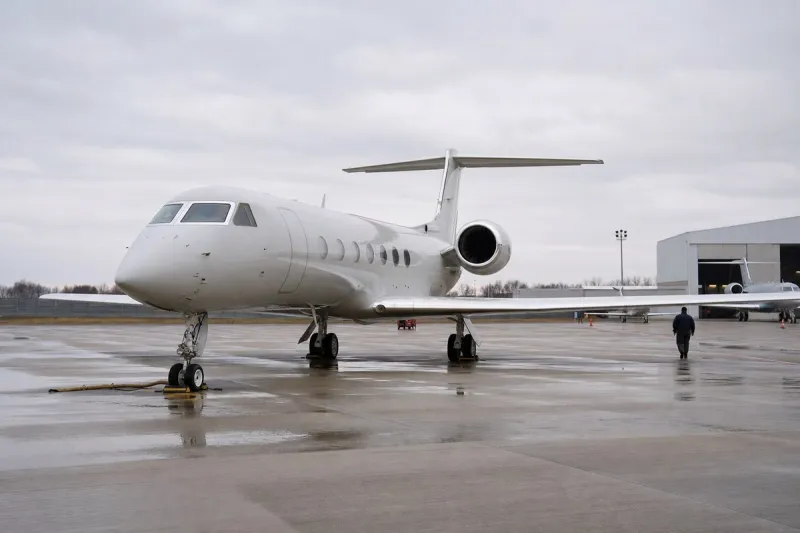
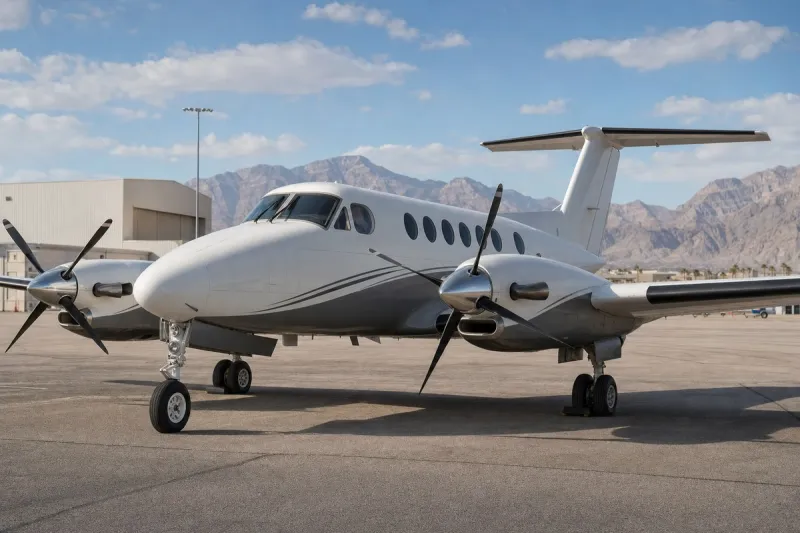
The Cessna 210 is a six-seat, retractable-gear, high-performance single-engine piston aircraft with IFR capability. Normally aspirated models burn approximately 14–15.5 gallons per hour in cruise; at avgas prices of $6–$7 per gallon across North America, fuel costs run $84–$112 per flight hour. Turbocharged (T210) and pressurized (P210) variants burn 16–18 GPH and sit at the upper end of cost ranges. Oil and fluid top-ups add $2–$4 per hour.
For a normally aspirated Cessna 210 flying 120 hours per year, fixed annual costs include insurance ($2,000–$5,000), hangar or tie-down ($4,000–$10,000), subscriptions for charts and navigation ($500–$1,500), and an annual inspection baseline ($3,000–$5,000), for total fixed costs typically ranging from $15,000 to $25,000 per year depending on region and aircraft condition. Variable costs per flight hour include fuel ($84–$112), oil and fluids ($3–$5), maintenance and parts reserves ($40–$60), and engine and propeller overhaul reserves ($25–$35).
Continental engines used in the Cessna 210 carry a typical time between overhaul of 1,500–2,000 hours, with combined engine and propeller overhaul costs of $40,000–$70,000 or more, translating to a reserve of roughly $25–$40 per hour flown. At high utilization, total variable costs for a Cessna 210N can reach $58,948 annually, while fixed costs for the same model can run $87,080 per year; at more typical private-owner utilization of 120 hours per year, combined costs fall in the $25,000–$40,000 range. Insurance costs range from $500 to $6,000 annually depending on hull value, coverage type, pilot experience, and hours flown, and hangar rental ranges from approximately $4,000 to $10,000 per year, from outdoor tie-down at $75–$150 per month to premium metropolitan hangars at $600–$800 or more per month.
Maintenance and airframe age
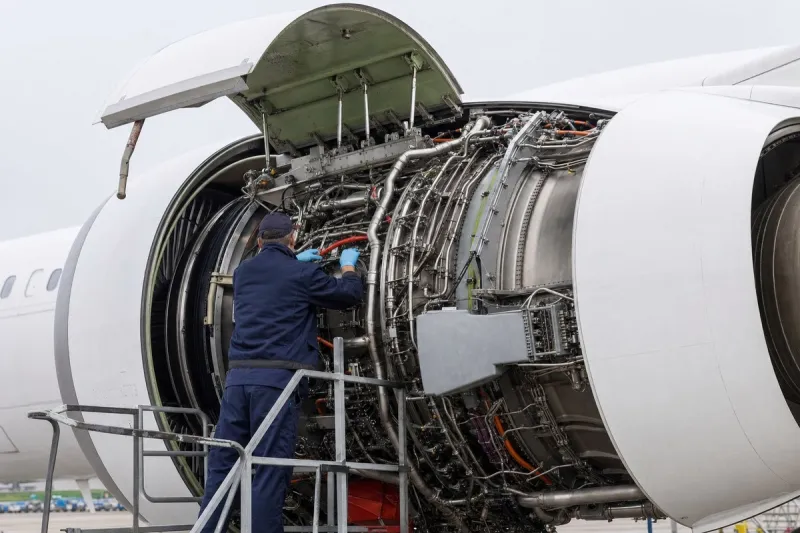
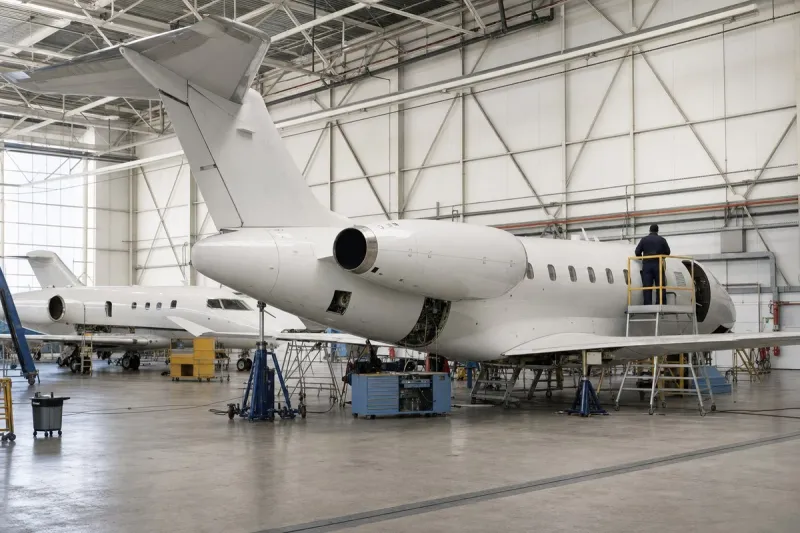
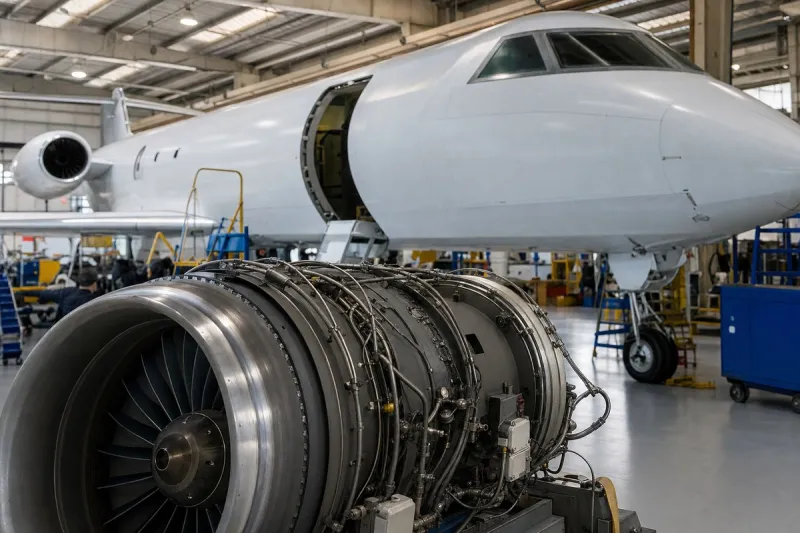
Maintenance is described as the most unpredictable cost category, particularly for aging airframes from the 1960s and 1970s. Common issues include corrosion in wing spars and tail structures, landing gear system wear, and exhaust or turbocharger work on T210 and P210 models. Annual inspections for a well-maintained aircraft cost $3,000–$5,000, excluding major findings.
Industry impact & what to watch
Cost figures like these show how piston-single ownership economics split into two blocks that behave differently: fixed costs (insurance, hangar, inspection baseline) stay roughly flat regardless of how much an owner flies, while variable costs (fuel, overhaul reserves, maintenance) scale directly with hours flown and with the complexity of the retractable-gear, high-performance airframe. That split is why the same aircraft type can show combined costs of $25,000–$40,000 at typical 120-hour utilization but far higher variable costs alone at intensive use.
Retractable gear and turbocharged or pressurized variants sit structurally above fixed-gear singles because their maintenance and overhaul reserves are higher per hour, not because fuel burn differs enormously. Engine and propeller overhaul reserves of $25–$40 per hour, set against a $40,000–$70,000-plus overhaul bill at 1,500–2,000-hour TBO, illustrate how a single deferred cost category can dominate an otherwise moderate annual budget.
The open variable for any individual owner is airframe age and prior maintenance history, since corrosion and gear wear on 1960s- and 1970s-built examples can push a given annual well past the $3,000–$5,000 baseline inspection figure. Whether a specific aircraft lands nearer the $25,000 floor or the $45,000-plus ceiling depends on inspection findings that only surface once the logbooks and airframe are examined.