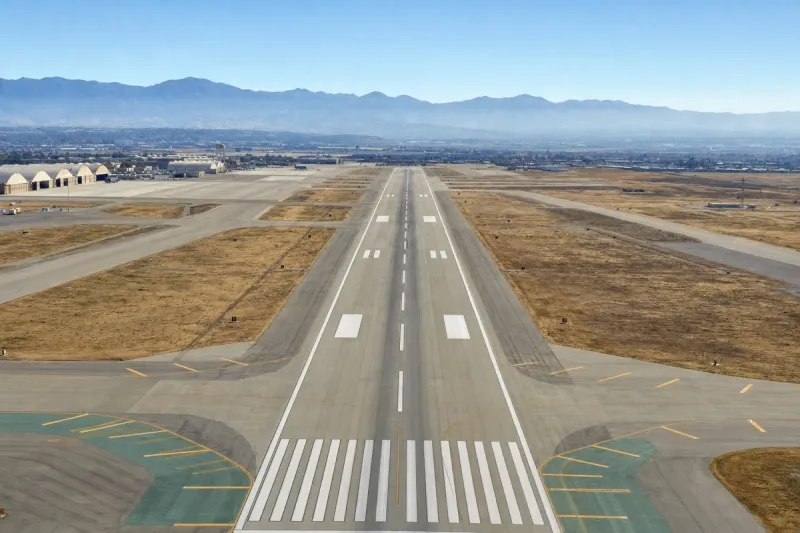
Thrust Flight Partners With Hampton University to Provide FAA Part 141 Flight Training in Virginia
Why It MattersUniversity aviation programs increasingly lean on outside Part 141 providers to launch flight training quickly, then work toward their own certificate once enrollment and infrastructure justify the transition.
What happened
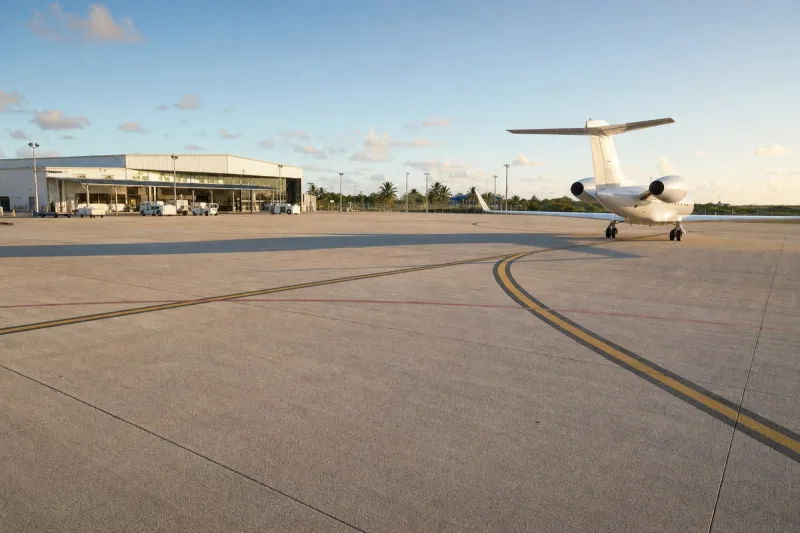
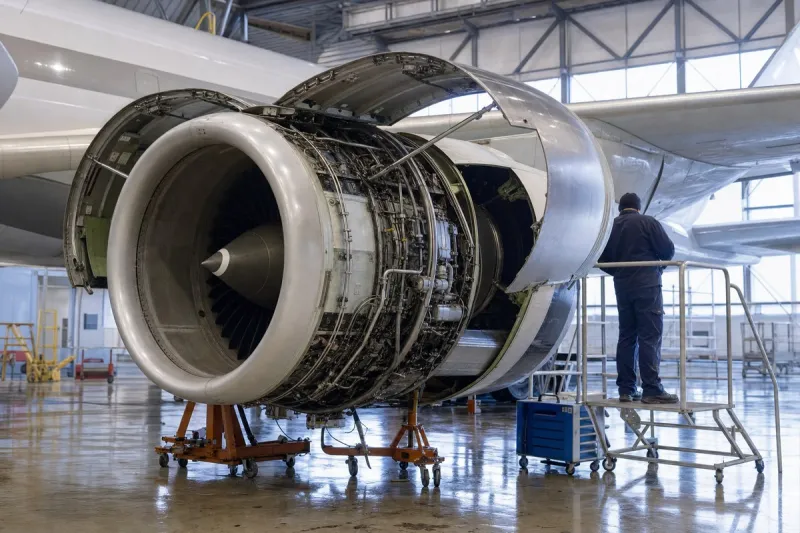
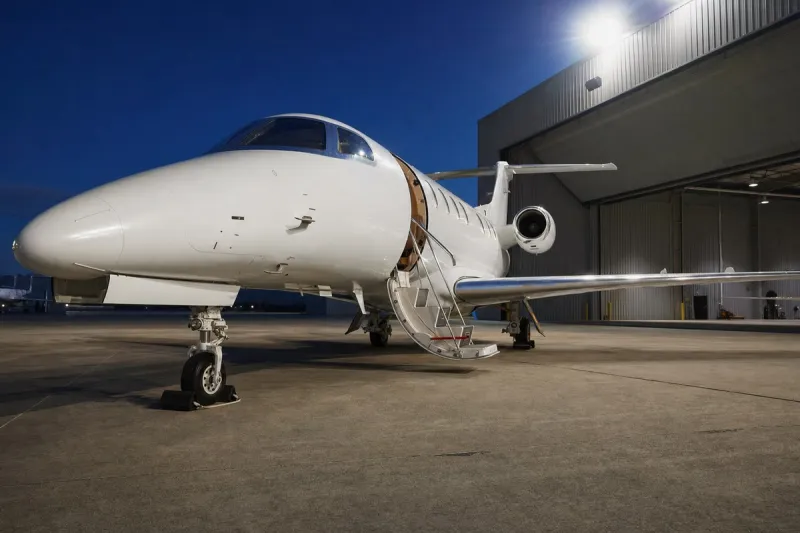
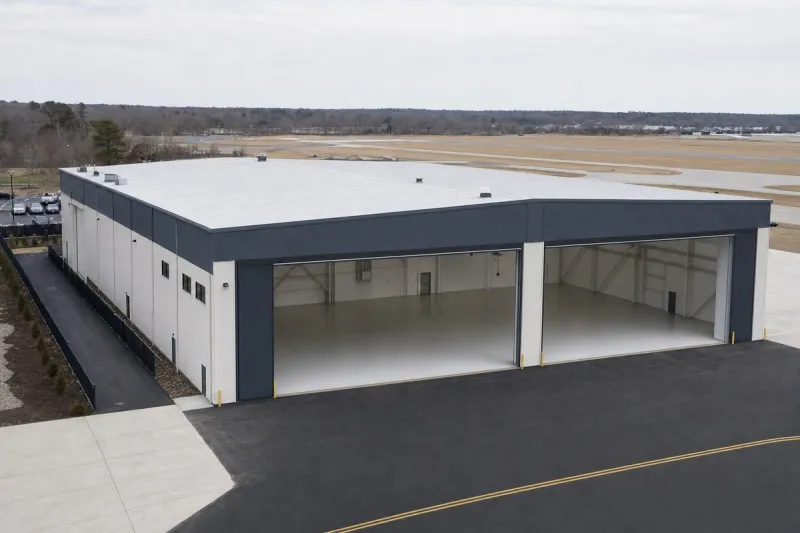
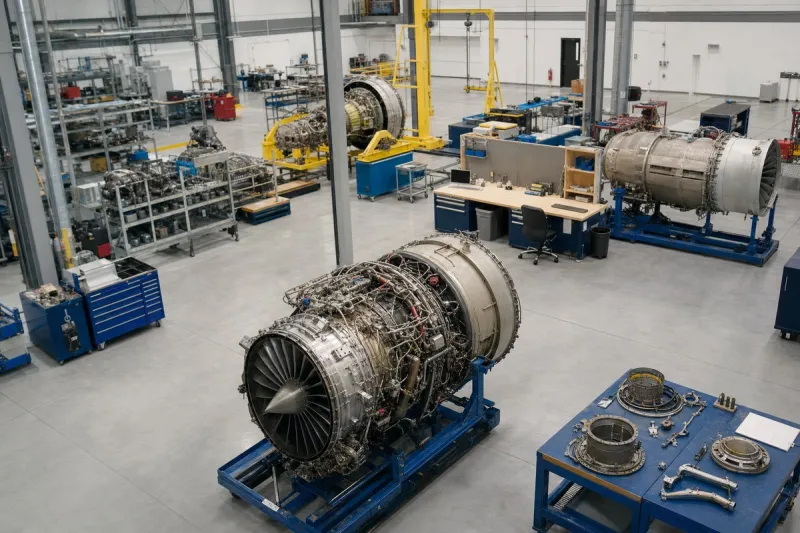
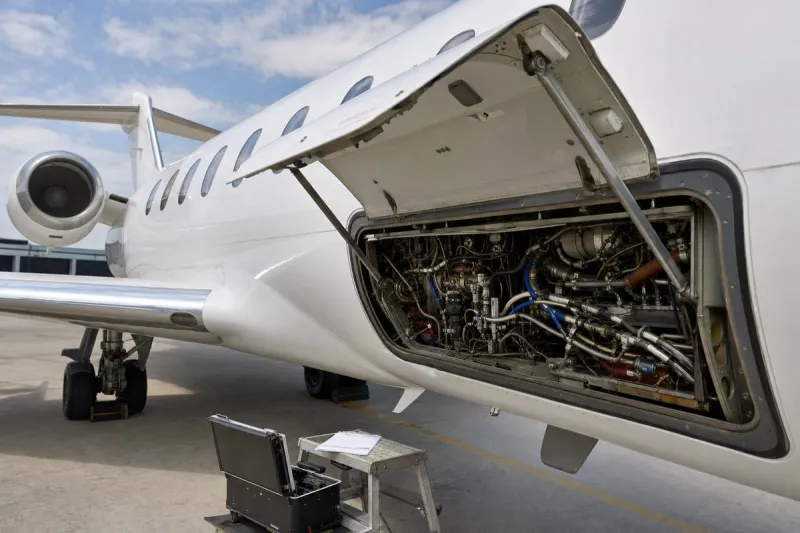
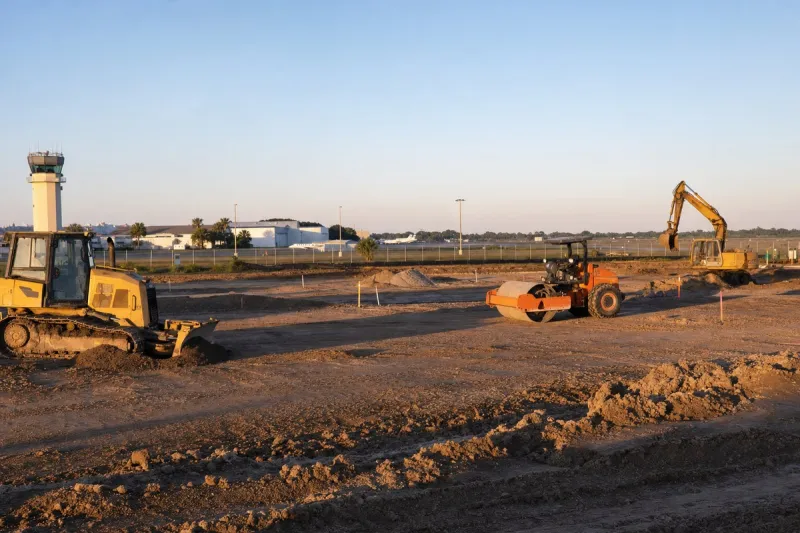
Thrust Flight, a U.S. aviation training provider and home of the Zero Time to Airline program, has entered into a partnership with Hampton University's Department of Aviation to serve as the flight-training partner for the university's Flight Education curriculum. The agreement is anchored by a new campus near Newport News/Williamsburg International Airport (KPHF) in Virginia, marking the company's first location on the East Coast and expanding beyond its home base in Texas and an additional school in Arizona. The new campus will offer pilot training as well as Aircraft & Powerplant (A&P) mechanic training to the public.
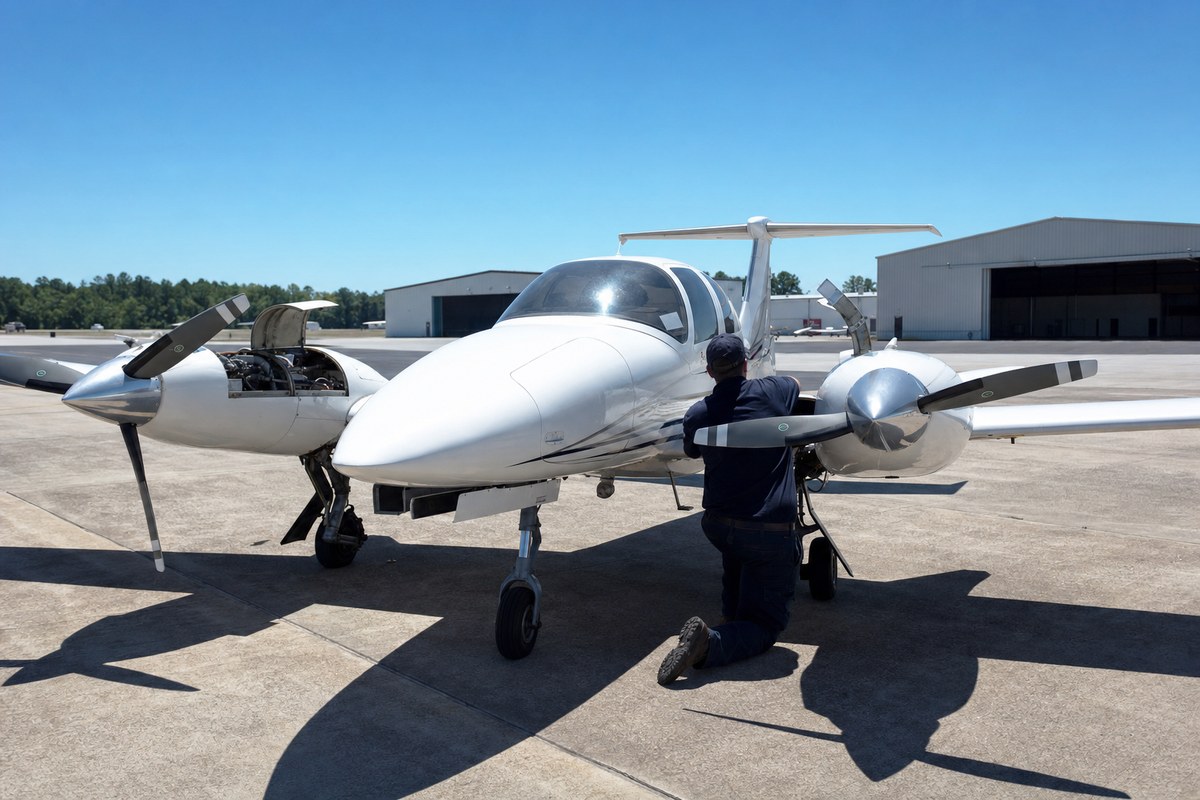
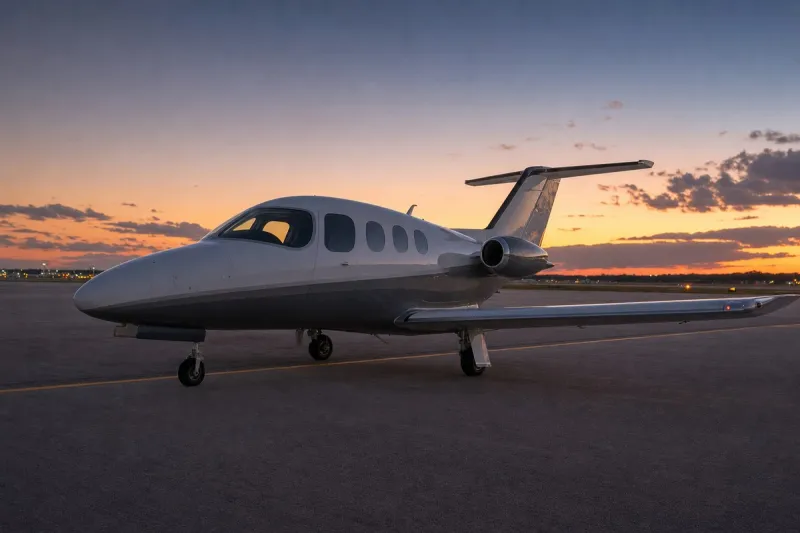
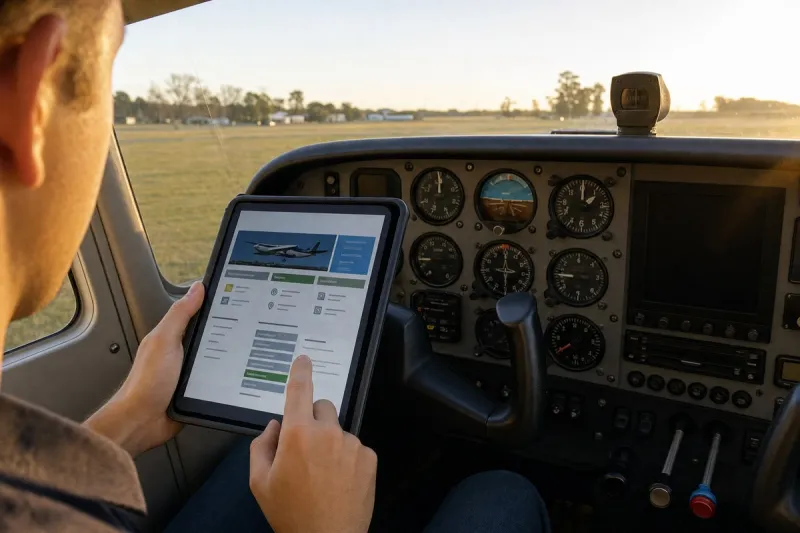
Under the agreement, Thrust Flight will provide Private, Instrument, Commercial, and Flight Instructor training under its own FAA Part 141 certificate to students enrolled in Hampton's Flight Education curriculum. Hampton University retains ownership of the degree program, curriculum, accreditation, and admissions, while Thrust Flight supplies the aircraft, certificated flight instructors, and day-to-day training operations.
The partnership is structured in two phases. In the first phase, Thrust Flight operates as Hampton's authorized flight-training provider. In the second phase, Thrust Flight will assist Hampton in pursuing its own FAA Part 141 Pilot School certificate, including course outline development and support through the FAA application process, so the university can eventually operate its flight program under its own authority without interrupting student training. Patrick Arnzen, CEO of Thrust Flight, said the agreement was built to get Hampton to that point, "starting with flight training now and moving toward their own certificate down the road." Joyce Shirazi, Dean of the School of Engineering, Architecture, and Aviation at Hampton University, said the partnership means students "can complete rigorous, industry-aligned flight training without ever leaving their academic home."
Industry impact & what to watch
This arrangement reflects a common path for university aviation programs that want to launch or scale flight training without first building their own certificated infrastructure: bring in a Part 141 provider to supply aircraft, instructors, and daily operations while the school keeps control of the degree, curriculum, and admissions. It lets a program like Hampton's begin producing pilot graduates on a defined timeline rather than waiting years for its own certificate to clear FAA review.
The two-phase structure is the detail worth watching. Thrust Flight is set up to hand off flight-training authority to Hampton once the university secures its own Part 141 Pilot School certificate, with Thrust Flight assisting on course outlines and the application process. Whether that handoff proceeds smoothly, and on what timeline, depends on how quickly Hampton's application moves through the FAA and whether the transition can happen, as described, without interrupting students already in training. The next marker to watch is Hampton's progress toward filing its own certificate application.