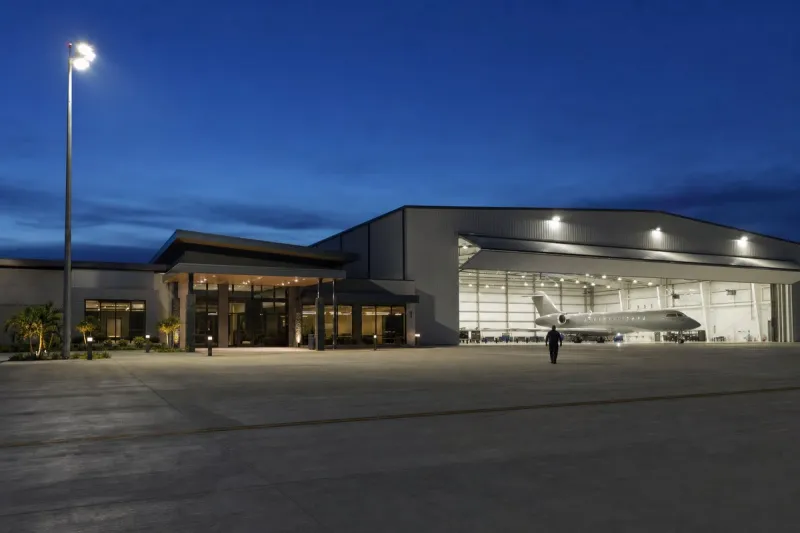
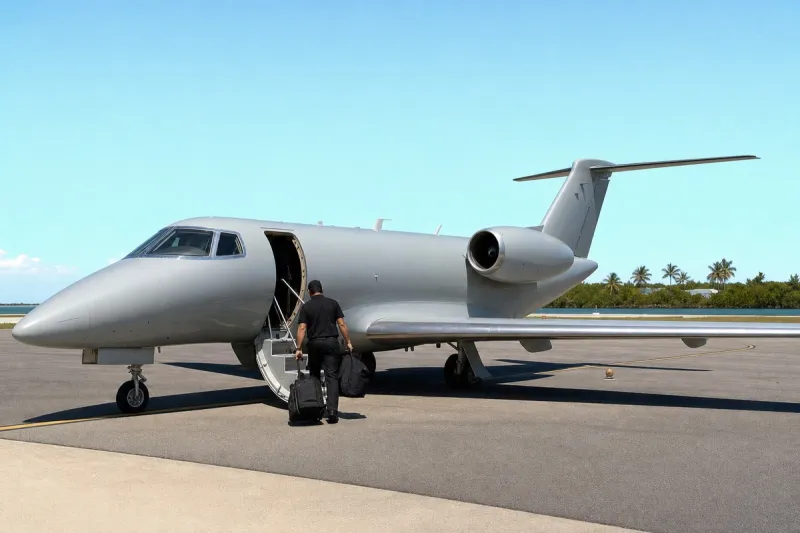
Tri-Cities Airport to Launch Its Own FBO, Replacing Tri-Cities Aviation with Holston Point Aviation
Why It MattersAirport-run FBOs let operators spread fixed costs across multiple business lines, but replacing an incumbent general aviation operator can leave pilots and staff facing an unsettled transition period.
What happened
Tri-Cities Airport (TRI) announced Thursday that it will not renew its contract with Tri-Cities Aviation, the airport's current general aviation operator, and will instead run its own fixed-base operation under the name Holston Point Aviation. TRI CEO Gene Cossey said the airport has been in a five-year transition period to give Tri-Cities Aviation time to wind down its business while the airport prepares the new facility, with the changeover expected to be completed in late April or May of next year.

Cossey said the decision stemmed from the airport's master plan for overall improvement and that no growth agreement could be reached with Tri-Cities Aviation. He said the airport-run FBO aims to offer services at more affordable prices by spreading costs across multiple lines of business.
Local pilot Rick Kinzer said many customers were caught off guard by the announcement, with few details shared about the ownership transition. Kinzer said pilots have concerns about who will handle day-to-day operations, aircraft movement, and maintenance under the new FBO, and called for current employees to be retained during the changeover. He said a meeting with Cossey and the incoming FBO manager has taken place, but gaps remain, and he is working to establish a pilot advocacy advisory group at the airport. Cossey said TRI is developing a general aviation advisory committee and is committed to working with pilots through the transition, acknowledging that many operational details are still being finalized.
Industry impact & what to watch
An airport taking direct control of its FBO instead of contracting the function out is one way general aviation facilities try to capture revenue that would otherwise go to a third-party operator, and it typically happens when an airport's own master plan and an incumbent operator cannot agree on growth terms. Spreading fixed costs across multiple lines of business is the logic airports use to justify running an FBO themselves rather than continuing to lease that role out.
The transition period matters here because staffing, aircraft handling, and maintenance continuity are exactly what pilots flag first when an operator changes hands, and those functions can lapse in the gap between an old contract ending and a new one being fully staffed. Whether current employees are retained, and whether the promised advisory committee gives pilots real input before the switch, will determine how smooth the handover to Holston Point Aviation actually is.
The next marker to watch is the completion date itself, targeted for late April or May of next year, alongside whatever the general aviation advisory committee produces once it is formed.