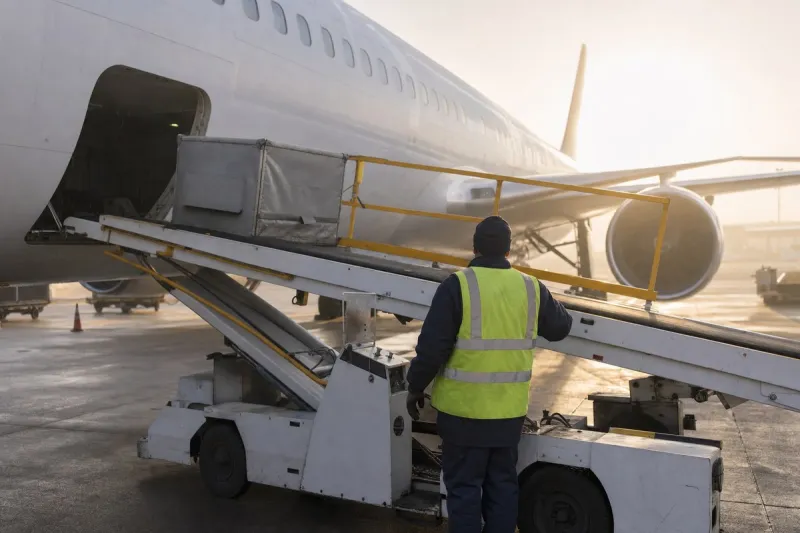
What Ground Crews Do During Every Aircraft Turnaround Before Passengers Notice
Why It MattersTurnaround reliability depends less on any single team's speed than on how well disparate contracted providers hand off tasks within one shared, standardized time window.
What happened
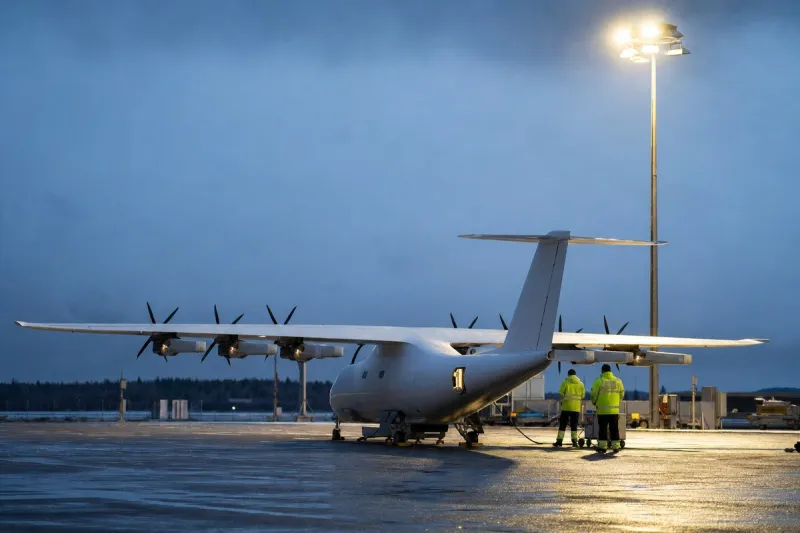
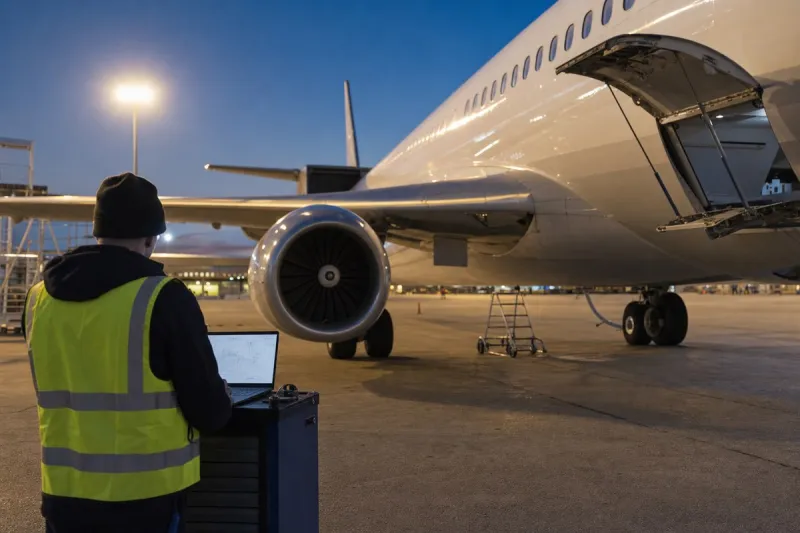
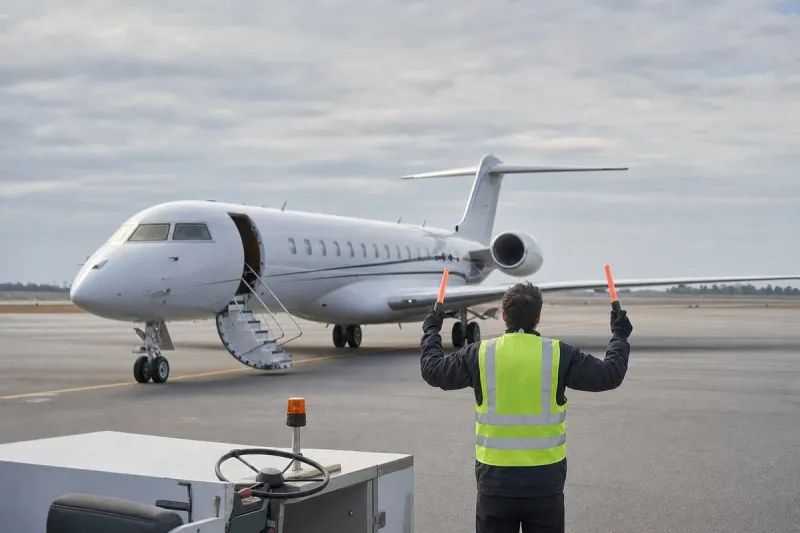
Ground operations teams follow a coordinated sequence during every aircraft turnaround, governed by standards set by the International Air Transport Association (IATA), covering aircraft handling, baggage, cargo, fueling, load control, and aircraft movement. A ramp supervisor or turnaround coordinator is responsible for synchronizing ramp agents, loading supervisors, fuel personnel, catering and cleaning teams, and maintenance staff, who all work around the aircraft within a constrained ground window.
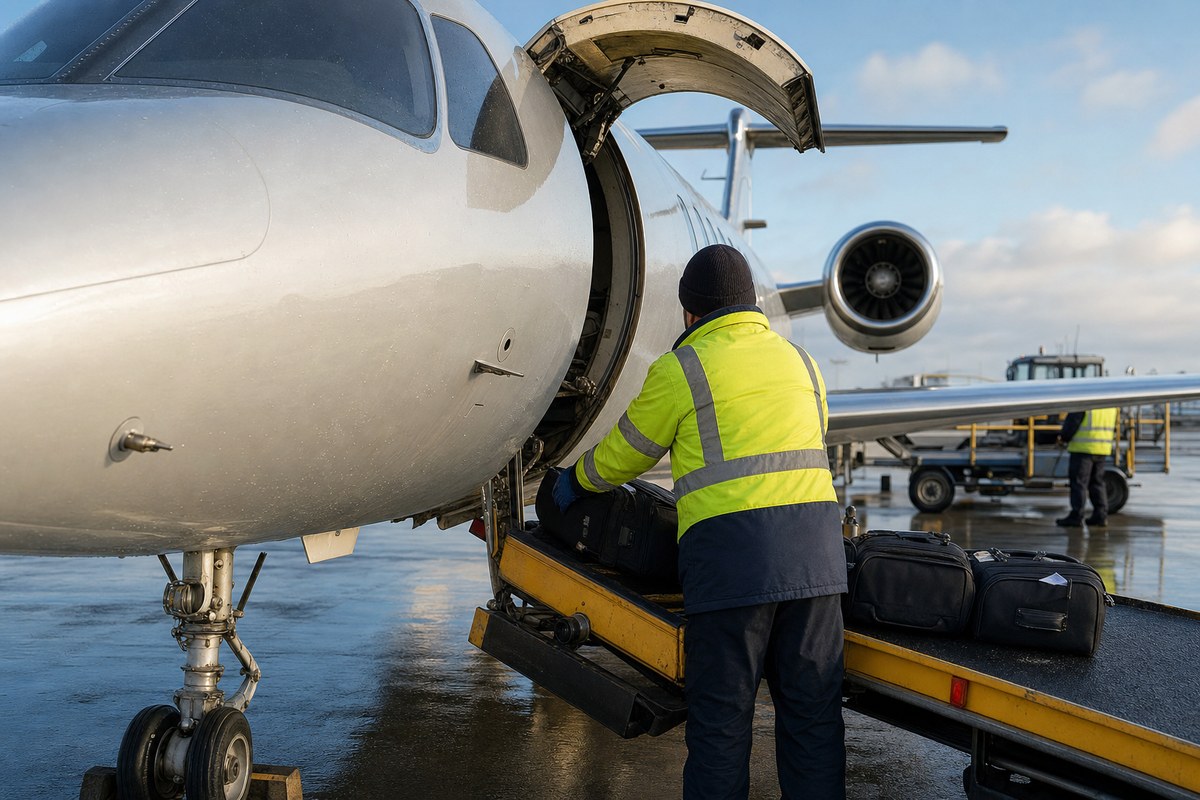
After unloading, personnel inspect cargo holds for shifted baggage containers, damage, and spills before reloading begins, and unit load devices (ULDs) are checked for damage and matched to the specific aircraft's configuration before being placed aboard. IATA identifies aircraft ground damage as one of the common causes of turnaround delays, alongside missing passengers and untimely ground-handling services. During loading, ground personnel cross-check ULD gross weights, destination codes, and other load details, ensure proper restraint, and position loose baggage according to the applicable loading configuration; ramp supervisors also ensure baggage is scanned correctly and that no bags are left behind.
Fueling, catering, and cabin cleaning proceed simultaneously with baggage handling, with fuel quantity feeding directly into load-control calculations. Once loading is complete, load-control personnel establish the aircraft's final weight-and-balance condition, a discipline IATA treats as distinct with its own regulatory requirements and documentation; a final hold check and completion of the Loading Instruction Report create a documented endpoint for the operation. Prior to pushback, ground staff connect the pushback tractor to the nose gear, remove wheel chocks, confirm servicing equipment has been cleared, and the ramp supervisor confirms all service providers have completed work and no irregularities remain before the aircraft is cleared to move.
Industry impact & what to watch
This account describes turnaround as a sequencing problem more than a labor problem: fueling, catering, cleaning, baggage loading, and load control all run in the same short window, and a delay in any one function propagates into the next stage rather than staying contained. IATA's decision to standardize handling, baggage, cargo, fueling, load control, and aircraft movement together, rather than leaving each function to its own operator, reflects the reality that ground handling on any given turnaround is performed by separate contracted organizations — ground handlers, fuel providers, caterers, and cleaning contractors — who never worked together as a single company but must still hand off cleanly.
Load control's role as the final checkpoint is worth watching closely: because it must reconcile actual passenger counts, bag counts, and cargo quantities against the planned load, and produce a Loading Instruction Report as a documented endpoint, it functions as the last point where an inaccurate assumption gets caught before pushback. Ground damage to aircraft, cited as a common cause of turnaround delay alongside missing passengers and late ground-handling services, points to inspection steps like the post-unloading cargo-hold check as recurring friction points rather than rare exceptions. Whether individual airports or handlers report against these standards consistently is the detail that would determine how much these procedures actually reduce delay in practice.