U.S. Airports Begin Preparing for eVTOL Era as First Certified Aircraft Remain Years Away
Why It MattersGround infrastructure investment is becoming the bottleneck in advanced air mobility, since airports that wait for aircraft certification before building vertiports risk delaying operational readiness once approvals arrive.
What happened
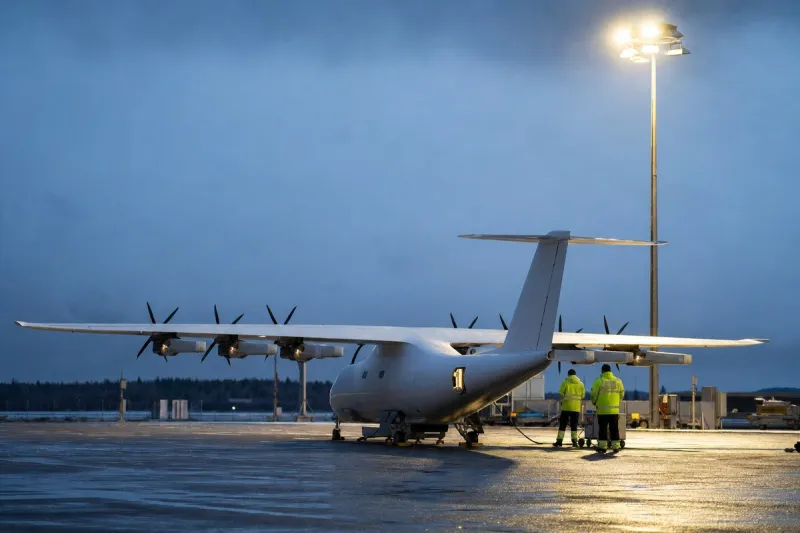
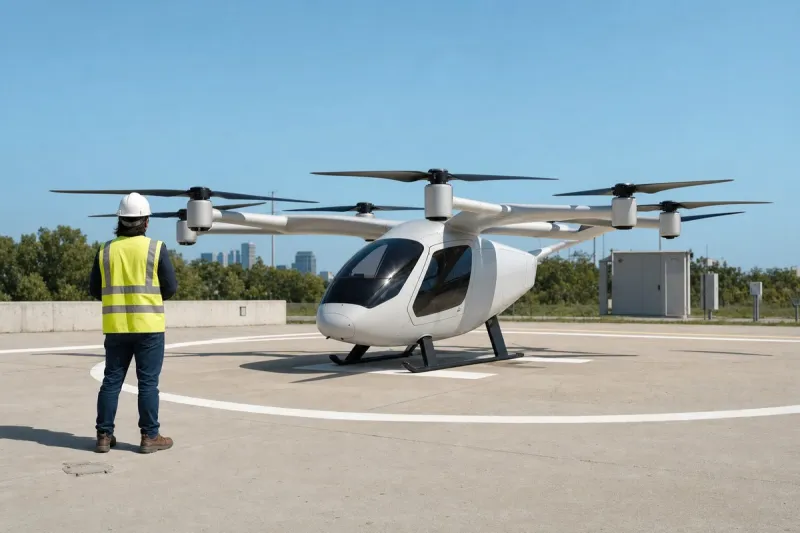
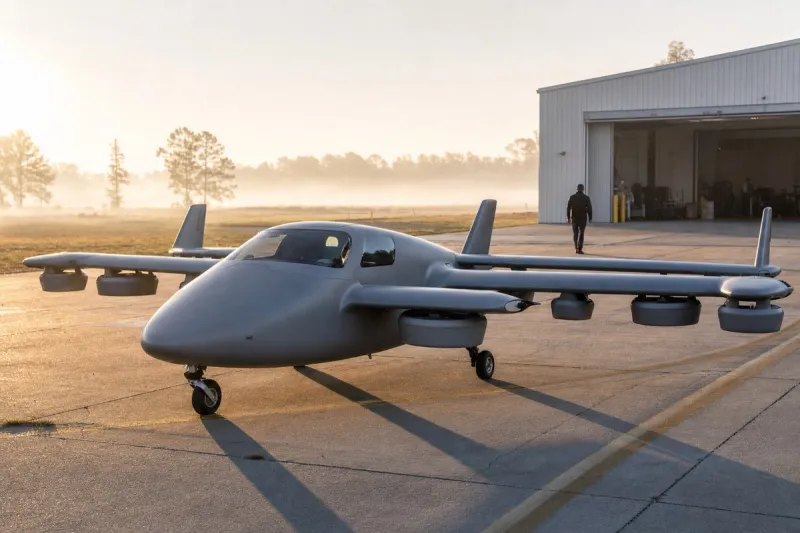
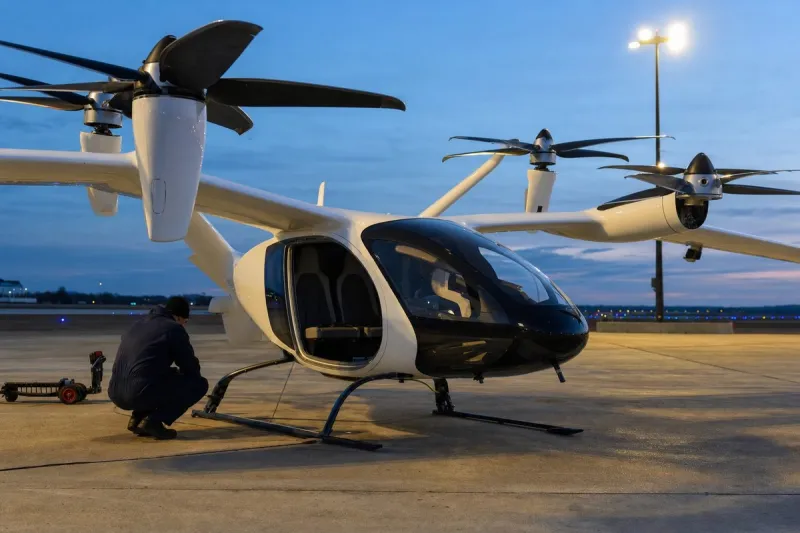
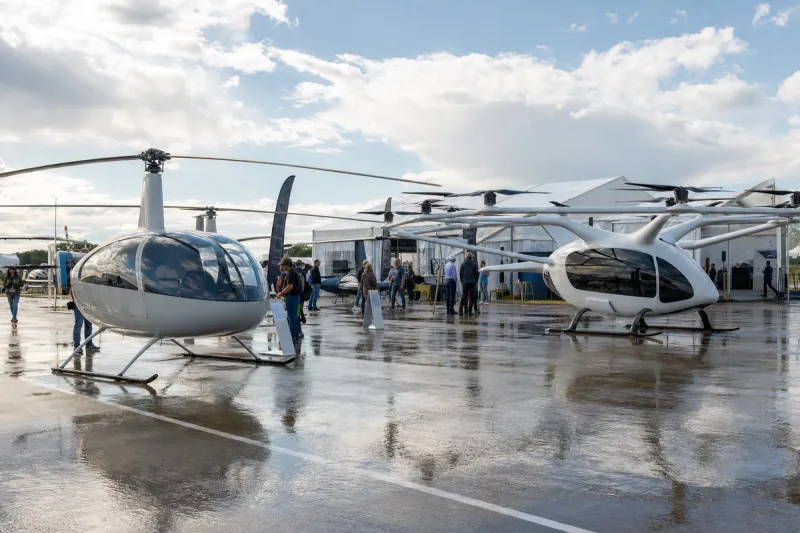
Industry observers say the United States is within a few years of seeing its first certified electric vertical takeoff and landing (eVTOL) aircraft, though significant infrastructure challenges remain before advanced air mobility can become operational at scale. Archer Aviation, Beta Technologies, and Joby Aviation are named as the manufacturers furthest along in the certification process.
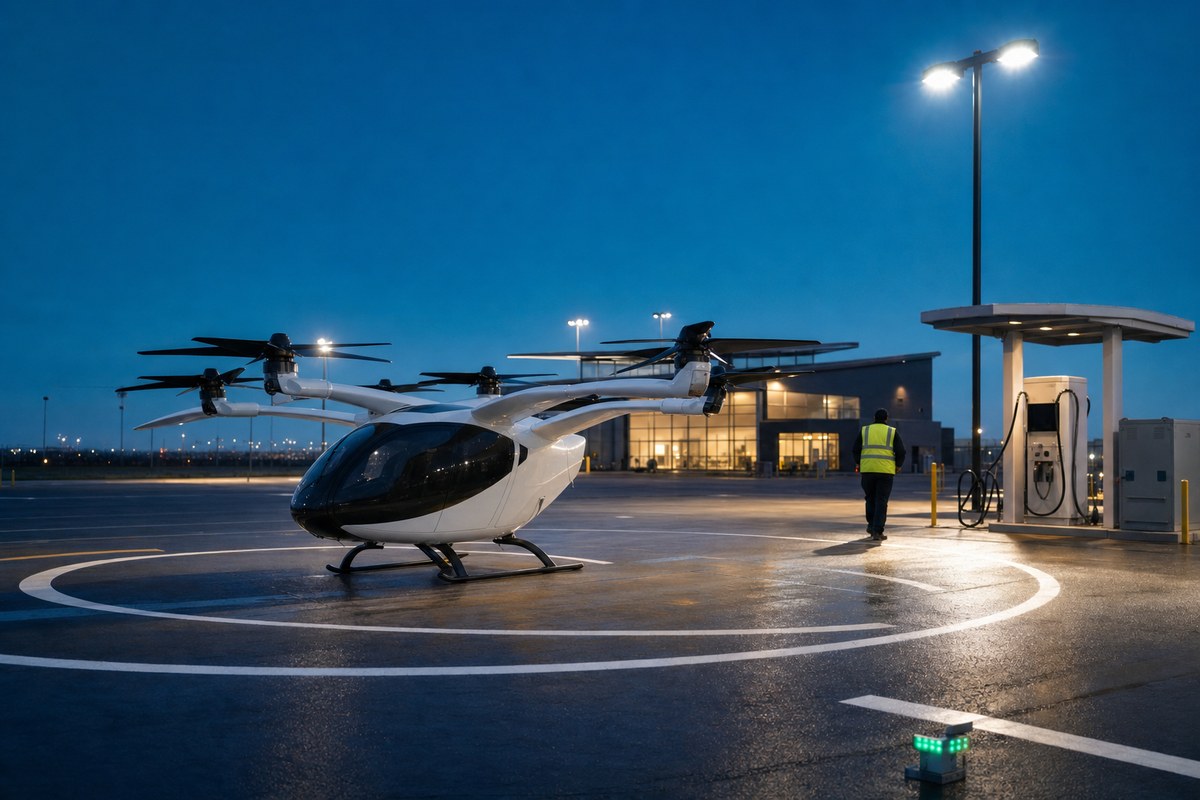
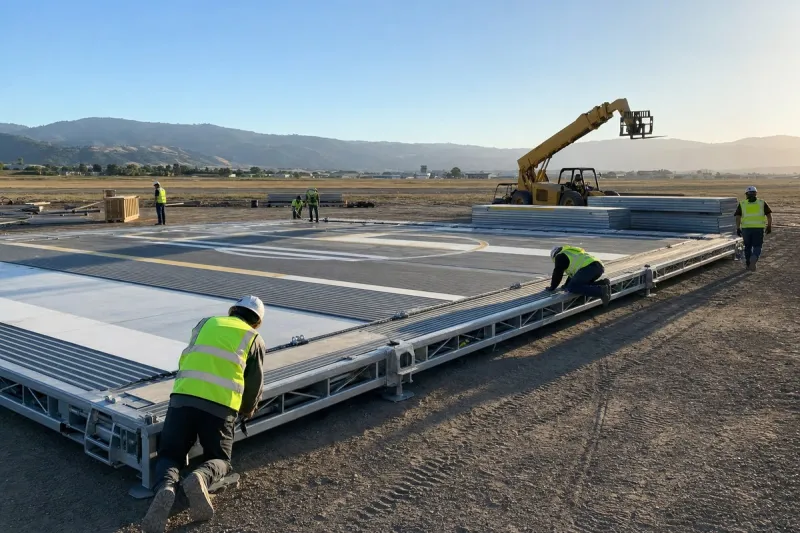
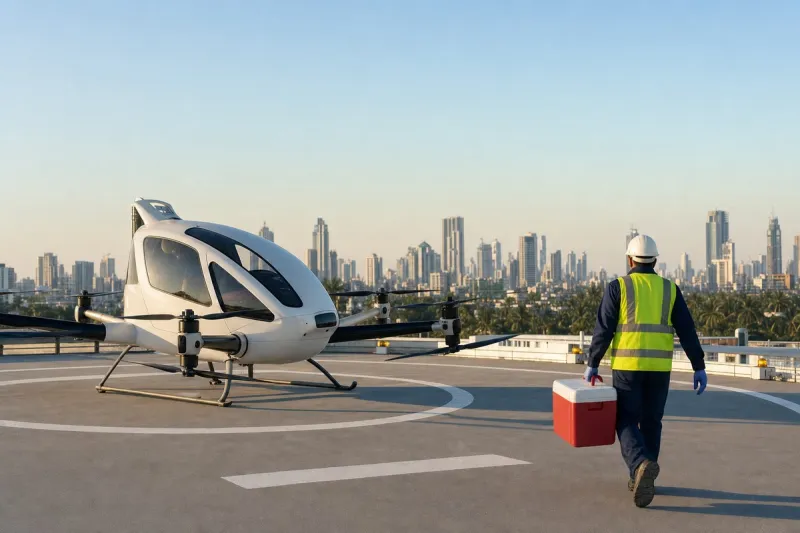
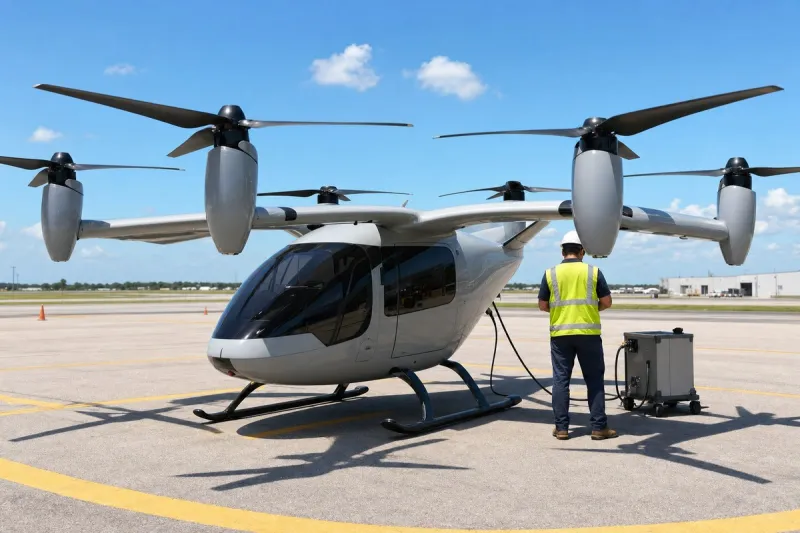
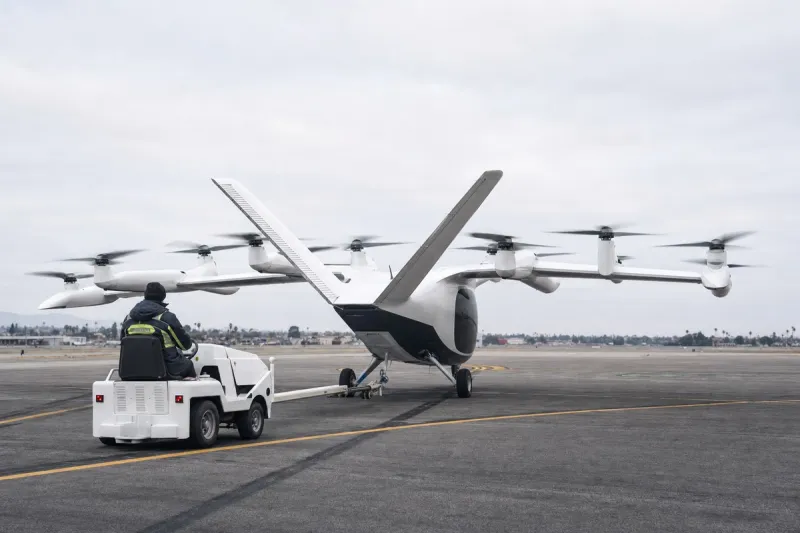
Initial eVTOL operations are expected to augment traditional aviation for specific missions such as emergency medical services and cargo transport. A critical challenge facing the sector is the development of ground infrastructure, including charging stations and vertiports, and many airports have been reluctant to invest in such infrastructure ahead of aircraft certification.
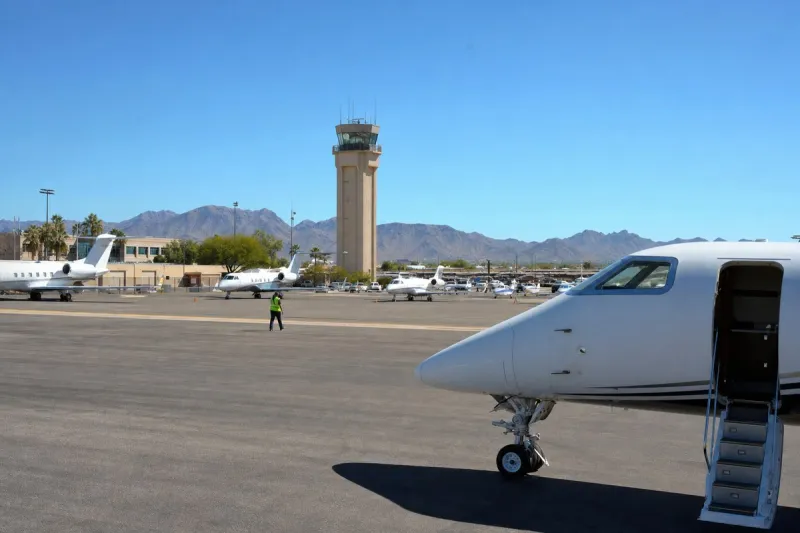
Despite that hesitation, some facilities are moving forward: Springfield-Beckley airport and Vertiport Chicago are actively preparing for AAM operations through infrastructure planning, testing, and participation in FAA pilot programs. The 2028 Summer Olympics in Los Angeles are expected to serve as a showcase for the technology, with Archer Aviation's eVTOL aircraft planned as the official air taxi service for the event.
Industry impact & what to watch
This is a familiar sequencing problem in aviation infrastructure: the ground assets that make a new aircraft category usable are expensive to build and hard to justify before the aircraft itself is cleared to fly commercially. Airports that commit early to vertiports and charging stations carry the cost and the risk that certification timelines slip further, while airports that wait risk being unready when Archer, Beta, or Joby aircraft do reach service.
The emergency medical services and cargo missions cited as likely first uses matter because they let operators prove reliability and utility on limited routes before scaling to passenger air taxi service, which needs denser vertiport networks and higher throughput. Springfield-Beckley and Vertiport Chicago's participation in FAA pilot programs positions them as early test cases the rest of the industry can watch for how vertiport design, charging standards, and airspace integration actually work in practice.
The 2028 Los Angeles Olympics function as a fixed deadline that concentrates attention: an official air taxi role for Archer's aircraft at a global event gives the sector a hard date against which certification progress, vertiport buildout, and public acceptance will all be measured together.