FBO Market Outlook 2026–2034: SAF Mandates, Network Consolidation, and eVTOL Integration Shape Business Aviation Ground Services
Why It MattersFuel supply concentration, SAF compliance pressure and emerging vertiport demand are set to reshape competitive positioning among FBO operators and reallocate ground-handling revenue at constrained hub airports.
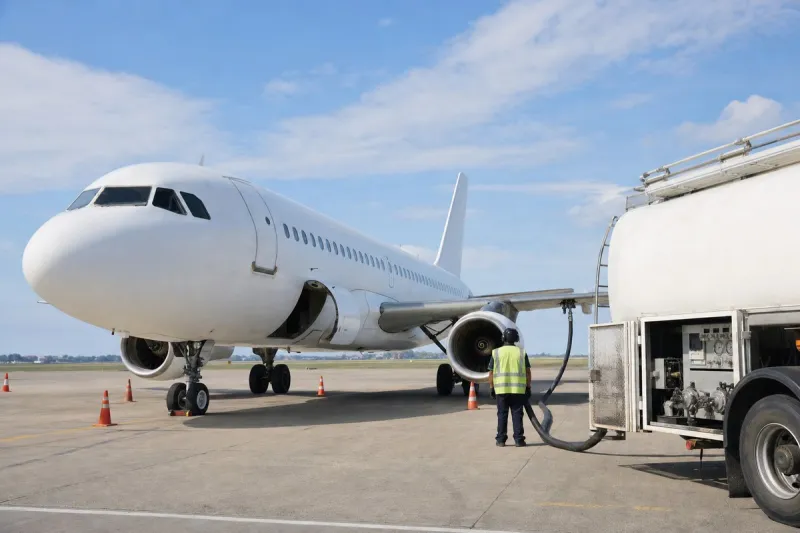
Fixed Base Operators, the certificated ground service providers supplying fuel, hangaring, maintenance and passenger services at airports, serve general aviation, business aviation and charter operators worldwide. The market includes standalone facilities alongside large network operators such as Signature Aviation, Atlantic Aviation, and Jet Aviation, which control high-traffic hub locations, while hundreds of independent single-location FBOs serve secondary and tertiary airports. U.S. business aviation flight hours exceeded 2019 benchmarks by 11% in 2023, according to the NBAA, prompting corporate flight departments to formalise preferred FBO relationships to secure ramp access and fuel availability during peak periods.
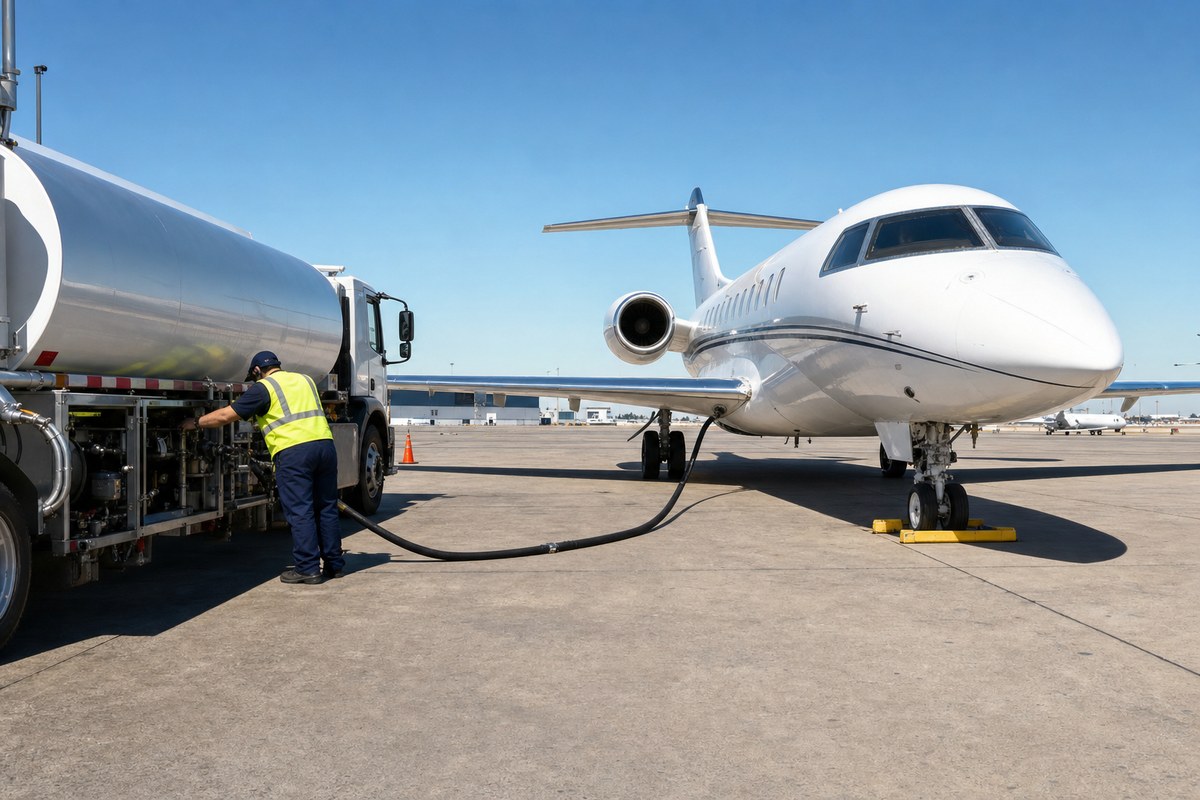
Sustainable aviation fuel adoption is becoming a structural force in the market, with EU ReFuelEU mandates and U.S. SAF tax credits accelerating corporate fleet commitments to SAF uplift. FBOs lacking certified SAF supply chains risk losing premium corporate accounts by 2027, and fuel costs at constrained hub locations are projected to rise 18–22%. Supplier concentration at airports such as Teterboro, Van Nuys, and London Biggin Hill, where a single FBO holds the exclusive or dominant ground lease, pushes fuel margins 40 to 80 cents per gallon above regional averages. Buyers also encounter cost opacity in hangar lease arrangements, where actual annual expenditure often exceeds contracted estimates by 25–35% once escalation clauses, minimum usage fees, ramp fees, GPU charges, and deicing fees are factored in.
Electric vertical takeoff and landing aircraft infrastructure integration is identified as the most commercially significant emerging opportunity, with vertiport-capable FBO locations near urban centres positioned to capture ground handling revenue from advanced air mobility operators as eVTOL commercial services are expected to launch in key U.S. and European markets between 2026 and 2028. Joby Aviation and Archer Aviation have both signalled intentions to use FBO facilities as vertiport nodes at regional airports. Technology-enabled aggregator platforms, including FuelerLinx and Avfuel's digital procurement tools, are giving buyers real-time fuel price visibility and volume consolidation across multiple FBO networks.
The United States hosts more than 3,000 public-use airports served by FBO operators, with demand concentrated at business aviation hubs in the Northeast corridor, South Florida, Texas, and the Mountain West. Europe is the second-largest region and the fastest-growing among established markets, driven by private aviation expansion among technology and finance sector clients in the UK, Switzerland, Germany, and France.