Otto Aerospace to Begin Construction at Cecil Airport in 2028, Aircraft Manufacturing Targeted for 2030
Why It MattersThe project shows how new aircraft programs increasingly bundle public incentives, phased facility construction, and pre-launch orders to de-risk manufacturing before certification is complete.
What happened
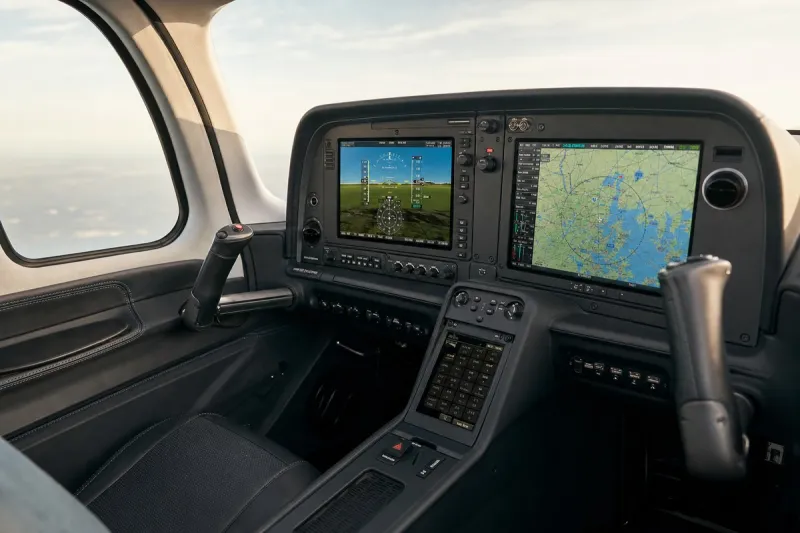
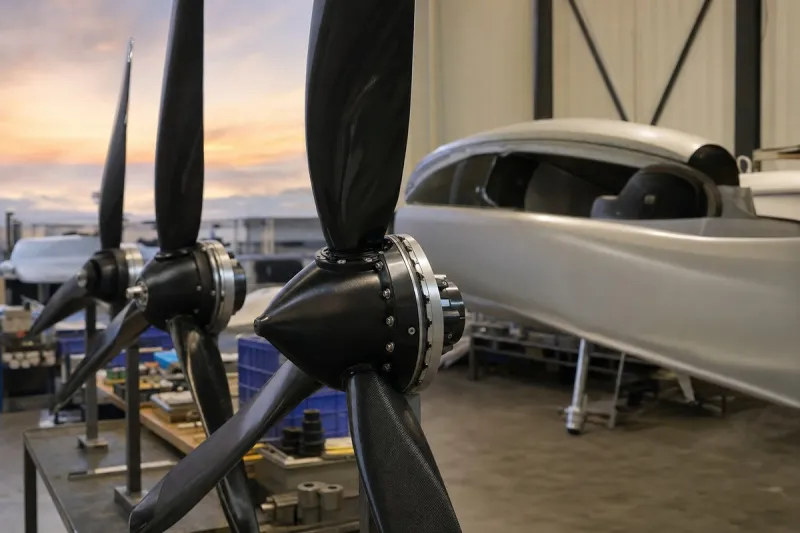
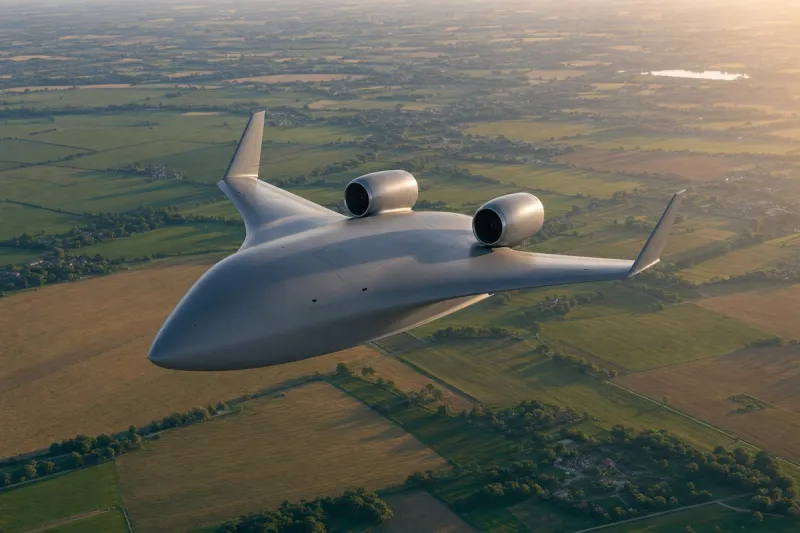
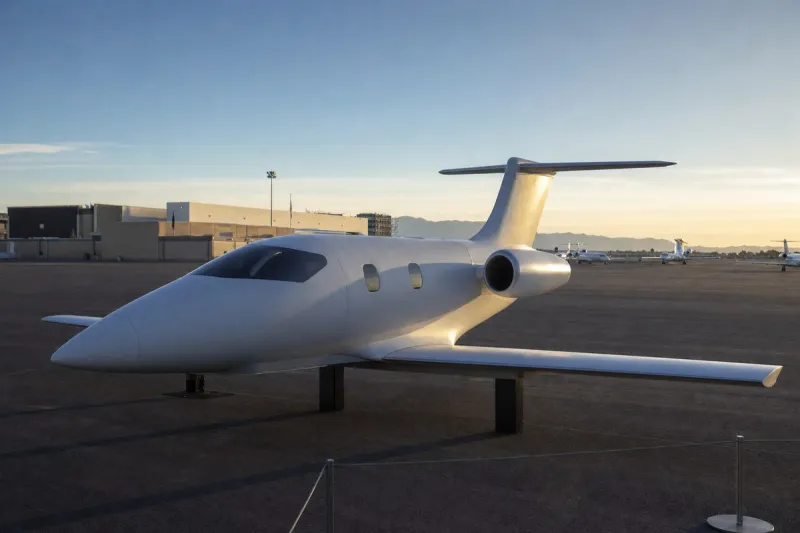
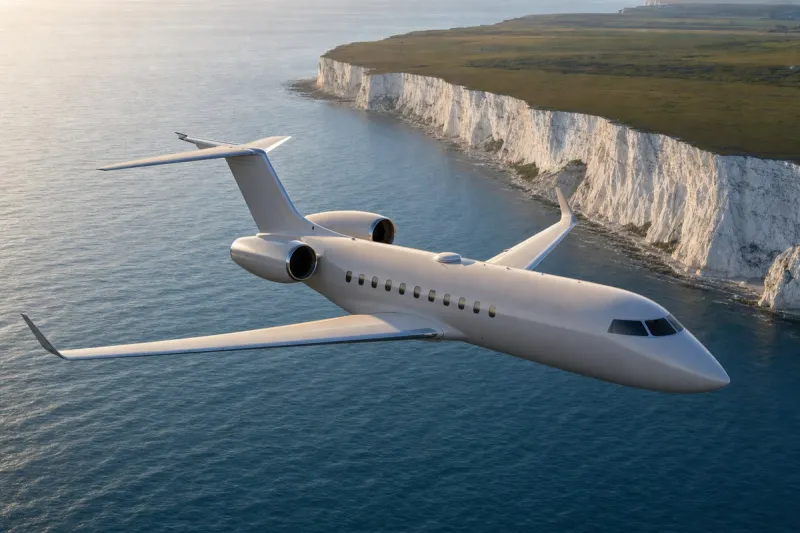
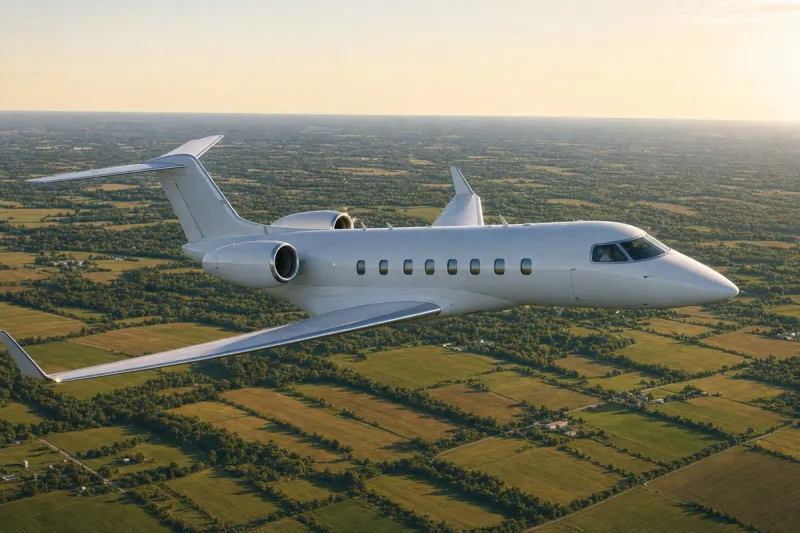
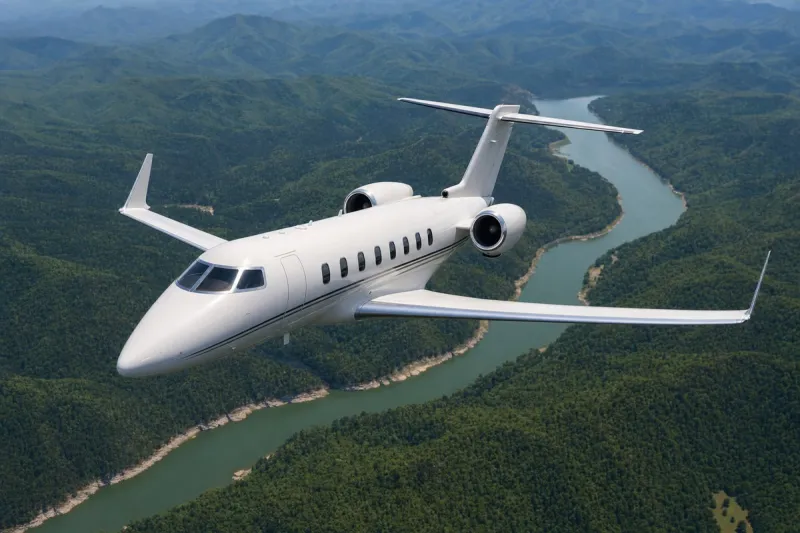
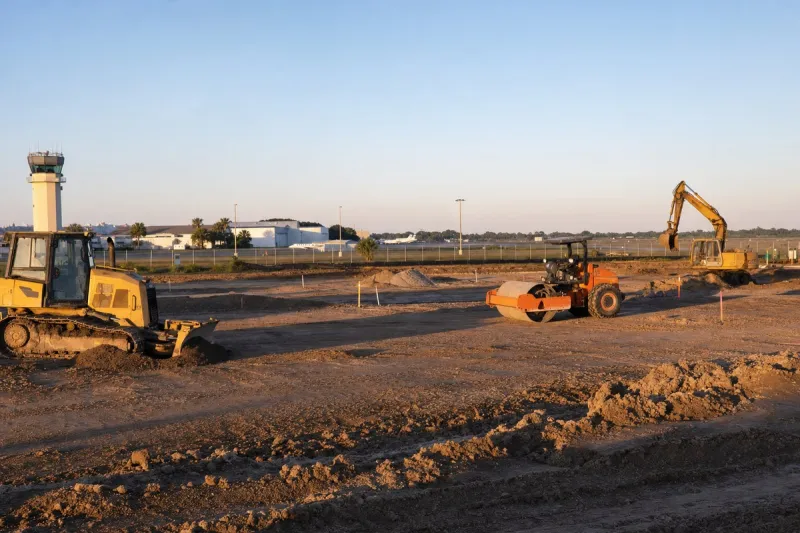
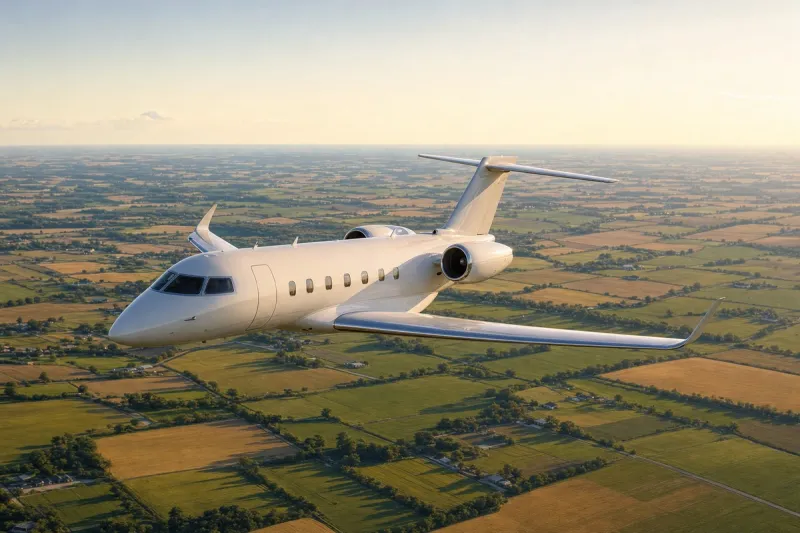
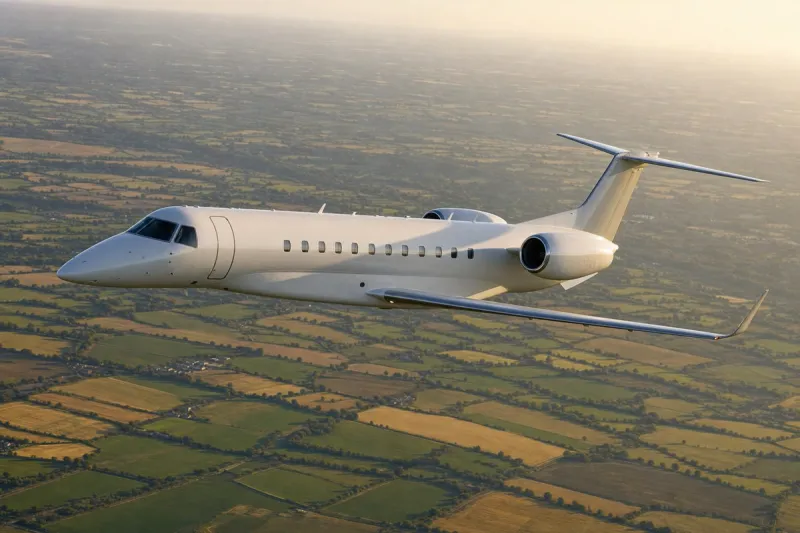
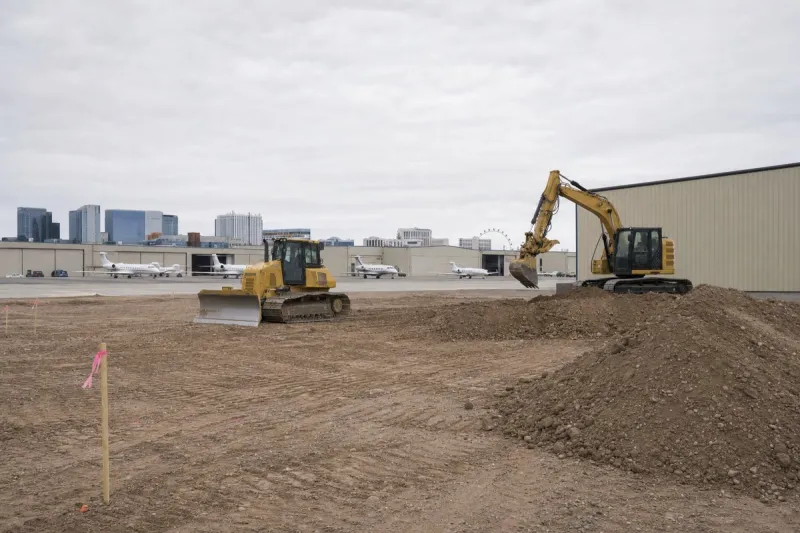
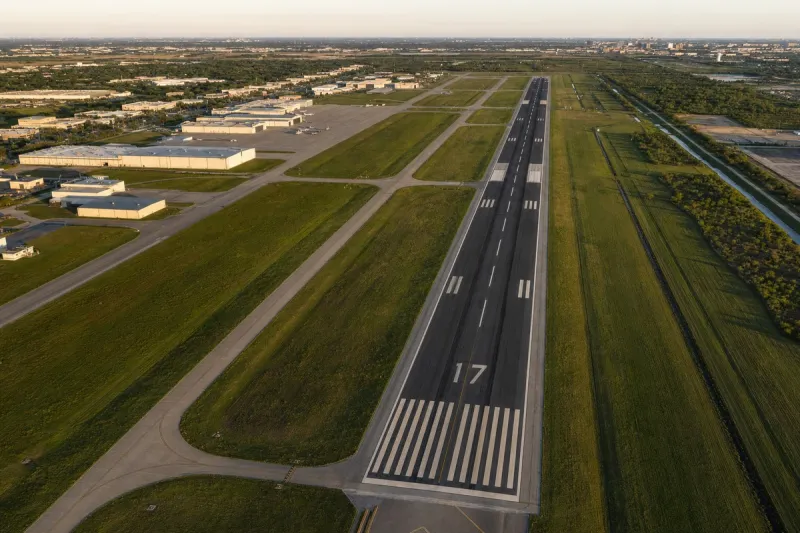
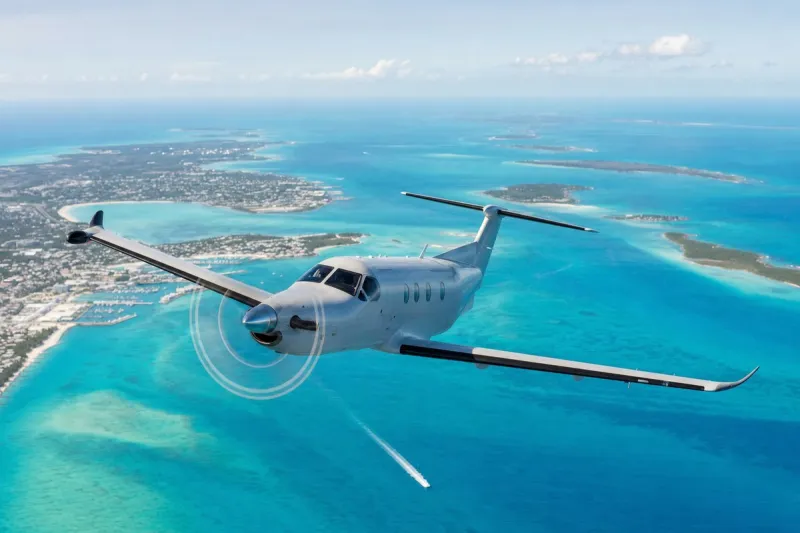
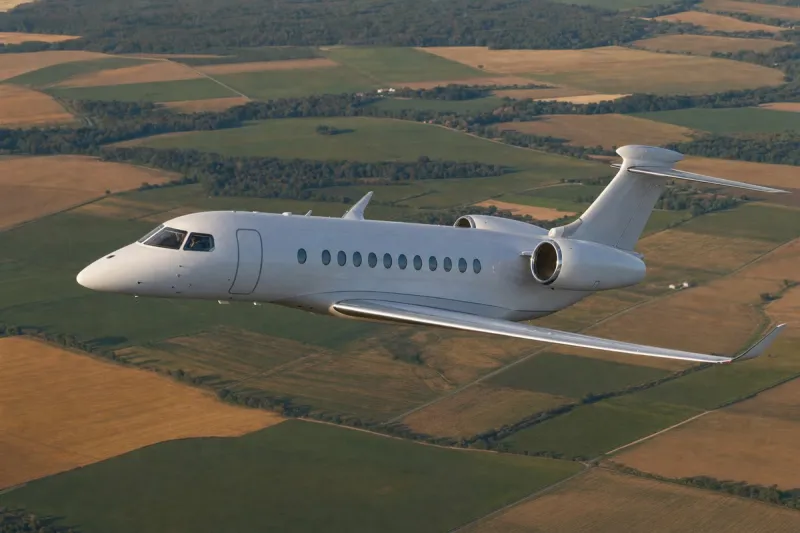
Jacksonville Aviation Authority (JAA) Chief Operating Officer Tony Cugno told the Jacksonville City Council Finance Committee that Texas-based Otto Aerospace plans to begin construction of a manufacturing facility at Cecil Airport in Jacksonville, Florida in 2028, with aircraft production targeted to start around 2030. The facility will manufacture the Phantom 3500, a carbon-fiber twin-engine business jet with a laminar flow design that Otto says cuts drag by 35% and fuel consumption by more than 60% compared with conventional business jets. The aircraft has a range of 3,500 nautical miles and a cruise altitude of 51,000 feet, with a first test flight targeted for 2027 and certification and customer deliveries planned for 2030.
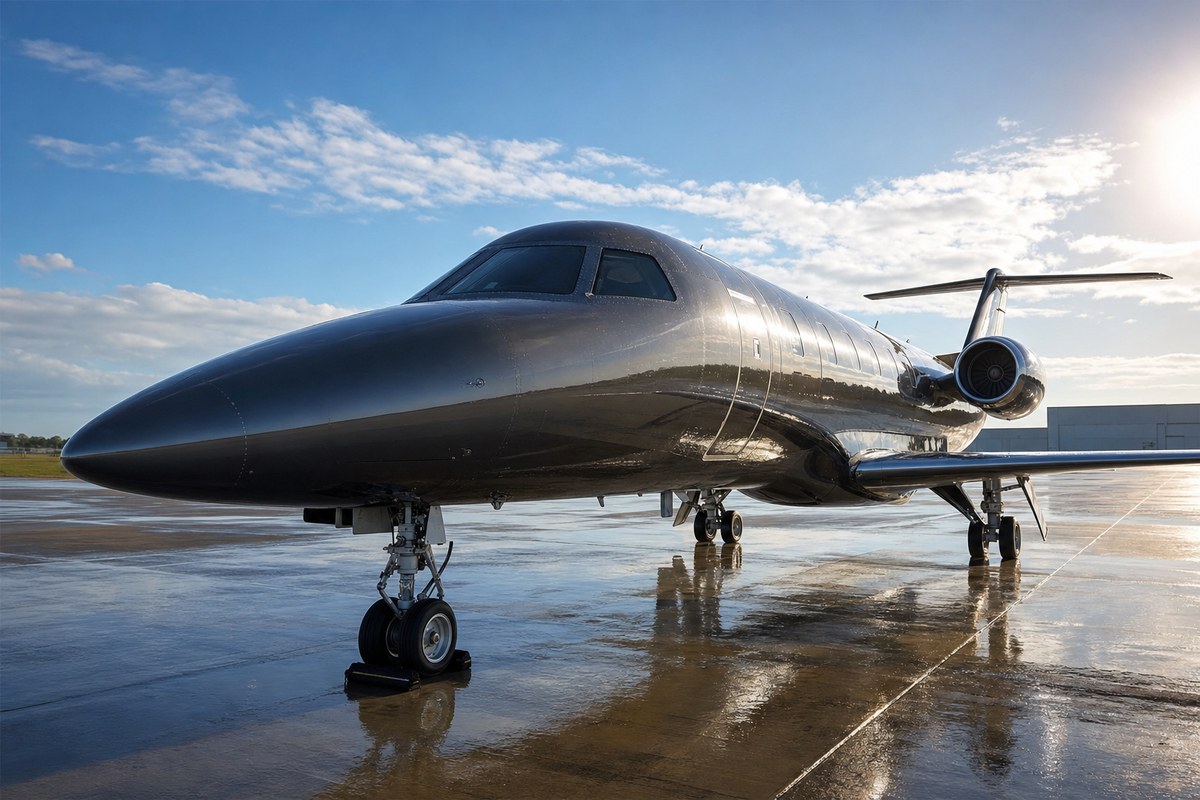
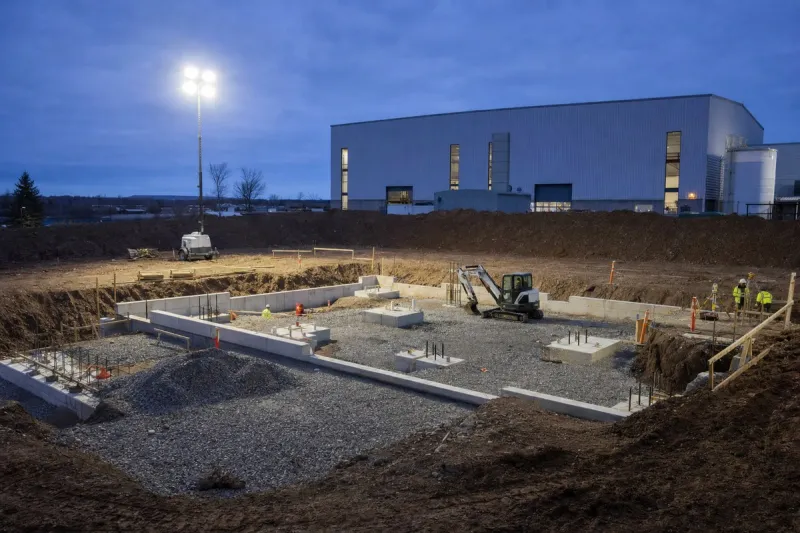
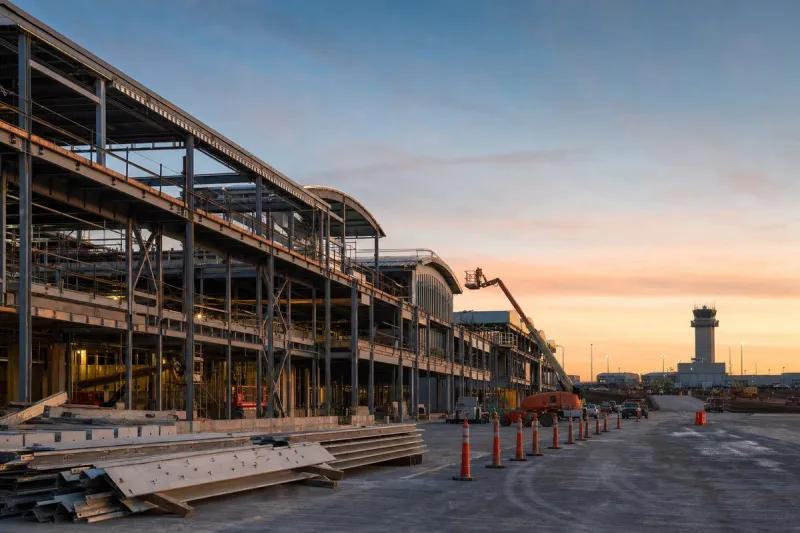
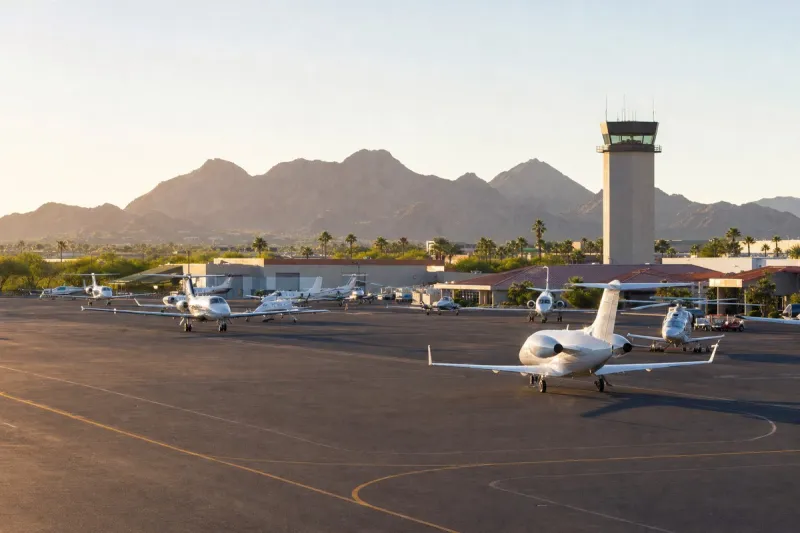
Otto, formerly Otto Aviation before a September 2025 name change, announced in June 2025 that it would establish operations at Cecil Airport and move its headquarters from Fort Worth to Jacksonville. The company plans to build more than 600,000 square feet of office and manufacturing space by January 1, 2032, and to create at least 400 jobs averaging $90,000 in salary by the end of 2031, with potential workforce growth to 1,200 by 2040. Total planned capital investment in Jacksonville is $430 million.
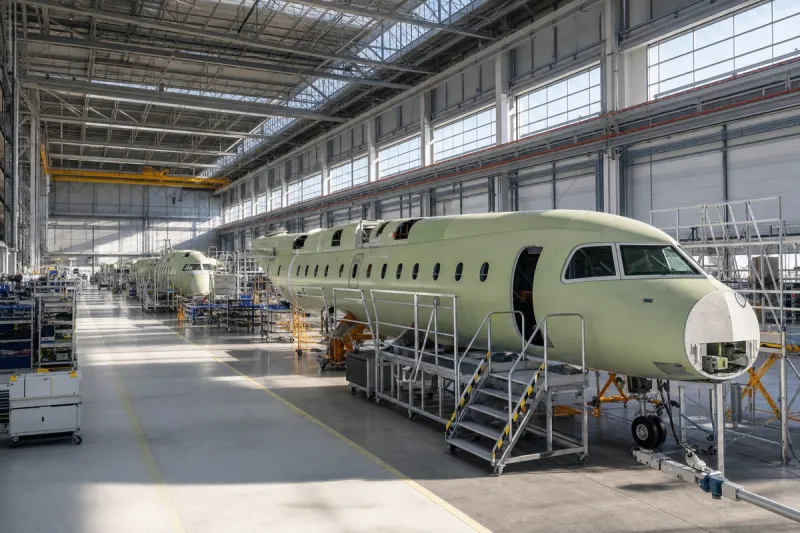
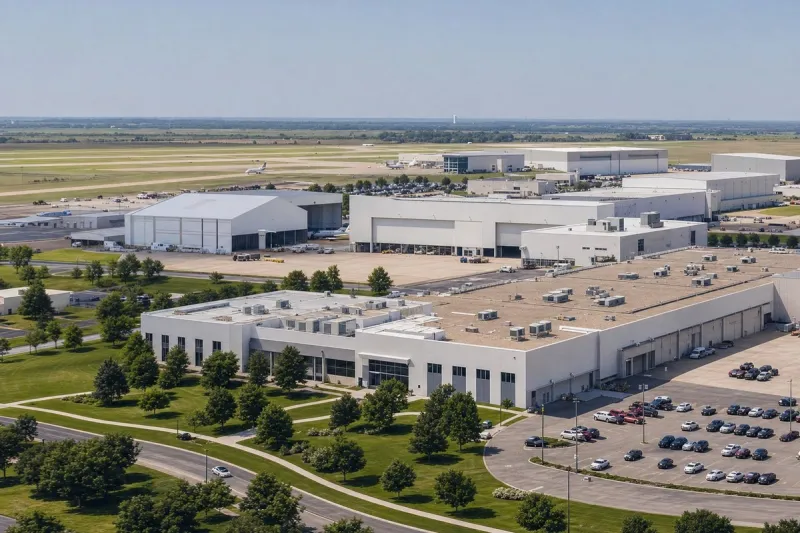
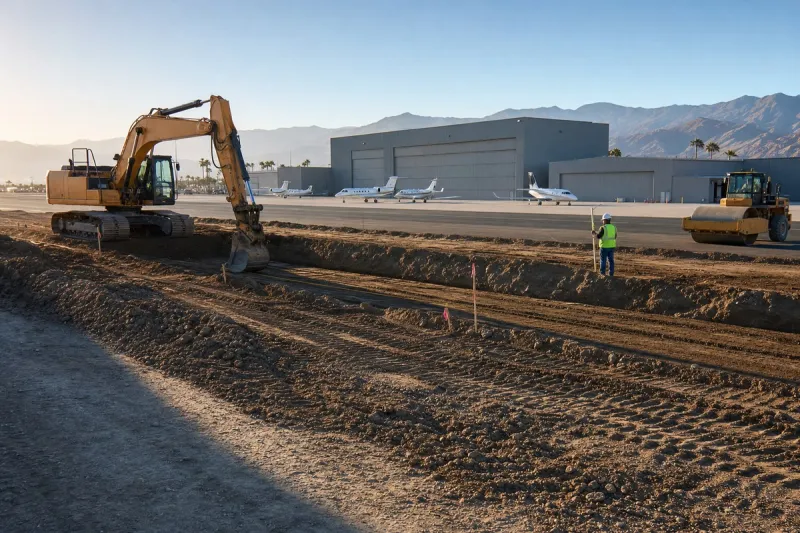
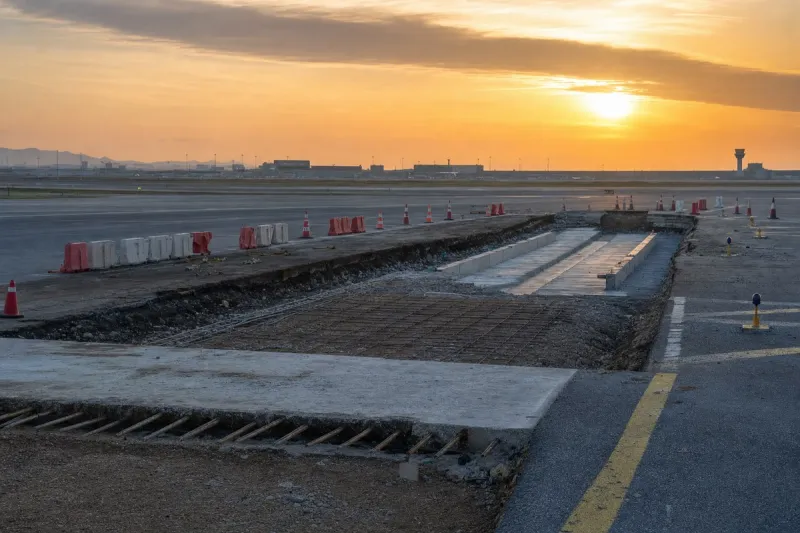
Separately, a $12.1 million renovation of Hangar 825 — a former U.S. Navy structure at 6105 Flightline Road in West Jacksonville most recently occupied by Boeing — is already underway. A conversion permit issued August 28 covers converting 59,130 square feet into an aircraft research and development facility, with Balfour Beatty Construction LLC as contractor; an earlier March 23 permit allowed $500,000 of interior demolition. The hangar will be used for research, development, manufacturing, and production of a small experimental aircraft. In September 2025, Cleveland-based Flexjet placed an order for 300 Phantom 3500 jets. Incentives include a JAA board-approved package from May 2025 with $22.5 million for taxiway extension and site preparation, $3.73 million in rent and maintenance fee abatements on Hangar 825, and $1.5 million in rent credits, plus a Jacksonville City Council-approved $20 million package from June 2025, passed 18-0, structured as a 20-year, 75% Recapture Enhanced Value Grant.
Industry impact & what to watch
New business jet programs rarely reach production on manufacturing capability alone; they also need a facility timeline, a workforce commitment, and a local incentive structure that lowers the capital burden of scaling before certification is complete. Otto's path — headquarters relocation, a renovated interim hangar for experimental work, a purpose-built plant years later, and a public incentive package spanning taxiway work, rent abatements and a value grant — illustrates how aircraft manufacturers now stage capacity growth against a certification and delivery calendar rather than building at full scale from day one.
The Flexjet order for 300 Phantom 3500 jets gives Otto a demand signal ahead of first flight, which matters for a market where fractional and charter operators commit early to secure delivery slots on unproven airframes. Whether that backlog converts into deliveries on schedule will depend on the 2027 test flight holding and certification following by 2030 as planned.
The next markers to watch are the 2027 first flight, the 2028 start of manufacturing-facility construction, and progress on the Hangar 825 conversion that Balfour Beatty is now carrying out under the August 28 permit.