Manipal Hospitals, Sarla Aviation and Aeromed Sign MoU to Develop eVTOL Air Ambulance Services in India
Why It MattersThe tie-up shows eVTOL air ambulance programmes advancing through hospital-operator-technology partnerships that must jointly solve medical fit-out, patient handover protocols and insurance before any aircraft can fly patients.
What happened
Manipal Hospitals, Sarla Aviation and Aeromed signed a memorandum of understanding on August 7, 2026, to jointly develop electric vertical take-off and landing (eVTOL) air ambulance services in India. India's Minister of Civil Aviation, Kinjarapu Ram Mohan Naidu, attended the signing.
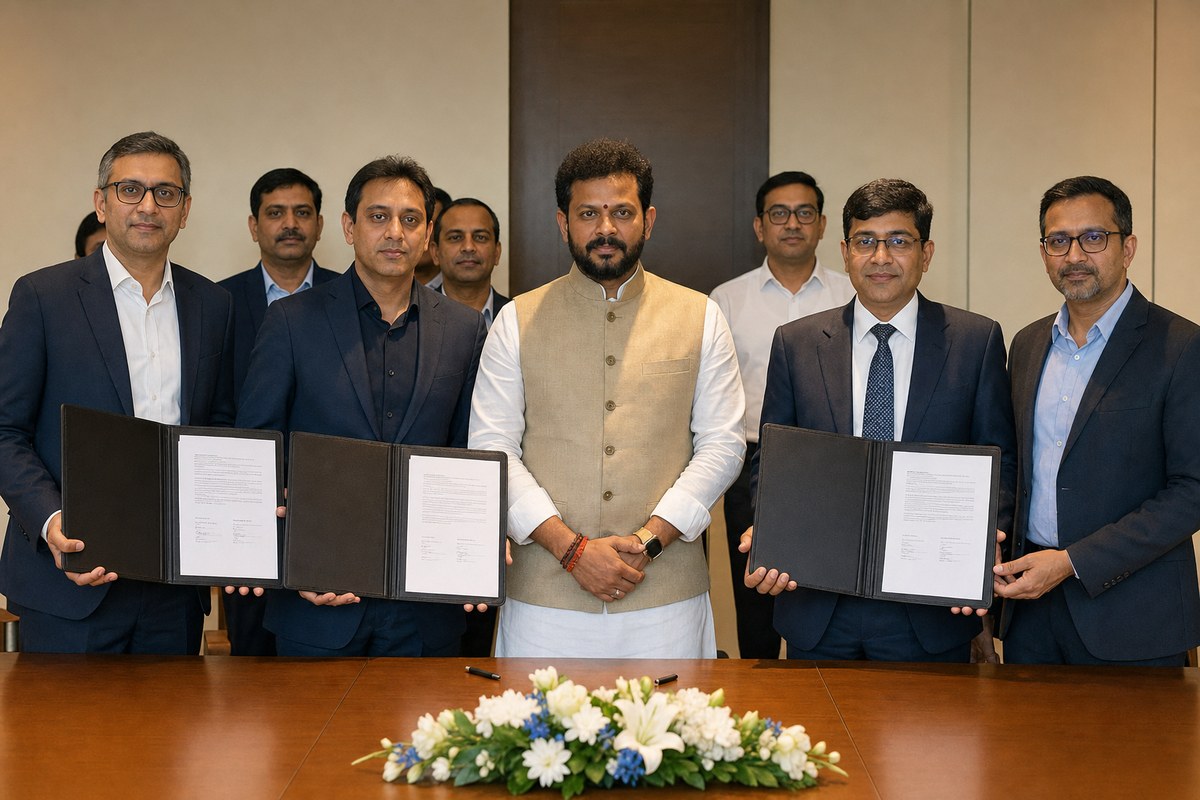
The partnership combines Sarla Aviation's eVTOL technology, Manipal Hospitals' hospital network and clinical expertise, and Aeromed's experience in air ambulance and medical evacuation operations. The collaboration will focus on designing a medical bay and integrating essential equipment into Sarla Aviation's Shunya eVTOL aircraft, with patient safety and comfort as the primary considerations. Under the MoU, the partners will develop standard procedures for transferring patients between ground ambulances, the aircraft and hospital facilities, including protocols for urgent escalation of care. Priority use cases include emergency transfers for trauma, heart attacks, strokes, newborns requiring specialised care and organ transplantation.
The collaboration will also encompass training programmes, insurance and safety frameworks, and research into patient outcomes, with the partners intending to identify medical routes where faster air transportation could make a critical difference. Speaking at the inauguration, Minister Naidu said the technology would be instrumental in providing seamless connectivity and addressing the challenges of urbanisation and population growth. Dr. H. Sudarshan Ballal, Chairman of Manipal Hospitals, described the initiative as an effort to build a safe, clinically robust and scalable model for next-generation air ambulance services in India.
Industry impact & what to watch
This MoU belongs to a wider category of early eVTOL commercial planning, where technology developers pair with domain specialists before any certified passenger or medical operation exists. For air ambulance use specifically, the hard problems are rarely the airframe alone: they are the medical bay design, patient handover protocols between ground and air, insurance frameworks and clinical outcome data that let hospitals and regulators trust the service with trauma, cardiac, stroke, neonatal and transplant cases.
How this segment matures depends on whether the three roles named here — aircraft developer, hospital network and air ambulance operator — can turn an MoU into agreed procedures, since each brings a piece the others lack and none can certify a working service alone. The presence of the civil aviation minister at the signing signals government interest but is not itself a regulatory milestone.
What comes next to watch is whether the partners publish the standard procedures for patient transfer and urgent escalation, and whether the Shunya eVTOL medical-bay integration and training and insurance frameworks move from stated intent to disclosed specifics.