Dubai and US Cities Race to Launch First Commercial eVTOL Air Taxi Services by 2026
Why It MattersThe early-stage race shows how infrastructure readiness and certification timelines, not just aircraft development, will determine which market claims the first commercial eVTOL launch.
What happened
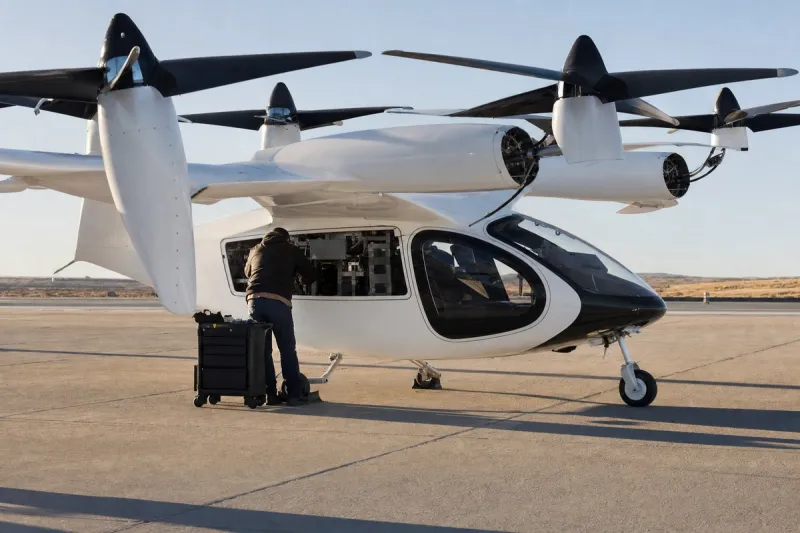
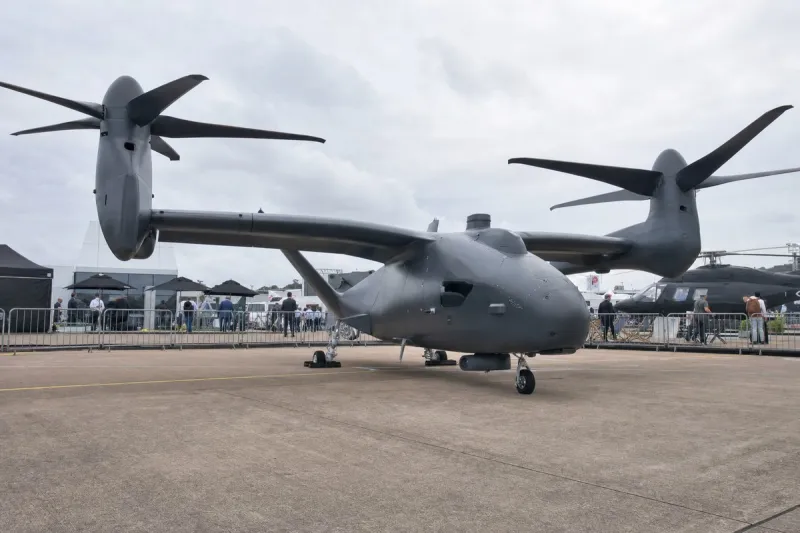
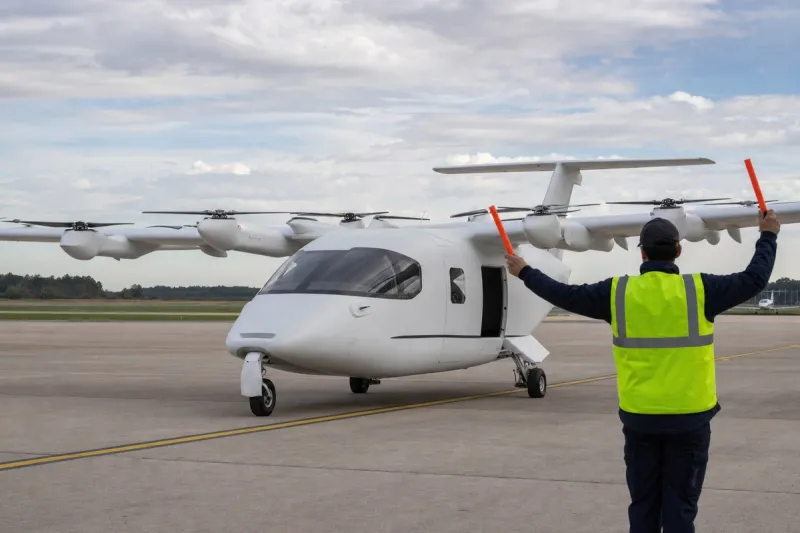
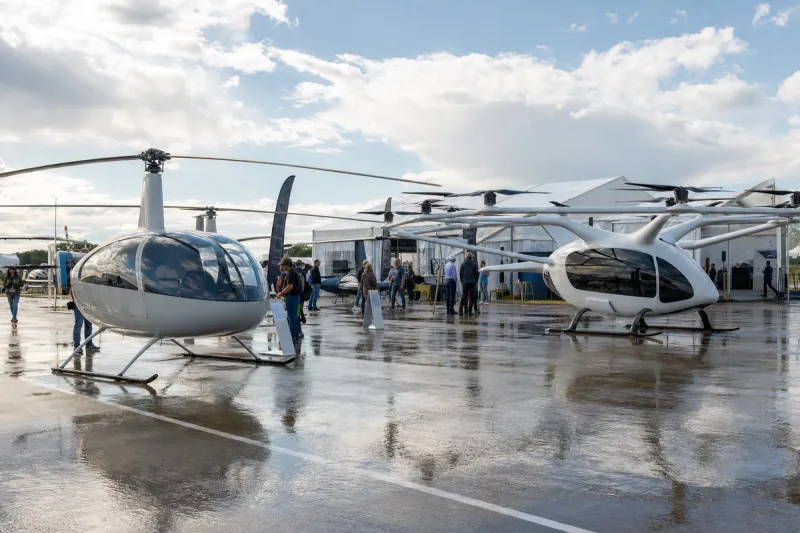
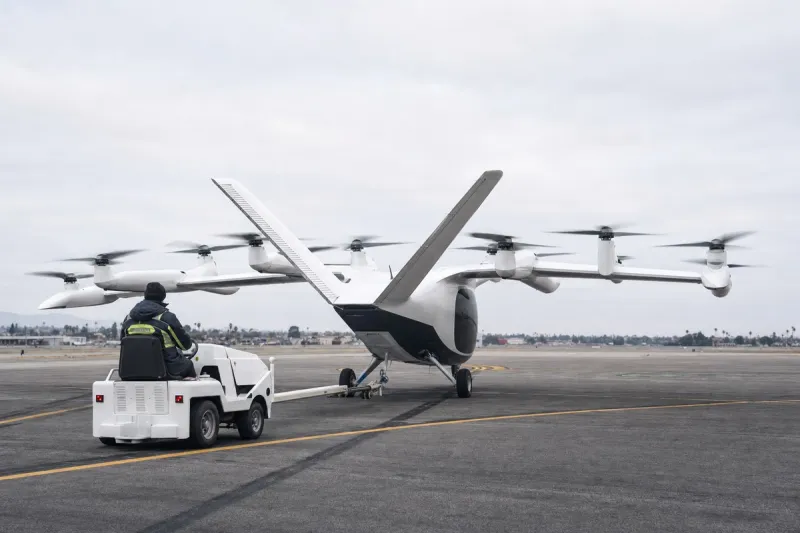
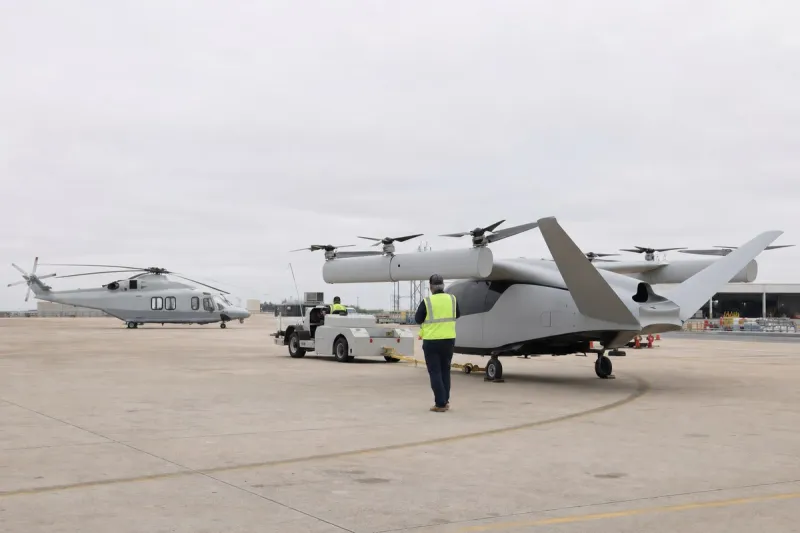
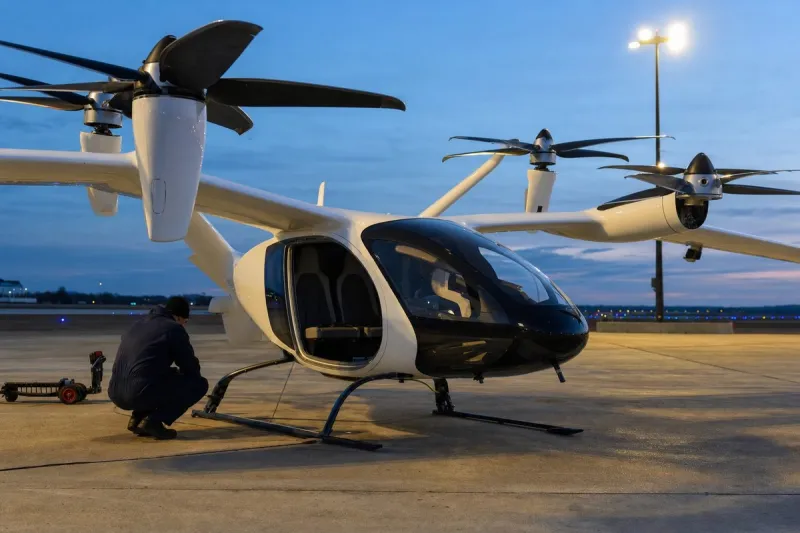
Dubai and major United States metropolitan centers are competing to launch the world's first commercial electric vertical take-off and landing (eVTOL) air taxi services by 2026, with Joby Aviation and Archer Aviation among the leading developers driving both markets toward that target.
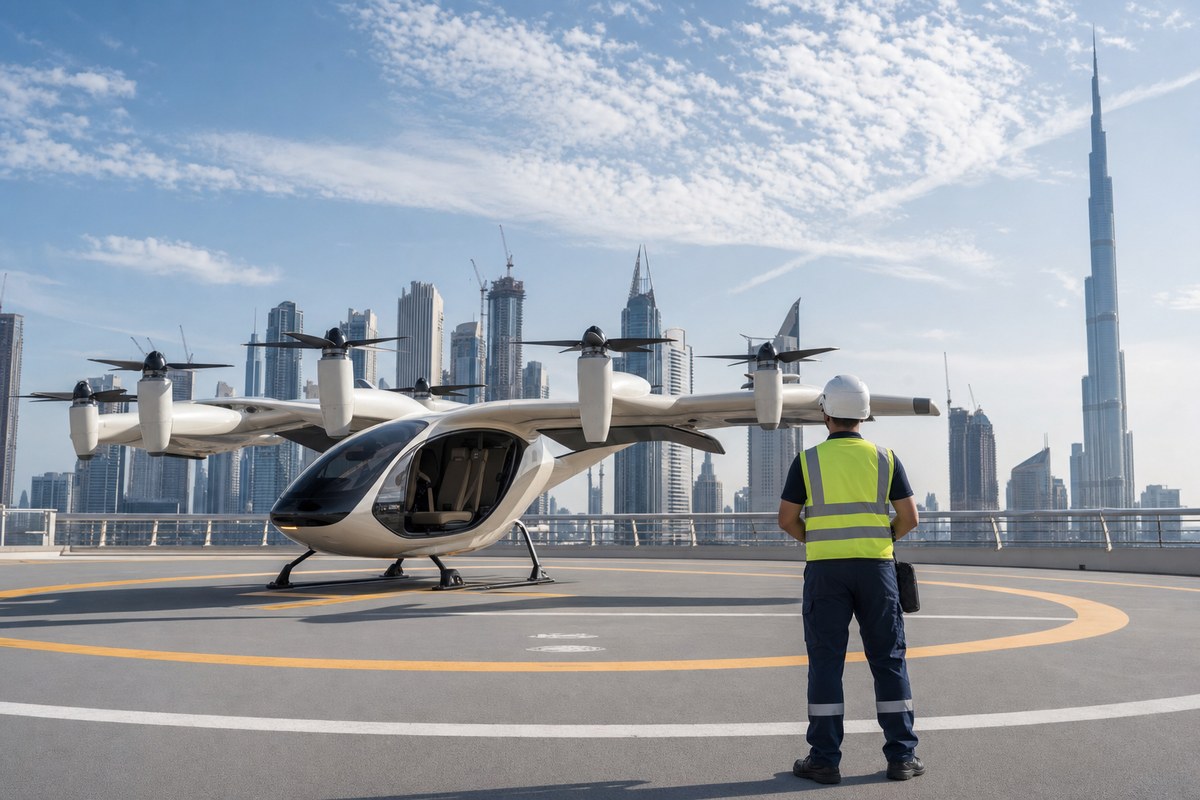
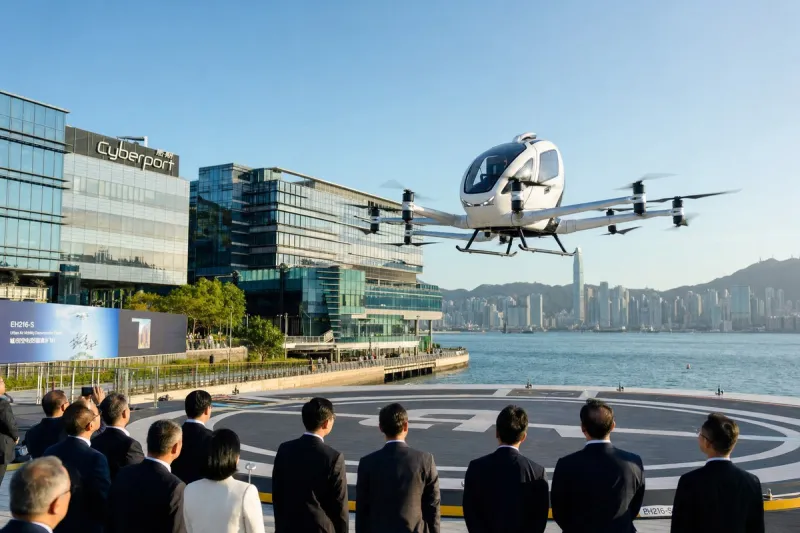
Dubai has built an early infrastructure lead by constructing dedicated vertiports linked to Dubai International Airport (DXB), financial districts, and tourism landmarks. Joby Aviation has signed agreements to operate commercial air taxi services in the emirate, with initial passenger flights targeted for 2026. The planned network aims to cut travel time between Dubai International Airport and Palm Jumeirah from approximately 45 minutes by car to under 10 minutes by air.
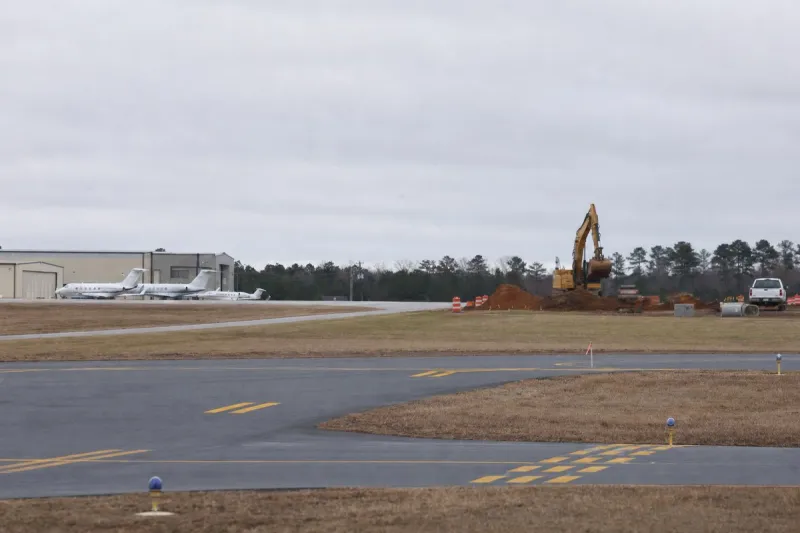
In the United States, planned initial routes include New York (JFK Airport to Manhattan), Miami (Miami International Airport to downtown), and Los Angeles (LAX to regional coastal centers). US commercial launches are contingent on completing Federal Aviation Administration (FAA) multi-stage airworthiness certification. The FAA's eVTOL Integration Pilot Program (eIPP) allows manufacturers to conduct operational trials while working through the certification process.
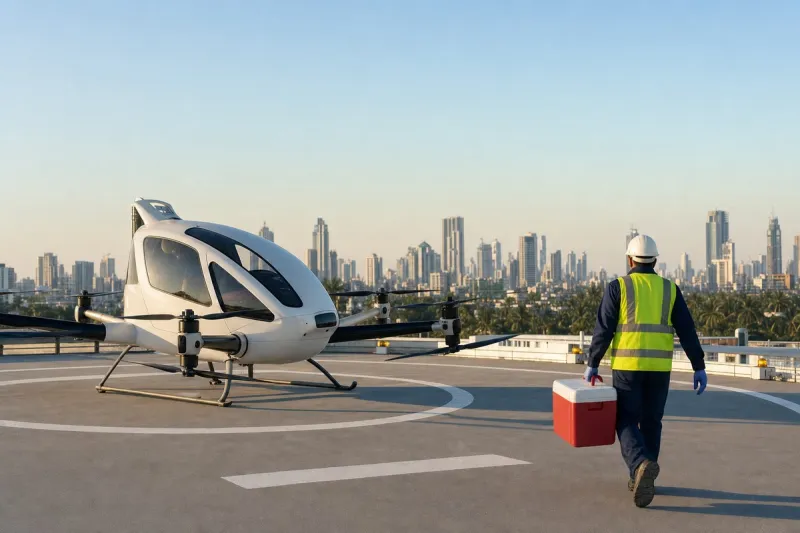
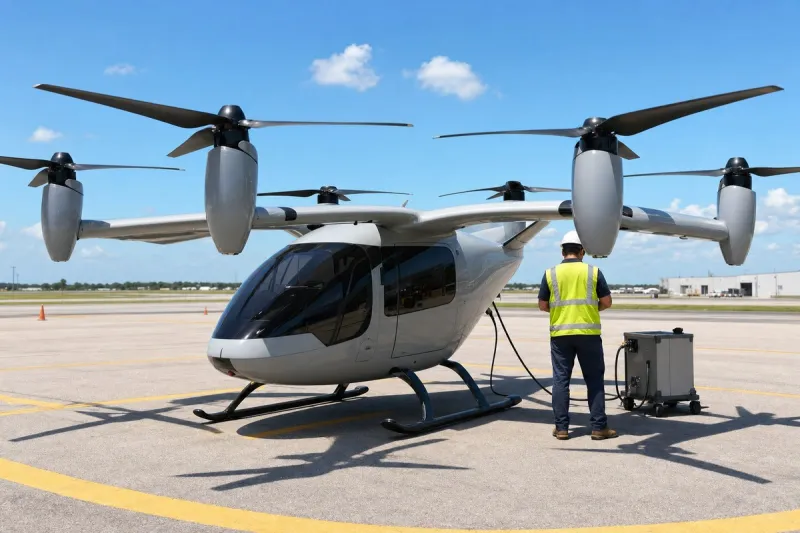
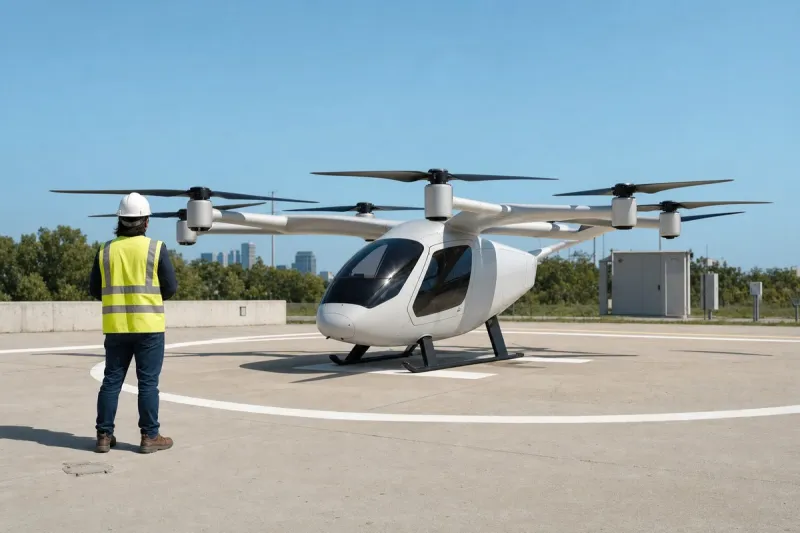
Early commercial operations are expected to feature small fleets, limited point-to-point routes, and premium pricing focused on airport transfers and executive connections. Initial aircraft configurations are planned for four-passenger cabins with a single pilot, with autonomous operations envisaged for later phases.
Industry impact & what to watch
This race illustrates how the first wave of urban air mobility is shaping up as a contest between regulatory speed and physical infrastructure readiness rather than aircraft performance alone. Dubai's advantage rests on having vertiports already tied to an airport, financial district, and tourism corridor, while US cities depend on the pace of FAA certification working alongside pilot programs like the eIPP.
How this segment operates in its opening phase looks like traditional premium air charter more than mass transit: small fleets, single-pilot four-seat cabins, and point-to-point routes concentrated on airport transfers and executive travel, with autonomous operation deferred to later phases. Market analysts project the global Advanced Air Mobility sector could reach $1 trillion by 2050, with broader fleet expansion across major cities expected in the 2030s, but that scale depends on today's narrow launch routes proving out operationally first.
Whichever market completes the first paying passenger flight will set an early reference point for certification pathways and vertiport economics that other cities are likely to study. The FAA's multi-stage certification process remains the single dependency that could shift the US timeline relative to Dubai's.