EHang EH216-S Pilotless eVTOL Completes First Public Flight in Hong Kong at Cyberport
Why It MattersRegulatory sandboxes let jurisdictions gather real operational data before writing dedicated aircraft legislation, positioning early trial hosts as gateways for pilotless eVTOL certification and market entry.
What happened
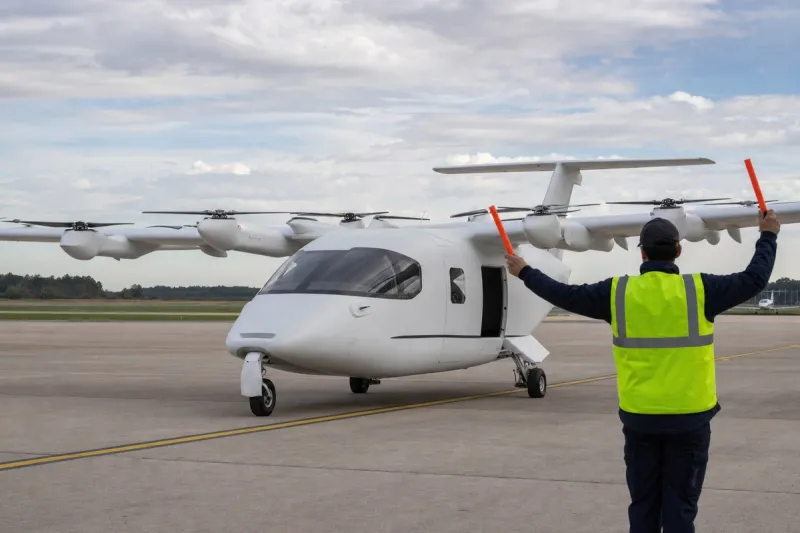
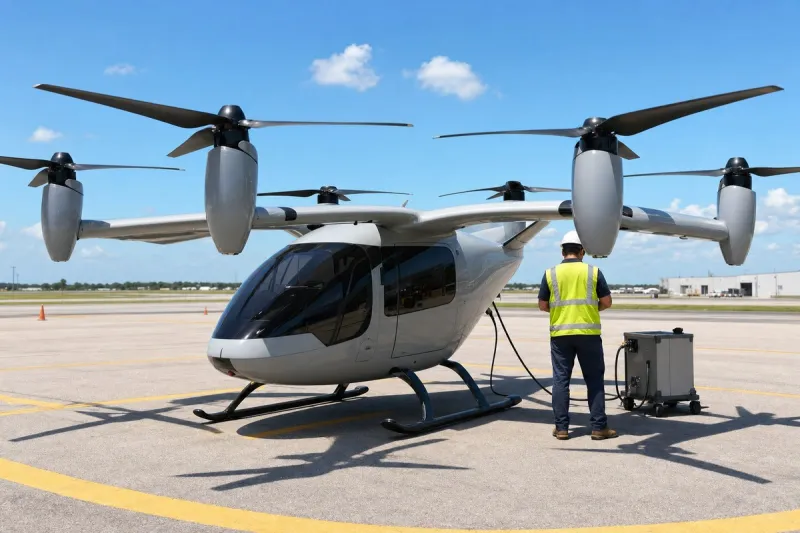
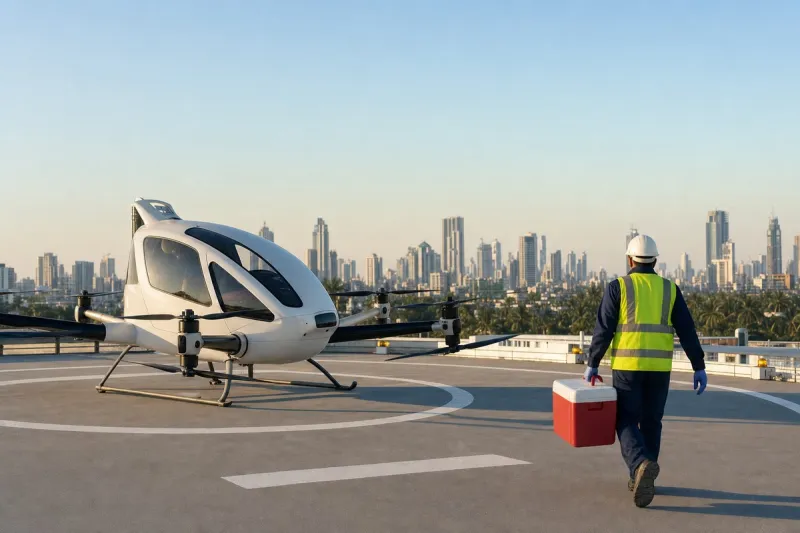
EHang Holdings Limited (Nasdaq: EH) announced on August 28, 2026, that its EH216-S pilotless human-carrying eVTOL aircraft completed its first public flight at Hong Kong Cyberport, under the Hong Kong SAR Government's Low-Altitude Economy Regulatory Sandbox X Trial Project. The aircraft departed from the Cyberport waterfront vertiport and performed vertical takeoff and landing, low-altitude cruise, and hover maneuvers along pre-programmed routes, demonstrating autonomous flight control capabilities.
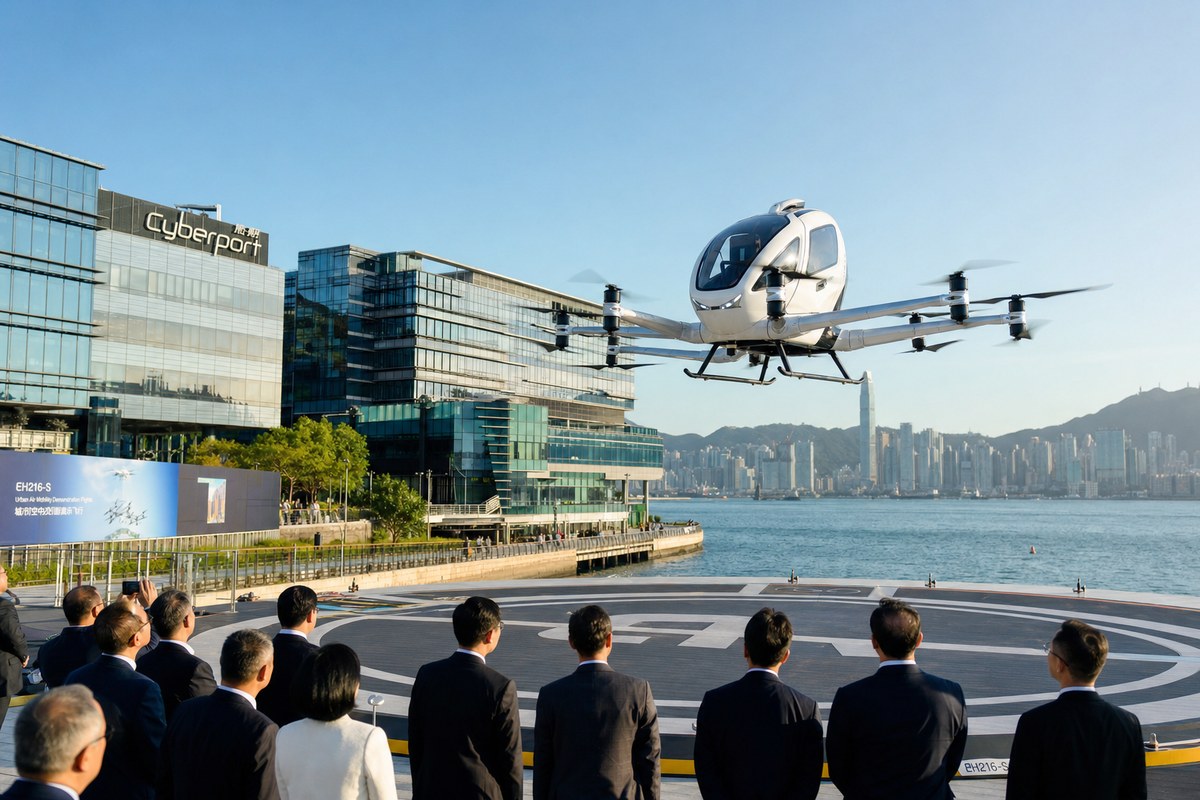
The event was attended by Michael Wong, Deputy Financial Secretary and Head of the Working Group on Developing Low Altitude Economy, and Simon Chan, Chairman of Hong Kong Cyberport, along with other government officials and industry leaders. This flight marked the first public demonstration since validation flights began in mid-August. EHang said the EH216-S will conduct additional public flight sessions from August 28 to 30 at Cyberport to further validate system reliability and safety under high-frequency operational conditions.
The EH216-S is the world's first pilotless human-carrying eVTOL aircraft to receive a Type Certificate (TC), Production Certificate (PC), and Standard Airworthiness Certificate (AC) from CAAC. EHang said it intends to use Hong Kong as a gateway to accelerate global commercial deployment of the aircraft. Michael Wong noted that the Hong Kong government is studying dedicated legislation for non-conventional aircraft, with drafting targeted for completion in 2027.
Industry impact & what to watch
This flight belongs to a wider push by eVTOL developers to move from certification paperwork into visible public operations, using sandbox trials to build the operational record regulators need before writing permanent rules. Pilotless passenger aircraft face a harder version of this problem than piloted eVTOLs, since there is no human in the aircraft to serve as a fallback, so demonstrations under government-run frameworks like this one carry more weight in shaping what comes next.
How this segment works is that certificates like the CAAC's Type, Production, and Standard Airworthiness approvals establish that an aircraft design is airworthy in one jurisdiction, but they do not by themselves grant operating rights elsewhere — hence EHang's stated interest in using Hong Kong as a separate gateway to build a track record for other markets. The multi-day public flight series at Cyberport, run under high-frequency conditions, is aimed squarely at generating the operational data that regulators say they need.
The next dated milestone to watch is the Hong Kong government's drafting of dedicated legislation for non-conventional aircraft, which Michael Wong said is targeted for completion in 2027. Whether the data gathered from this sandbox phase translates into operating approval, and on what routes or conditions, will depend on what that legislative process ultimately specifies.