SAF Panelists at 2026 Global Aerospace Summit Highlight Midwest Agriculture's Role in Scaling Domestic Fuel Production
Why It MattersExpanding feedstock sources and clearer federal tax incentives could accelerate SAF supply chain buildout, easing the aviation industry's path toward broader sustainable fuel adoption.
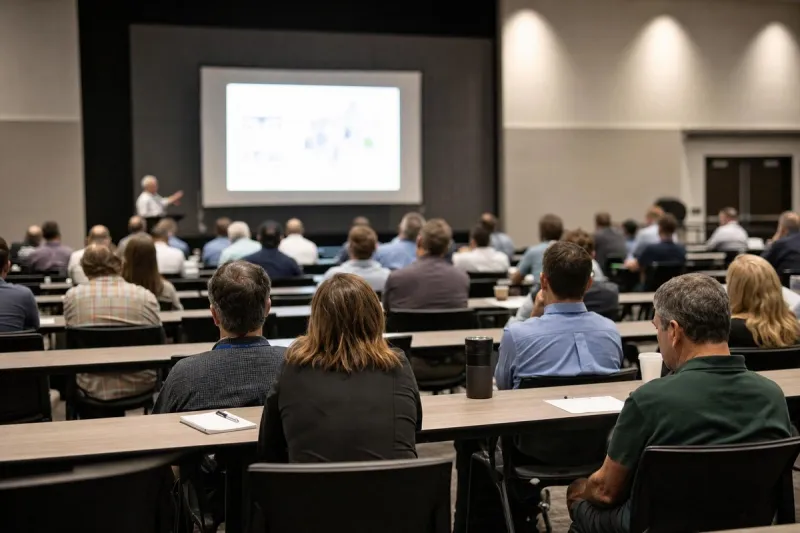
Panelists at the 2026 Global Aerospace Summit in the St. Louis region said the future of sustainable aviation fuel will depend on partnerships among farmers, fuel producers, the aviation industry and government leaders. During a session moderated by Darren James, director of MidAmerica St. Louis Airport, speakers discussed how Illinois, Missouri and the broader Midwest corn belt are positioned to expand domestic SAF production. The panel featured Jim Hedges, CEO of CoverCress, an ag-tech company developing a winter oilseed crop planted between corn and soybean seasons, and Cindy Tomei, president of the Sustainable Aviation Fuels Institute.
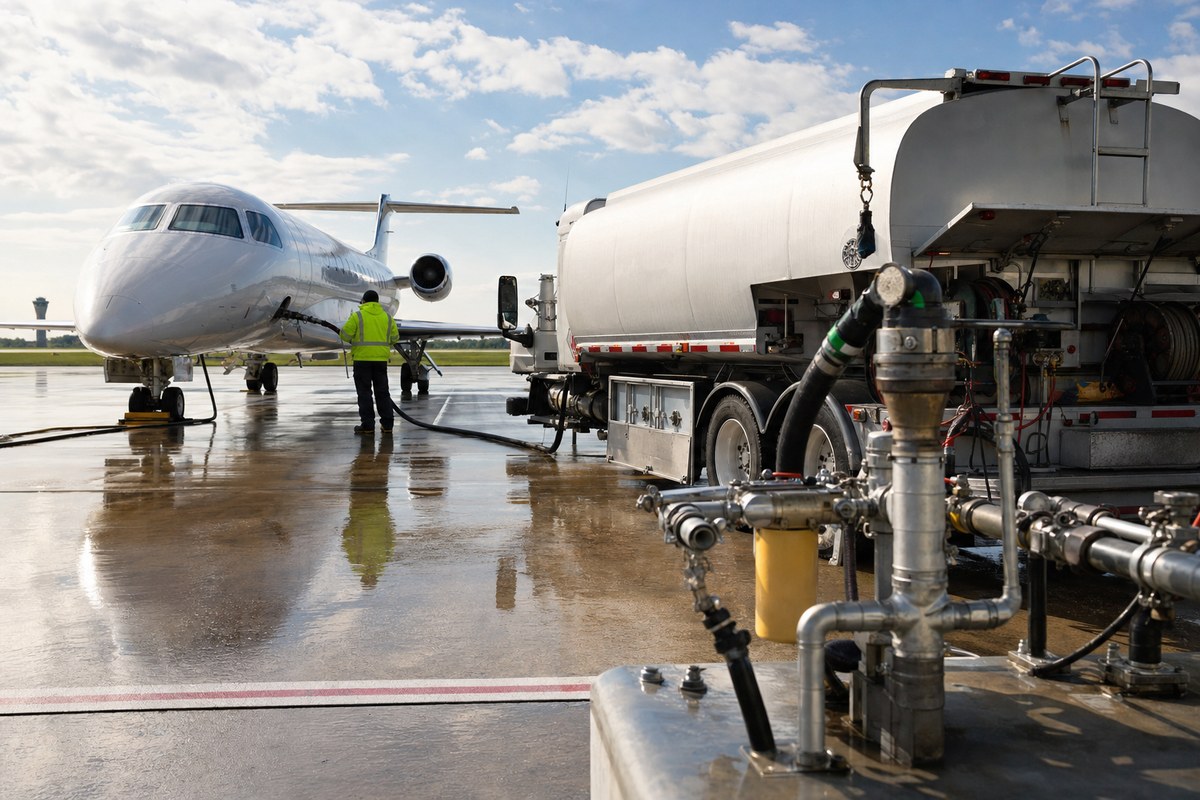
Tomei said SAFII was established in Illinois two years ago following a state-led SAF summit convened at the governor's request, and now serves as a hub for SAF education, testing and industry collaboration from its headquarters in Sugar Grove, Illinois. She noted Chicago O'Hare ranks among the top 10 airports worldwide for SAF procurement. She said recent progress has been accelerated by clarity around the federal 45Z tax credit, improved carbon intensity calculations, growing SAF mandates in the European Union and supply disruptions linked to oil transit through the Strait of Hormuz, adding that infrastructure to move fuel from production facilities to airports is increasingly critical.
Hedges said meeting future SAF demand will require additional feedstocks and crops such as canola, camelina and CoverCress, which can be planted on fallow ground between corn and soybean seasons, creating new revenue for farmers while improving soil health. He said CoverCress recently obtained the first Renewable Fuel Standard pathway approval for CoverCress Oil, a process that took 2.5 years from submission, and urged early coordination between crop developers and fuel refiners to align approvals with commercial timelines. Hedges said the company plans to have hundreds of thousands of acres of new crops in production by the early 2030s.