NTSB Vice Chairman Michael Graham to Retire Oct. 2, Months After Senate Confirmation
Why It MattersRepeated board departures show how a small independent safety panel can be pushed to its statutory quorum floor by ordinary turnover, leaving major accident investigations dependent on timely replacements.
What happened
National Transportation Safety Board Vice Chairman Michael Graham announced Friday that he will retire on Oct. 2, just over three months after the Senate confirmed him on May 18 to a new five-year term expiring Dec. 31, 2030. The announcement gave no reason for the timing of his departure.
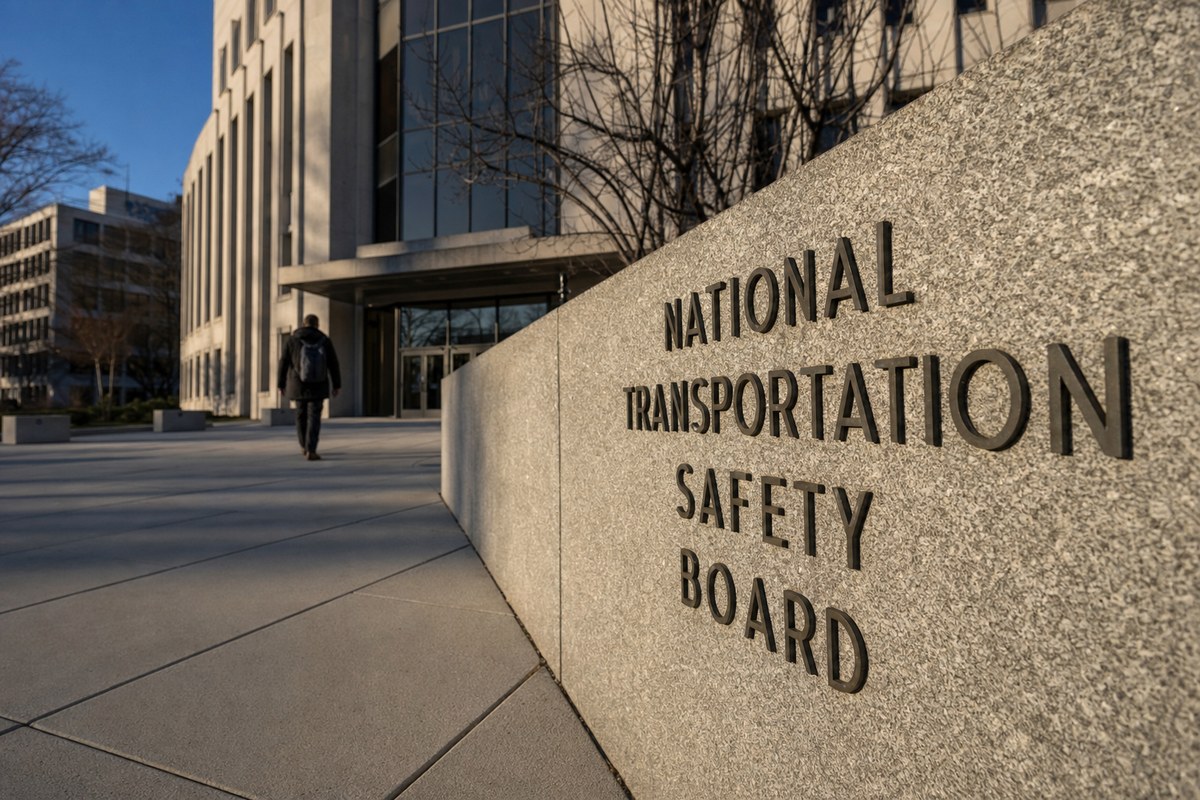
Graham's retirement also comes less than six months after President Donald Trump designated him NTSB vice chairman for a three-year term. The NTSB is structured as a five-member board but currently has four members: Chairwoman Jennifer Homendy, Graham, Tom Chapman, and John DeLeeuw. Graham's departure would reduce the board to three members unless a replacement is seated before Oct. 2. Under federal law, three members constitute the quorum required for the board to carry out its duties and powers.
The board has seen turnover over the past year: former member Alvin Brown was removed by the White House in May 2025, and Todd Inman was removed in March. DeLeeuw, a former American Airlines safety executive and Boeing 787 captain, joined the board in March. Graham joined the NTSB in January 2020 following his role as director of flight operations safety, security, and standardization at Textron Aviation. A former U.S. Navy F/A-18 pilot and airline transport pilot, he has logged more than 10,000 flight hours. During his tenure he served as the board member on scene for several major investigations, including the 2022 Wings Over Dallas midair collision, and was an advocate for flight data monitoring and broader adoption of safety management systems.
Industry impact & what to watch
A single-digit board with a hard quorum requirement has little slack: two removals and now one voluntary retirement inside roughly a year push the NTSB toward the three-member floor at which it can still legally act but has no margin for a further vacancy. That structure means the pace of nominations and Senate confirmations, not just the board's expertise, determines whether ongoing investigations proceed without disruption.
The agency's independence depends on members serving out fixed terms; Graham's departure only months after a fresh five-year confirmation, alongside two prior removals, underscores how exposed that continuity is to political and personal decisions outside the investigative process itself.
Whether a nominee is put forward and confirmed before Oct. 2 will determine whether the board stays at four members or drops to the statutory minimum of three.