Nesma Airlines says Russian airspace closure forced flight NE 644 to divert to Yekaterinburg
Why It MattersThe episode shows how cabotage rules can leave foreign carriers unable to complete a diversion themselves, shifting the cost and logistics of onward travel onto passengers and claims processes.
What happened
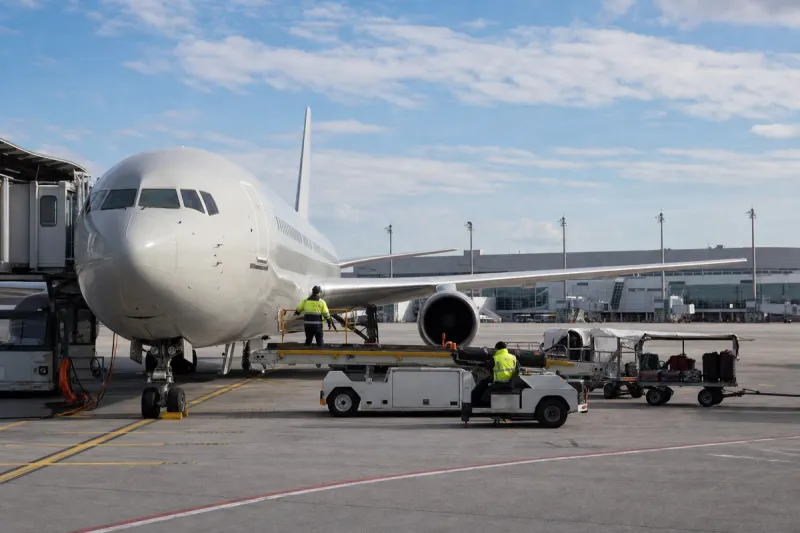
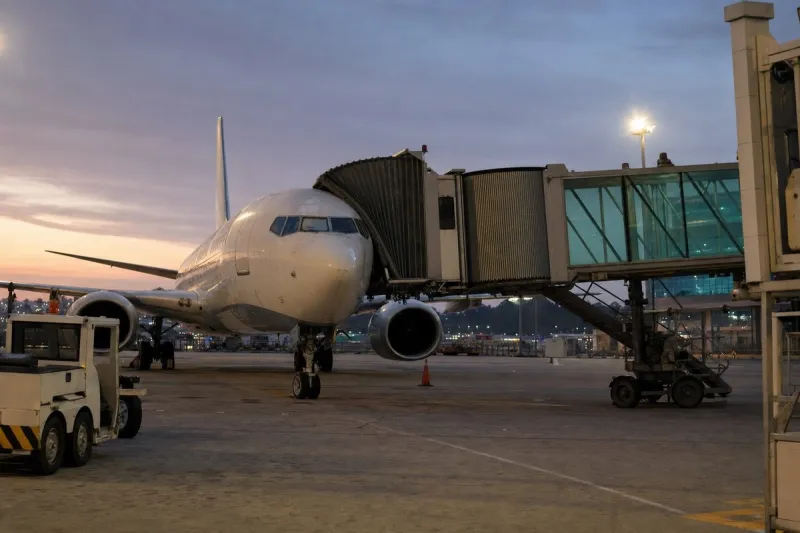
Nesma Airlines flight NE 644, operating from Sharm El-Sheikh to Moscow, was diverted to Koltsovo Airport in Yekaterinburg after part of Russian airspace was closed during the flight for what the airline described as exceptional security reasons. The aircraft's captain received mandatory instructions from Russian air traffic control authorities to divert and land at Yekaterinburg, and the crew complied to ensure passenger safety and adhere to the directives of the relevant authorities.
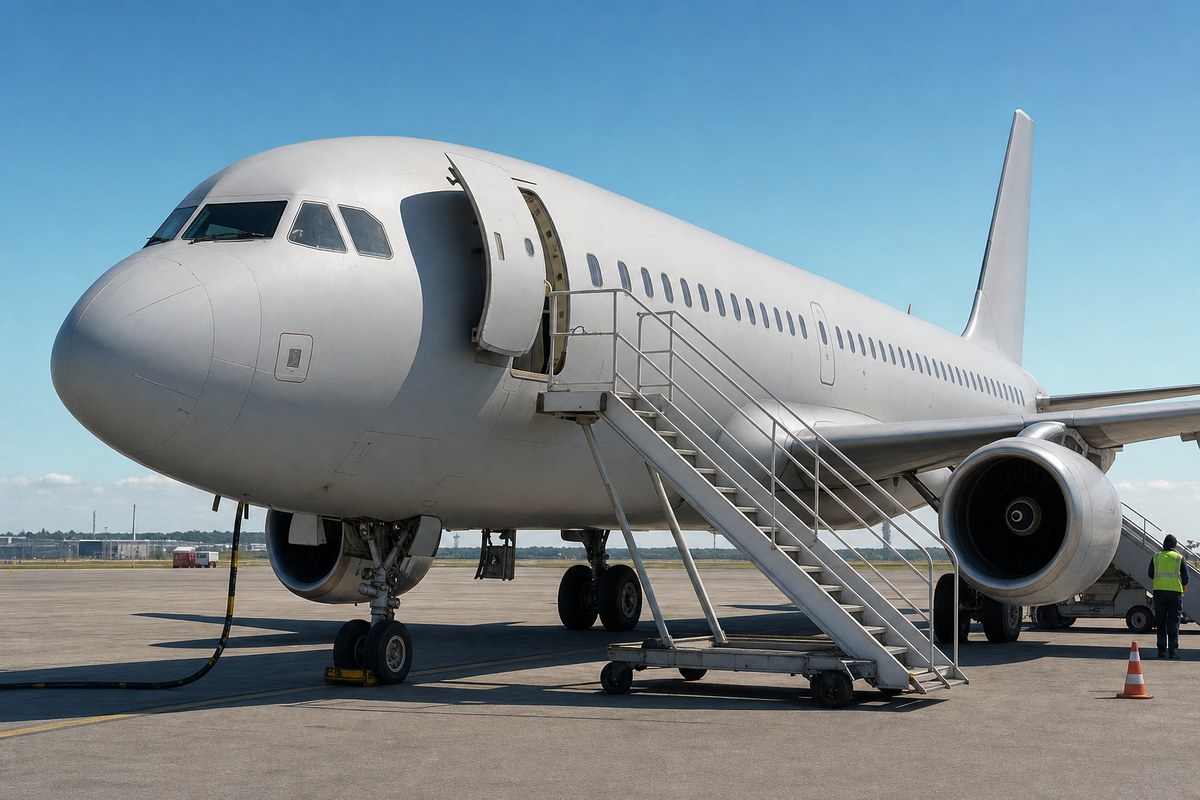
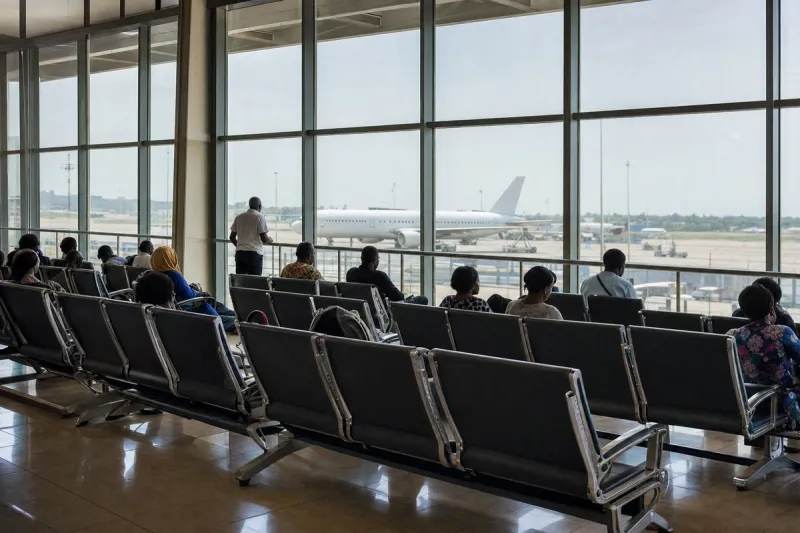
After landing, with the airspace remaining closed and no indication of when flights to Moscow would resume, passengers were allowed to disembark for their safety and comfort. Nesma Airlines said it was legally prohibited from transporting the passengers onward to Moscow by air, since doing so would constitute domestic air transport within Russian territory — an operation the airline said is forbidden for foreign carriers under Article 7 of the 1944 Chicago Convention and Article 63 of Russian Air Law, both relating to the cabotage principle.
The airline said it made immediate efforts to arrange alternative transportation to Moscow but was unable to organise group transport due to insufficient available seats on domestic flights and trains. Nesma Airlines stated that passengers may submit financial claims, supported by receipts and relevant documents, for transportation costs incurred in reaching Moscow, with eligible claims reimbursed through the tour operator in accordance with approved procedures.
Industry impact & what to watch
Airspace closures ordered on security grounds put airlines in a position where the diversion itself is not the hardest part — getting passengers to their original destination afterward is. Once a flight lands outside its planned routing, the cabotage principle can block the same foreign carrier from flying passengers onward within that country, even when the airline is willing and the aircraft is available.
That structural limit is why airlines in this position fall back on reimbursement schemes rather than substitute flights: passengers arrange their own onward travel and later claim costs through the tour operator, as Nesma Airlines described. It shifts both the logistics burden and the near-term cost onto passengers, with the airline's exposure limited to reimbursement rather than replacement transport.
What remains to be seen is when the closed airspace reopens and how many claims are ultimately filed and settled through the tour operator process Nesma Airlines outlined.