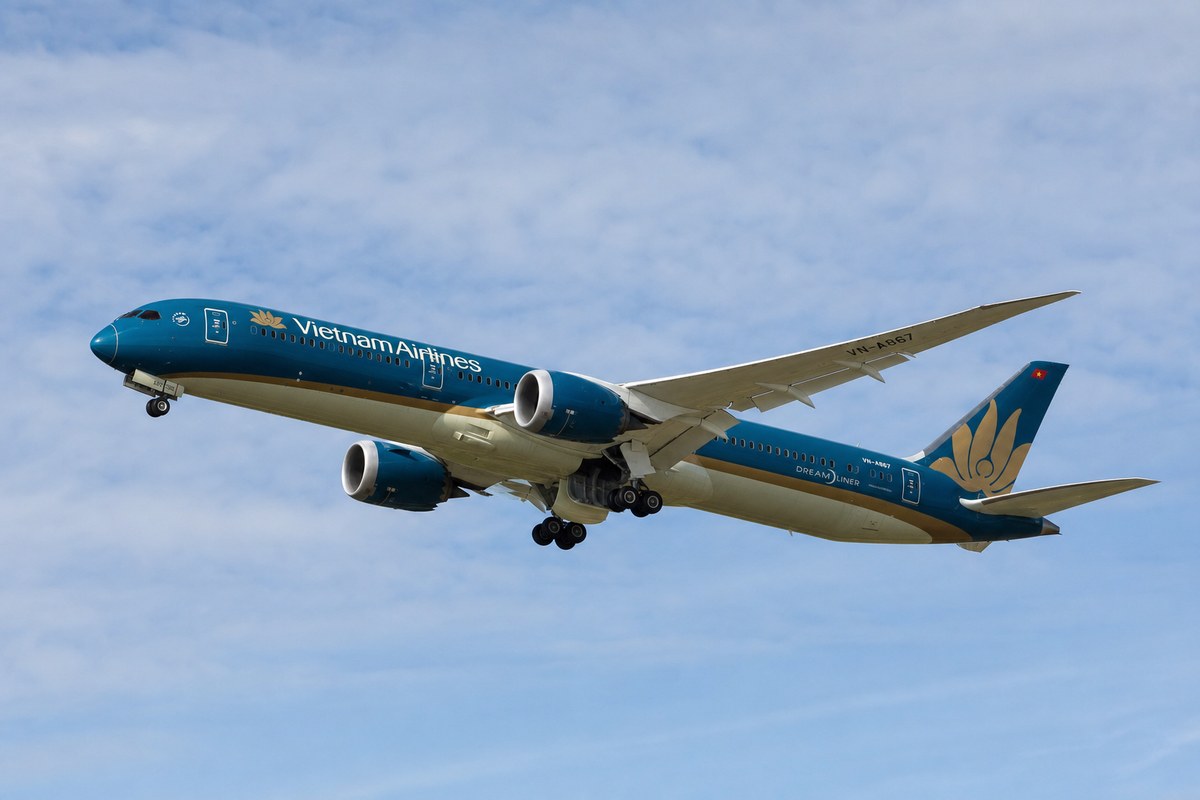
Vietnam Airlines Boeing 787-9 VN-A867 Faces Months-Long Grounding After Munich Tail Strike
Why It MattersComposite-airframe damage forces carriers into longer, manufacturer-dependent repair timelines than metal aircraft, tying up widebody capacity for months rather than weeks after even a single incident.
What happened
Vietnam Airlines Boeing 787-9 VN-A867 suffered a tail strike while departing runway 26L at Munich Franz Josef Strauss International Airport (MUC) at 13:57 local time on August 15. The aircraft overran the end of the paved section of runway 26L and sustained the tail strike during a late rotation, then climbed away and spent about two hours dumping fuel south of the airport before returning for an emergency landing roughly two hours after departure, this time on runway 26R, which was briefly closed afterward. All 271 passengers and 16 crew members disembarked unharmed.
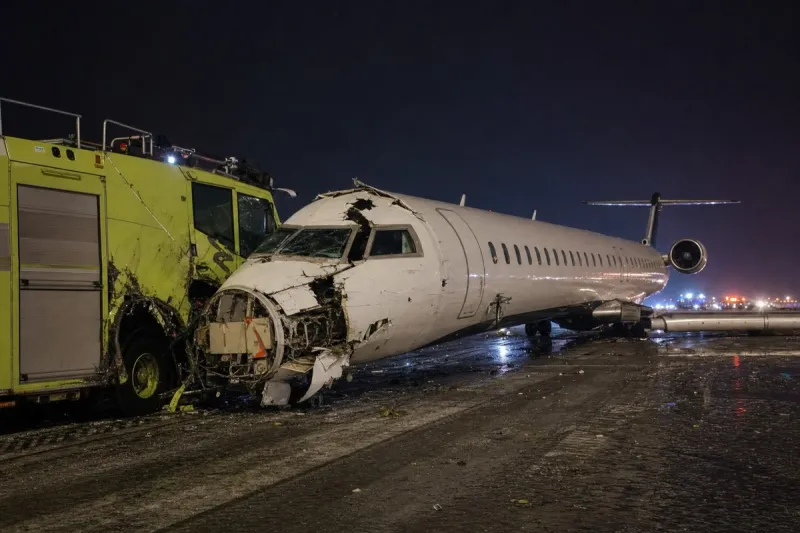
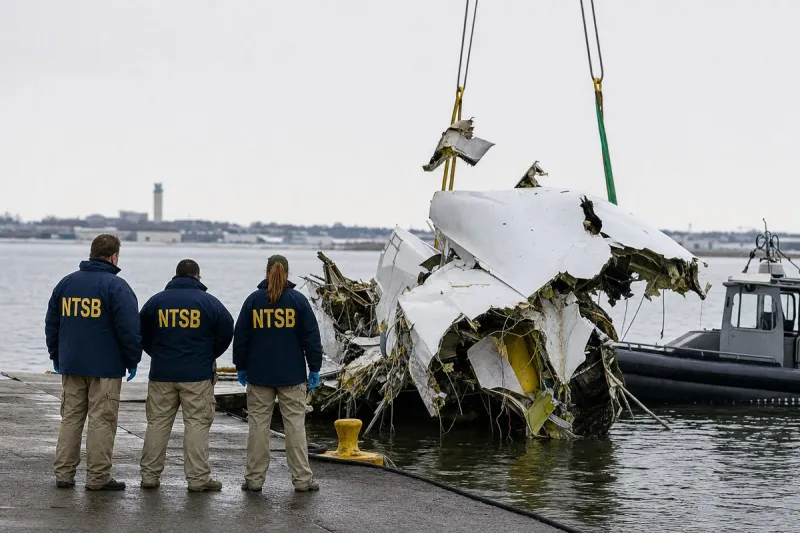
Germany's Federal Bureau of Aircraft Accident Investigation issued a preliminary report noting tire tracks consistent with the aircraft at the end of runway 26L. Vietnamese and US investigators have also joined the inquiry, and the cause has not been determined. Photographic evidence and accounts from aviation professionals confirmed extensive visible damage, including a puncture through the lower fuselage with torn composite material and heavy scrape marks running aft; the tail strike detection component, mounted on a replaceable metal pad, was torn away entirely, exposing the aircraft's internal composite structure. Aircraft maintenance engineer Fahad Naim stated on social media that the aircraft faces "a minimum two months of work" and would require Boeing's own specialists.
VN-A867 is one of 17 Boeing 787 Dreamliners in Vietnam Airlines' fleet, which together with 14 Airbus A350s forms a 33-strong widebody fleet. In the two days before the incident, the aircraft completed eight flights, including domestic routes within Vietnam and international services to and from India, plus a ninth service on the morning of August 15 that brought it to Munich ahead of the flight during which the incident occurred.
Why composite repairs take longer
The 787-9 is made up of roughly 80% composite materials by volume, which makes damage assessment and repair far more complex than on traditional aluminum-framed aircraft. Unlike aluminum, which visibly deforms under stress, composites can sustain internal cracking and delamination — layer separation — that is not apparent from visual inspection alone, requiring more extensive testing before repair work can even begin.
Industry impact & what to watch
A tail strike on a metal airframe is often a matter of panel replacement and inspection; on a composite airframe like the 787-9, the same event can trigger a minimum two-month grounding because internal delamination has to be ruled out layer by layer rather than seen. That gap in repair timelines is becoming a real operating-cost variable for carriers running mixed composite and aluminum widebody fleets, since a single incident can sideline a jet for a season rather than weeks.
The need for Boeing's own specialists, as flagged by maintenance engineer Fahad Naim, also underscores how composite repair capability remains concentrated with the manufacturer rather than distributed across independent MRO networks, which can extend downtime further if specialist teams and parts have to be scheduled and shipped in.
The preliminary tire-track findings from Germany's Federal Bureau of Aircraft Accident Investigation, together with the parallel Vietnamese and US inquiries, will determine whether the runway overrun stemmed from a performance, weight, or procedural factor. Until that determination is published, Vietnam Airlines' remaining 16 Dreamliners and 14 A350s carry the widebody workload while VN-A867 undergoes assessment.