British Airways LHR–CDG Flight Diverts Back to London After Thunderstorms Cause Excessive Holding
Why It MattersLocalized storm cells can cascade into system-wide congestion at major hub airports, showing how weather disruption at one airport ripples across an entire regional network of carriers and airports.
What happened
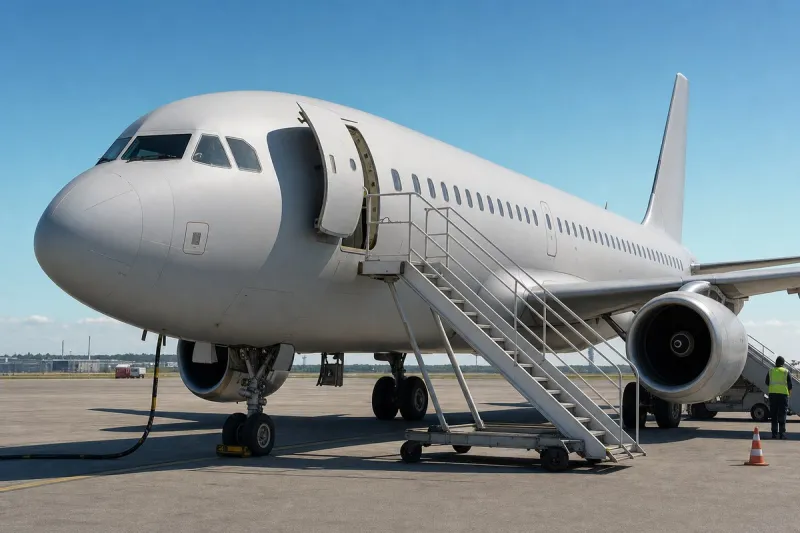
A British Airways Airbus A321neo, registration G-TNEA, operating flight BA308 from London Heathrow to Paris Charles de Gaulle, diverted back to Heathrow after thunderstorms over France caused excessive holding for inbound Paris traffic. The flight had been scheduled to depart at 3:05 PM local time but took off nearly two hours late at 5:03 PM, then returned to Heathrow at 7:12 PM instead of landing in Paris, turning a normally 45-minute service into an airborne journey of more than two hours.
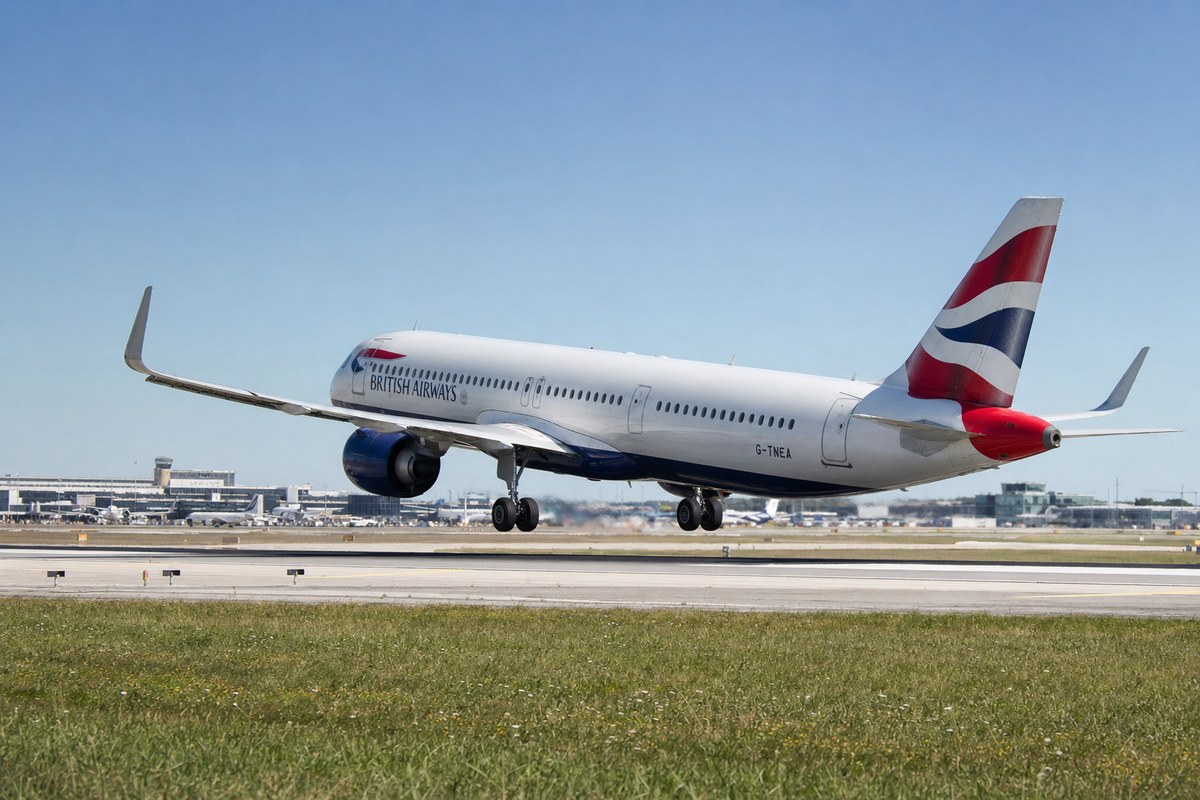
A British Airways spokesperson confirmed the diversion, saying it "returned to Heathrow due to weather in the Paris area, which led to excessive holding," and that the airline's teams "looked after our customers, providing overnight accommodation and rebooking them on the next available flight." Of British Airways' seven scheduled LHR–CDG flights that day, two operated on time, two were cancelled, two ran late, and one — BA308 — was diverted.
The disruption extended beyond a single carrier. FlightAware data showed 314 departures (40%) and 333 arrivals (42%) delayed at CDG, with 18 departures and 18 arrivals cancelled there. Paris Orly saw 51% of its departures run late, while Gatwick, Heathrow and Luton all recorded three-figure delay totals for both arrivals and departures. G-TNEA later operated BA764 to EuroAirport Basel-Mulhouse-Freiburg, arriving about 30 minutes late at 11:10 PM. The following day it completed a round trip to Paris CDG, with BA302 landing 18 minutes behind schedule at 11:13 AM and the return leg BA303 touching down in London at 12:49 PM.
Industry impact & what to watch
This is a case of a single weather cell producing effects far larger than one flight or one airline. Thunderstorm cells over a major hub can force air traffic control to hold or reroute large volumes of inbound traffic, and once holding stacks fill up, airports start cancelling and delaying flights simply to manage congestion rather than because of conditions at each individual airport.
Hub-and-spoke short-haul networks amplify this: an aircraft and crew diverted from one rotation carry the disruption into subsequent legs, as seen when G-TNEA's diversion pushed its next scheduled flight to Basel into a late arrival before operations normalized the next day. Regional weather disruption of this kind also spreads across neighboring airports and carriers rather than staying contained to the storm's immediate location, as shown by the simultaneous delay totals at Orly, Gatwick, Heathrow and Luton.
The next signal to watch is how quickly schedules recover and whether cancellations cluster on specific routes or carriers in the following days, which would indicate lingering aircraft and crew positioning problems rather than a one-day weather event.