TSA and FAA Rules: Which Lighters and Battery-Powered Devices Are Banned or Restricted on Flights
Why It MattersContinued federal scrutiny of lithium-battery and combustible devices underscores airline-security screening as an ongoing operational compliance area rather than a one-off rule change.
The Transportation Security Administration enforces restrictions on lighters and battery-powered devices carried by airline passengers, with rules varying by device type. Under federal regulations, torch lighters are prohibited in both carry-on and checked luggage, as are liquid-fuel lighters without absorbent material, lighter refills and fuel; only one lighter per passenger is permitted.
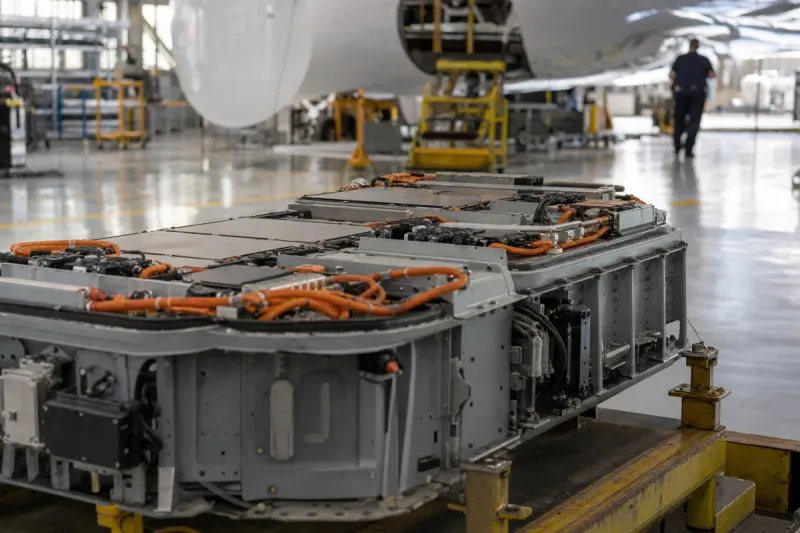
The Federal Aviation Administration distinguishes between standard disposable gas lighters and Zippo-type lighters, which may be transported with restrictions. Electric lighters powered by lithium batteries, including arc and coil models, are allowed only in carry-on luggage, and passengers must prevent accidental activation during the flight. Electronic cigarettes and vape devices are similarly prohibited in checked luggage and must be carried on the person or in carry-on baggage, protected against accidental activation and short circuits.
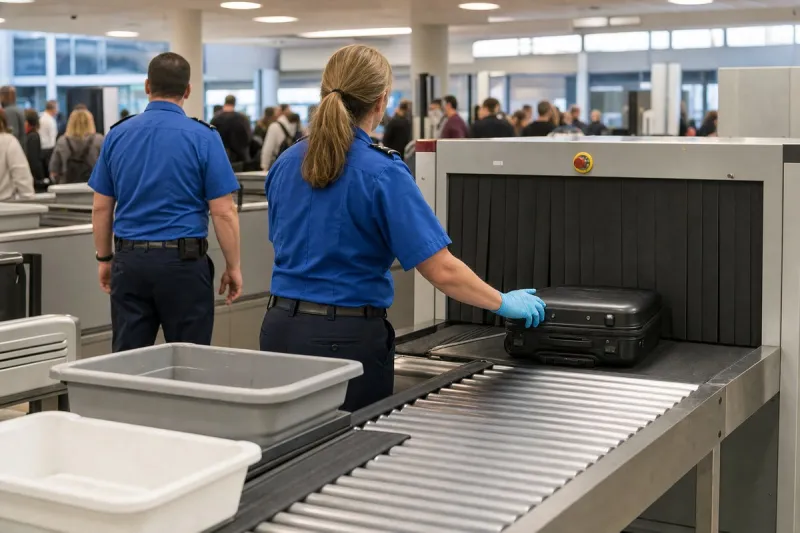
If a prohibited or non-compliant item is detected during airport screening, security officers may require the passenger to remove it before proceeding to the boarding gate. Airlines may impose conditions stricter than federal rules, and the FAA recommends consulting both official regulations and individual airline policies before traveling.