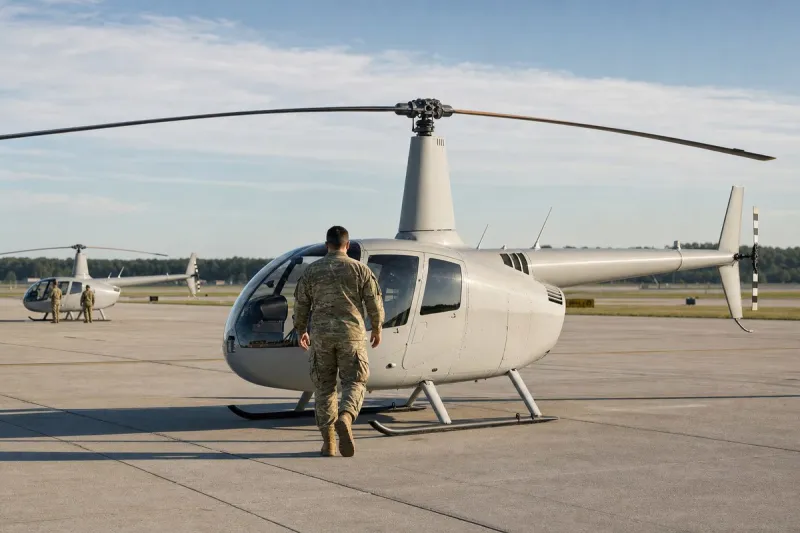
ZeroAvia's ZA600 Hydrogen-Electric Engine Advances Through FAA Certification
Why It MattersSuccessful certification would open a pathway toward zero-emission propulsion in the regional aviation segment, though infrastructure, cost and retrofit hurdles remain before wider adoption.
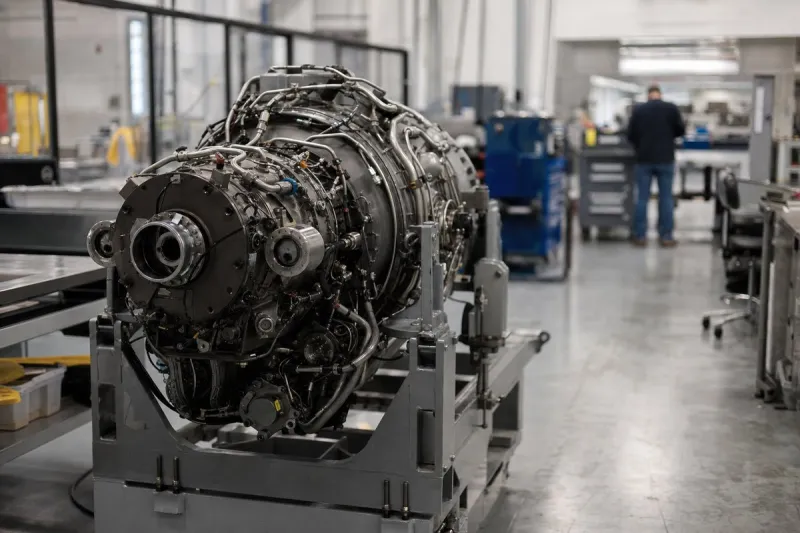
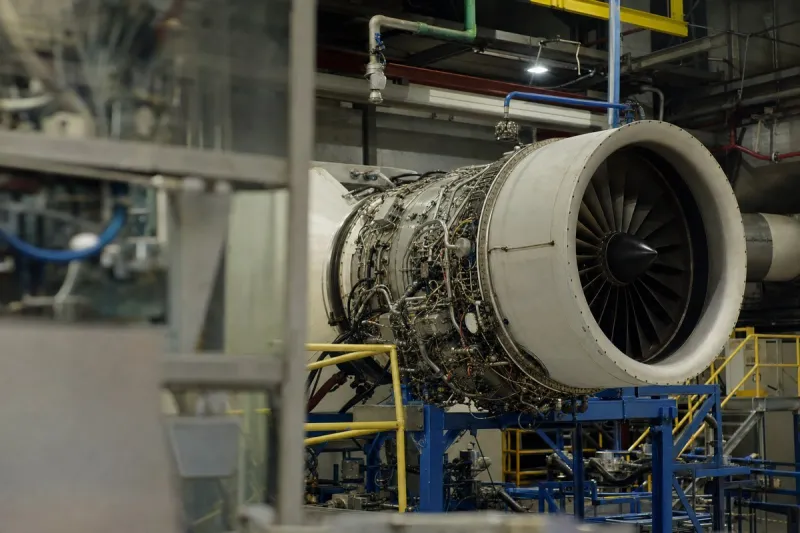
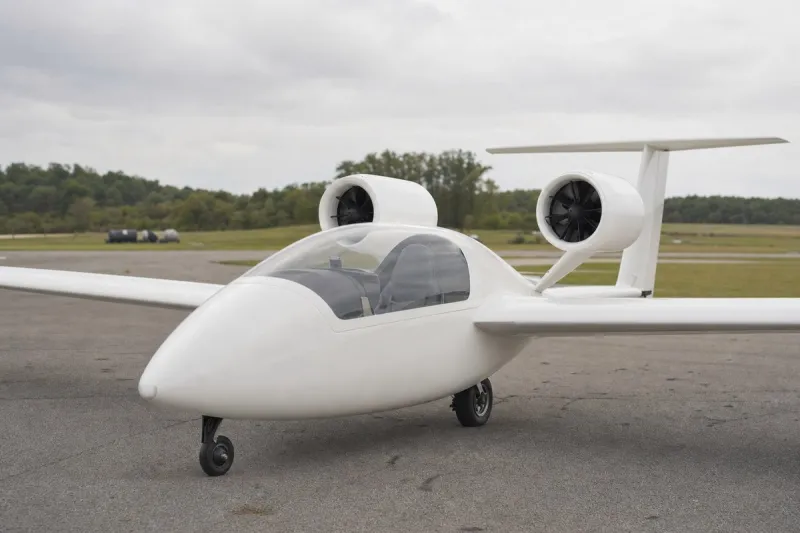
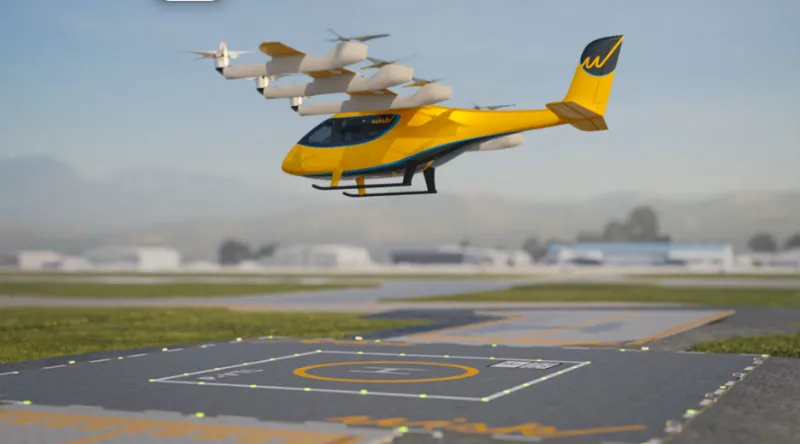
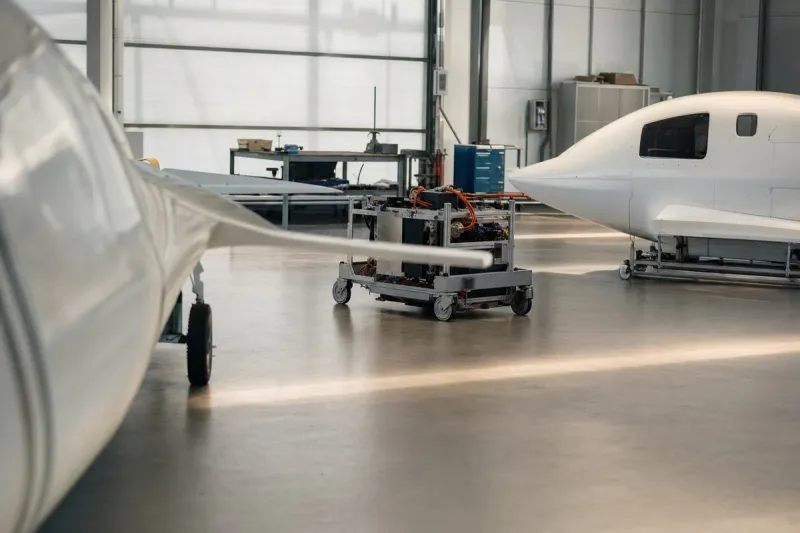
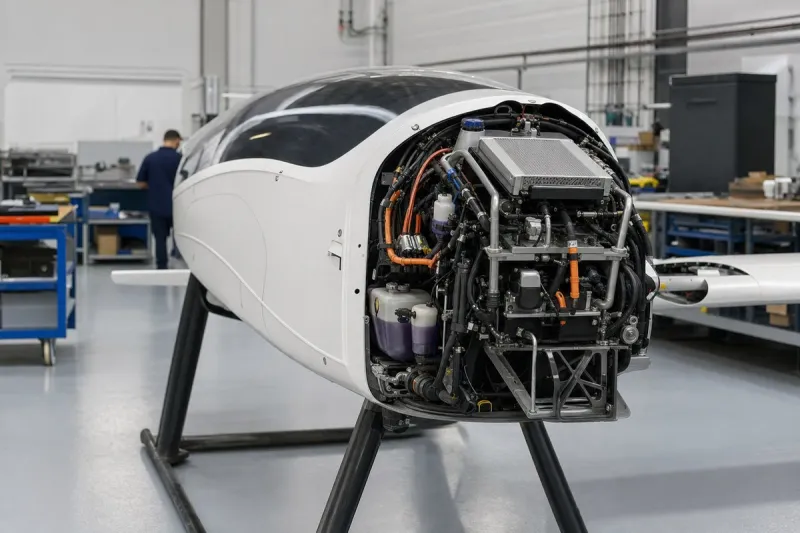
ZeroAvia, a British-American aerospace company, is advancing its ZA600 hydrogen-electric powertrain through FAA certification, with approval expected within two to four years from 2026. The ZA600 is designed for 9–19 seat regional aircraft and targets a zero-emission range of more than 800 km (500 miles), producing only water vapour rather than carbon dioxide.
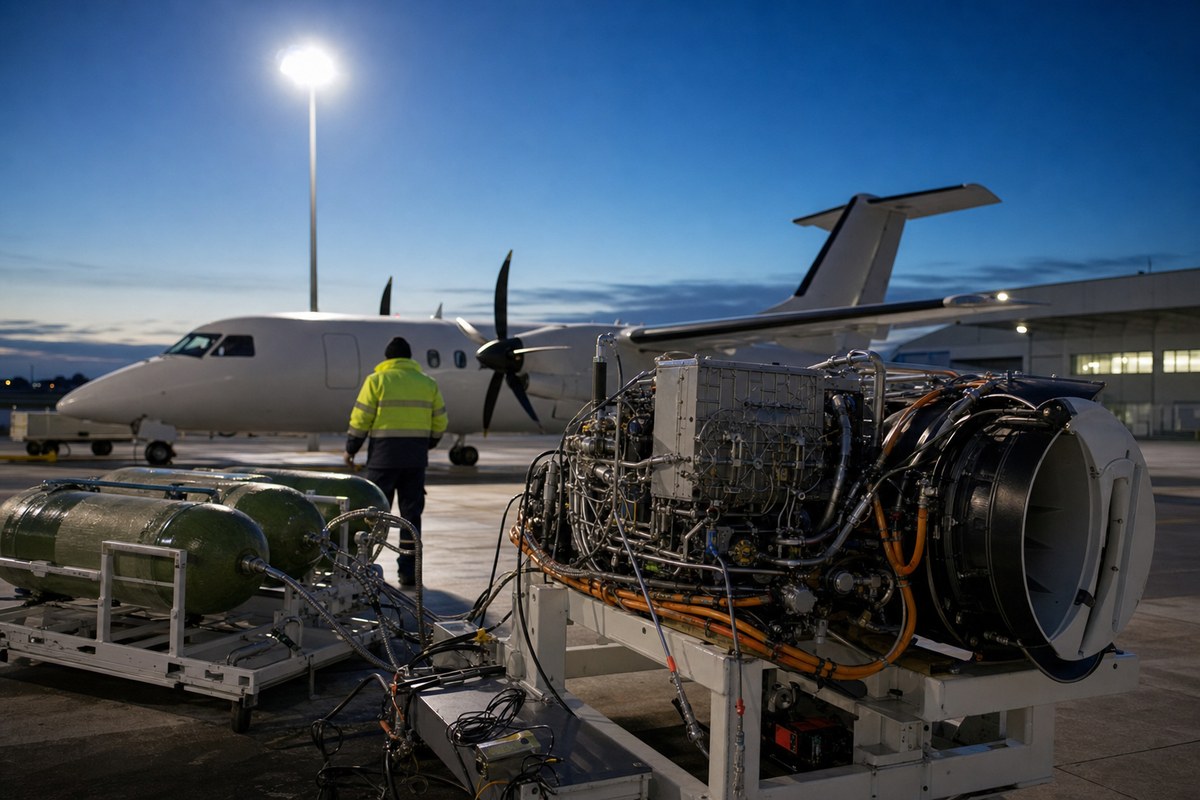
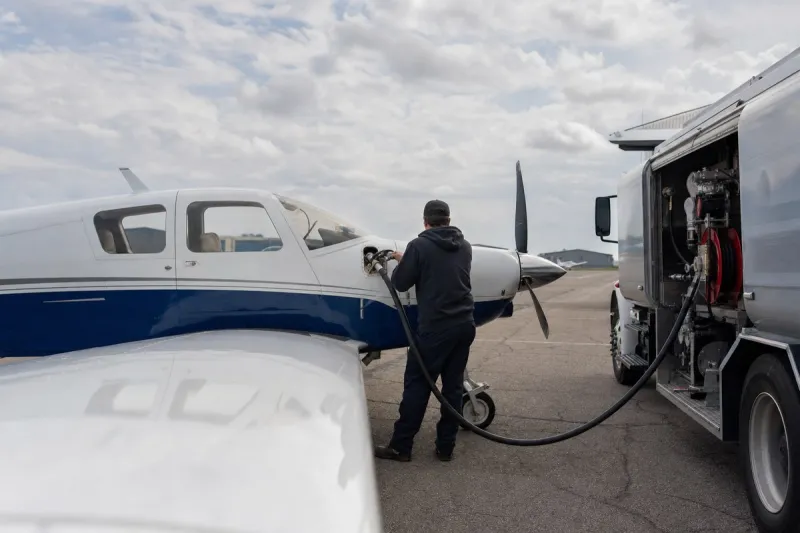
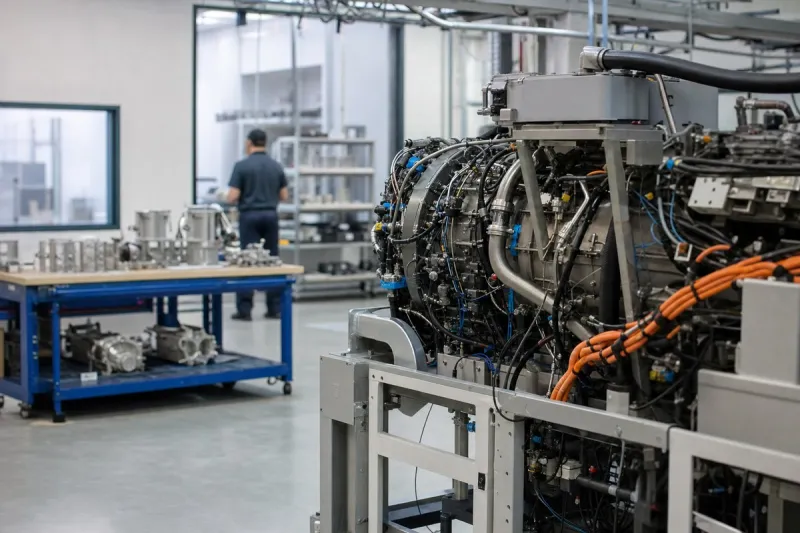
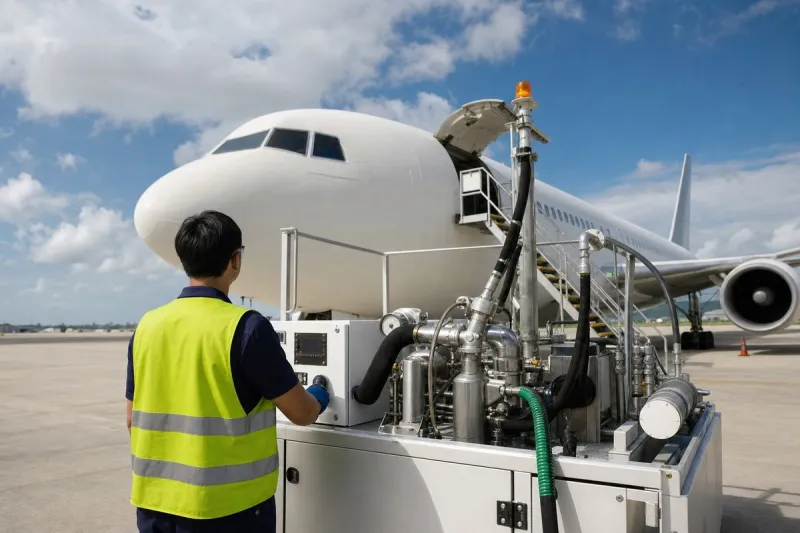
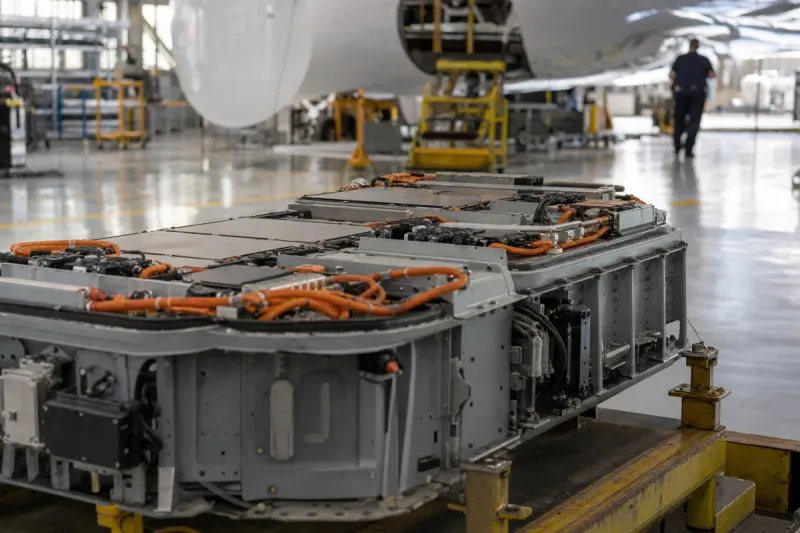
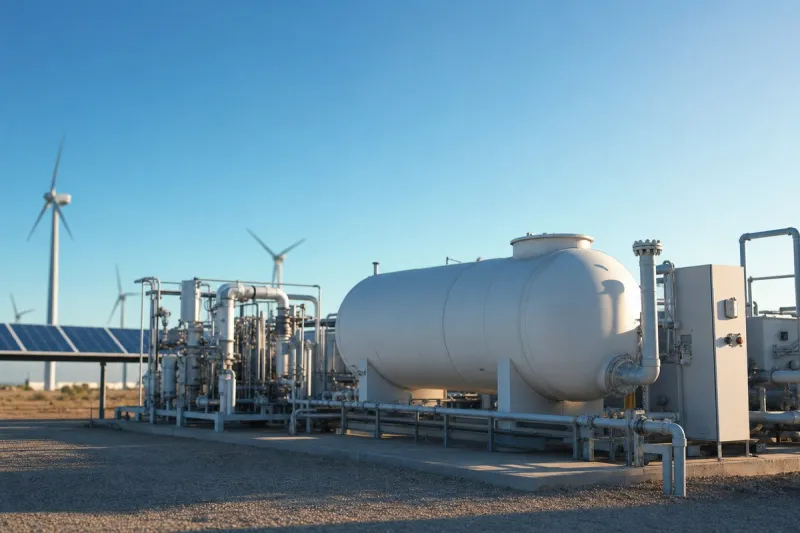
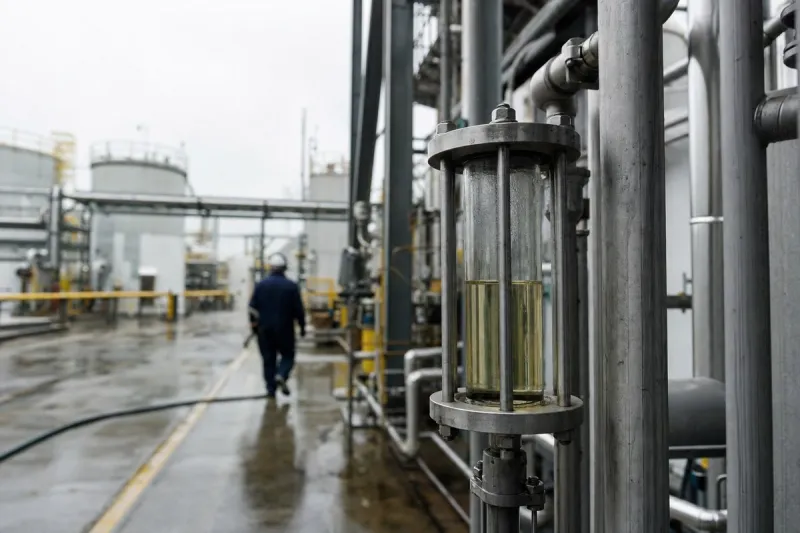
The system stores liquid hydrogen in cryogenic tanks at approximately -253°C (-423°F). Hydrogen gas is fed into a fuel-cell stack, where it reacts with oxygen from the air to generate electricity, which powers electric motors driving the aircraft's propellers, differing fundamentally from burning conventional kerosene.
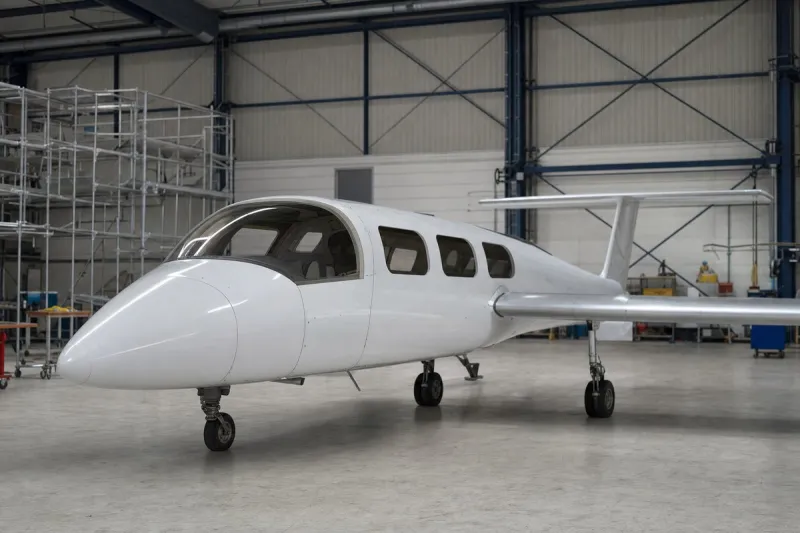
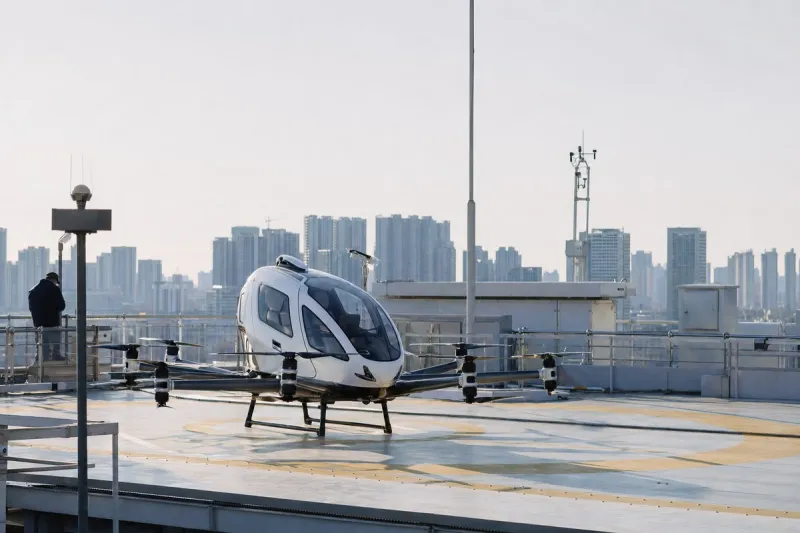
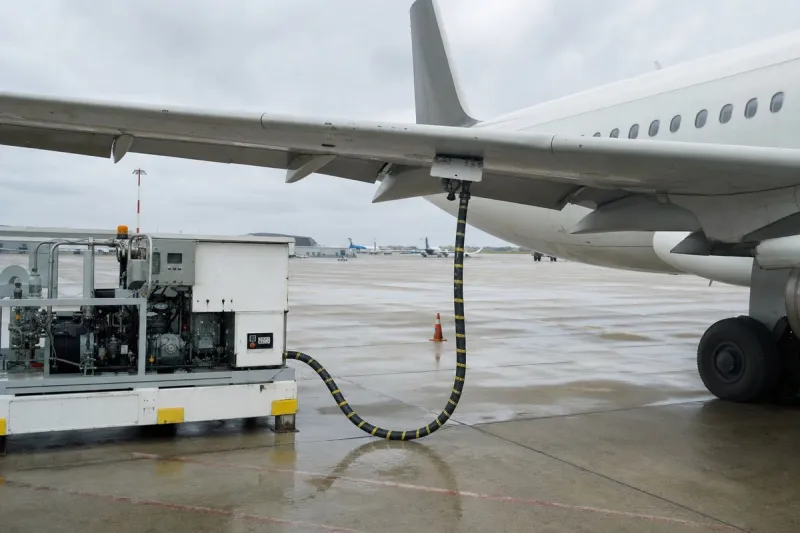
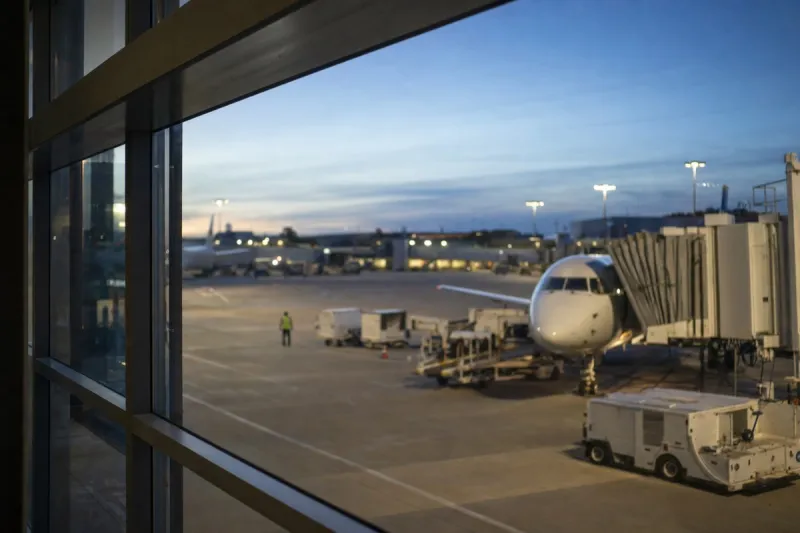
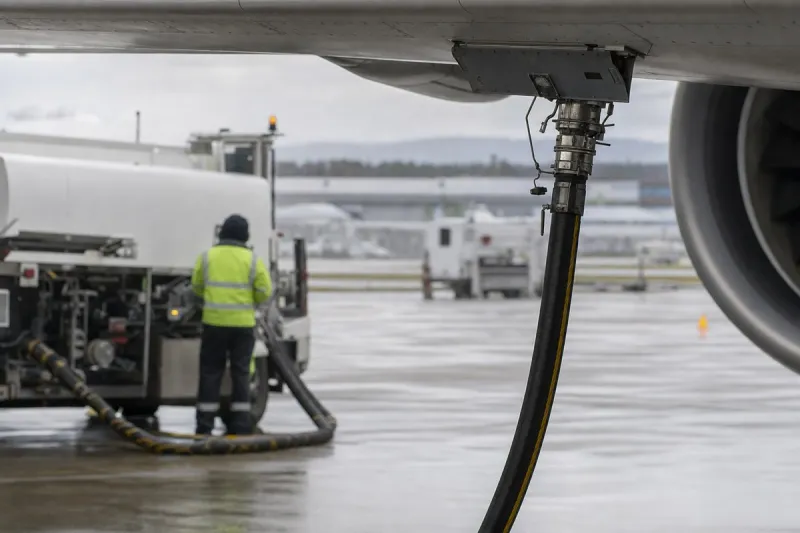
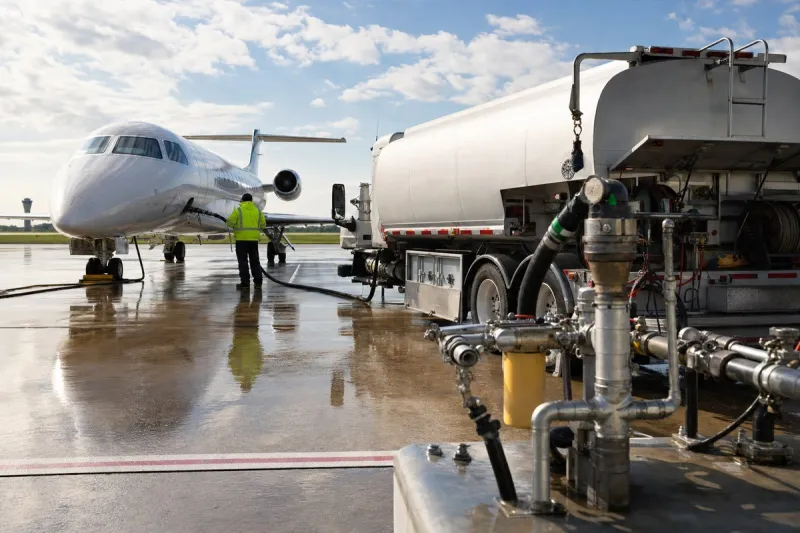
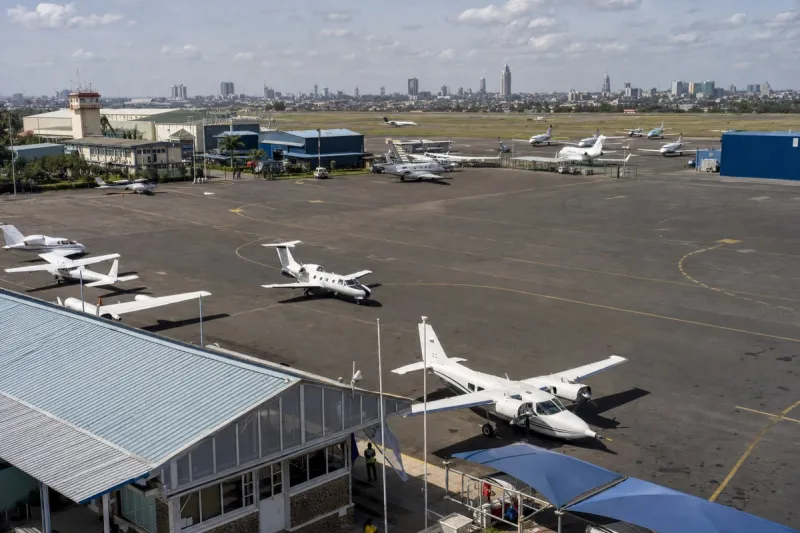
ZeroAvia has positioned regional aviation as the primary target for the technology, citing short-haul routes of 200–800 km typically served by commuter aircraft in the 9–19 seat range as a high-frequency segment suited to zero-emission propulsion. The company acknowledges hurdles including limited hydrogen infrastructure at airports, higher costs for green hydrogen compared with conventional jet fuel, added weight from cryogenic storage equipment, and the need for airlines to retrofit or replace existing regional aircraft.
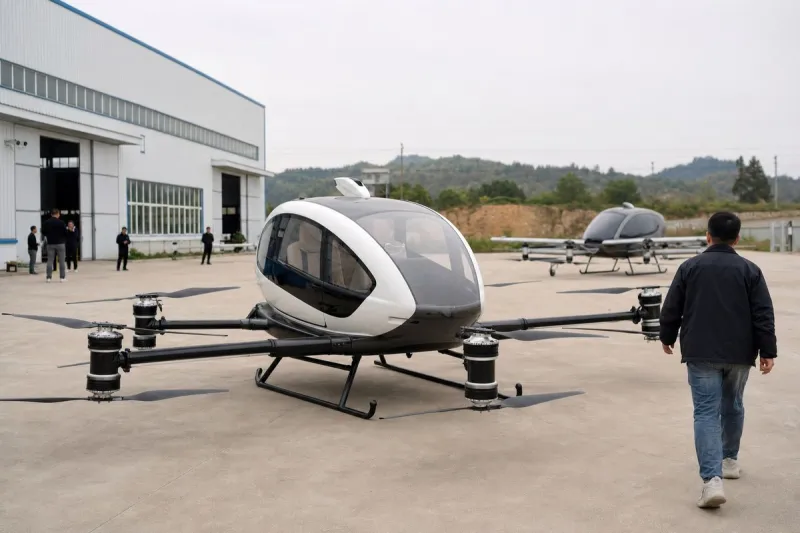
If the ZA600 receives FAA approval, ZeroAvia says it would clear the path for the first commercial hydrogen-electric regional flights, with early operations targeting short-haul routes before scaling to larger aircraft types.