California's Proposed SAF Tax Credit Would Raise Gas and Diesel Prices While Delivering Limited Carbon Reductions, Analysts Warn
Why It MattersThe proposal illustrates how state-level SAF incentives can concentrate benefits among a small number of qualifying refiners while creating feedstock competition between aviation and surface-transport biofuels.
A proposed sustainable aviation fuel tax credit in California Governor Gavin Newsom's budget would primarily benefit Phillips 66's Rodeo Renewable Energy Complex in Contra Costa County, while raising gasoline prices by an estimated 11–14 cents per gallon and increasing diesel prices, according to researchers at the UC Berkeley Energy Institute and the state's nonpartisan Legislative Analyst's Office. The credit would apply to producers of qualifying jet biofuel made from renewable feedstocks such as waste oils, fats, greases or vegetable oils, offering a base rate of about $1 per gallon for fuels achieving at least a 50% reduction in CO₂-equivalent emissions versus conventional jet fuel, plus 2 cents per gallon for each further 1% reduction, up to roughly $2 per gallon. Producers must also hold California diesel excise tax liability, and monthly tax returns filed after November 1, 2027, and before January 1, 2036, would be eligible.

The state estimates the proposal would cost between $165 million and $300 million, though the Legislative Analyst's Office warns actual costs could run higher. Helen Kerstein, who evaluates climate programs for the office, said the credit's size could incentivize out-of-state companies to acquire California firms holding diesel tax liabilities in order to claim it, or prompt a major California refiner such as Chevron to buy a renewable fuel company elsewhere and ship the fuel into the state to qualify. The office has urged rejection of the proposal over its impacts on transportation funding.
The UC Berkeley Energy Institute said the credit would reduce road funding drawn from monies voters designated for highways and local streets, deliver small and costly carbon emissions reductions, and drive up feedstock prices because SAF and renewable diesel compete for the same raw materials. By shifting production toward aviation fuel, the credit would largely divert biofuels away from surface transport such as renewable diesel, limiting net climate benefits relative to the fiscal and price impacts.
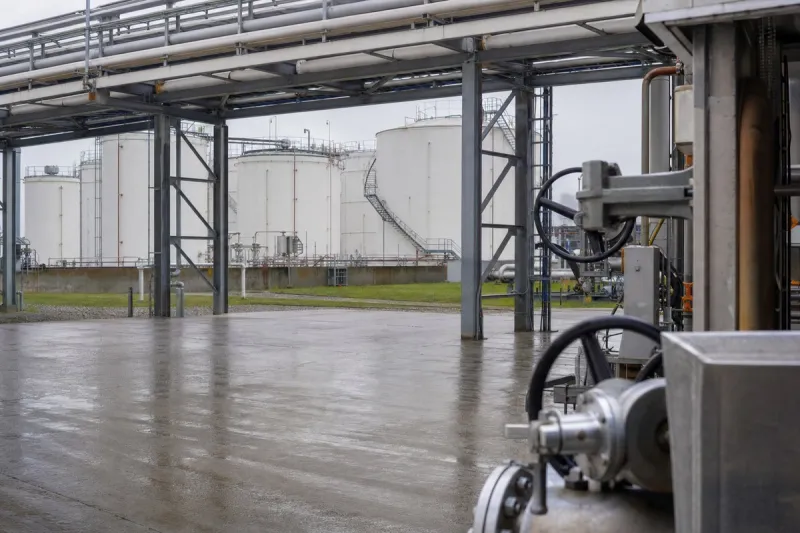
Only two companies currently produce state-certified jet biofuel and hold California diesel excise tax liability, the conditions required to claim the credit. Of those, only Phillips 66 has publicly confirmed it would qualify, having invested $1.25 billion converting its Rodeo refinery from conventional petroleum refining to biofuels production.