FAA Proposes Special Certification Conditions for Skyryse Fly-By-Wire System on Robinson R66
Why It MattersThe case shows fly-by-wire retrofits on existing airframes forcing regulators to write new certification conditions rather than apply legacy control-feel standards, shaping how software-defined flight controls reach certification.
What happened
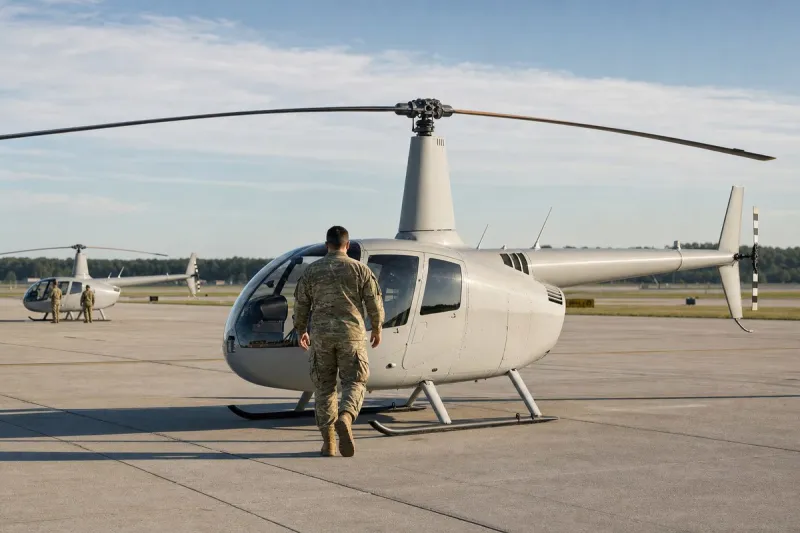
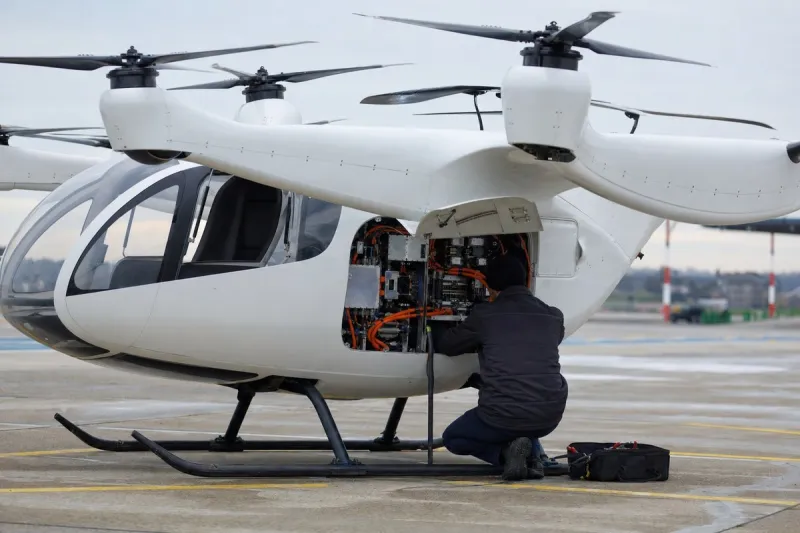
The Federal Aviation Administration has proposed special certification conditions for Skyryse's SkyOS fly-by-wire flight-control system, which is being installed on the Robinson R66 helicopter as the Skyryse One. The proposed conditions would require SkyOS to give pilots an indication when primary flight controls approach the limits of their available authority, since the system removes the direct mechanical link between cockpit controls and the main- and tail-rotor controls, along with the tactile cue that conventional control positions normally provide about remaining control authority.
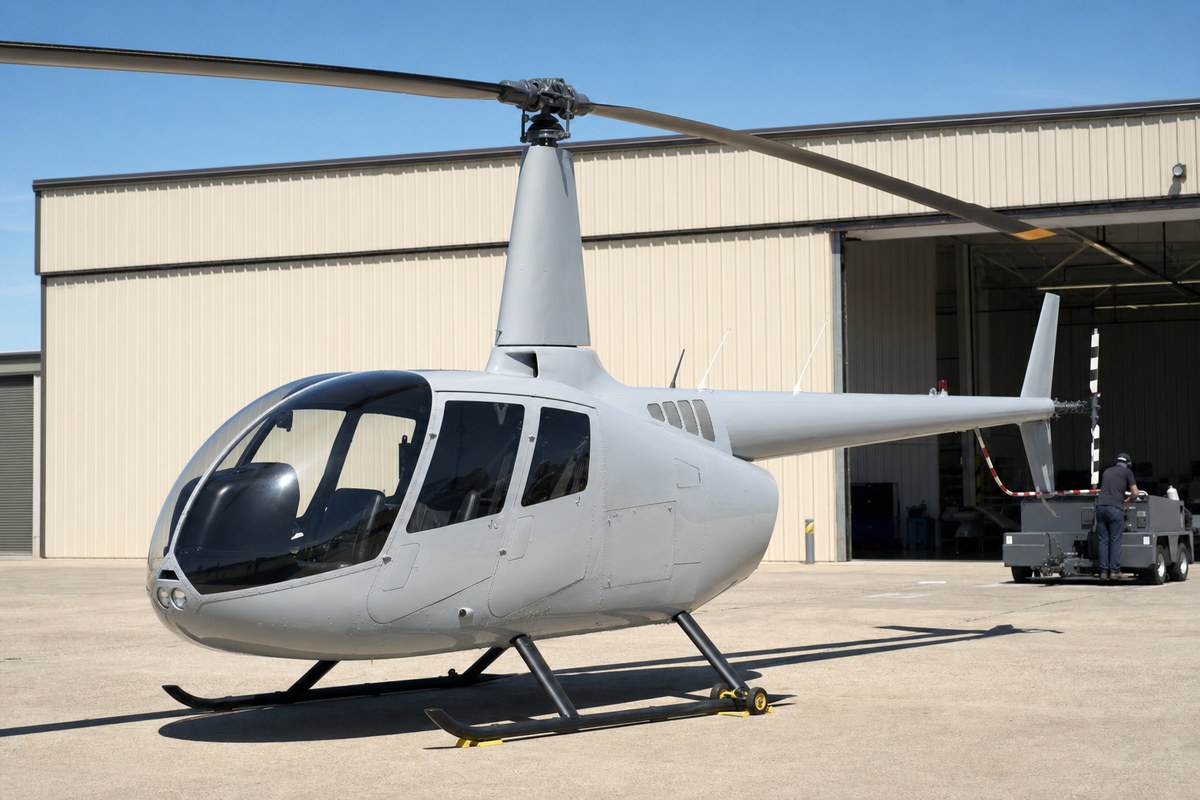
Skyryse's modification replaces the R66's conventional cyclic and pedals with a single control stick, touchscreens, and software-controlled flight systems designed to automate functions normally handled directly by the pilot. The FAA noted that the term "suitable," as used in the special condition, indicates "an appropriate balance between nuisance and necessary operation." Skyryse applied for a supplemental type certificate for the R66 installation in April 2023, and in February the company announced the aircraft had entered for-credit flight testing with the FAA. The FAA is accepting public comments on the proposal through October 13.
Industry impact & what to watch
This proposal fits into a broader pattern of regulators writing bespoke special conditions when an aircraft modification introduces technology not anticipated by existing airworthiness standards. Fly-by-wire retrofits on airframes originally certified with mechanical controls raise questions that standard certification bases do not address, particularly around what cues pilots need when direct mechanical feedback is engineered out.
How such a system reaches the field depends on the FAA resolving the specific technical gap it identified — here, replacing tactile control-position feedback with some other suitable indication of remaining authority — before the supplemental type certificate can be granted. The comment period through October 13 is the next dated step, and the FAA's final wording on what counts as "suitable" will determine how much design latitude Skyryse retains in balancing pilot alerts against nuisance warnings.