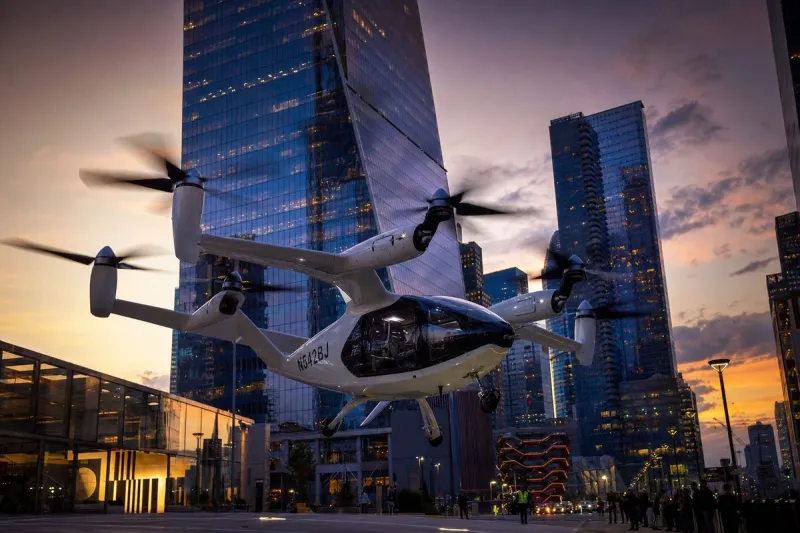
Global eVTOL Market Projected to Reach US$3,778.9 Billion by 2035 with 78.5% CAGR as Japan Shifts Focus to Procurement Readiness
Why It MattersThe shift from prototype demonstrations to certification, supply-chain validation and procurement discipline signals that eVTOL competitiveness in Japan will hinge on industrial and regulatory readiness rather than technology alone.
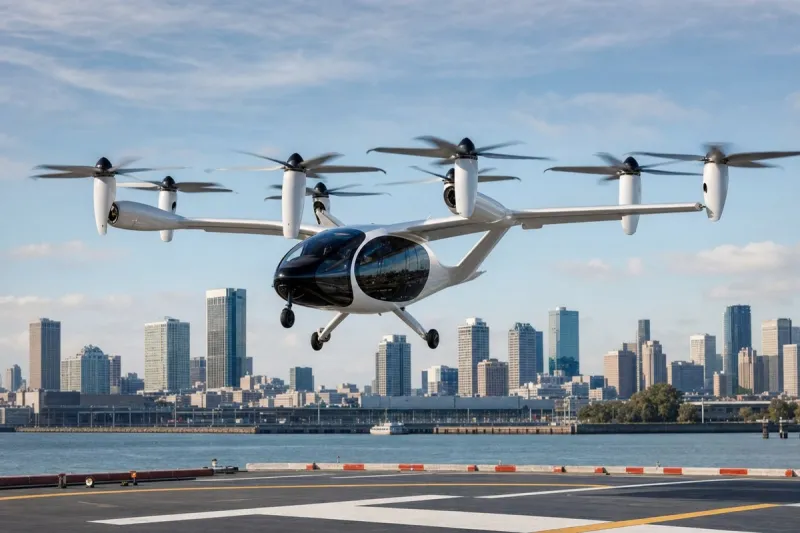
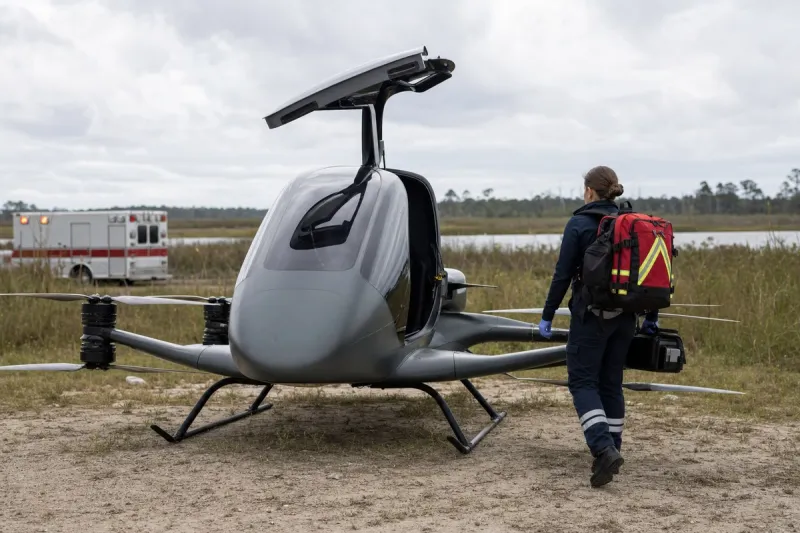
The global eVTOL market is valued at US$5.6 billion in 2026 and is forecast to reach US$3,778.9 billion by 2035, a compound annual growth rate of 78.5%, according to a market outlook published by DataM Intelligence.
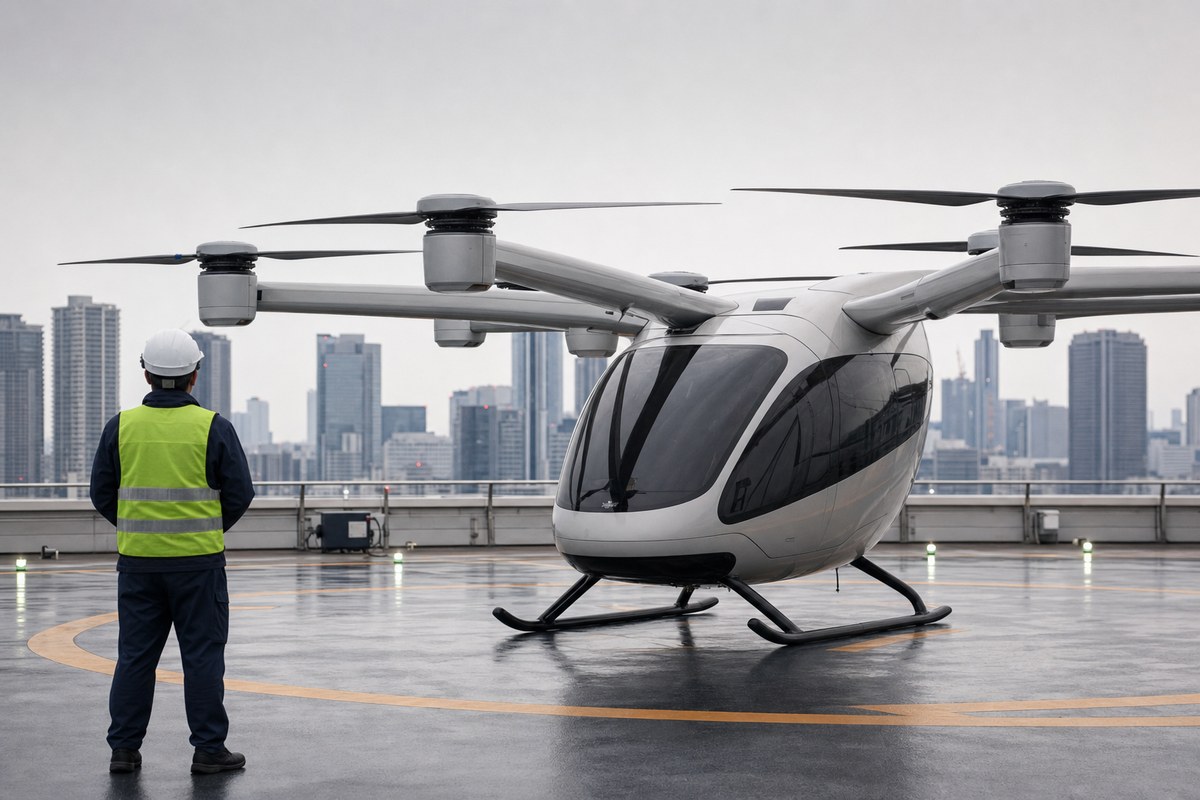
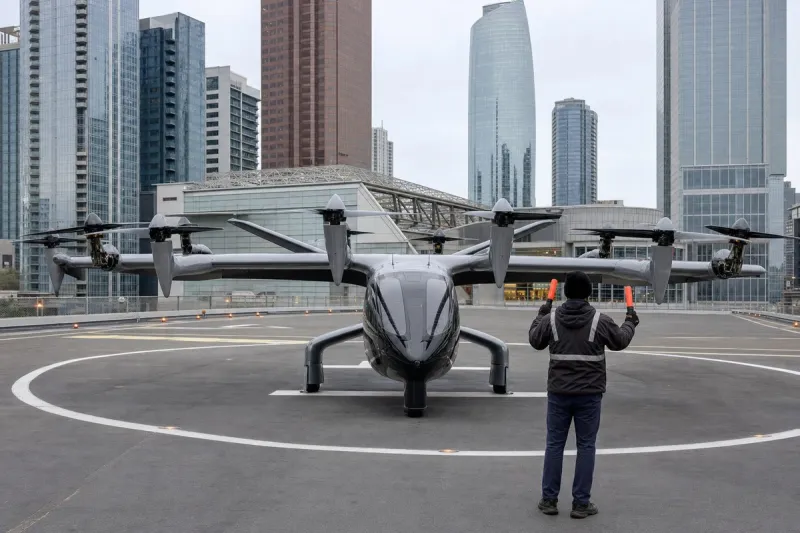
In Japan, investment priorities have moved away from prototype demonstrations toward certification, production discipline, vertiport engineering, charging infrastructure, traffic-management integration and domestic supply-chain validation. Japan revised its Advanced Air Mobility Roadmap on March 27, 2026, setting 2027-2028 as the target window for initial commercial operations, with early services expected to be limited, low-density and mainly pilot-on-board, while autonomous aerial mobility corridors and remotely piloted passenger transport are positioned for the 2030s.
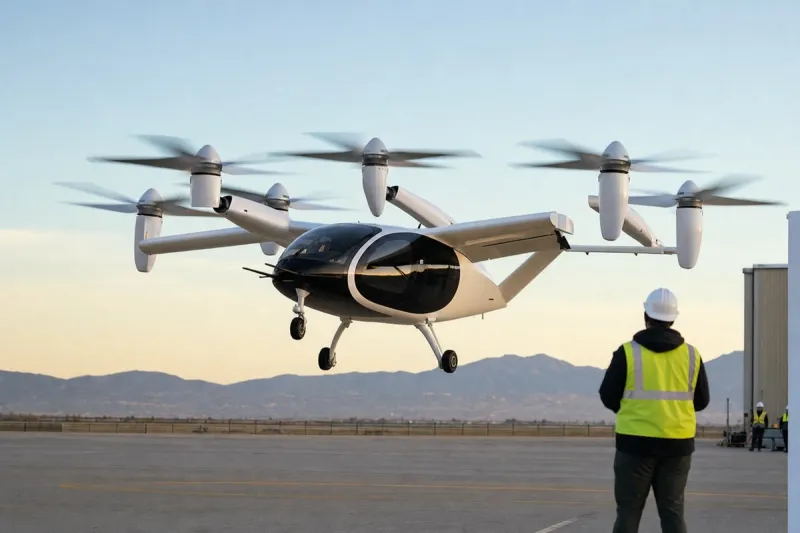
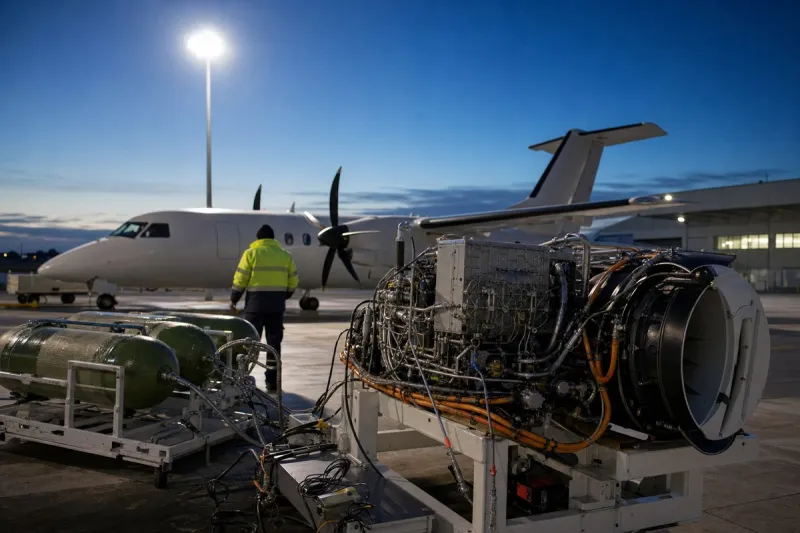
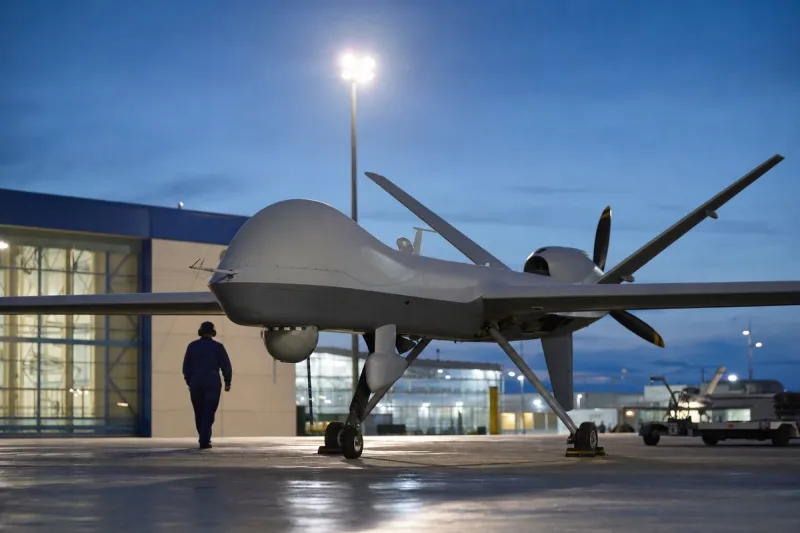
Joby Aviation and Toyota launched a strategic manufacturing alliance in June 2026 focused on production groundwork, quality, cost reduction and capacity expansion. NEDO's ReAMo program carries fiscal 2026 targets covering international test-procedure standardization, disclosure of validation know-how to domestic companies, and electric-propulsion certification data obtained through hardware-in-the-loop simulation. Japan's FY2026 defense budget allocates approximately ¥277.3 billion for unmanned capabilities, including ¥100.1 billion for the SHIELD program, creating an adjacent pathway for dual-use propulsion, autonomy and communications technologies, while Osaka Metro's 2026 subsidized work in Morinomiya covers noise, wind and environmental baseline studies around a proposed vertiport area.
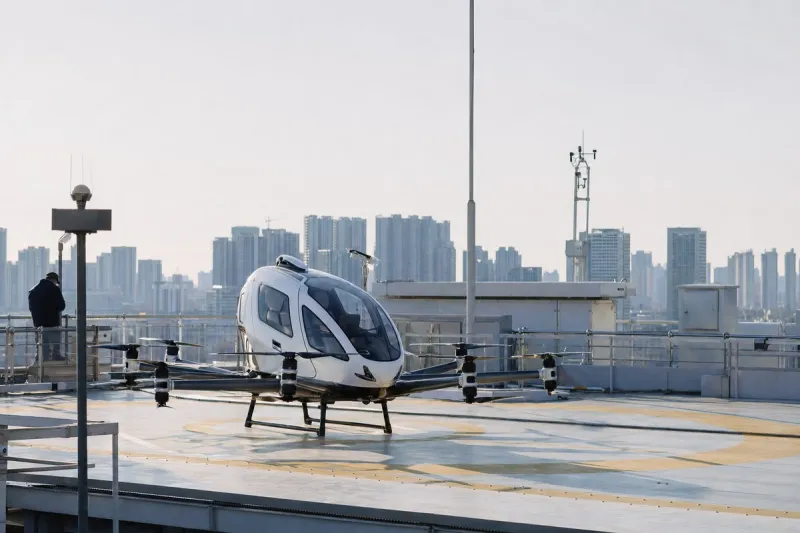
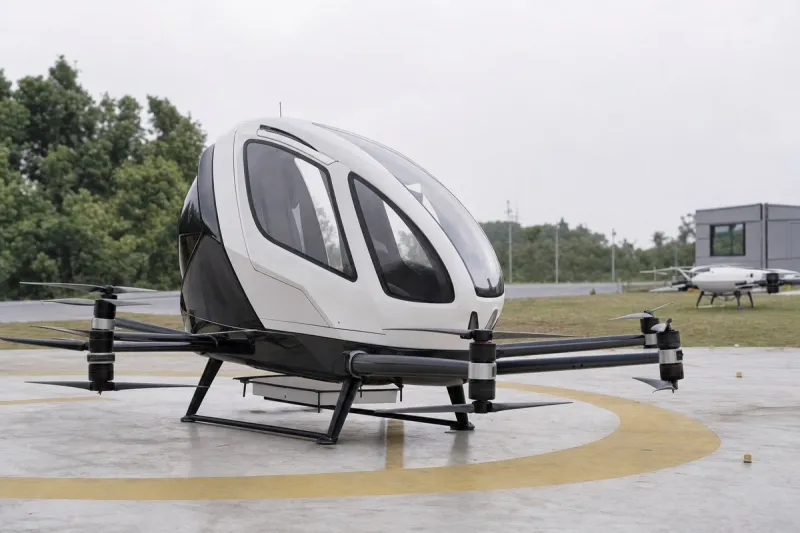
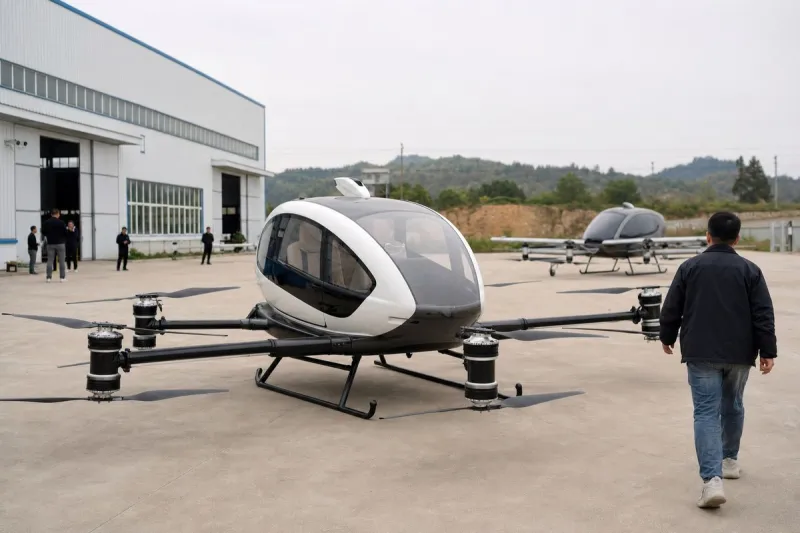
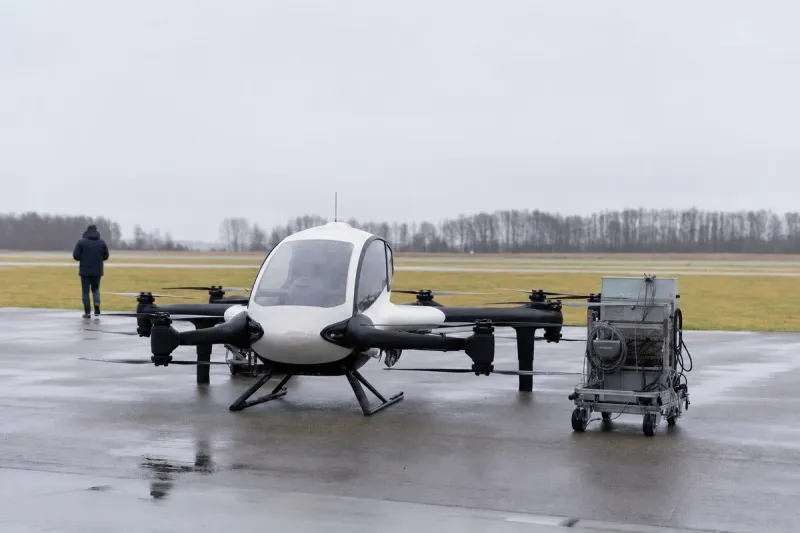
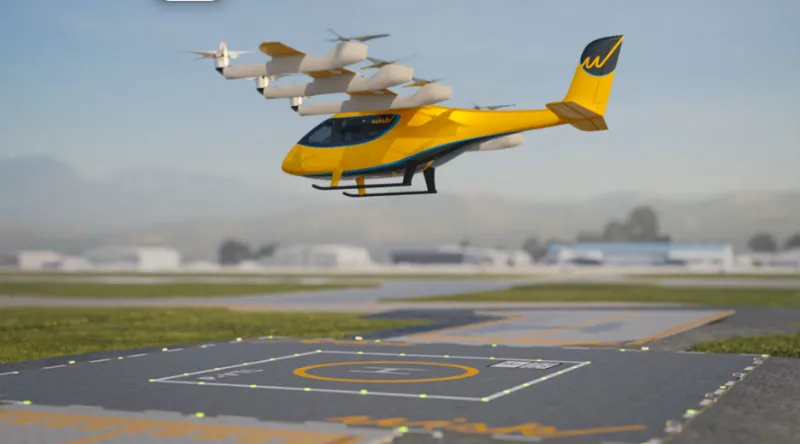
Boeing agreed in August 2026 to transfer its Wisk, SkyGrid and Insitu units to Archer Aviation, prompting the report to note that Japanese procurement contracts should anticipate supplier ownership changes and protect access to technical data, software support, certification records and spare-parts commitments. EHang's Tsukuba UAM Center in Japan combines demonstration and maintenance functions with hangar capacity for approximately 25 EH216-S aircraft, though the report states that overseas approvals and aircraft availability alone cannot substitute for alignment with Japan's operating concept and certification timetable. The report concludes that a commercially viable eVTOL supplier in Japan will need to deliver a complete mission system, sustain operations through a long regulatory approval cycle and create verifiable domestic industrial value.