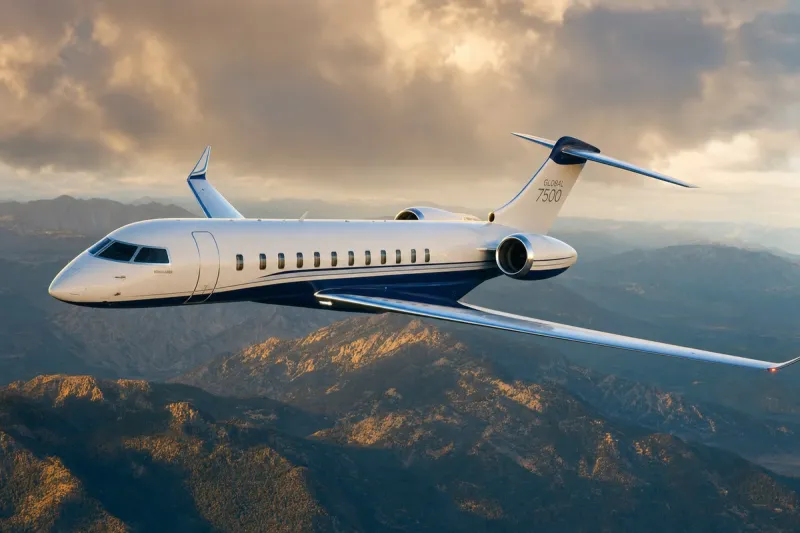
Archer Aviation to Acquire Boeing's Wisk Aero, Insitu and SkyGrid in Single Deal
Why It MattersThe deal shows how a pure-play eVTOL startup can pivot into diversified aerospace and defense by pairing unproven autonomous flight technology with an already profitable government-aircraft business.
What happened
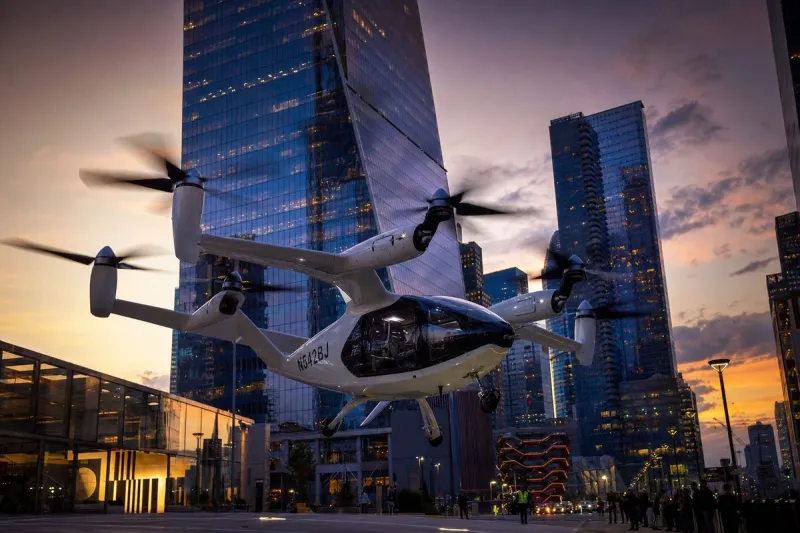
Archer Aviation (NYSE: ACHR) announced on August 10, 2026 that it will acquire three Boeing subsidiaries — Wisk Aero, Insitu and SkyGrid — in a single transaction. In exchange, Boeing will receive an equity stake in Archer, a nominee seat on Archer's board, and a technology-sharing arrangement preserving Boeing's access to Wisk Aero's autonomous-flight technology for its own future aircraft programs.
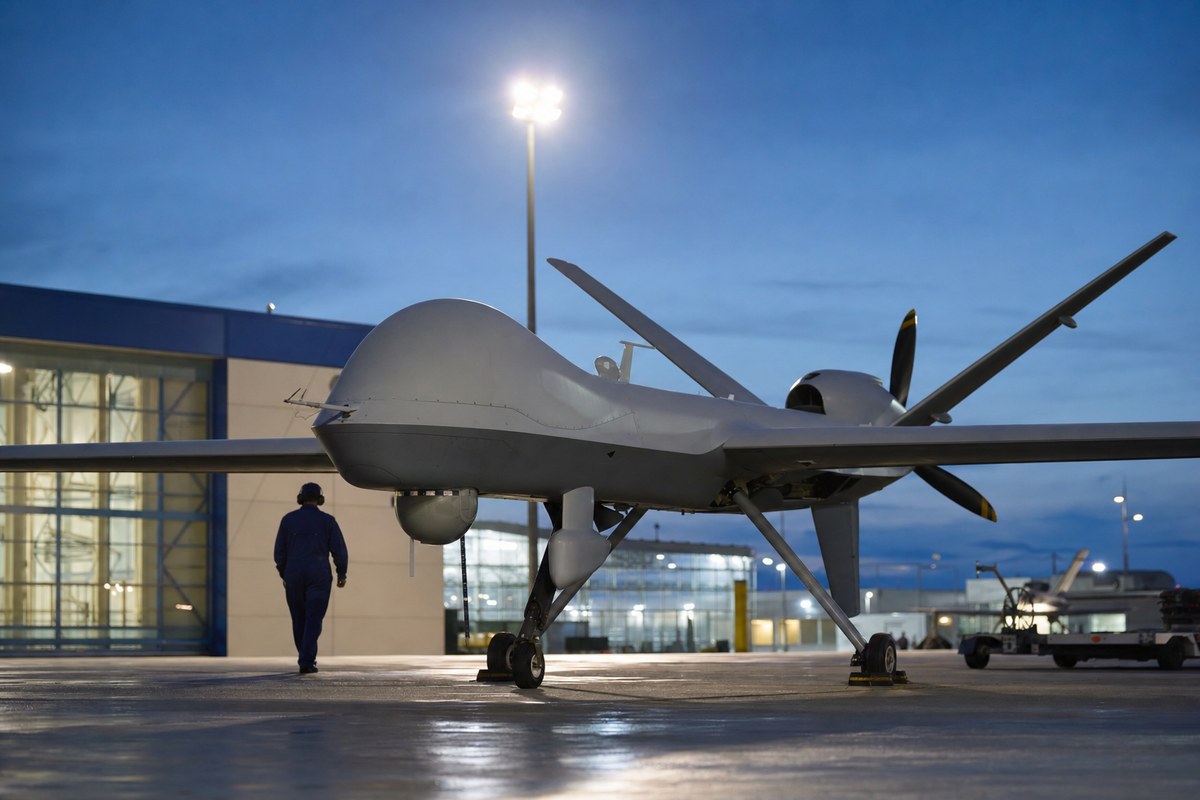
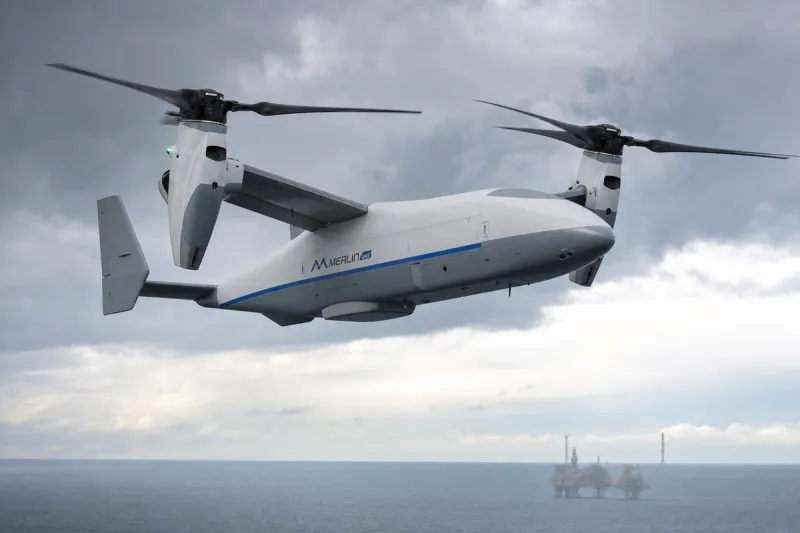
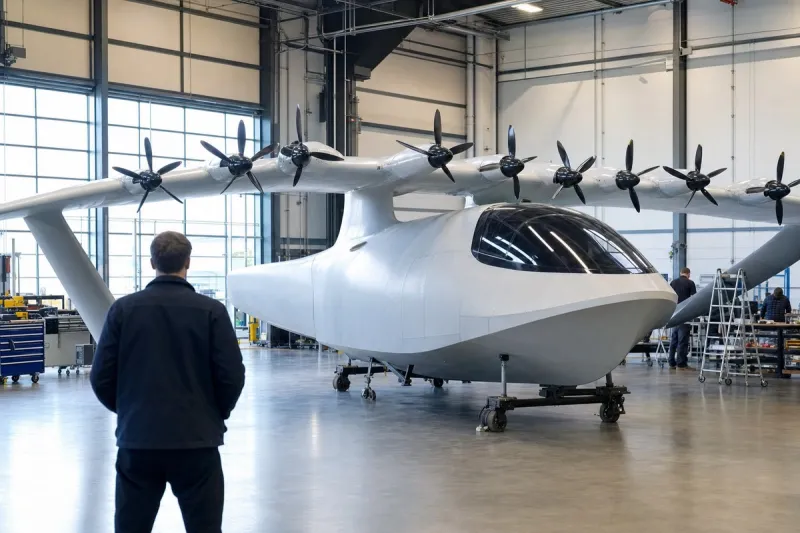
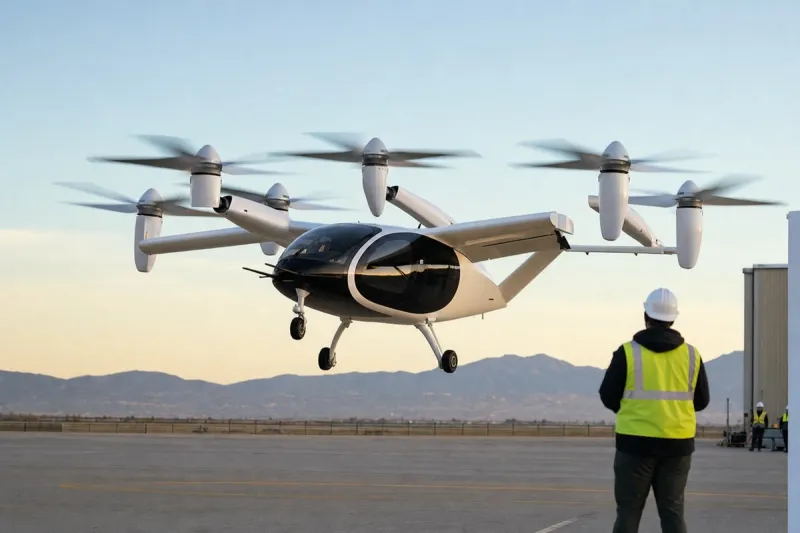
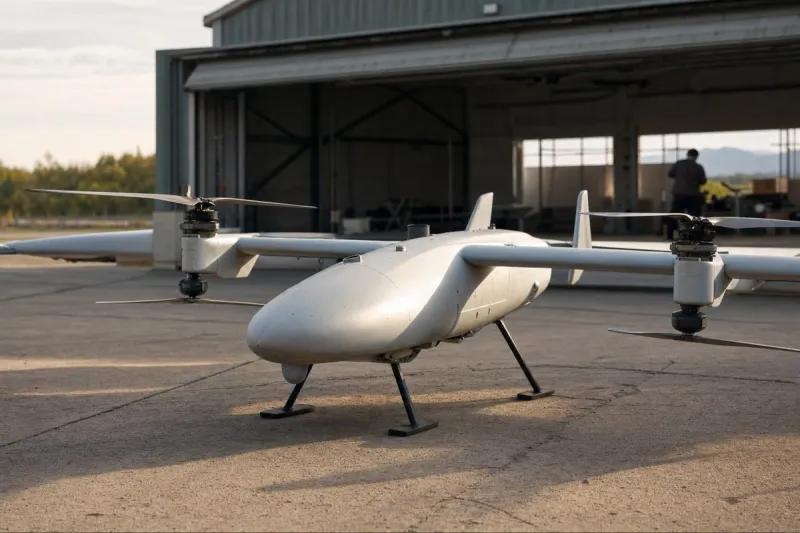
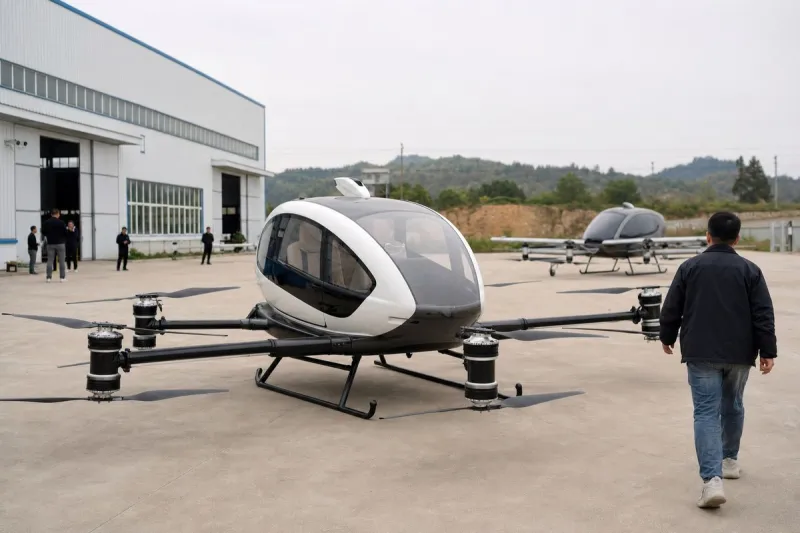
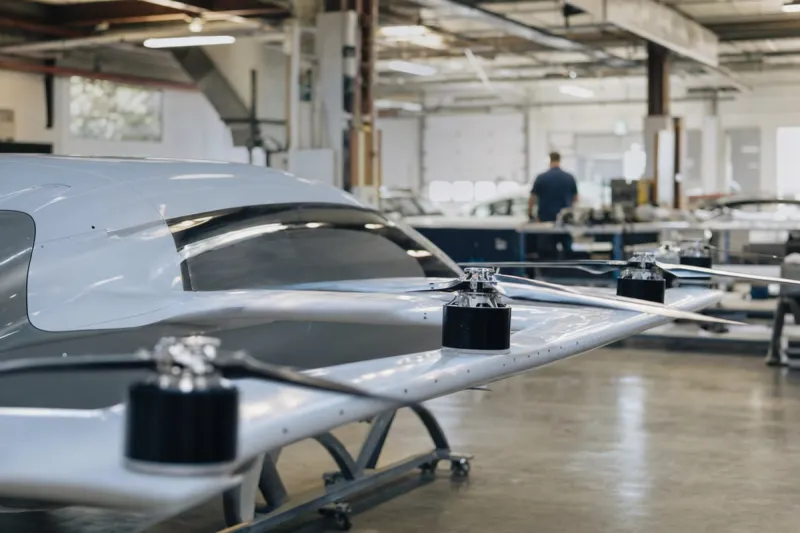
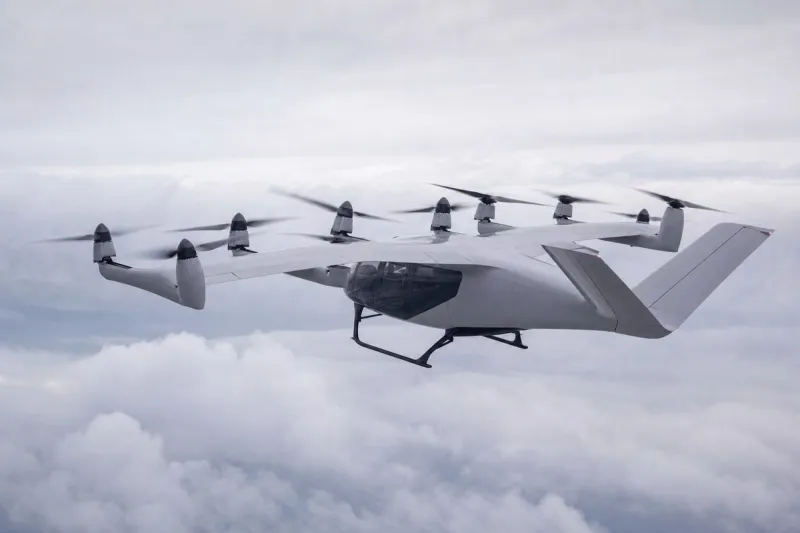
The three businesses bring sharply different profiles. Wisk Aero is the only company to have designed, built and flown six generations of eVTOL aircraft, completing more than 1,700 flight tests over sixteen years, with a core focus on pilotless autonomous air taxis. Insitu, maker of the ScanEagle family of uncrewed reconnaissance aircraft, has fielded more than 3,500 systems across the armed forces of 35 nations and generates over $200 million in annual revenue. SkyGrid supplies aircraft-agnostic, ground-based air-traffic management technology. Together, Archer says, the three companies contribute nearly two million combined flight hours of operational data, which it intends to feed into ZEE, its AI model for aerospace and defense applications.
Archer founder and CEO Adam Goldstein called the announcement "a watershed moment for Archer and the future of physical AI in aerospace and defense." Boeing VP Brian Yutko described the transaction as "a win-win," saying it allows the three units to accelerate development while ensuring Boeing capitalises on two decades of investment. The deal is subject to the Hart-Scott-Rodino antitrust review process and is expected to close by the end of 2026.
Why Boeing is selling
For Boeing, the divestiture is consistent with a broader two-year effort to shed non-core assets and refocus resources on its primary commercial and defense aircraft programs. Retaining an equity stake, a board seat and continued access to Wisk Aero's autonomous-flight technology lets Boeing step back from day-to-day investment in these units while keeping a claim on any future value they create.
Industry impact & what to watch
This transaction pairs a capital-intensive, pre-revenue eVTOL developer with a defense contractor that already books over $200 million a year, a combination that changes Archer's balance sheet from a single-product startup into a company with an immediate revenue base alongside its air-taxi ambitions. It illustrates how eVTOL developers, facing years before commercial passenger service scales, are increasingly looking to adjacent uncrewed and defense markets to fund the technology development that certification requires.
How the segment works here is straightforward: Insitu's ScanEagle fleet and government contracts generate cash now, while Wisk Aero's six generations of eVTOL testing and nearly two million combined flight hours of data become the training base for Archer's ZEE AI model, a bet that autonomous-flight data has value beyond any single aircraft program. Boeing's retained equity stake and board seat give it a way to benefit from that bet without carrying the operating cost itself.
The next fixed points are the Hart-Scott-Rodino antitrust review and the expected close by the end of 2026; either could still reshape the terms disclosed so far. Whether Archer can integrate three businesses with such different customers — air-taxi regulators, 35 national militaries, and air-traffic technology buyers — into one operating company is the open question the closing date will start to answer.