Electric Air Taxis Near Commercial Launch as Joby Aviation Eyes First Passenger Flights
Why It MattersFederal support through the eIPP demonstration pathway is accelerating a shift from years of eVTOL hype toward near-term, limited urban air-mobility service launches.
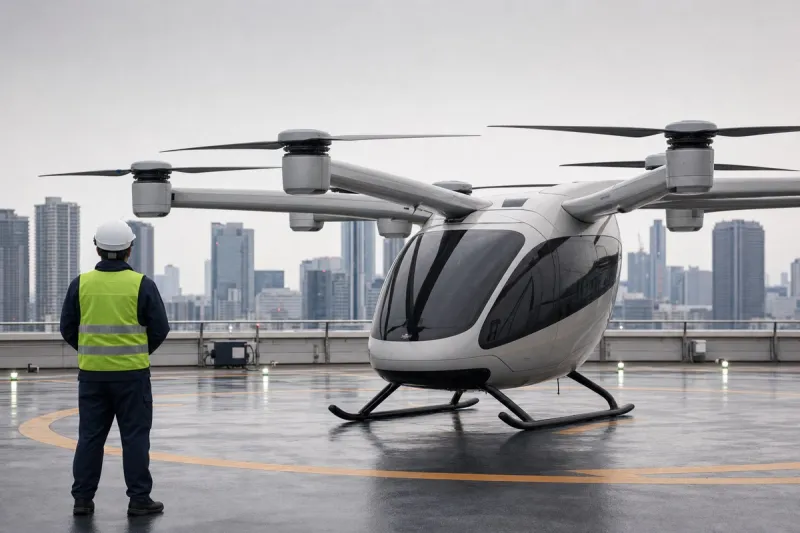
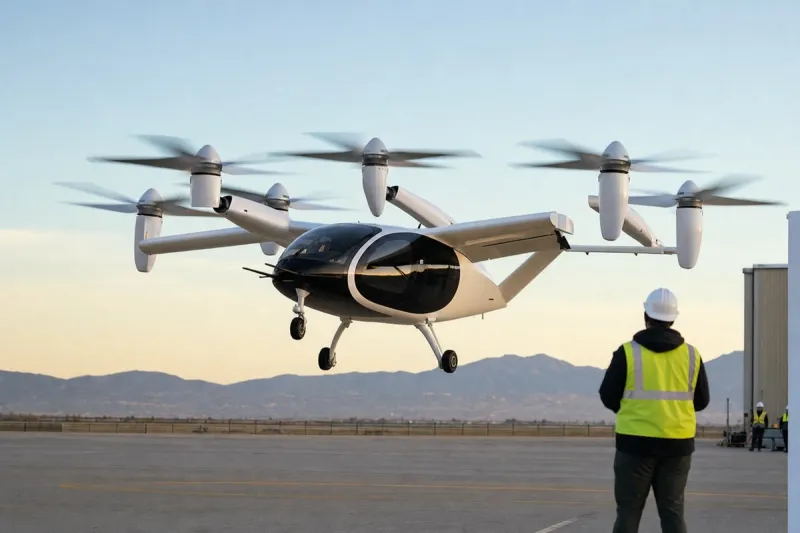
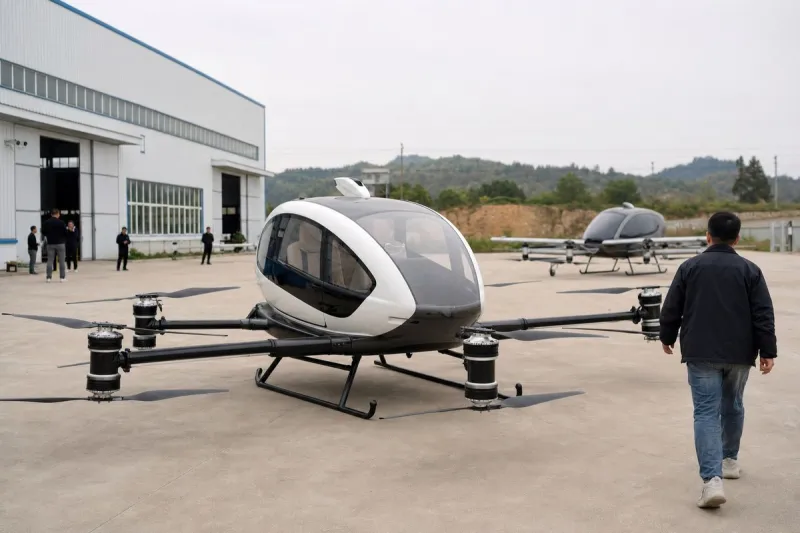
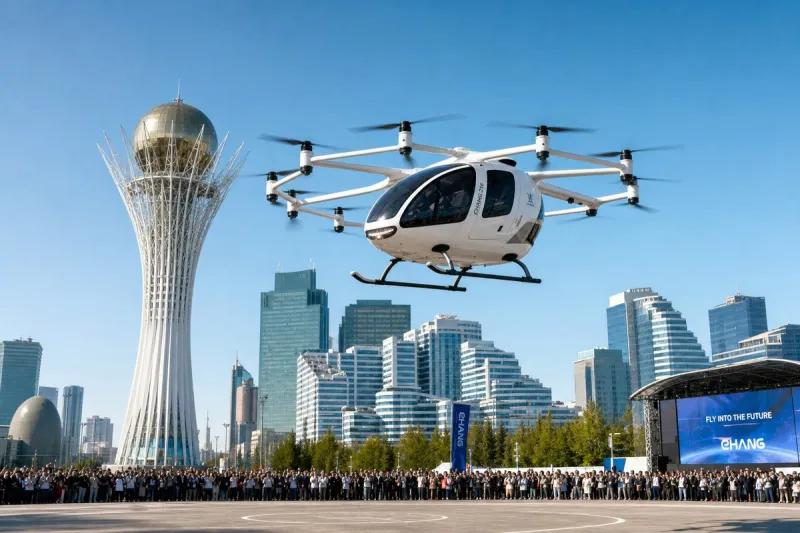
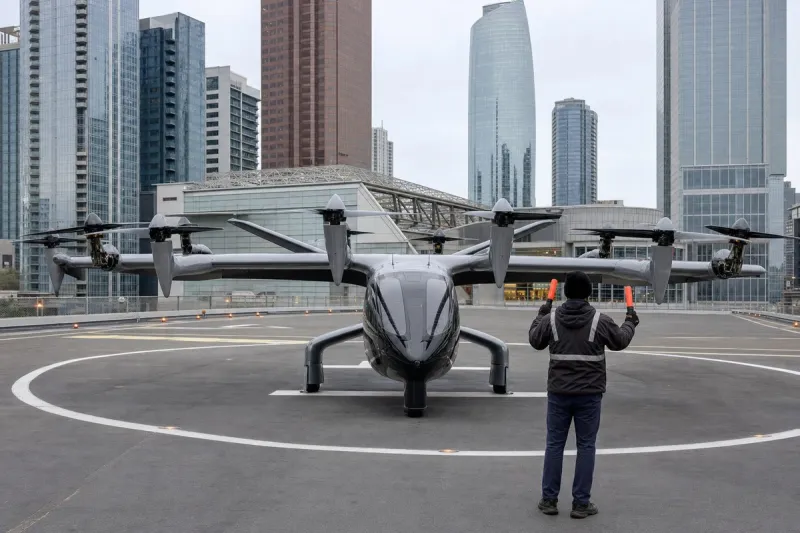
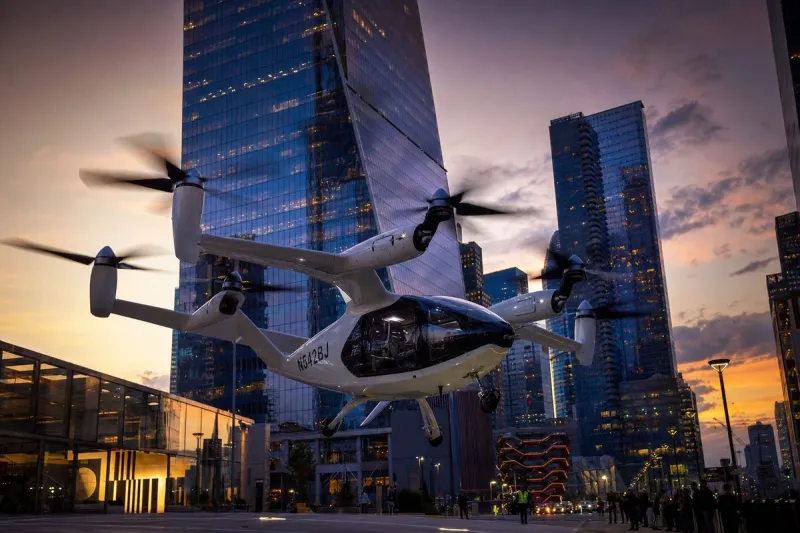
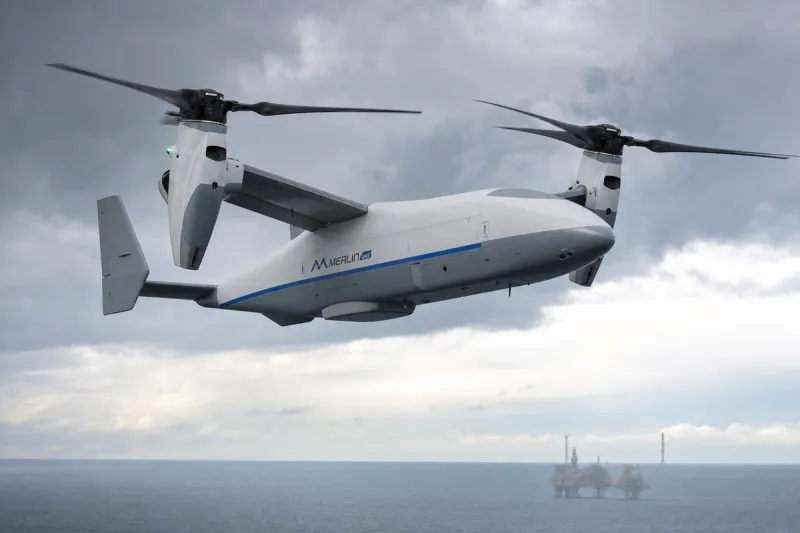
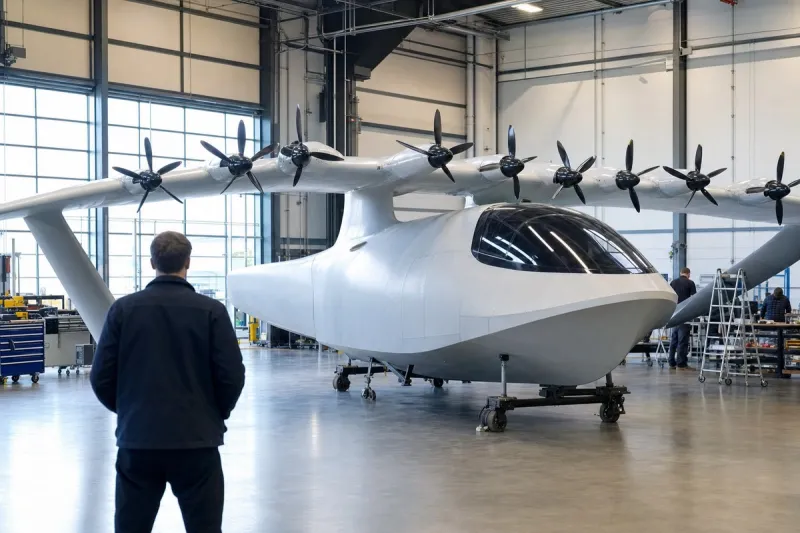
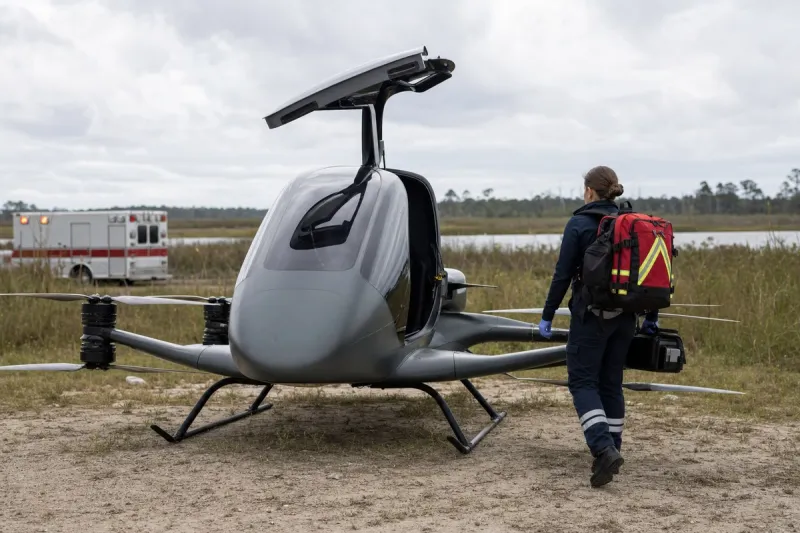
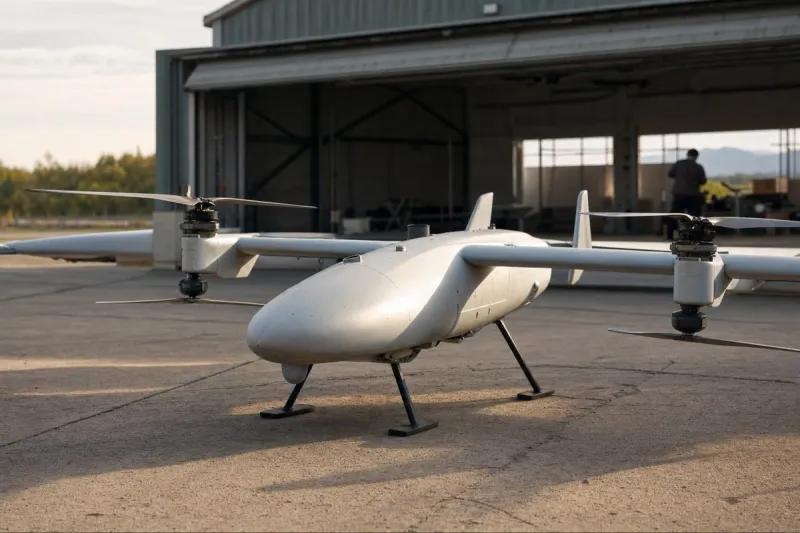
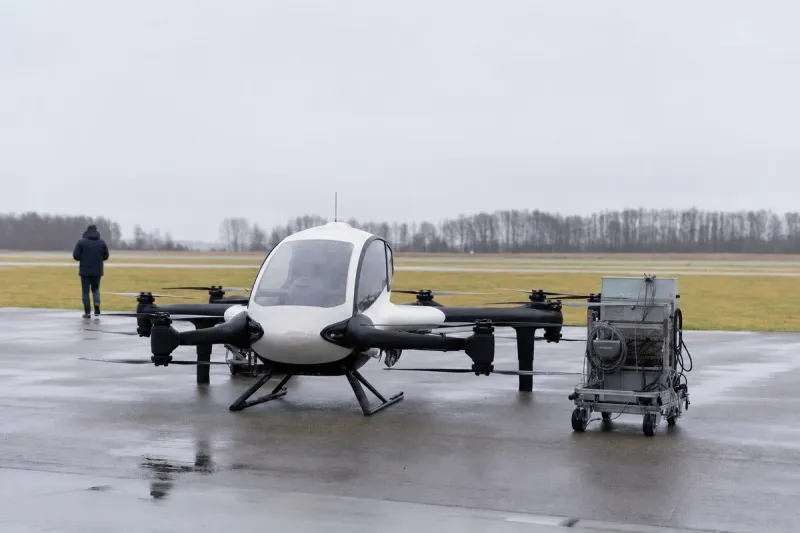
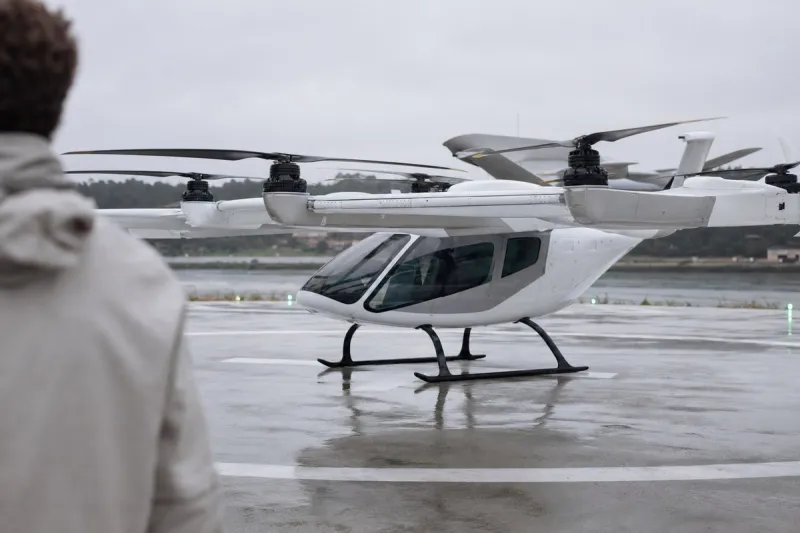
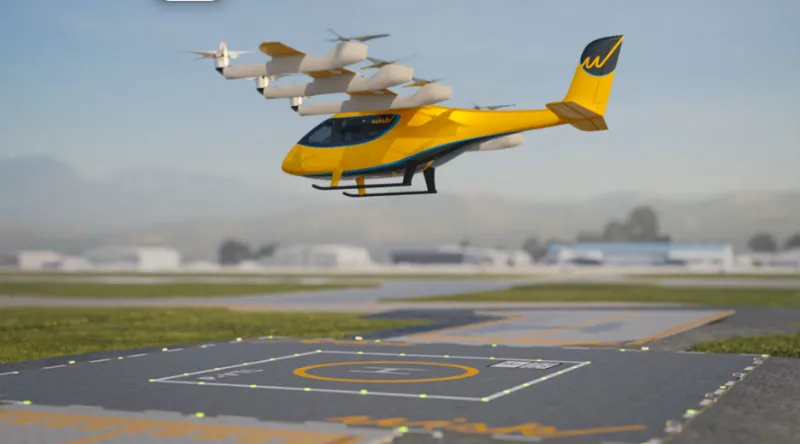
Electric vertical takeoff and landing (eVTOL) aircraft are approaching limited commercial service after years of delayed promises, with Joby Aviation seen as the frontrunner to launch the first passenger flights, potentially this year, at a location still undecided between Dubai and the United States. The sector's renewed momentum is tied to the eVTOL Integration Pilot Program (eIPP), established by a presidential executive order in June 2025, which lets companies with operational aircraft run demonstration flights at approved sites ahead of final FAA type certification. Joby's chief product officer, Eric Allison, said the program would help show how the aircraft work in practice and speed up certification.
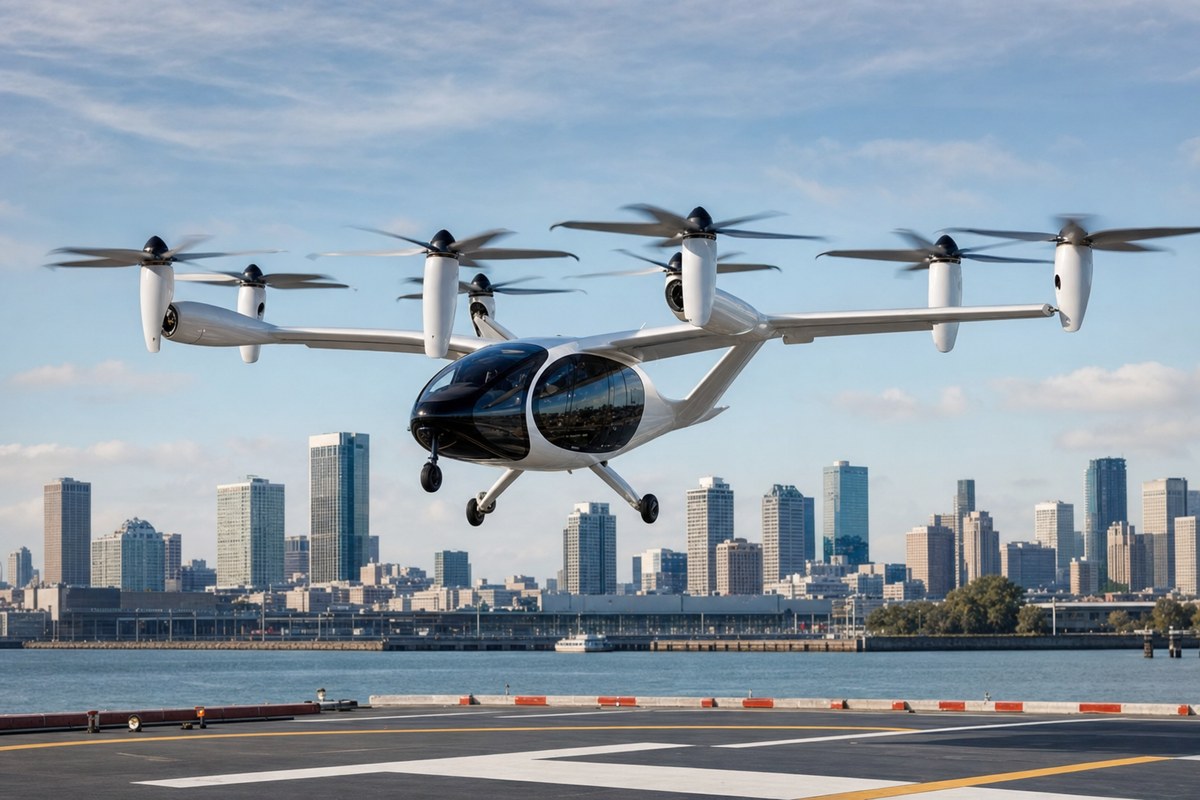
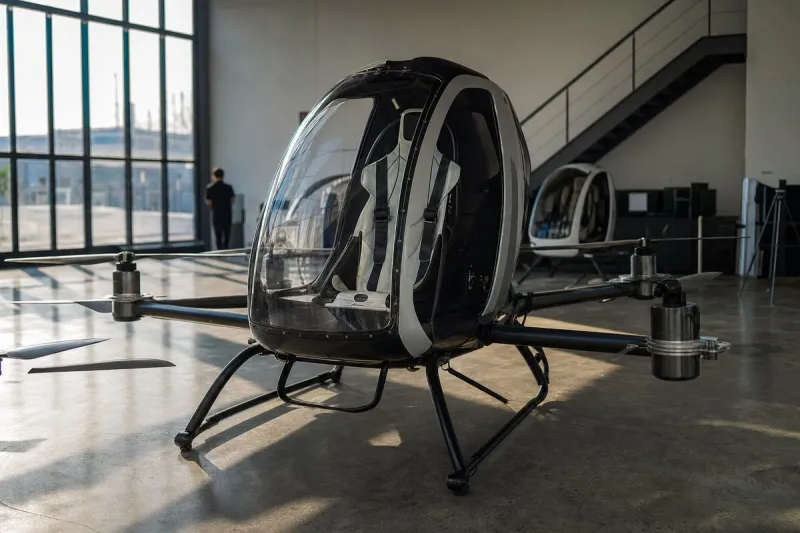
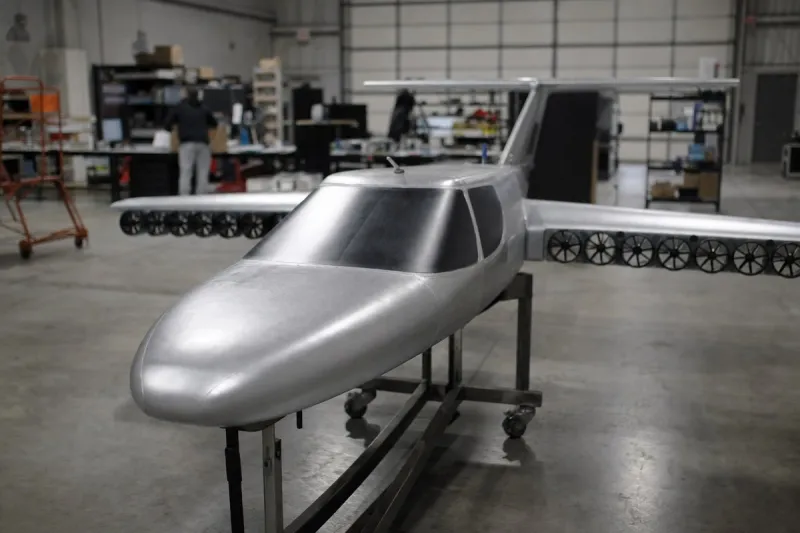
Of more than 1,200 eVTOL proposals tracked by evtol.news, most never advanced past press releases or early fundraising; today's leading contenders in the U.S. and Europe are Joby, Archer, Wisk, Eve, Beta Technologies, and Vertical Aerospace, after Uber exited the space by selling its Elevate unit to Joby. Aviation consultant Mike Hirschberg said the most advanced aircraft would be seen flying at various U.S. locations within the year.
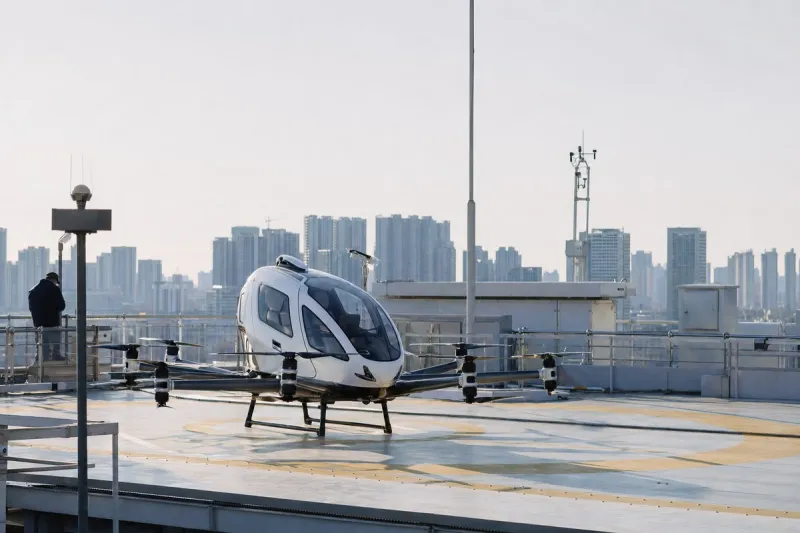
The emerging commercial focus is short urban hops rather than longer regional routes, with Eve's chief commercial officer, Megha Bhatia, describing the use case as last-mile missions. Expected initial routes include airport-to-vertiport hops such as JFK to Midtown Manhattan, Miami International Airport to downtown Miami, and LAX to Malibu, plus transfers to events like the Masters, the Kentucky Derby, or a Formula 1 race. Sergio Cecutta of SMG Consulting said early service would mainly reach higher earners before prices fall over time, and the firm projects Joby will reach full FAA type certification within two years, with other manufacturers following later in the decade and supply catching up to demand in the mid-2030s.