Rolls-Royce Trent 1000 XE Blade Redesign Triples Overhaul Interval, Targets Boeing 787 Market Recovery
Why It MattersEngine durability, not just thrust or fuel burn, now decides widebody market share, since a multi-year reliability crisis let a single rival capture the bulk of an entire aircraft program's engine choices.
What happened
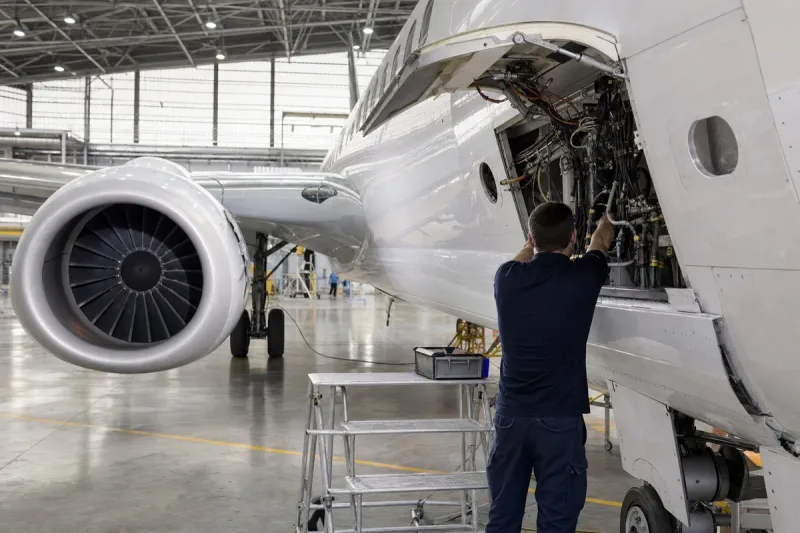
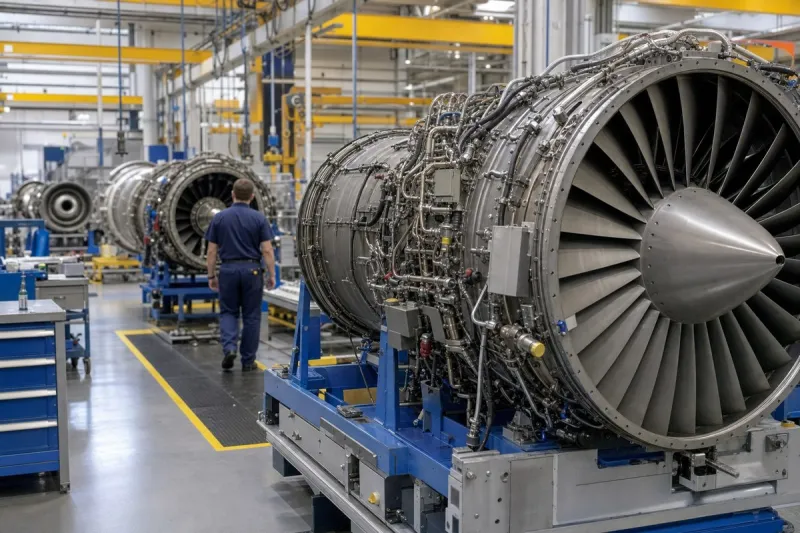
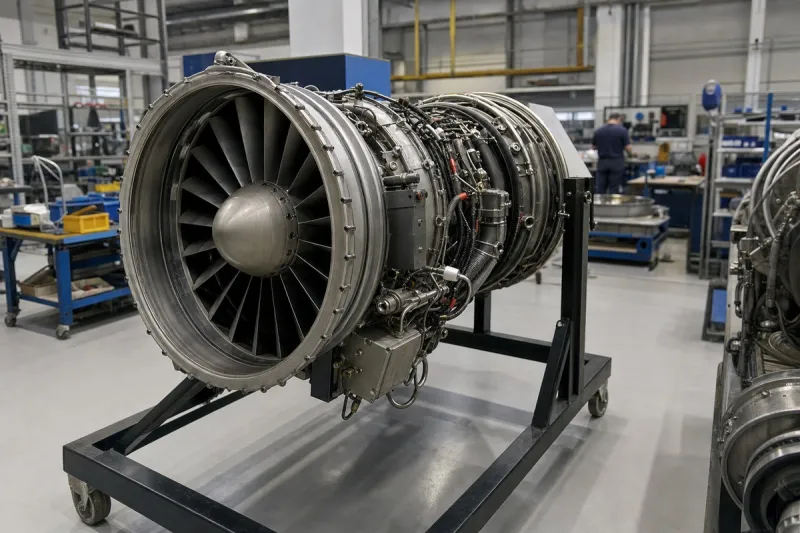
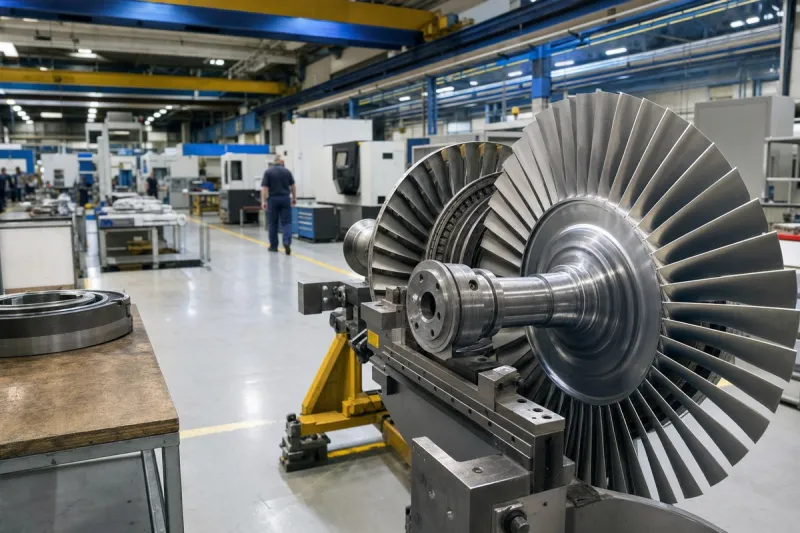
Rolls-Royce has introduced the Trent 1000 XE, the newest variant of its engine for the Boeing 787 Dreamliner, built around a redesigned high-pressure turbine blade that the company says can triple the time between overhauls compared with the previous Trent 1000 TEN. The blade uses a new cooling-hole pattern and reduced tip weight, which boosts cooling airflow by 40% and cuts core metal temperatures by 45 degrees Celsius (113 degrees Fahrenheit). Rolls-Royce says the change makes the engine competitive with General Electric's GEnx on maintenance costs and durability.
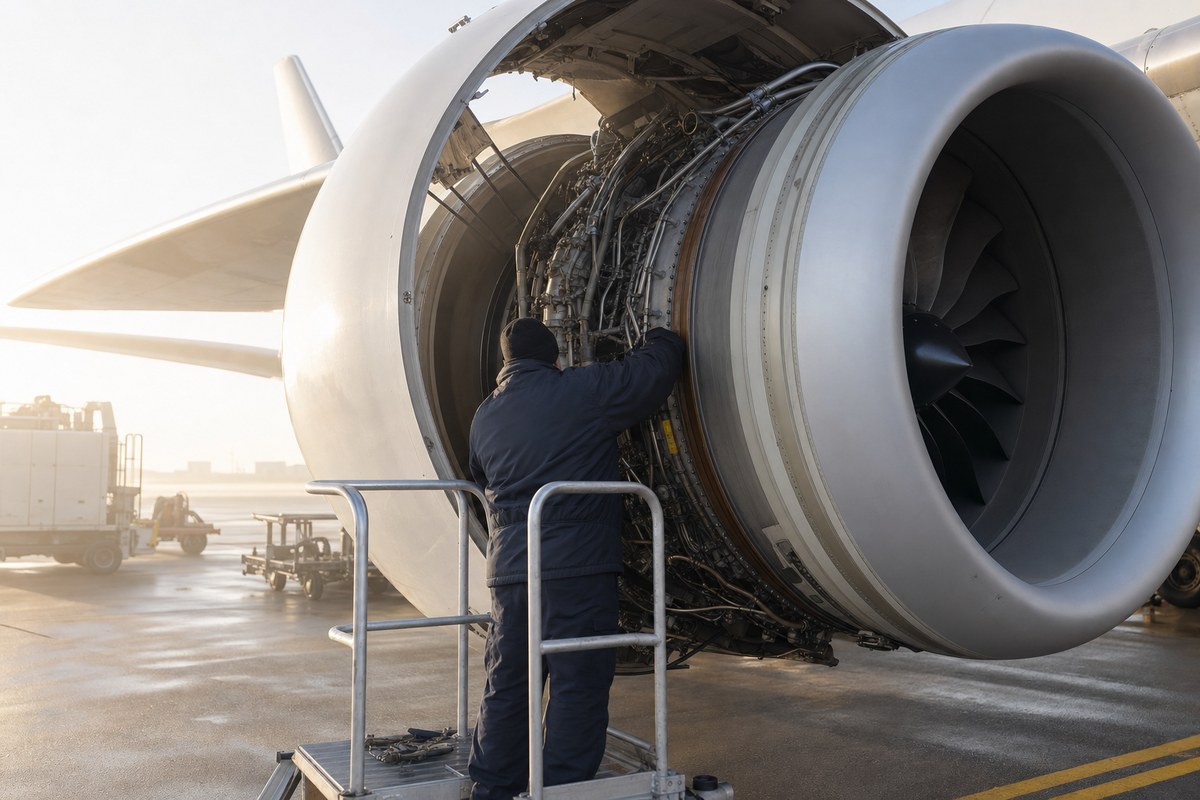
Lufthansa became the first airline to operate 787s powered by the Trent 1000 XE, starting in 2025. The XE is now the production standard for new-build aircraft, and Rolls-Royce is also retrofitting existing Trent 1000 TEN-powered 787s already in service; approximately 50% of the worldwide Trent-powered 787 fleet has already received the upgrade, with full fleet refurbishment targeted for 2027.
The upgrade follows a multi-year durability crisis on the 787 program. Beginning in 2016, All Nippon Airways discovered corrosion-related fatigue cracks in the intermediate-pressure turbine blades of its Trent 1000-powered aircraft. Inspection intervals were cut from every 200 flights to every 80 flights, and the 787's ETOPS rating was downgraded from 330 minutes to 140 minutes, forcing airlines to ground aircraft and curtail transoceanic operations. The follow-on Trent 1000 TEN then suffered premature wear in its high-pressure turbine blades and cracking in the intermediate-pressure compressor and intermediate turbine blades. Rolls-Royce currently holds approximately 3% of the 787 order backlog, with recent wins including an order from LATAM for three aircraft and a memorandum of understanding with Somon Air for two 787s; the company has said it is in discussions with an unidentified new customer but has made no official announcement.
Wider engine portfolio
Rolls-Royce's commercial engine lineup beyond the 787 includes the Trent 7000 on the Airbus A330neo, which shares nearly the same architecture as the Trent 1000 XE and will receive corresponding durability upgrades, and the Trent XWB, which powers the Airbus A350 family and has been in strong demand.
Industry impact & what to watch
This case shows how a single durability defect can reshape engine market share on a widebody program for a decade. The 787's reliability crisis, triggered by intermediate-pressure turbine cracking discovered from 2016 onward, allowed the GEnx to capture more than two-thirds of the worldwide 787 fleet while Rolls-Royce's backlog share fell to roughly 3%, a gap that years of subsequent engineering work are only now trying to close.
In the widebody engine segment, airlines choose powerplants years before delivery and stay locked in for the aircraft's life through maintenance contracts, so a reliability failure does not just cost overhaul and compensation expenses in the near term — it forecloses order opportunities for years afterward, since switching an engine choice on an in-production aircraft type is rare. The Trent 1000 XE's cooling and metallurgy changes address the technical root of that failure, and applying the same architecture to the Trent 7000 suggests Rolls-Royce sees this as a platform-wide fix rather than a one-off patch.
What happens next depends on whether the retrofit pace holds to the 2027 completion target and whether operational data from Lufthansa's XE-powered fleet and the retrofitted aircraft actually show the tripled overhaul interval in service. The unidentified customer Rolls-Royce says it is in discussions with, if confirmed, would be the clearer signal of whether the durability fix is translating into new orders rather than just fleet stabilization.