European Secondary Airports Launch Major Investment Programs as Point-to-Point Aviation Replaces Hub-and-Spoke Model
Why It MattersPoint-to-point long-haul aircraft are pushing capital spending down to secondary and seasonal airports, forcing each to weigh runway, terminal and traffic-control upgrades against realistic year-round demand.
What happened
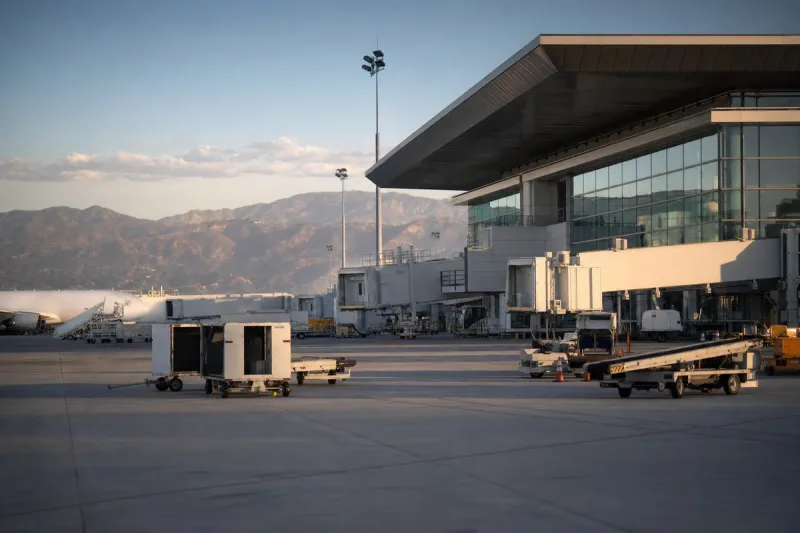
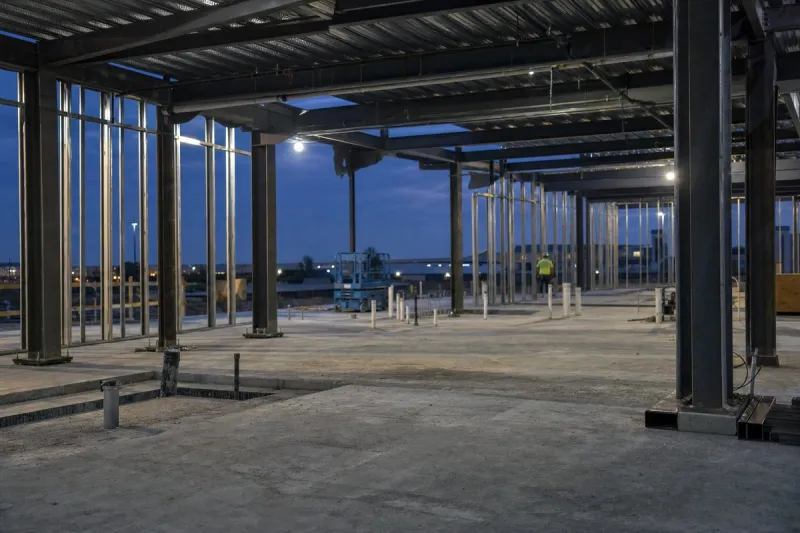
Zadar Airport in Croatia unveiled a new departures terminal in July, valued at 17 million euros and funded through an airport loan within a broader 35-million-euro investment cycle drawing from Croatia's National Recovery and Resilience Plan. County Prefect Josip Bilaver said the next major project is a runway extension of 2,300 ft (700 m) at a cost of approximately 95 million euros, and the airport describes the terminal as one of the most important infrastructure projects for Zadar County. The expansion roughly doubles the airport's passenger capacity to around three million.
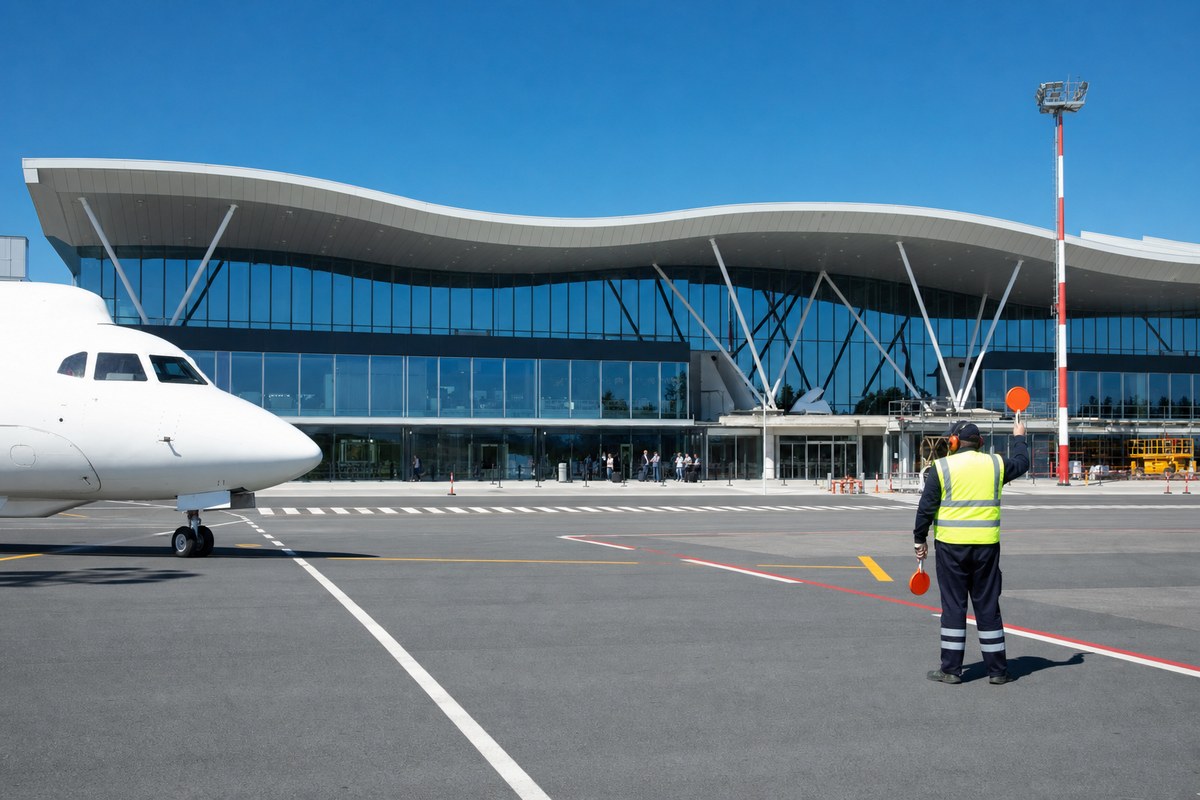
In Greece, the Ministry of Infrastructure and Transport approved 45.44 million euros in funding for Paros National Airport under the National Development Program 2026-2030, with completion expected in 2030. The plan includes a new 130,400 sq ft (12,117 sq m) passenger terminal, a runway extension from 4,600 ft (1,400 m) to 5,900 ft (1,800 m), a new control tower, and fire and security upgrades. Fewer than 100,000 passengers used the airport in 2020, while total arrivals on Paros island reached 970,000 in 2025 including ferry and cruise traffic.
A revived 400-million-euro proposal to build a second airport for Madrid, based at the general aviation Aerodrome of Casarrubios del Monte and managed by Aerohobby, was reported but subsequently rejected by Aena in the near term. The aerodrome currently has a 3,100 ft (950 m) runway and no air traffic control; earlier plans envisioned capacity for up to ten million passengers annually and a 10,500 ft (3,200 m) second runway for commercial jets. Adolfo Suárez Madrid-Barajas Airport recorded 68.2 million passengers in 2025.
At Munich Airport, Deutsche Lufthansa AG and Flughafen München GmbH announced a partnership to expand Terminal 2, targeting an increase of ten million annual passengers by 2035 at a cost of several billion euros. Munich handled 43.4 million commercial passengers in 2025, approaching its pre-pandemic peak of 47.9 million in 2019, and airport officials have confirmed no third runway will be built.
Industry impact & what to watch
These four cases sit at different points of the same shift: aircraft like the Boeing 787 and Airbus A321XLR let carriers fly long-haul and seasonal routes directly into smaller airports instead of routing everyone through a hub, so the airports that can handle those aircraft start attracting capital that used to bypass them entirely. Zadar and Paros are chasing that demand directly, sizing terminals and runways to capacity levels several times their recent passenger counts. Munich is defending an existing hub position without adding runway capacity, betting that terminal efficiency can absorb ten million more passengers by 2035. Madrid's case shows the limit of this trend: even with an ambitious ten-million-passenger design and a proposed 3,200 m runway, Aena's rejection signals that a market already served by a 68.2-million-passenger hub does not obviously need a second airport nearby.
How each project actually lands will depend on funding follow-through and whether traffic materializes at the scale planned. Zadar's runway extension and Paros's 2030 completion date are the two clearest near-term milestones, since both depend on public financing already committed rather than proposals still under review. Munich's Terminal 2 expansion, tied to a named partnership between Lufthansa and the airport operator, gives a concrete capacity target to check against actual passenger growth toward the 47.9 million 2019 peak. Whether Madrid's second-airport proposal resurfaces will show whether Aena's near-term rejection was a final answer or simply a delay.