Jet Fuel Price Volatility Explained: Supply Constraints, Geopolitical Shocks, and the Road to SAF
Why It MattersAviation's reliance on a structurally low-yield, geographically concentrated fuel supply chain leaves airlines exposed to sharp cost shocks whenever Middle East geopolitical tensions escalate.
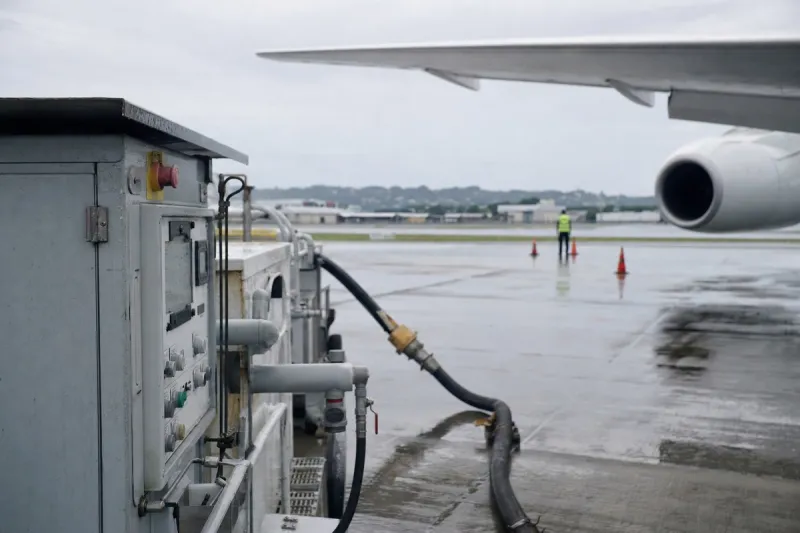
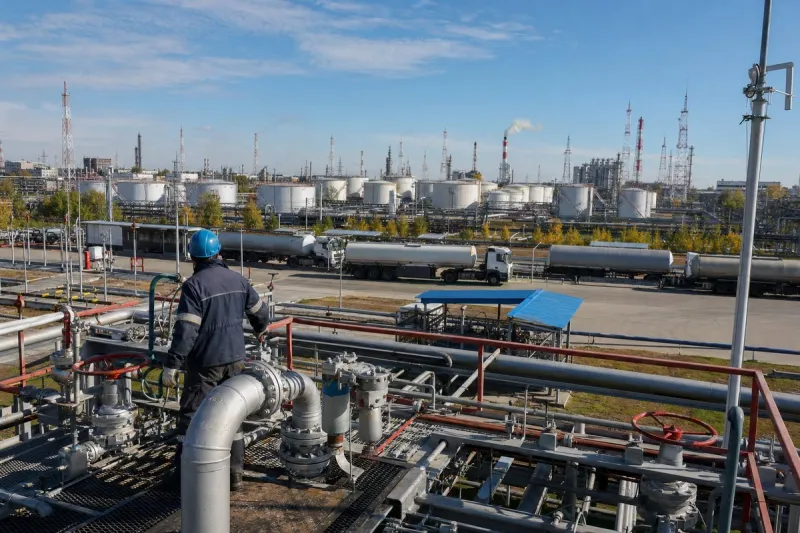
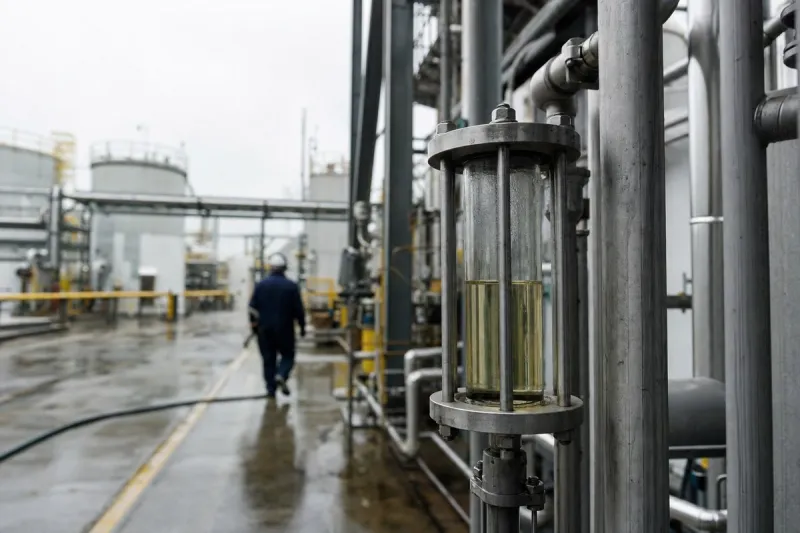
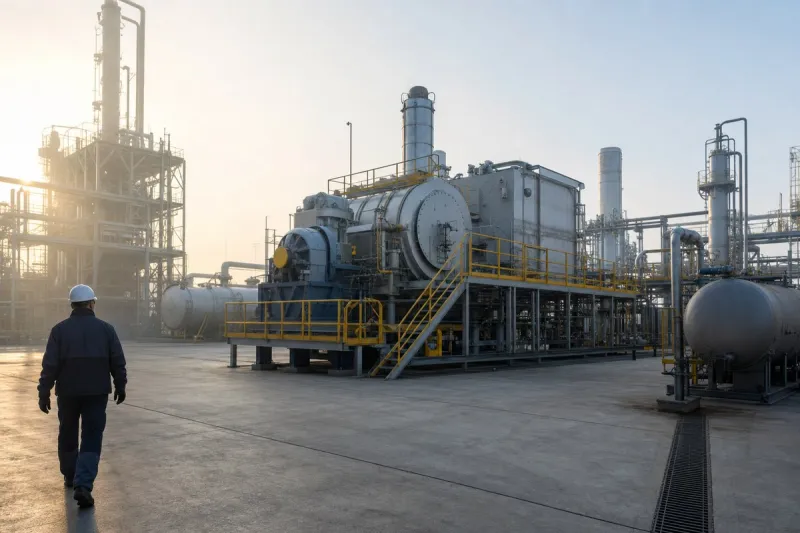
Jet fuel, formally designated Jet A1 or AVTUR, is a kerosene-grade product refined from crude oil in a Crude Distillation Unit, sitting chemically between gasoline and diesel in the distillation column — more energy-efficient and stable than gasoline, yet more combustible than diesel. From one barrel of Brent Crude (159 litres), a refinery produces approximately 25 litres of jet fuel, a yield of roughly 16%, compared with around 65 litres (about 40%) of gasoline and 55 litres (about 35%) of diesel. Because raising jet fuel yields requires technically difficult and expensive processing steps, the grade sits in a structurally weak supply position against aviation's specific and inelastic demand.
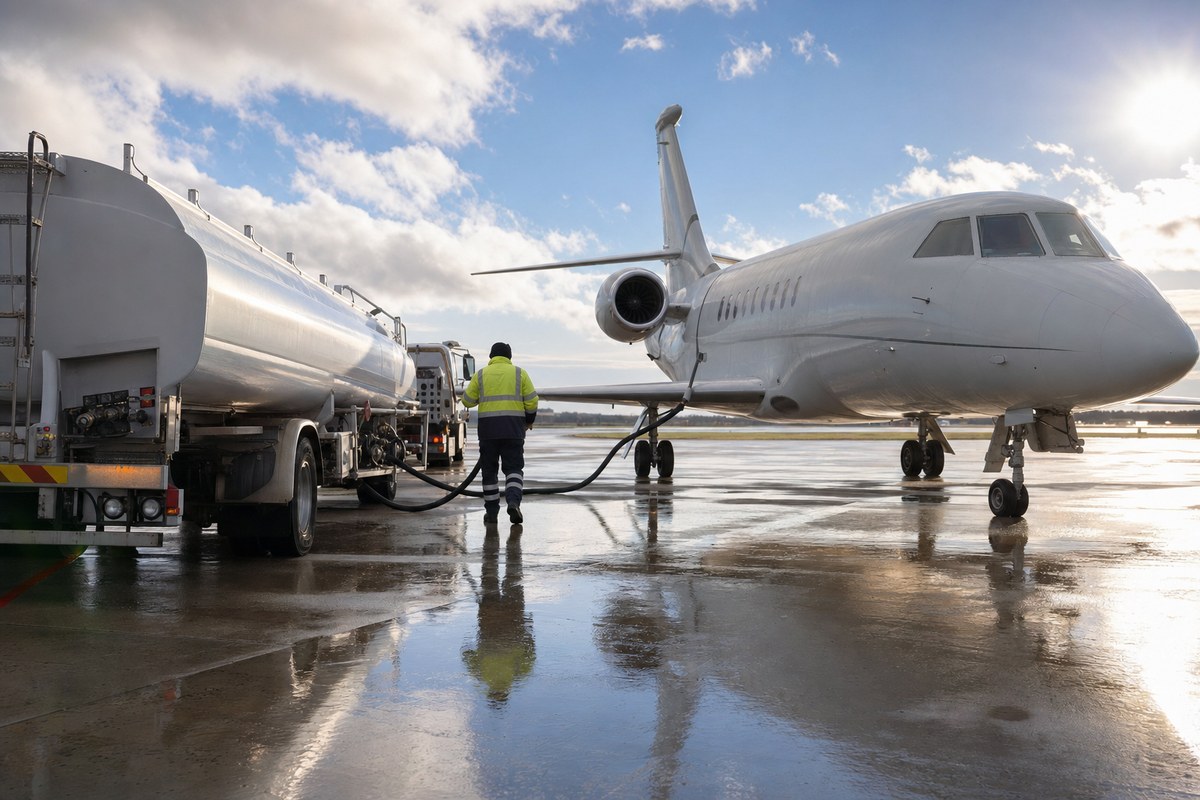
This imbalance leaves jet fuel highly exposed to price shocks. In 2026, following Israeli and US strikes on Iran, jet fuel prices rose to $234 per barrel ($1,842.50 per tonne). During the Arab Spring in 2012, Jet A1 topped $150 per barrel even though the associated disruption affected only Libyan crude. After Russia's invasion of Ukraine, jet fuel reached $188 per barrel ($1,475.25 per tonne) while crude oil traded at $119 per barrel. Prices can swing just as sharply downward: in the first quarter of 2020, UK jet fuel demand fell 30% during the pandemic.
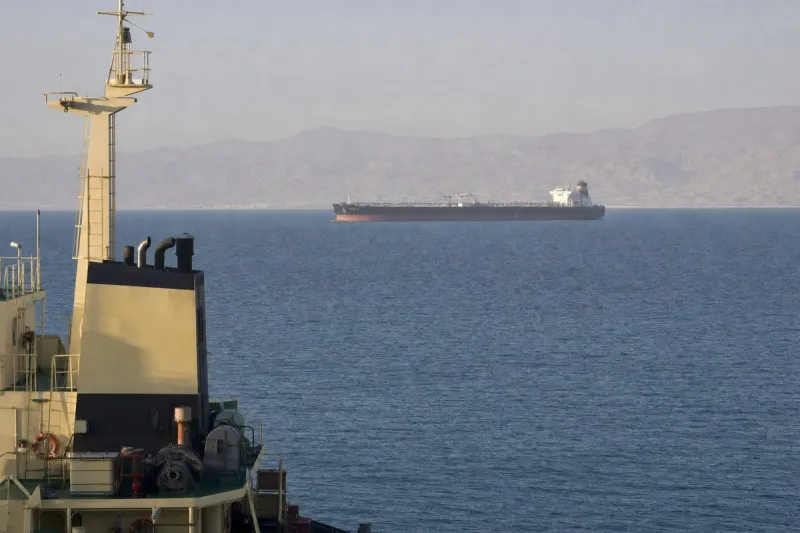
Geography compounds the exposure in Europe — the United Kingdom imports approximately 60% of its jet fuel, increasing its vulnerability to disruptions around the Strait of Hormuz, where significant refining capacity is located. Hedging offers buyers only partial protection, since coverage must eventually be renewed at prevailing market prices, and refinery schedulers cannot curtail jet fuel output in isolation because refining is an integrated process across multiple product streams. Sustainable Aviation Fuel has been proposed by some analysts as a potential partial remedy, since its supply chain sits outside Middle Eastern geopolitical pressures, though that question is expected to be examined in further analysis.