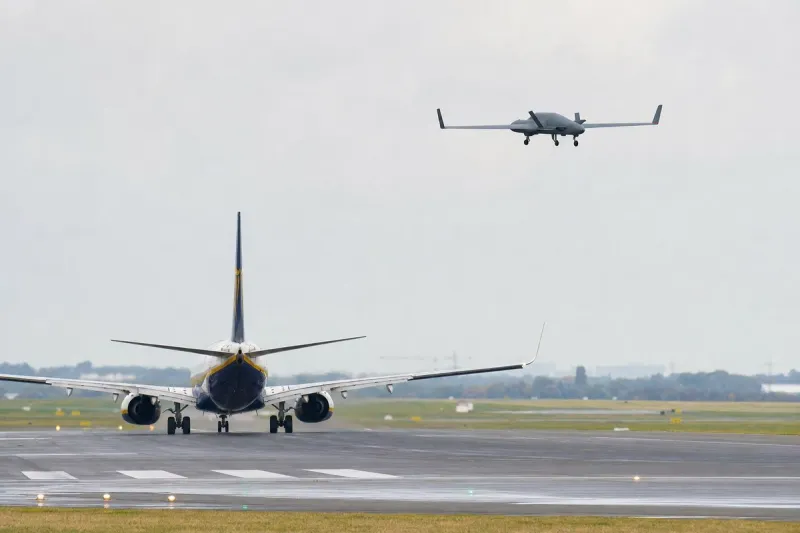
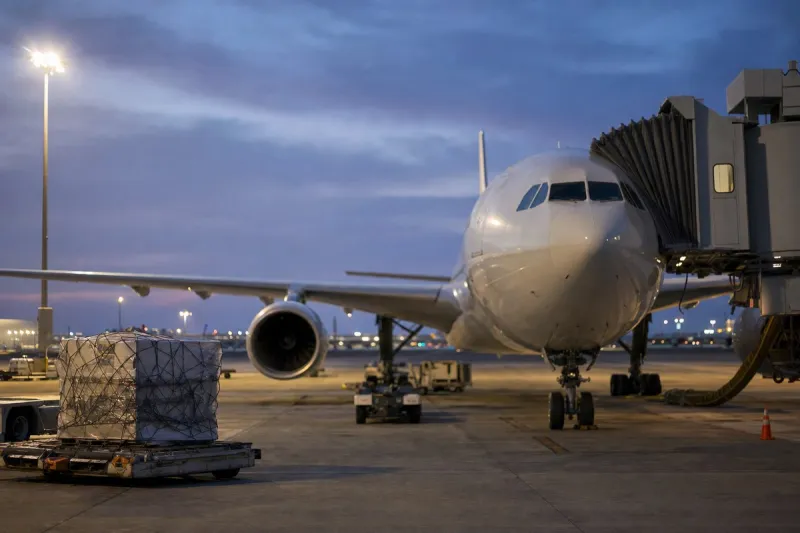
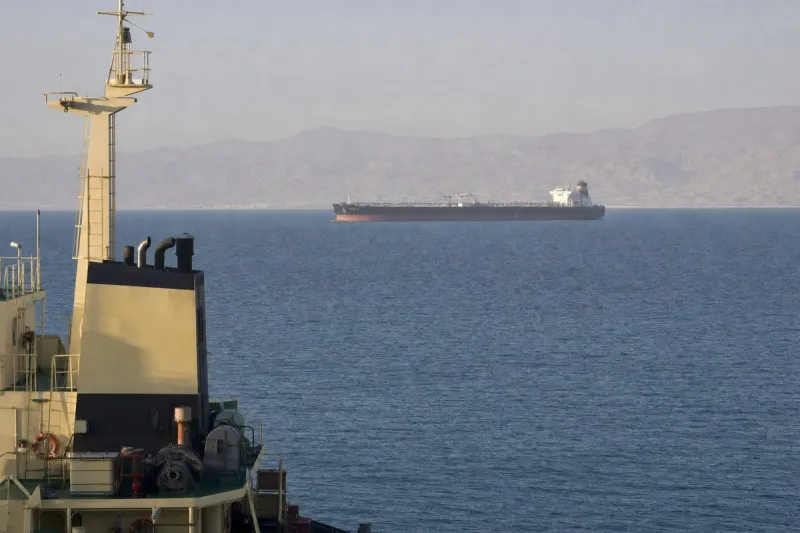
Dubai International Airport passenger traffic falls 31.3% in first half of 2026 amid Iran war disruption
Why It MattersThe episode shows how quickly regional conflict can compress Gulf hub traffic and confidence together, forcing destination authorities to counter demand shocks with direct incentive spending rather than waiting for organic recovery.
What happened
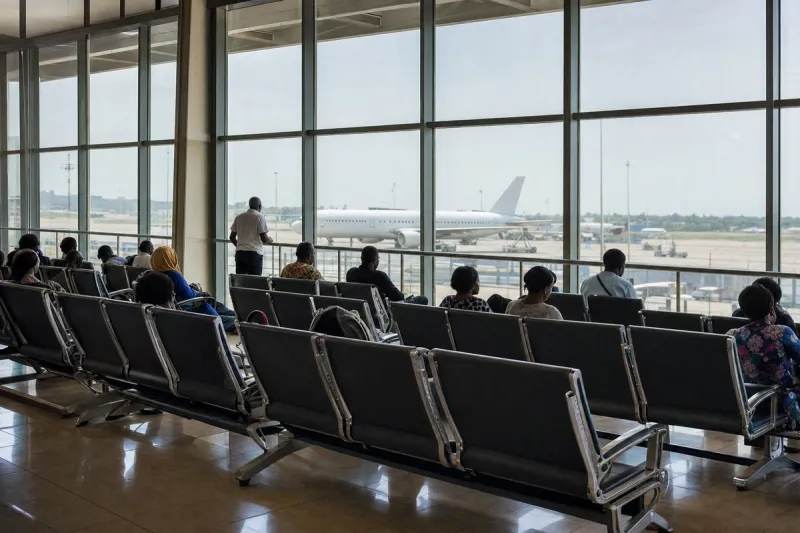
Passenger traffic at Dubai International Airport dropped 31.3% year-on-year in the first half of 2026, according to newly released second-quarter figures. The airport handled 13 million passengers in Q2 2026, bringing the total for the first six months of the year to 31.5 million.
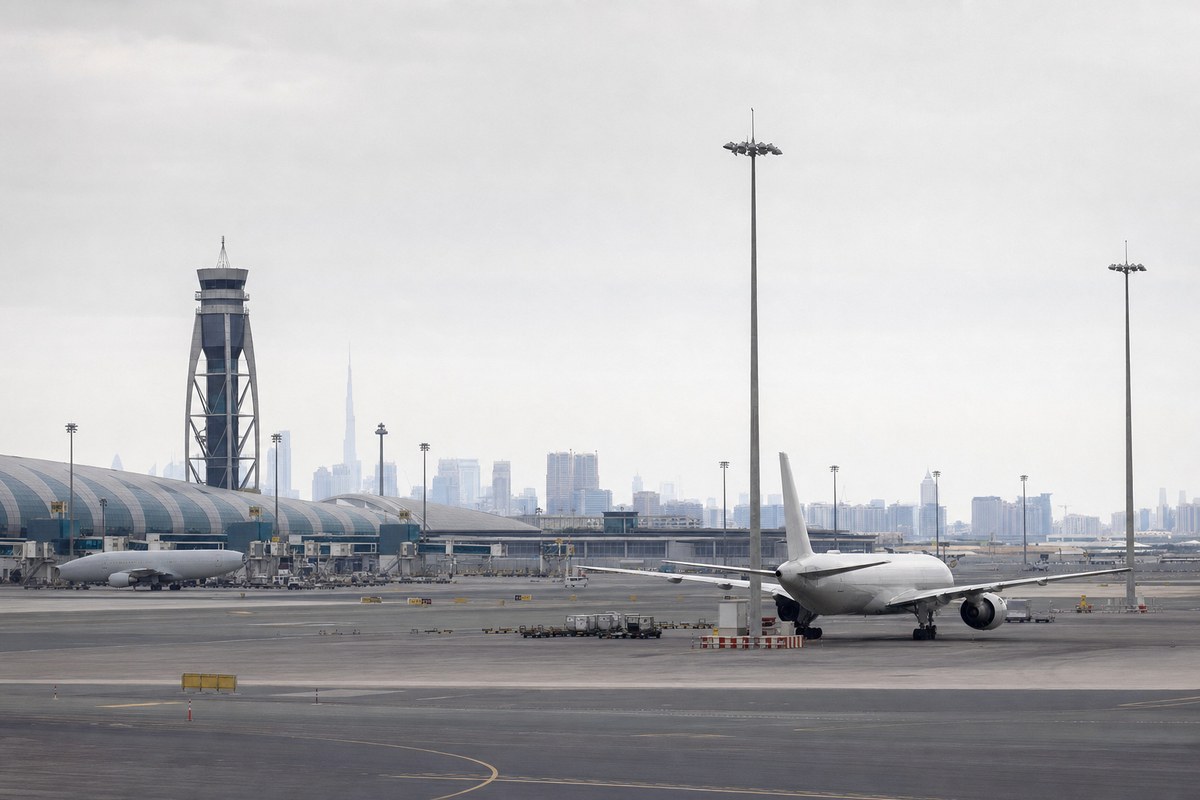
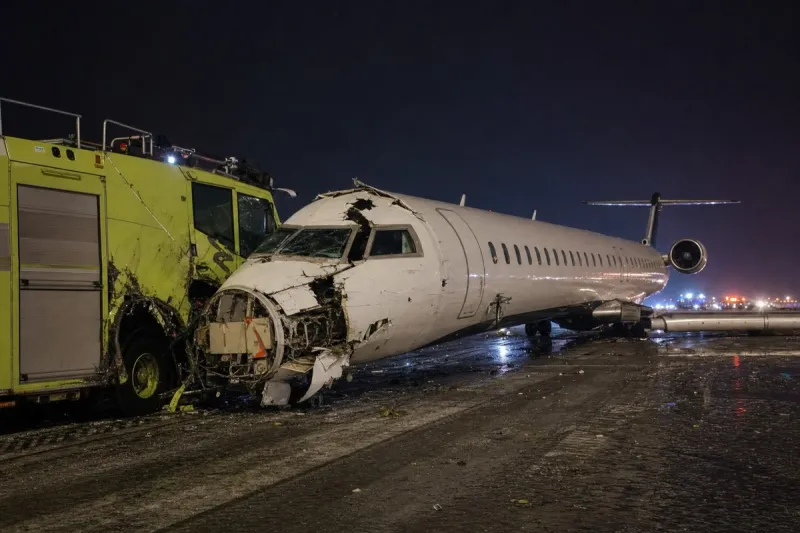
Aircraft movements across the wider Middle East region fell 32.1% to 62,500 in Q2, and totaled 150,600 for the full first half. Missile and drone strikes from Iran forced the closure of airspace and airports across the region, stranding passengers, holidaymakers and foreign residents in the United Arab Emirates, and airlines and governments in some cases mounted emergency repatriation flights.
In July, Dubai authorities launched a tourism initiative offering residents rewards valued at more than €700 for persuading friends and family to visit the emirate, seeking to stimulate travel during the traditionally quieter summer season.
Industry impact & what to watch
This case sits alongside other episodes where a Gulf hub's traffic figures move in step with regional airspace closures rather than with underlying demand for the destination itself. When strikes close airspace and ground repatriation flights, the resulting passenger and movement declines show up immediately in quarterly hub statistics, well before any recovery in underlying travel appetite.
Hub airports in this segment depend on transit and stopover traffic that is highly sensitive to perceived regional risk, not just to actual closures — consumer confidence in travel to the Gulf was further dented as images of strikes circulated on social media, a channel that can depress bookings even where airspace has reopened. That is why authorities turned to a direct incentive scheme rather than waiting for sentiment to recover on its own.
What happens next will show in the Q3 figures: whether the incentive scheme measurably lifts resident-driven visits during the quieter summer months, and whether regional aircraft movements recover toward the roughly 190,000 pace implied by annualizing the pre-disruption run rate. The next release of movement and passenger data will be the clearest signal of whether the disruption was a one-quarter shock or a longer repricing of risk for the region.