NTSB: White House construction disrupted radio link, controllers never heard Marine One pre-takeoff warning on Aug. 4
Why It MattersThe episode shows how a single infrastructure change near a airport can silently disable a decades-old coordination agreement, leaving controllers compliant with procedure yet blind to a real conflict.
What happened
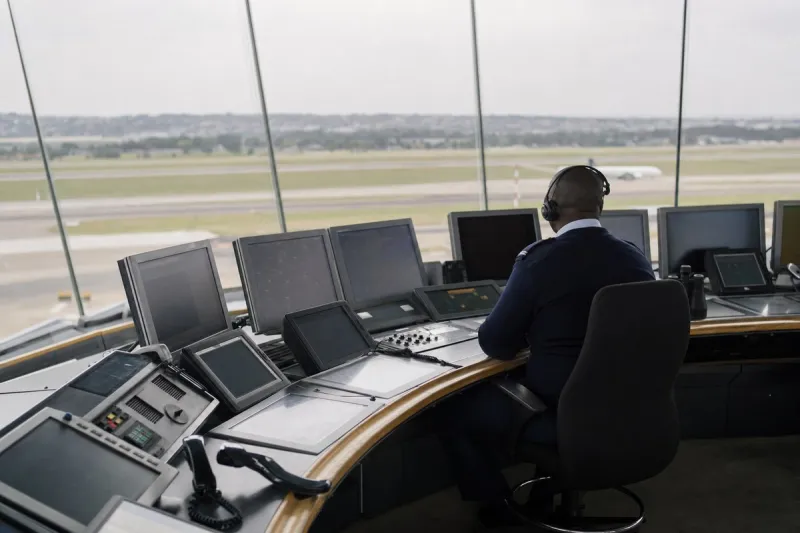
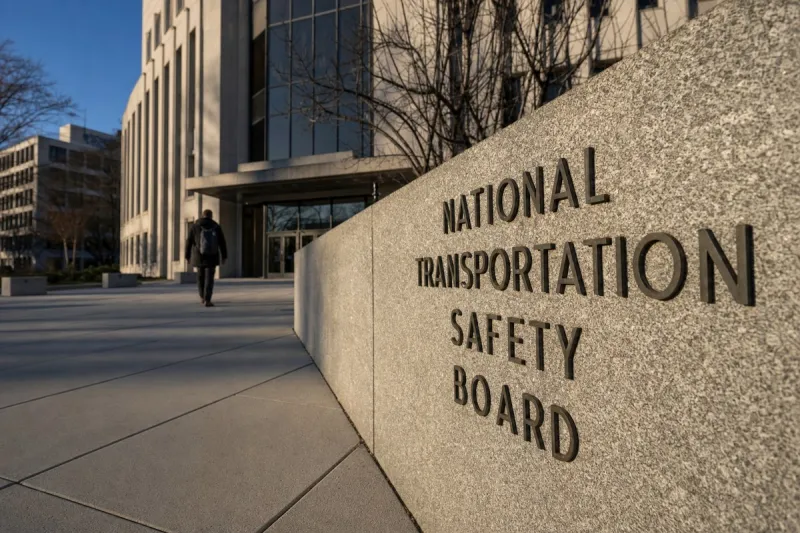
The National Transportation Safety Board said Thursday that ongoing White House construction contributed to radio problems that prevented air traffic controllers at Reagan National Airport from hearing a required warning ahead of Marine One's takeoff on Aug. 4, leading controllers to clear a commercial jet for departure just as the presidential helicopter lifted off.
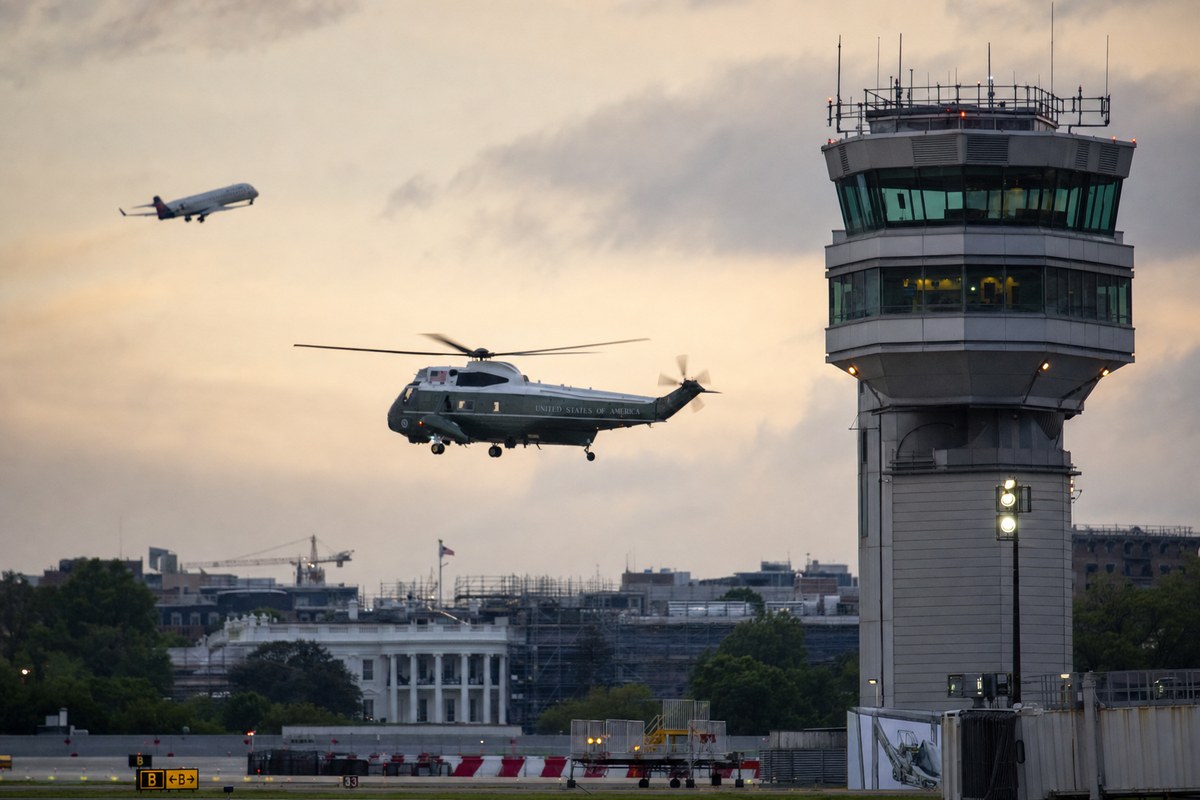
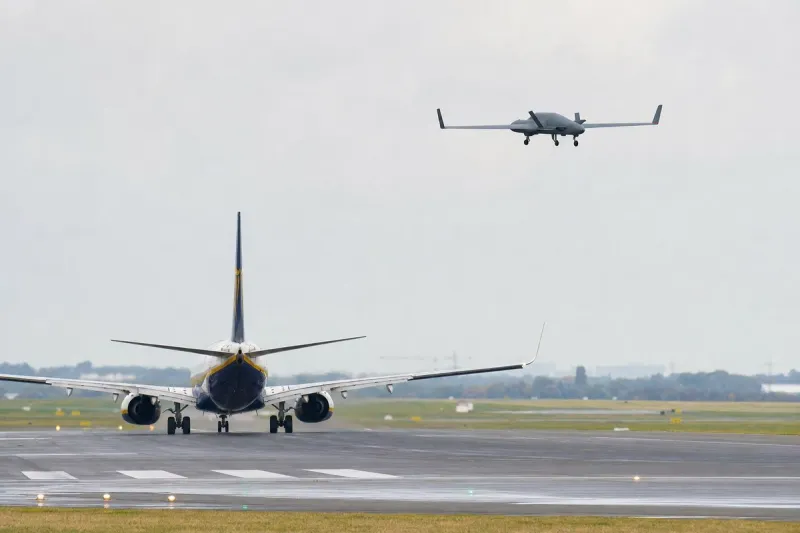
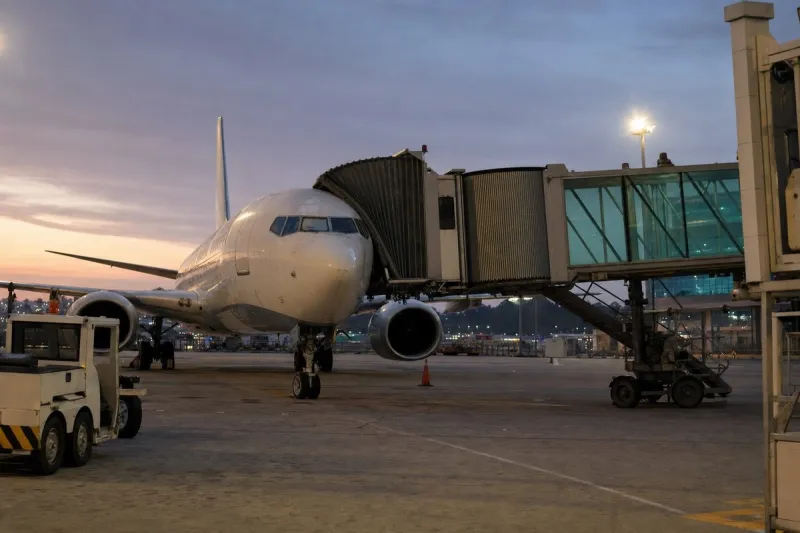
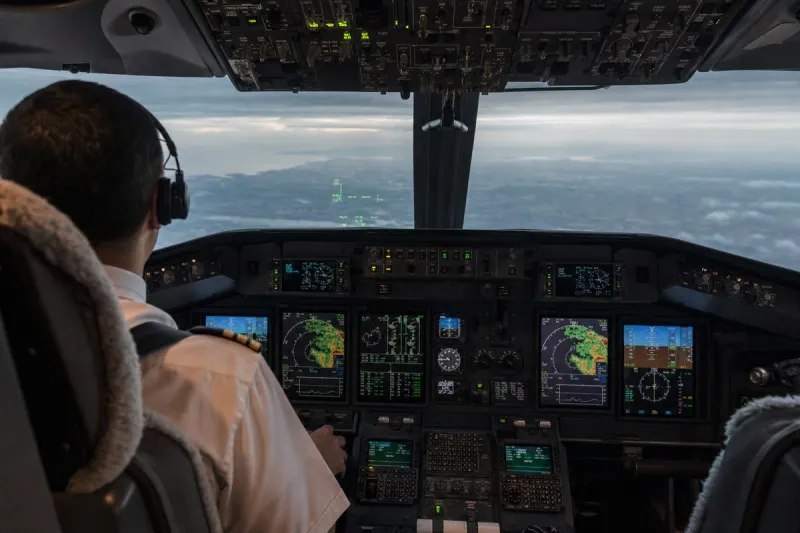
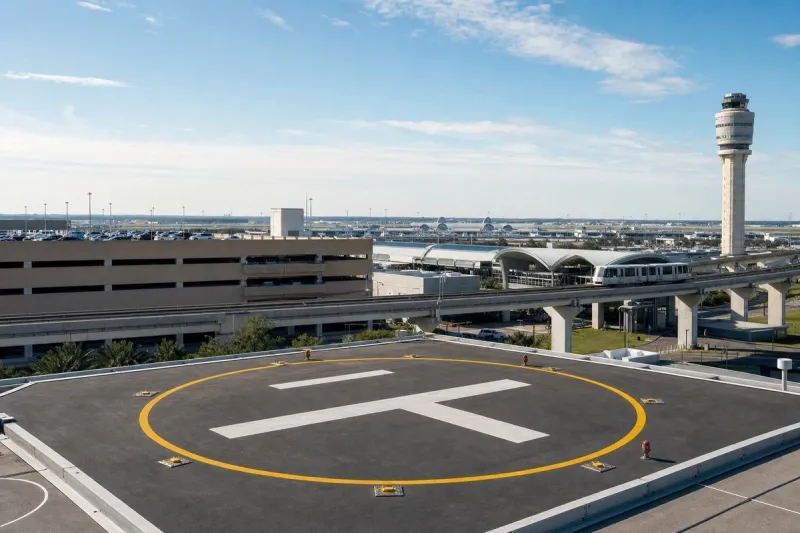
Investigators found that tower recordings did not capture the Marine One pilot's call that the helicopter was three minutes from takeoff, a notification required under a 2013 agreement between the FAA and the military. Separate recordings posted by ATC.com did capture the pilot making that call. NTSB investigators determined that because the helicopter had shifted to a new location during the construction, there was no longer adequate line of sight between the existing radio receiver and the helicopter. The NTSB's preliminary estimates show the helicopter and the Envoy Air flight came within just over 0.8 mile (1.3 kilometers) laterally and about 700 feet (215 meters) vertically at their closest point. The Envoy Air crew told investigators they received a traffic warning from their collision avoidance system right after takeoff but never saw the helicopter; Marine One's pilots spotted the plane and paused until it safely left the area. Once controllers realized the helicopter was airborne, they warned Marine One's crew and ordered a separate inbound aircraft to abort its landing and circle around.
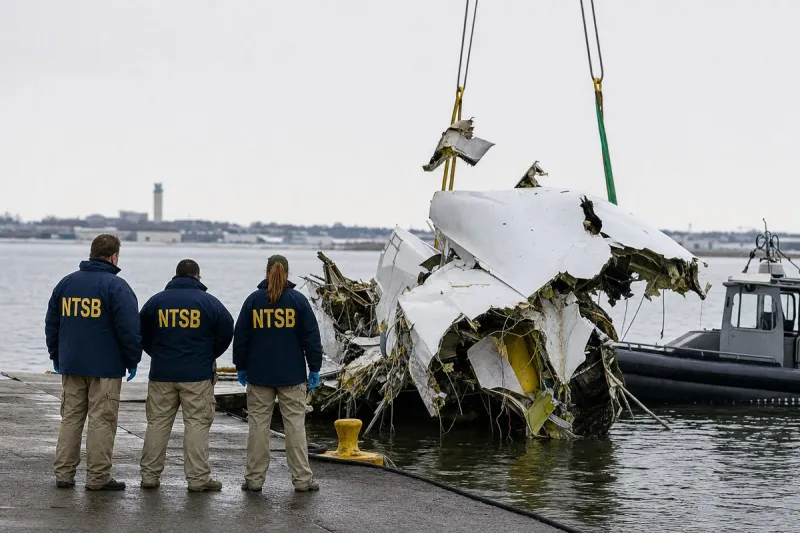
The FAA said it moved the antenna "to improve communications" between the airport and Marine One pilots immediately after the incident, and subsequent tests showed the radios working well after the change. Jeff Guzzetti, an aviation safety expert and former crash investigator for both the NTSB and the FAA, said controllers were aware of previous communications issues but "never got at the root cause," and added that the controller involved "did absolutely nothing wrong" because he never received the three-minute warning. The Pentagon's agreement with the FAA requiring that advance warning predates the Jan. 29, 2025, midair collision near Reagan that killed 67 people, after which a hotline connecting the Pentagon to the tower was found to have been non-functional for more than three years without the FAA's knowledge.
Industry impact & what to watch
This case shows how a physical change on an airport's periphery can quietly undo a procedural safeguard that everyone assumes is still working. The three-minute warning existed on paper since 2013, but its function depended on a radio line-of-sight relationship that construction activity altered without triggering any formal review of the coordination agreement itself.
Procedures introduced after the 2025 midair collision require all takeoffs and landings to halt when a helicopter crosses a conflicting route, and having both the jet and Marine One airborne simultaneously appears to have run against that intent even though no rule was consciously broken. That gap between formal compliance and actual separation is the pattern regulators and operators near Reagan will need to reconcile going forward.
The FAA has already relocated the antenna and reported successful follow-up tests, addressing the immediate radio problem. Whether the broader coordination agreement gets re-verified against any future construction near the site, and whether the Pentagon-FAA hotline history factors into how the NTSB frames its final findings, are the points that will determine if this was an isolated fix or the start of a wider review of military-civilian coordination at the airport.