Russia Extends Diesel, Marine Fuel and Kerosene Export Ban Through September 30 Amid Drone-Driven Refinery Crisis
Why It MattersRepeated infrastructure strikes show how quickly refining capacity losses force governments toward import substitution and export controls to keep domestic fuel markets supplied.
What happened
Russia's government announced on Saturday that export restrictions on diesel, marine fuel and kerosene have been extended until September 30, citing the need to maintain stability in the domestic fuel market. The gasoline export ban was kept in place until January 31, 2027, while restrictions on jet fuel exports will remain in effect until November 30.
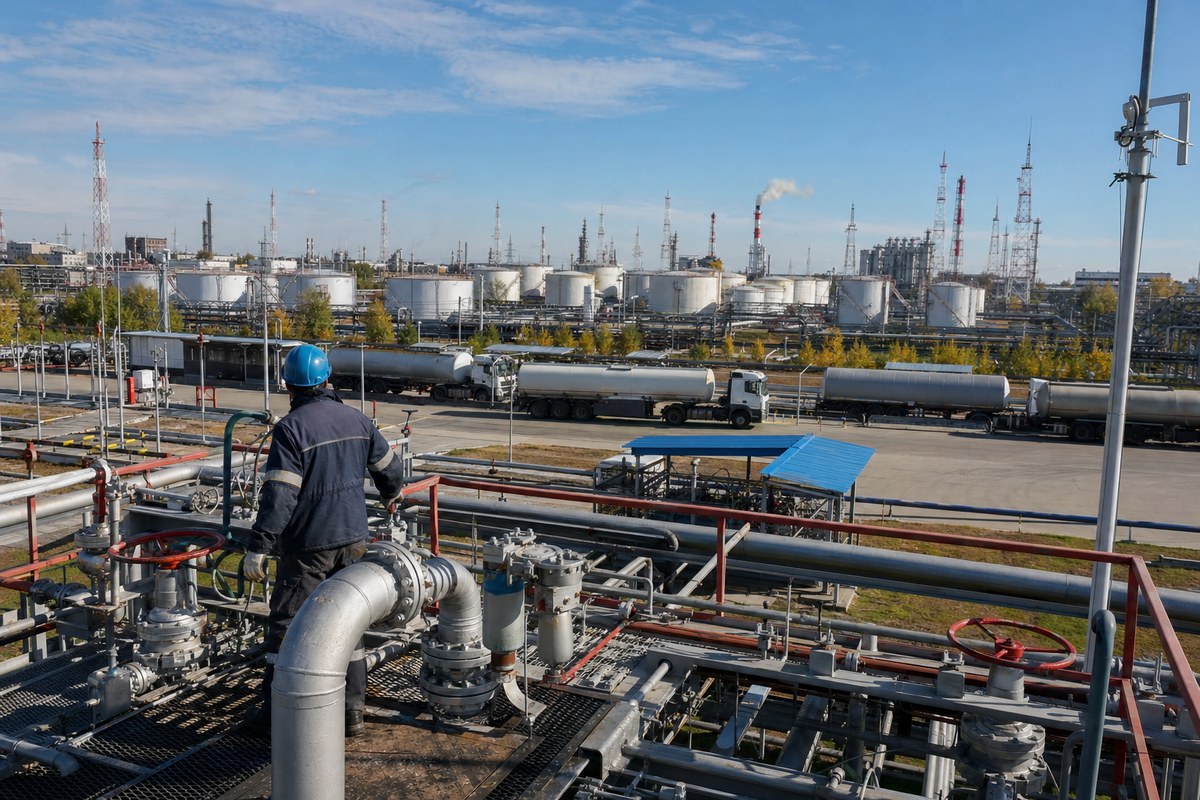
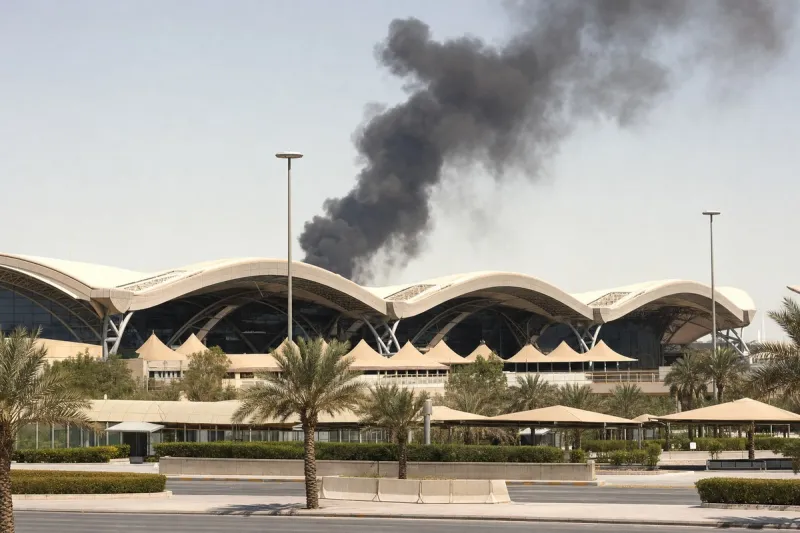
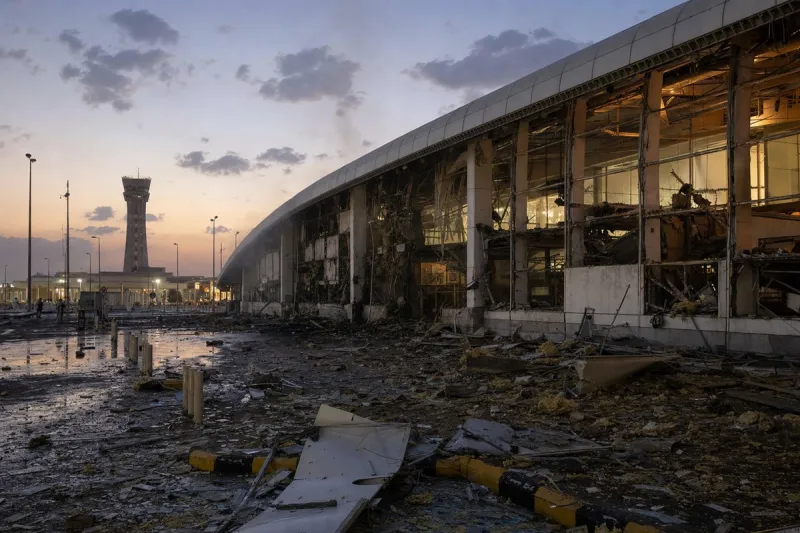
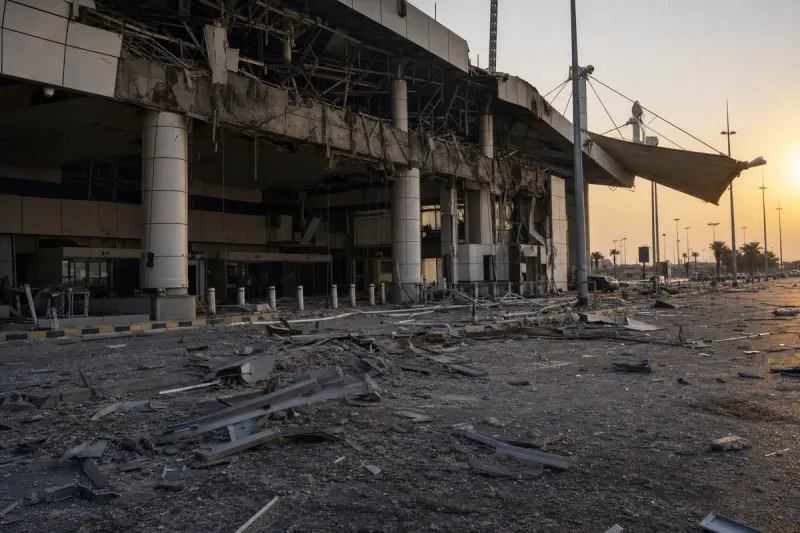
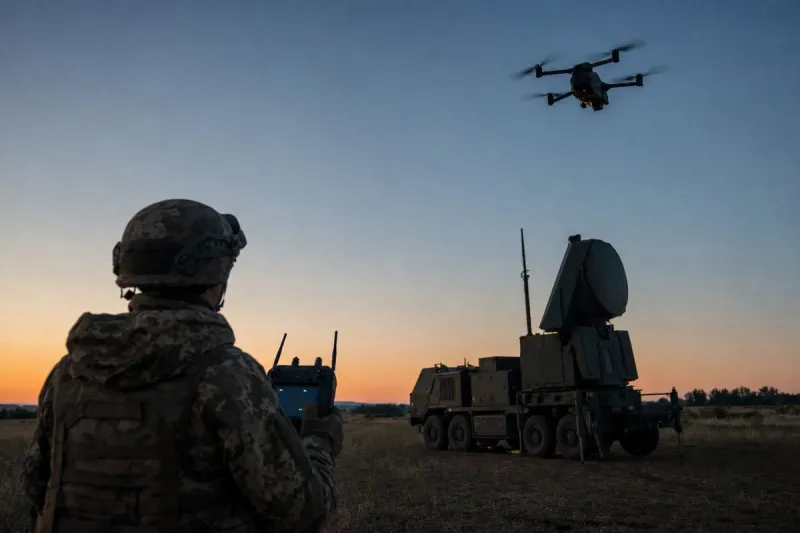
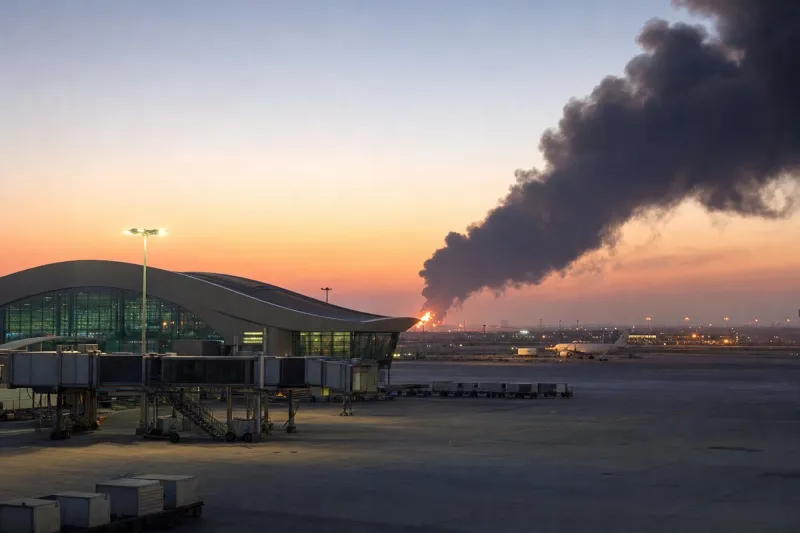
Refineries in Perm, Nizhny Novgorod and Yaroslavl were hit by drone strikes in the past week, forcing emergency shutdowns. Commodity analytics firm Kpler reported that at least 25 Russian refineries had been affected by Ukrainian drone strikes since August 2025, with damage to crude distillation units, secondary processing equipment, storage tanks and pipelines. Deputy Prime Minister Alexander Novak said on July 21 that export restrictions, increased imports and postponed refinery maintenance had helped bring partial stability to the domestic market and allowed some regional fuel-sale restrictions to be lifted, though shortages returned in August as fresh attacks knocked out additional refining capacity.
Russia has increased gasoline imports from India, Belarus and Kazakhstan. According to S&P Global Commodities at Sea data, Russia had received more than 1 million barrels of gasoline by sea since late July. Moscow also ordered its first gasoline shipment from Türkiye, with a tanker carrying approximately 200,000 barrels expected to arrive during the week of August 24. Additional fuel supplies have been transported by rail from Belarus and Kazakhstan, and shipments from Asia have helped replenish domestic stocks.
President Vladimir Putin said in late June that previously accumulated fuel reserves had entered the domestic market, with gasoline stocks standing at 1.7 million tons, down 4% from a year earlier. Reuters estimated that domestic production and imports could cover about 85% of gasoline demand in August, averaging around 97,000 tons per day. Rosstat reported that the average retail price of gasoline reached 77.05 rubles per liter on August 24, up from 76.38 rubles the previous week, a 0.9% weekly rise and 19.4% higher than at the end of 2025.
Industry impact & what to watch
This episode illustrates how sustained attacks on refining infrastructure can force a producing nation into the position of a fuel importer, reshaping trade flows that normally run in the opposite direction. Export bans, import substitution from neighboring and regional suppliers, and drawdown of strategic reserves are the standard toolkit governments reach for when domestic refining capacity is knocked offline faster than it can be repaired.
The extension through September 30 for diesel and marine fuel, against a longer gasoline ban running to January 31, 2027, signals that officials expect the underlying refinery damage to take considerably longer to resolve than the jet fuel and diesel restrictions alone would suggest. The gap between the different product deadlines is itself a signal of where the bottleneck is judged to be worst.
What happens next depends on whether new drone strikes continue to outpace repair and import substitution. The next Rosstat retail price reading and any further Kpler tally of affected refineries will indicate whether the current import flows from India, Türkiye, Belarus and Kazakhstan are sufficient to stabilize supply or whether additional restrictions become necessary.